
When you’re driving, the last thing you want is a steering wheel hard to turn. Smooth steering is essential for safe and comfortable driving. If your steering wheel feels stiff or doesn’t respond easily, it’s a sign that something in your vehicle needs attention. Many people ignore this problem, thinking it will go away, but it usually gets worse—and can even lead to dangerous situations on the road.
A hard-to-turn steering wheel is not just annoying. It’s a warning sign. The cause could be something simple, like low power steering fluid, or something serious, such as a failing steering rack. Understanding the causes can help you fix the problem quickly, save money, and stay safe.
In this article, you’ll discover all the major reasons why your steering wheel might be difficult to turn, plus what to do about them.
Common Causes Of A Hard-to-turn Steering Wheel
Let’s break down the main reasons your steering wheel becomes hard to turn. Each cause points to a different part of your vehicle, and knowing these will help you diagnose and solve the issue faster.
1. Low Power Steering Fluid
The most frequent reason for a stiff steering wheel is low power steering fluid. This fluid helps transfer force from the steering wheel to the wheels. If it’s low, the system can’t work smoothly.
- Symptoms: You may hear whining noises, especially when turning, and the wheel feels heavy.
- Why it happens: Leaks in the hoses, pump, or steering rack can cause the fluid level to drop.
- Quick check: Open the hood and find the power steering fluid reservoir. If the fluid is below the recommended line, that’s likely your problem.
Non-obvious insight: Power steering fluid can become contaminated over time. Even if the level is fine, dirty fluid can reduce performance and lead to stiffness.
2. Damaged Or Worn Power Steering Pump
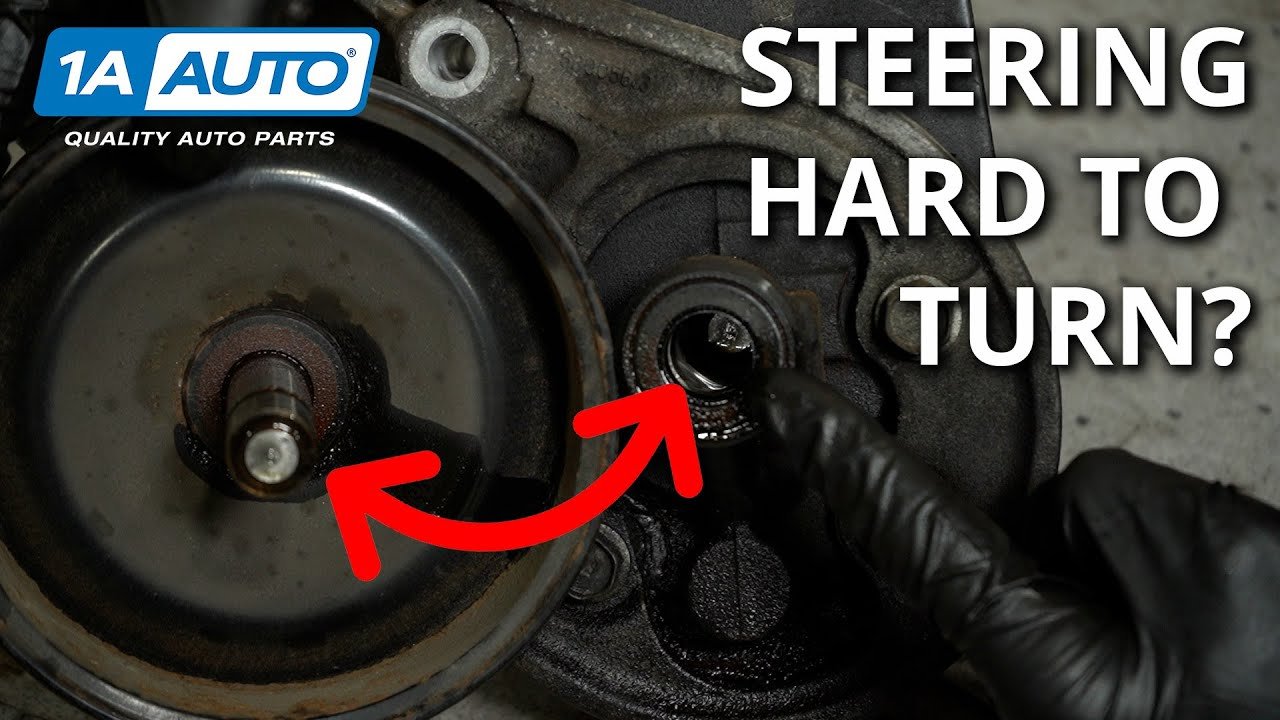
The power steering pump generates the pressure needed for easy steering. If it’s failing, you’ll feel resistance.
- Symptoms: A whining or groaning noise when turning, especially at low speeds.
- Why it happens: Age, lack of maintenance, or contaminated fluid can wear out the pump’s internal parts.
- Fun fact: Most pumps last between 100,000 and 150,000 miles, but poor maintenance can shorten their life.
Practical tip: If you notice the noise gets louder over time, the pump is likely close to failing completely.
3. Serpentine Or Drive Belt Problems
The serpentine belt (sometimes called the drive belt) powers the power steering pump. If this belt is loose, worn, or broken, the pump won’t work properly.
- Symptoms: Squealing noise when starting the engine, sudden loss of power steering, or visible cracks on the belt.
- Why it happens: Belts wear out naturally and can slip or break.
- What to do: Check the belt for cracks or looseness. Replace it if needed.
Beginner’s mistake: Many people only check the fluid but forget to inspect the belt, missing the root cause.
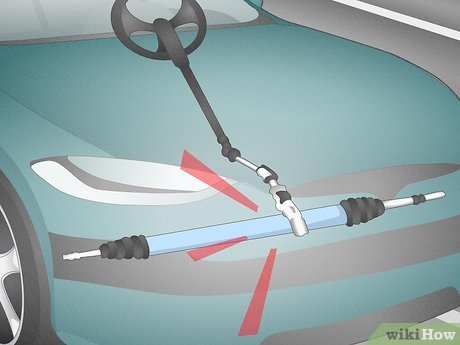
4. Steering Rack Failure
The steering rack connects your steering wheel to the wheels. If it’s damaged, turning becomes difficult, especially at low speeds.
- Symptoms: Stiff steering, especially when starting the car or at low speeds, and sometimes a clunking noise.
- Why it happens: Wear and tear, lack of lubrication, or internal damage.
- Repair cost: Steering rack replacement can be expensive, often $500–$1,500 including labor.
Non-obvious insight: Problems with the steering rack often get worse in cold weather because the lubricant thickens.
5. Faulty Steering Column
The steering column is the shaft that connects your steering wheel to the rest of the steering system. If it bends or the joints inside seize up, steering becomes tough.
- Symptoms: Stiffness or grinding feeling when turning, sometimes accompanied by clicking noises.
- Common causes: Accidents, age, or lack of lubrication.
Expert tip: Lubricating the joints may help, but if the column is bent, replacement is necessary for safety.
6. Tire Pressure Issues
You might not expect this, but low tire pressure can make your steering wheel feel heavy.
- Symptoms: The car feels sluggish when turning, and you may see uneven tire wear.
- Why it happens: Underinflated tires create more friction with the road, increasing resistance.
Simple fix: Check tire pressure monthly, especially before long trips.
7. Suspension Problems
The suspension system supports your car and keeps the wheels in contact with the road. If components like ball joints or control arms are worn, steering becomes harder.
- Symptoms: Uneven steering, clunking noises, and a rough ride.
- Why it happens: Old age, rough roads, or lack of maintenance.
Key point: Suspension issues can quickly lead to tire and steering problems if ignored.
8. Wheel Alignment Issues
If your car’s wheel alignment is off, steering feels heavier and less precise.
- Symptoms: The car pulls to one side, steering feels stiff, and tires wear out unevenly.
- Why it happens: Hitting curbs, potholes, or general wear can knock alignment off.
Non-obvious insight: Misalignment doesn’t just affect steering—it can reduce fuel efficiency by up to 10%.
9. Steering Linkage Damage
The steering linkage is the set of rods and joints connecting the steering rack to the wheels. If any part is bent or broken, turning can become stiff or jerky.
- Symptoms: Stiffness, clunking noises, and uneven response when turning.
- Common causes: Accidents, off-road driving, or hitting large obstacles.
Beginner’s mistake: People often overlook linkage issues because the problem seems “internal,” but even small bends can cause big issues.
10. Contaminated Or Old Power Steering Fluid
Even if you have enough power steering fluid, if it’s dirty or old, the system won’t work efficiently.
- Symptoms: Stiff steering, strange noises, and a dark, burnt smell from the fluid.
- What to do: Flush and replace the fluid every 40,000–80,000 miles, depending on your vehicle.
Practical tip: Always use the type of fluid recommended by your car’s manufacturer.
11. Clogged Power Steering Hose Or Filter
A clogged hose or filter restricts fluid flow, making the steering stiff.
- Symptoms: Inconsistent steering effort, whining noises, or visible fluid leaks.
- Why it happens: Old fluid or debris can block hoses or filters.
Key point: Replacing the filter and flushing the system can prevent this problem.
12. Steering System Air Bubbles
Air in the power steering system can cause the steering wheel to feel hard to turn.
- Symptoms: Groaning noises, inconsistent steering, and sometimes vibrations.
- Why it happens: Leaks or recent repairs can allow air into the system.
How to fix: Bleed the system to remove trapped air.
13. Frozen Steering System (cold Weather)
In cold climates, power steering fluid can thicken, making the steering wheel hard to turn.
- Symptoms: Stiffness only when the car is cold, which improves after warming up.
- Why it happens: Low temperatures affect fluid viscosity.
Non-obvious insight: Using the correct fluid for your climate can prevent this issue.
14. Faulty Power Steering Control Valve
Some cars have a control valve that directs power steering fluid. If this part fails, steering may become stiff or unresponsive.
- Symptoms: Stiff steering, especially at low speeds, and sometimes delayed response.
- Why it happens: Internal wear or contamination.
Beginner’s mistake: Replacing the pump alone won’t help if the valve is the problem.
15. Power Steering System Leaks
Leaks anywhere in the power steering system—in hoses, seals, or the pump—reduce pressure and make steering difficult.
- Symptoms: Low fluid levels, puddles under the car, and increased effort to turn the wheel.
- What to do: Find and fix leaks before refilling fluid, or the problem will return.
Expert tip: Look for red or pink fluid under your car—this often means a power steering leak.
16. Incorrect Power Steering Fluid Type
Using the wrong power steering fluid can damage the system and make the wheel hard to turn.
- Symptoms: Noises, stiffness, and sometimes foaming in the fluid reservoir.
- Why it happens: Different cars require different fluids—always check your manual.
Non-obvious insight: Some fluids are synthetic, while others are mineral oil-based. Mixing them can cause gelling or poor performance.
17. Steering Gearbox Problems (older Vehicles)
Older cars use a steering gearbox instead of a rack-and-pinion system. If the gearbox is worn, you’ll feel resistance or play in the wheel.
- Symptoms: Hard steering, especially at low speeds, and a “loose” feeling.
- Why it happens: Gear wear, lack of lubrication, or internal damage.
Practical tip: Gearbox repairs can be more expensive than on modern cars.
18. Damaged Steering Knuckle
The steering knuckle connects suspension and steering parts. If bent or damaged, steering becomes hard and unpredictable.
- Symptoms: Stiff steering, uneven tire wear, and sometimes vibration.
- Common causes: Accidents or severe impacts.
Beginner’s mistake: Ignoring small impacts can lead to bigger problems later on.
19. Failing Steering Shaft U-joint
The steering shaft U-joint allows the steering column to flex and turn. If it seizes up, the wheel becomes difficult to move.
- Symptoms: Stiffness, clicking noises, and sometimes a “sticky” feeling.
- Why it happens: Rust, lack of lubrication, or age.
Expert tip: Regular inspection and lubrication can prevent U-joint failure.
20. Electronic Power Steering Failure
Many modern cars use electronic power steering (EPS) instead of hydraulic systems. If the electronic system fails, the wheel gets stiff or stops assisting completely.
- Symptoms: Dashboard warning lights, heavy steering, and sometimes loss of power assist.
- Why it happens: Electrical faults, blown fuses, or sensor problems.
Non-obvious insight: EPS systems are sensitive to battery voltage—weak batteries can cause temporary EPS failure.
Comparison Of Common Steering Problems
Here’s a quick look at how some of the most common steering problems compare:
| Cause | Main Symptom | Typical Fix | Repair Cost (USD) |
|---|---|---|---|
| Low Power Steering Fluid | Whining noise, stiff wheel | Refill/Leak repair | $50–$200 |
| Worn Pump | Groaning noise, hard turn | Replace pump | $400–$700 |
| Tire Pressure | Heavy steering, uneven wear | Inflate tires | $0–$20 |
| Steering Rack | Stiff at low speeds, clunking | Replace rack | $500–$1,500 |

Credit: carfromjapan.com
How To Diagnose A Hard-to-turn Steering Wheel
Finding the cause is easier if you follow a step-by-step approach. Here’s a practical method:
- Listen for noises when turning the wheel. Whining or groaning often means pump or fluid issues.
- Check power steering fluid level and color.
- Inspect belts for cracks or looseness.
- Test tire pressure and look for uneven wear.
- Look under the car for leaks or puddles.
- Check for dashboard warning lights, especially if you have electronic power steering.
Pro tip: If you feel a sudden change in steering, stop driving and check immediately. Sudden stiffness can indicate a serious failure.
Preventing Steering Wheel Stiffness
Prevention is always better than repair. Here are key steps to avoid a hard-to-turn steering wheel:
- Check fluid levels monthly.
- Inspect belts every oil change.
- Maintain correct tire pressure.
- Have your alignment checked after impacts or every 12,000 miles.
- Flush power steering fluid every 40,000–80,000 miles.
- Don’t ignore warning signs like noises or leaks.
Credit: www.youtube.com
Steering System Maintenance Schedule
This quick reference chart shows when to check and replace key steering parts:
| Component | Check Interval | Replacement Interval |
|---|---|---|
| Power Steering Fluid | Monthly | 40,000–80,000 miles |
| Serpentine Belt | Each oil change | 60,000–100,000 miles |
| Tire Pressure | Monthly | As needed |
| Steering Rack | Every service | When worn/faulty |
When To See A Mechanic
While some fixes are simple, like topping up fluid or inflating tires, others are more complex. If you have:
- Persistent stiffness even after basic checks
- Leaking fluid under your car
- Unusual noises when turning
- A sudden change in steering feel
It’s best to visit a trusted mechanic. Steering issues affect your safety and should never be ignored.
For more about how power steering works, visit the Wikipedia page on power steering.
Credit: www.wikihow.com
Frequently Asked Questions
Why Is My Steering Wheel Hard To Turn All Of A Sudden?
A sudden stiff steering wheel often means a major problem, like a broken belt or a rapid fluid leak. Check the power steering fluid, belts, and look for warning lights. If you can’t find the cause easily, have your car inspected right away.
Can I Drive With A Hard-to-turn Steering Wheel?
It’s not safe. Hard steering makes it difficult to control your car, especially during emergencies. Driving with this problem can also damage other parts of the steering system.
How Much Does It Cost To Fix A Stiff Steering Wheel?
Costs vary. Simple fixes like adding fluid might be under $50, but replacing a steering rack or pump can cost $500 or more. Getting a diagnosis early can save money by preventing bigger repairs.
Does Cold Weather Make Steering Harder?
Yes, cold weather can thicken power steering fluid, making the wheel harder to turn until the car warms up. Using the correct fluid for your climate can help.
How Often Should I Change Power Steering Fluid?
Most manufacturers recommend changing power steering fluid every 40,000 to 80,000 miles, but always check your owner’s manual for your car’s specific needs.
A stiff steering wheel is more than just an inconvenience—it’s a sign your car needs attention. By understanding the causes, checking your car regularly, and acting quickly when you notice changes, you’ll keep your steering smooth and your driving safe.