
Getting your driver’s license as a teenager is a big step. It means more freedom, but also much more responsibility. One part that’s often ignored? Car maintenance. Many new drivers focus on the rules of the road but forget that a well-maintained car is safer and cheaper to run. If you’re a teenage driver, or you’re guiding one, this guide covers everything you need to know to keep your car in good shape—without feeling overwhelmed.
Learning basic car care now doesn’t just prevent breakdowns. It can save you hundreds of dollars, help you avoid accidents, and even extend the life of your vehicle. Let’s dig into the essentials of car maintenance, tailored for teenage drivers.
Why Teenage Drivers Should Care About Car Maintenance
Most teens worry about passing their driving test, not what’s under the hood. But basic maintenance is just as important as learning how to park. Here’s why:
- Safety: A neglected car can break down or cause accidents.
- Money savings: Small fixes now prevent expensive repairs later.
- Reliability: You don’t want to be stranded before an exam or a big event.
- Responsibility: Learning these skills builds confidence and independence.
Many car problems are easy to prevent. For example, nearly 12% of all car crashes among teens involve vehicle failures that could have been avoided with regular checks (National Highway Traffic Safety Administration).
Essential Maintenance Checks Every Teen Should Know
You don’t need to be a mechanic. But you should know these basic checks and how to do them regularly.
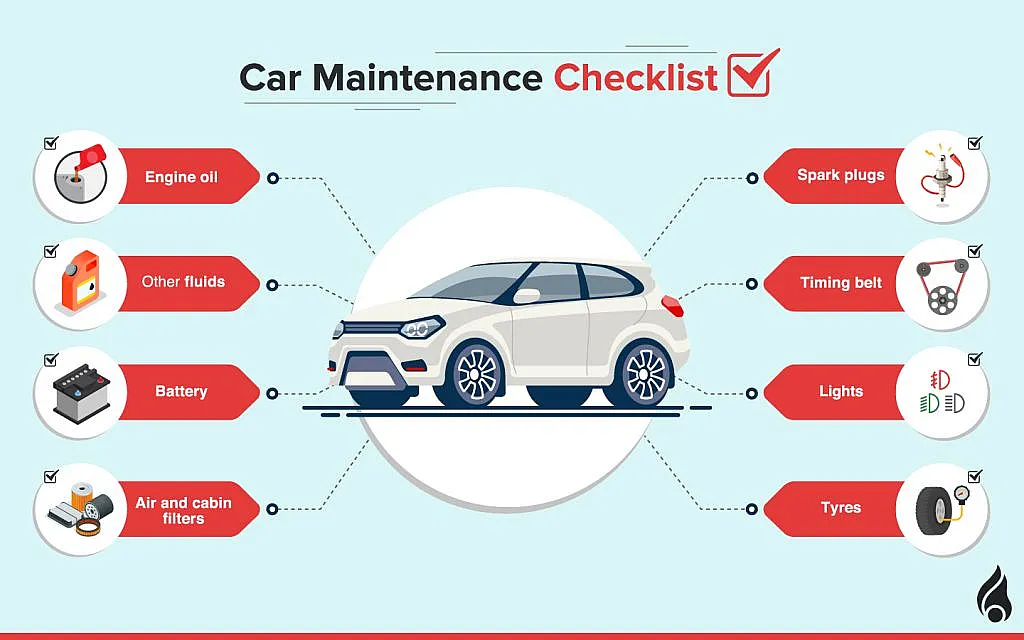
1. Engine Oil
Engine oil keeps your car running smoothly. Check it every month:
- Park on level ground and let the engine cool.
- Pull out the dipstick, wipe it clean, insert, and remove again.
- Oil should be between the two marks. If it’s low or dirty, top up or change it.
Low oil can destroy your engine—one of the most expensive repairs out there.
2. Tire Pressure And Condition
Proper tire pressure is crucial for safety and fuel economy. Check at least once a month:
- Use a pressure gauge (found at gas stations or buy one for under $10).
- Check the recommended pressure (usually on a sticker inside the driver’s door).
- Inspect for cuts, bulges, or worn-out treads.
Under-inflated tires cause poor handling and increase accident risk. Over-inflated ones wear out faster.
3. Coolant/antifreeze
Coolant prevents your engine from overheating or freezing. Always check when the engine is cold:
- Find the coolant reservoir (usually a see-through plastic tank).
- The level should be between the minimum and maximum lines.
Running low? Add a 50/50 mix of water and coolant.
4. Lights And Signals
Burnt-out headlights, tail lights, or turn signals are dangerous—and illegal. Test them every couple of weeks:
- Turn on lights, walk around the car, and check each one.
- Ask a friend to press the brakes while you check brake lights.
Replace bulbs as needed. Most are cheap and easy to swap out.
5. Brakes
Pay attention to brake feel and sound:
- Squealing or grinding noises? Get them checked.
- If the car pulls to one side or the pedal feels soft, it’s time for a mechanic.
Brakes are your most important safety system—never ignore warning signs.
6. Windshield Wipers And Fluid
Good wipers are key for visibility. Replace wiper blades at least once a year or if they leave streaks.
- Check washer fluid regularly and refill with proper fluid (not just water in winter—it can freeze).
7. Battery
A weak battery is one of the top reasons cars won’t start. Look for:
- Corroded terminals (white powder).
- Slow engine crank when starting.
Clean terminals with a brush and baking soda solution. Most batteries last 3-5 years.
8. Belts And Hoses
Check for cracks, fraying, or leaks. If you see damage, visit a mechanic. Most belts and hoses last years, but it’s smart to check every few months.
9. Air Filter
A dirty air filter reduces engine performance and fuel economy. Check it every 12,000 to 15,000 miles. If it looks dark or clogged, replace it—it’s a simple DIY fix.
10. Emergency Kit
Keep these items in your car:
- Spare tire and jack
- Jumper cables
- Flashlight
- First aid kit
- Blanket and water
Preparedness can turn a breakdown into a minor inconvenience.
Credit: www.germaincars.com
How Often Should You Do These Checks?
Here’s a quick reference using a simple table:
| Item | How Often |
|---|---|
| Engine Oil | Monthly |
| Tire Pressure | Monthly |
| Coolant | Every 2-3 months |
| Lights/Signals | Monthly |
| Brakes | Listen/feel every drive |
| Wipers/Fluid | Monthly |
| Battery | Every 6 months |
| Belts/Hoses | Every 6 months |
| Air Filter | Annually |
| Emergency Kit | Check every season |
The Cost Of Not Maintaining Your Car
Skipping maintenance isn’t just risky—it gets expensive. Here’s what you might pay if you ignore basic care:
| Neglect | Potential Repair Cost |
|---|---|
| Never change oil | $3,000–$7,000 (engine replacement) |
| Ignore worn brakes | $300–$1,000 (rotors, pads, labor) |
| Old battery dies | $100–$400 (towing + battery) |
| Flat tire (no spare) | $75–$150 (roadside help) |

Credit: www.brakemax.com
Basic Tools And Supplies Every Teen Driver Needs
You don’t need a full toolbox. These items cover most basics:
- Tire pressure gauge
- Jumper cables
- Flashlight
- Duct tape (for temporary fixes)
- Gloves
- Simple wrench and screwdriver set
- Owner’s manual (keep in the glove box)
These tools help you handle most minor car problems.
Learning To Change A Tire: Step-by-step
Flat tires are common, but many teens freeze up or call for help. Here’s how to do it safely:
- Find a safe spot. Pull off the road and turn on hazard lights.
- Secure the car. Use the parking brake and put the car in park.
- Get your tools. Spare tire, jack, and lug wrench.
- Loosen lug nuts slightly before lifting the car.
- Lift the car with the jack, following manual instructions.
- Remove the nuts and take off the flat tire.
- Put on the spare and hand-tighten the nuts.
- Lower the car, then fully tighten the nuts in a star pattern.
- Check the spare’s pressure before driving.
Many teens forget to check their spare tire’s pressure—do this every few months so it’s ready when you need it.
What To Do When Warning Lights Come On
Modern cars have many dashboard warning lights. Some are simple, others serious. Here’s a quick comparison:
| Warning Light | What It Means | What to Do |
|---|---|---|
| Oil Pressure | Low/no oil | Stop immediately, check oil |
| Battery | Charging problem | Drive to a shop soon |
| Check Engine | Many possible issues | Get scanned at auto shop |
| Tire Pressure | Low tire pressure | Add air, check for leaks |
Never ignore a red warning light. If you’re unsure, ask a trusted adult or call a repair shop.
Two Common Maintenance Mistakes By Teen Drivers
- Ignoring small problems: A strange noise or warning light often means something simple (like low oil or a loose gas cap), but it can become a big issue if ignored. Always investigate new sounds or lights.
- Relying only on parents: Teens should learn to check basics themselves. Relying on parents for every issue delays learning and can leave you stranded if you’re alone.
How To Track Your Maintenance
A simple notebook or your phone’s notes app is enough. Write down:
- Date and mileage for oil changes, tire rotation, and repairs.
- Note when you check fluids or tires.
- Set calendar reminders for checks.
Some newer cars have digital service logs—check your manual or app.
When To Visit A Mechanic
Not all repairs are DIY. Visit a pro if you notice:
- Persistent leaks under your car
- Strong smells (burning oil, gas, or sweet syrup)
- Engine running rough or making loud noises
- Warning lights that stay on
It’s smart to find a trustworthy mechanic before you need one. Ask for recommendations or check reviews on reputable sites like AAA Auto Repair.
Credit: getdriversed.com
Non-obvious Maintenance Tips For Teens
- Learn your car’s quirks: Every car is a bit different. For example, some cars use synthetic oil and need changes less often. Check your owner’s manual for specifics.
- Practice in daylight: Try changing a tire or checking fluids for the first time in your driveway, not by the side of a busy road at night.
- Keep a spare phone charger in your emergency kit. A dead phone plus a car problem is a bad combo.
Frequently Asked Questions
What Is The Most Important Car Maintenance Task For Teens?
Checking engine oil is the most important. Running out of oil causes the most severe engine damage and is easy to prevent with monthly checks.
How Often Should I Rotate My Tires?
You should rotate tires every 5,000 to 7,500 miles. This helps them wear evenly and last longer. Most oil change shops can do this for a small fee.
Can I Use Water Instead Of Coolant In My Car?
No. Coolant is designed to prevent freezing and overheating. Plain water can freeze in winter or boil away in summer, damaging your engine.
What Should I Do If My Car Battery Dies?
First, try jump-starting the car with jumper cables and another vehicle. If it starts, drive to a shop to test the battery. If it won’t start, call for roadside assistance.
How Can I Tell If My Brakes Need Replacing?
Listen for squealing, grinding, or if the pedal feels soft. If the car takes longer to stop or the brake warning light is on, see a mechanic right away.
Staying on top of car maintenance may seem like a chore at first, but it quickly becomes a habit. Even a few minutes each month can prevent most big problems. Remember, your car is an investment, and learning to care for it now will pay off for years to come.
Safe driving!