
If your car starts making strange noises when you turn the steering wheel or the tires wear out faster than usual, you might have a problem with your tie rod ends. This small part connects your steering system to your wheels, helping you control your car safely. A bad tie rod end can cause many problems, but most drivers do not notice the early signs. Ignoring these symptoms can lead to unsafe driving and expensive repairs. Understanding what to look for gives you the chance to fix the issue before it becomes dangerous.
What Is A Tie Rod End?
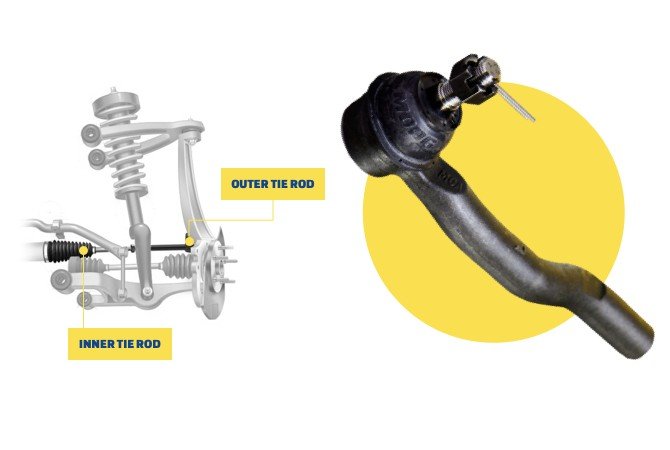
The tie rod end is a key part of your car’s steering system. It connects the steering rack to the steering knuckle on each front wheel. When you turn the steering wheel, the tie rod end moves the wheel left or right. It is designed to handle both up-and-down and side-to-side movement, which is needed for steering and suspension.
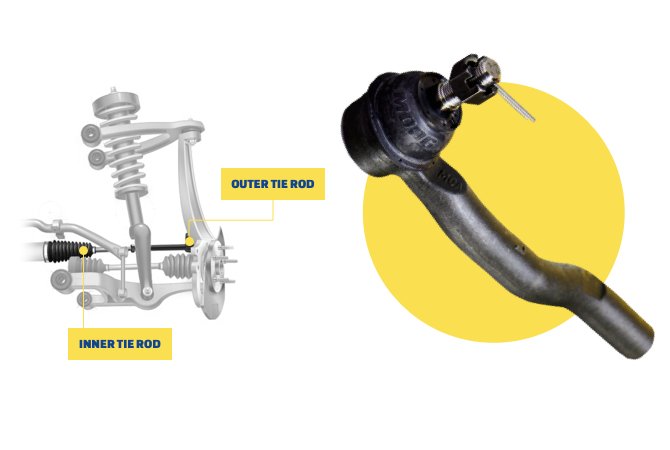
Most vehicles have two tie rod ends: an inner and an outer one on each side. The outer tie rod end is more likely to wear out because it faces more dirt and road conditions.
Why Tie Rod End Problems Are Serious
A failing tie rod end affects your ability to control your vehicle. Over time, a worn tie rod end can break, causing you to lose steering. This is rare, but the risk is serious enough that you should never ignore warning signs.
In some cases, a loose tie rod end can make your wheels point in different directions, making the car hard to control and dangerous at high speeds.
Credit: www.moogparts.com
Common Symptoms Of A Bad Tie Rod End
Recognizing the signs of a bad tie rod end early can save you money and keep you safe. Here are the main symptoms to watch for:
1. Loose Or Unresponsive Steering
One of the first things you may notice is steering looseness. When you turn the steering wheel, the car feels slow to react, or you need to turn the wheel more than usual before the wheels move. This happens because the worn tie rod end creates play in the steering.
A good way to test this: Park your car and gently shake the steering wheel left and right. If there’s a delay or extra movement before the wheels turn, your tie rod ends might be loose.
2. Vibration In The Steering Wheel
A worn tie rod end often causes vibration in the steering wheel, especially when driving at higher speeds. This vibration can feel like a small shake or shimmy. It usually gets worse when you turn or hit bumps.
Not all steering wheel vibrations are caused by tie rod ends, but if this happens together with other symptoms, have your car checked.
3. Uneven Or Rapid Tire Wear
When a tie rod end is bad, your wheels may not stay aligned. This leads to uneven tire wear. You may notice that the inside or outside edge of the tire is wearing out faster than the rest. In some cases, you may even see a “feathered” pattern on the tire surface.
Checking your tires often can help you catch this problem early. If you see unusual wear, ask a mechanic to check your tie rods.
4. Clunking Or Knocking Noises
A clunking noise from the front of your car, especially when turning or driving over bumps, often points to a bad tie rod end. As the joint wears out, it becomes loose, and metal parts hit each other, causing noise.
This noise is not always steady—it may come and go. But if you hear it, do not ignore it. This is a clear sign something is wrong.
5. Vehicle Pulls To One Side
If your car starts to pull to one side while driving, it could mean your tie rod end is failing. A worn tie rod end cannot keep the wheel in the correct position, so the car drifts left or right. You will often notice this more when you let go of the steering wheel briefly (on a safe, straight road).
6. Poor Wheel Alignment
Problems with tie rod ends often lead to wheel alignment issues. After hitting a pothole or curb, if your steering wheel is no longer centered or your car doesn’t drive straight, the tie rods might be damaged. Even after an alignment, if the problem returns, the tie rod ends could be at fault.
7. Squeaking Sounds When Turning
A squeaking or creaking sound when you turn the steering wheel can indicate a dry or worn tie rod end. The joint inside needs grease to move smoothly. When it wears out, it makes noise, especially during slow turns or parking.
8. Difficulty Steering
As the tie rod end gets worse, you may find it harder to steer the car. The steering might feel heavy or stiff, especially at low speeds. This happens because the joint is not moving freely and creates extra resistance.
9. Visible Damage Or Play
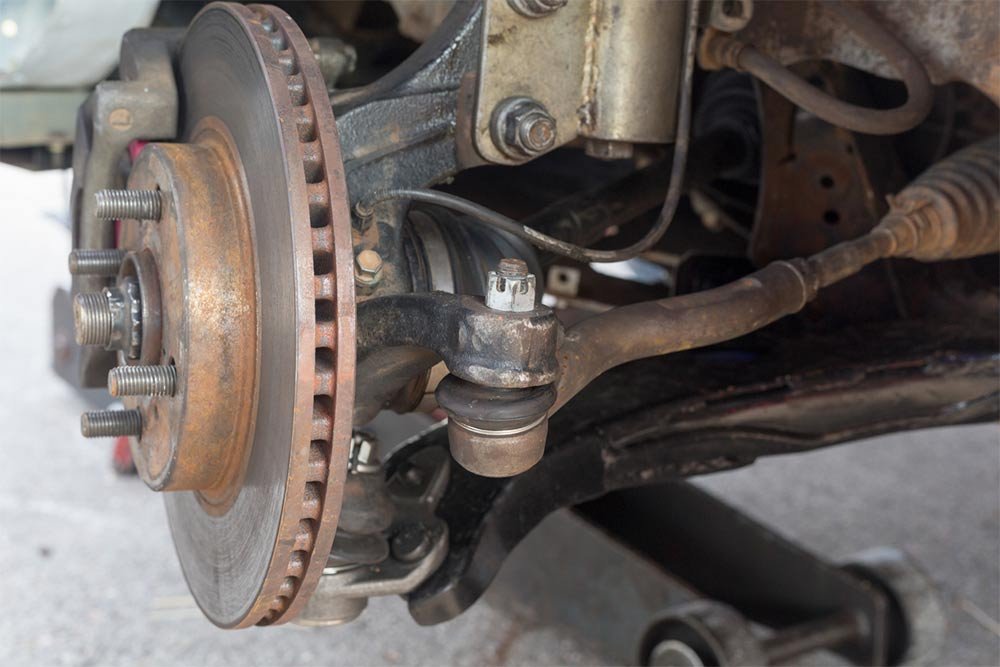
If you check under your car, you may see loose or damaged tie rod ends. Sometimes the rubber boot that covers the joint is torn, or you may see grease leaking out. If you grab the tie rod and it moves up and down or side to side easily, it is worn out.
Mechanics use a special tool to check for play, but even a simple visual check can spot problems.
10. Steering Wheel Off-center
When driving straight, your steering wheel should be centered. If it’s off to one side, it often points to alignment problems, which are sometimes caused by bad tie rod ends. This symptom is easy to notice if you pay attention.
How Tie Rod End Failure Impacts Driving
A bad tie rod end affects more than just the steering. It can lead to:
- Unsafe handling: The car feels unstable, especially during turns or sudden movements.
- Extra tire wear: You may need to replace tires more often.
- Poor fuel economy: Misaligned wheels increase rolling resistance, so the engine works harder.
- Damage to other parts: Continued driving with a bad tie rod end can damage the steering rack or suspension.
Letting this problem go for too long raises repair costs and risks an accident.
Credit: oldoxtire.com
Causes Of Tie Rod End Failure
Tie rod ends do not last forever. Their lifespan depends on:
- Driving conditions: Rough roads, potholes, and frequent off-roading cause faster wear.
- Age and mileage: Most tie rod ends last between 50,000 to 100,000 miles, but heavy use wears them out sooner.
- Lack of lubrication: Some tie rods are sealed, while others need regular greasing. Dry joints wear out faster.
- Accidents or impacts: Hitting a curb or getting into a minor accident can bend or damage the tie rod end instantly.
How To Diagnose A Bad Tie Rod End
If you suspect a problem, do not guess. Here are common ways to check tie rod ends:
- Visual inspection: Look for torn boots, grease leaks, or rust.
- Physical test: Jack up the car and move the wheel side to side by hand. Excess movement means possible tie rod wear.
- Road test: Notice steering response, noises, and vibrations.
- Professional check: Mechanics use special tools to measure play and confirm the problem.
It is best to confirm both inner and outer tie rod ends, as both can fail.
Credit: www.moogparts.com
Tie Rod End Vs. Other Steering Problems
Not all steering issues are caused by tie rod ends. Here’s a quick comparison of common causes:
| Symptom | Possible Cause | How to Tell |
|---|---|---|
| Steering vibration | Tie rod end, unbalanced tires, bad wheel bearings | Check for play in tie rod; swap tires to see if vibration changes |
| Poor alignment | Tie rod end, control arm bushing, bent suspension | Inspect all steering parts for looseness or damage |
| Clunking noise | Tie rod end, ball joint, sway bar link | Noise location and joint movement help identify the part |
If you are unsure, always ask a certified mechanic.
How To Fix A Bad Tie Rod End
Replacing a tie rod end is a common repair. Here’s how most mechanics do it:
- Lift the car and remove the front wheel.
- Loosen the jam nut that holds the tie rod in place.
- Remove the cotter pin and castle nut from the tie rod end.
- Separate the tie rod end from the steering knuckle using a special tool.
- Unscrew the old tie rod end and replace it with a new one.
- Reinstall all nuts and pins securely.
- Get a wheel alignment after replacement.
Even skilled DIYers can replace a tie rod end, but a wheel alignment is always needed after the job.
Cost Of Replacing A Tie Rod End
The price depends on your car model and labor costs in your area. Here’s a rough breakdown:
| Part | Cost Range (USD) |
|---|---|
| Tie rod end (each) | $20 – $100 |
| Labor (per side) | $50 – $150 |
| Wheel alignment | $75 – $120 |
Some cars have more expensive parts, especially luxury or European models.
Preventing Tie Rod End Problems
You cannot avoid all tie rod wear, but you can make them last longer:
- Drive carefully over bumps and avoid potholes when possible.
- Have your alignment checked once a year.
- Inspect steering and suspension during every oil change.
- If you hear noises or feel vibrations, check the tie rods early.
Routine checks and quick fixes save money and keep your car safer.
Two Insights Most Drivers Miss
First, many people do not realize that tie rod ends can wear out even if they do not hear any noise. Early wear often feels like vague steering or minor alignment issues. Second, replacing just one tie rod end may not solve all problems. If one end is bad, the other is often close to failing. Replacing both sides at once is usually smarter and saves on future alignment costs.
When To See A Mechanic
If you notice any symptoms above, do not delay. A mechanic can check your tie rods in minutes. Waiting too long can damage other parts and raise repair bills. Steering and suspension are not places to take risks.
For more details on vehicle steering systems, the Wikipedia page on Tie Rods offers helpful information.
Frequently Asked Questions
What Happens If I Keep Driving With A Bad Tie Rod End?
Driving with a bad tie rod end can lead to loss of steering control. It may also cause severe tire wear and damage other steering parts. In the worst case, the tie rod can break, making the car impossible to steer.
Can I Replace A Tie Rod End Myself?
Yes, if you have basic tools and experience, you can replace a tie rod end at home. However, you must get a wheel alignment after replacement. Without this, your car will not drive straight and tires will wear quickly.
How Long Do Tie Rod Ends Usually Last?
Most tie rod ends last between 50,000 to 100,000 miles. Their lifespan depends on road conditions, driving habits, and maintenance. Rough roads or off-roading can shorten their life.
Is It Safe To Drive With A Little Play In The Tie Rod?
Even a small amount of play in the tie rod end is unsafe. Steering can become unpredictable, and the part can fail suddenly. It is best to repair it as soon as possible.
How Do I Know If The Inner Or Outer Tie Rod End Is Bad?
A mechanic will usually check for play by moving the wheel and feeling which part is loose. Both inner and outer tie rod ends can fail, but the outer one is more likely to wear out first because it faces more road stress.
Replacing tie rod ends when symptoms appear is key to safe, smooth driving. Regular checks and early action keep your car in top condition and help avoid bigger problems later.
