
A noisy rattle under the hood, a check engine light, or poor engine performance can be scary signs for any car owner. Many drivers worry about timing chain replacement because it sounds complex and expensive. But understanding what a timing chain does, why it matters, and how to replace it can help you make smarter decisions and avoid engine damage. This guide will give you clear, step-by-step information about timing chain replacement, including symptoms, costs, tools, and common mistakes. Whether you are a DIY enthusiast or just want to talk knowledgeably with your mechanic, you’ll find practical help here.
What Is A Timing Chain And Why Is It Important?
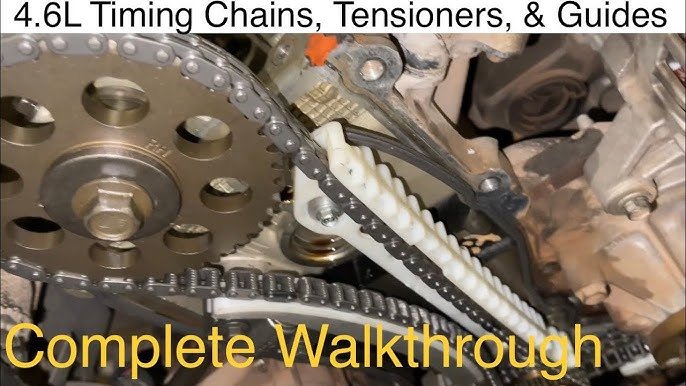
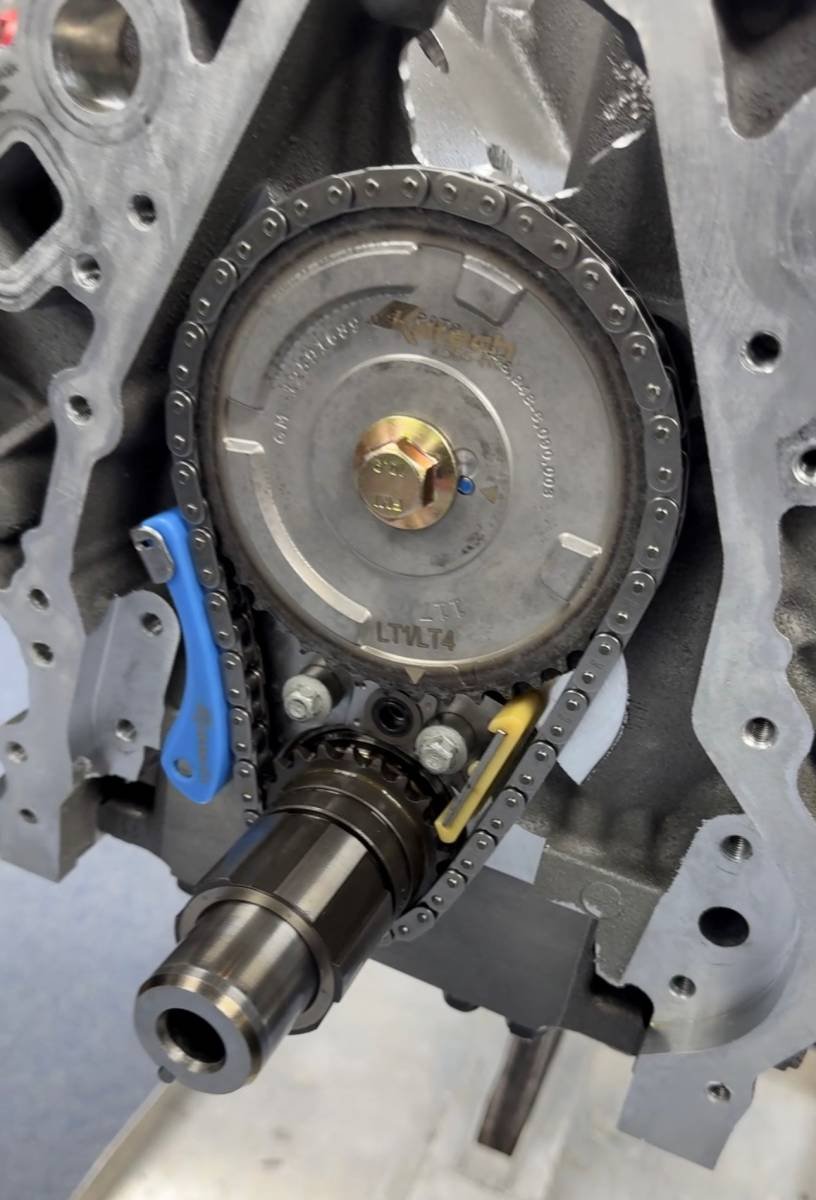
The timing chain is a metal chain inside your engine that connects the crankshaft and the camshaft(s). Its main job is to keep the engine’s valves opening and closing at the right time with each piston movement. If the timing chain is off, the engine can misfire, run badly, or even suffer major internal damage. Unlike timing belts, which are made of rubber and need regular changing, timing chains are built for long life but still wear out over time.
How It Works
- The crankshaft turns as the engine runs.
- The timing chain transfers this motion to the camshaft.
- The camshaft opens and closes the valves at precise times.
- This process keeps fuel and air coming in, and exhaust going out, at the right moments.
Signs Your Timing Chain Needs Replacement
Catching timing chain problems early can save your engine. Here are the most common warning signs:
- Rattling noise from the engine, especially on startup.
- Check engine light turns on.
- Engine misfires or runs poorly.
- Loss of power or poor acceleration.
- Metal shavings in the oil (can be seen during an oil change).
- Engine won’t start or starts hard.
Non-obvious insight: Sometimes, timing chain problems only show under load (when you press the gas hard). Listen for rattles when accelerating, not just at idle.
Credit: www.rhinoalive.com
Timing Chain Vs. Timing Belt: The Key Differences
Many people confuse timing chains and timing belts. They do a similar job, but there are important differences.
| Feature | Timing Chain | Timing Belt |
|---|---|---|
| Material | Metal | Rubber with fiber |
| Typical Lifespan | 150,000–200,000 km | 80,000–120,000 km |
| Location | Inside engine (lubricated by oil) | Outside engine (covered) |
| Maintenance | Less frequent | Regular replacement needed |
| Noise | Louder if worn | Usually quiet |
Why And When Should You Replace The Timing Chain?
Timing chains are designed to last a long time, but they do not last forever. If ignored, a worn timing chain can slip or break, causing the engine’s pistons and valves to collide. This can ruin your engine.
When To Replace
- Manufacturer’s recommendation: Check your car’s manual for specific intervals.
- High mileage: After 150,000–200,000 km, many chains show wear.
- If you notice symptoms: Never ignore warning signs.
- After engine repairs: If the engine is already apart, it’s smart to replace the chain.
Non-obvious insight: If you buy a used car with unclear history, check when the timing chain was last serviced. Some sellers skip this to save money.
Tools And Parts Needed For Timing Chain Replacement
Before starting, gather all the right tools and parts. Missing something can cause delays or mistakes.
Basic Tools
- Socket set (metric and standard)
- Torque wrench
- Screwdrivers
- Pry bar
- Harmonic balancer puller
- Timing light (optional)
- Engine timing kit (for some engines)
Replacement Parts
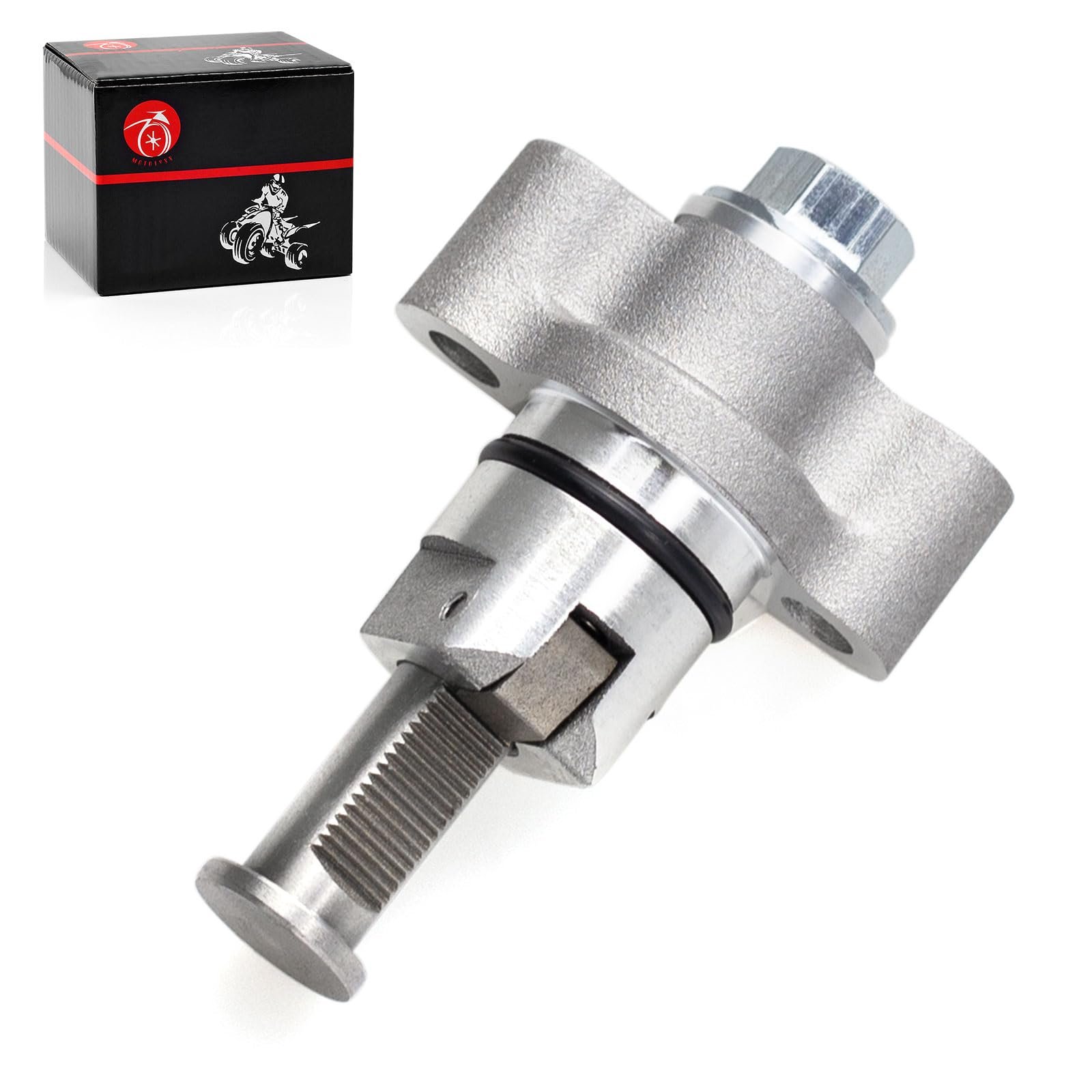
- Timing chain kit (usually includes the chain, guides, tensioner, and sprockets)
- Gaskets (timing cover and valve cover)
- Engine oil and filter
Helpful Extras
- Coolant (if you remove the water pump)
- Sealant for gaskets
- Service manual for your car model
Step-by-step Timing Chain Replacement Process
Replacing a timing chain is not easy, but it’s possible for skilled DIYers. Here’s a step-by-step overview for most engines:
- Disconnect the battery for safety.
- Drain the engine oil and coolant (if needed).
- Remove engine covers and accessories blocking access (belts, pulleys, etc. ).
- Remove the timing cover carefully.
- Align the timing marks on the crankshaft and camshaft.
- Remove the old timing chain (and guides/tensioner if included).
- Install the new chain and components using the marks for correct alignment.
- Double-check timing marks before reassembly.
- Replace gaskets and seals as needed.
- Reinstall all parts and fill fluids.
- Reconnect the battery and start the engine.
Pro Tips
- Take photos as you go for reference.
- Do not turn the crankshaft or camshaft with the chain off—this can damage valves.
- If unsure, use a professional mechanic.
Common Mistakes To Avoid
Many timing chain replacements fail because of small errors. Here are mistakes to watch out for:
- Not aligning timing marks: Even one tooth off can ruin your engine’s timing.
- Reusing old tensioner or guides: These wear out too. Always use new parts from the kit.
- Forgetting to torque bolts correctly: Too loose or too tight can lead to leaks or breakage.
- Not cleaning gasket surfaces: Dirt or old gasket can cause oil leaks.
- Skipping oil and coolant changes: Fresh fluids protect your engine after repair.
Cost Of Timing Chain Replacement
The price for timing chain replacement varies widely by car make, model, and location.
Typical Cost Breakdown
| Cost Item | DIY Price Range | Mechanic Price Range |
|---|---|---|
| Timing Chain Kit | $80–$300 | Included in labor |
| Gaskets and Fluids | $40–$100 | Included in labor |
| Labor | Free (your time) | $400–$1200 |
| Total Cost | $120–$400 | $500–$1500+ |
Pro tip: Luxury cars and V6/V8 engines cost more because the job is harder and takes more time.
Credit: www.youtube.com
Should You Diy Or Hire A Mechanic?
Replacing a timing chain is a big job. Here’s how to decide if you should try it yourself or let a pro handle it.
Diy Replacement
Advantages:
- Save money on labor.
- Learn valuable skills.
Challenges:
- Needs advanced tools and time (5–12 hours for most).
- Mistakes can be costly.
Professional Mechanic
Advantages:
- Experience and proper tools.
- Warranty on work.
Disadvantages:
- Higher cost.
- Need to trust the shop.
If you have little engine repair experience, it’s safer to use a trusted mechanic. But if you are skilled and have the right tools, DIY can save money.
Maintenance Tips To Extend Timing Chain Life
Taking care of your timing chain can delay the need for replacement and keep your engine healthy.
- Change engine oil regularly. Old oil causes the chain and tensioners to wear faster.
- Use the correct oil type for your car.
- Fix oil leaks quickly. Low oil can starve the chain of lubrication.
- Listen for new noises. Catch problems early.
- Follow your car’s service schedule.
Expert insight: Some modern engines use variable valve timing systems that rely on oil pressure. Clean oil is even more important in these engines. According to AAA’s Approved Auto Repair program, shops that employ ASE-certified or factory-trained technicians must meet strict standards for training, equipment, and customer service.
Real-world Examples And Case Studies
Let’s look at two real-life cases to help you understand timing chain replacement better.
Example 1: 2012 Nissan Altima
This car developed a loud rattle on cold starts at 170,000 km. The owner ignored it. Three months later, the engine failed because the chain slipped. Cost for a new engine: $4,000. If the chain was replaced early ($900), the engine would have survived.
Example 2: 2010 Bmw 320i
The owner noticed a check engine light and slight power loss. The mechanic found metal shavings in the oil. The timing chain was replaced at 130,000 km, and the car ran smoothly afterward. Catching the problem early saved $3,000 in repairs.
Lesson: Early action on timing chain symptoms can save thousands.
How To Choose The Right Timing Chain Kit
Not all timing chain kits are equal. Here’s what to look for:
- Buy for your exact car model and year. Small differences matter.
- Choose reputable brands. Cheap kits can fail quickly.
- Check what’s included: A good kit has the chain, guides, tensioner, and sprockets.
- Read reviews and check for warranty.
Mistake to avoid: Don’t buy a kit just because it’s cheap. Poor-quality parts can cause more damage.
Credit: miltonmeatshop.com
Frequently Asked Questions
How Long Does A Timing Chain Last?
A timing chain often lasts between 150,000 and 200,000 km, but this depends on oil changes and engine design. Some can last the life of the car with good care.
What Happens If A Timing Chain Breaks?
If the timing chain breaks, the engine will stop running. In some engines (interference type), it can cause the pistons and valves to crash into each other, leading to major damage.
Is A Timing Chain Better Than A Timing Belt?
A timing chain is usually more durable than a belt and needs less frequent replacement. However, chains can be noisier and more expensive to replace. The best choice depends on your car’s design.
Can I Drive With A Bad Timing Chain?
Driving with a bad timing chain is risky. If the chain fails, your engine can be ruined. If you notice symptoms, fix the problem quickly.
Where Can I Find More Technical Details?
You can read more about timing chains and engine design on the Wikipedia Timing Chain page for in-depth information.
Replacing a timing chain is challenging, but understanding how it works, the symptoms of trouble, and the repair process can help you avoid disaster and keep your engine running well. Always act early if you notice signs of wear, and use the right parts and tools for a smooth repair.
