
When you get a flat tire, the first question is often, “Can I fix this myself, or do I need a professional?” Most of the time, the answer comes down to two repair methods: tire plug or tire patch. While both can fix a puncture, they work in different ways. Choosing the right one can affect your safety, how long the repair lasts, and even the life of your tire. If you’re not sure which method to trust, or if you want to avoid common mistakes, this guide will help you understand the real differences. You’ll learn how each repair works, when to use them, and what most people get wrong.
How Tire Plug And Tire Patch Repairs Work
Understanding the basics of tire plug and tire patch methods will help you see why their performance is not the same.
Tire Plug
A tire plug is a sticky, rubber strip that is pushed into the hole from the outside of the tire. Once inserted, the plug expands to fill the puncture and seals it. The repair can often be done quickly without removing the tire from the wheel.
- The process usually takes less than 15 minutes.
- Most people can do it with a simple kit in their car trunk.
Tire Patch
A tire patch is a piece of rubber with an adhesive side. To use it, you need to remove the tire from the wheel, find the puncture on the inside, and press the patch onto the inner liner. The adhesive bonds with the rubber, sealing the hole from the inside.
- Patching takes longer because the tire must be removed.
- It requires more tools and usually professional help.
Key Differences Between Tire Plug And Tire Patch
Let’s look at the most important differences that can affect your decision.
| Feature | Tire Plug | Tire Patch |
|---|---|---|
| Repair Location | Outside (from tread) | Inside (liner) |
| Time Needed | 5–15 minutes | 30–60 minutes |
| Tools Required | Basic kit, no tire removal | Professional tools, tire removal |
| Skill Level | Beginner-friendly | Advanced or professional |
- Tire plugs are quick and convenient for emergencies.
- Tire patches are more reliable but need more work.
When To Use A Tire Plug
Choosing a tire plug can be the right decision in some situations, but there are rules.
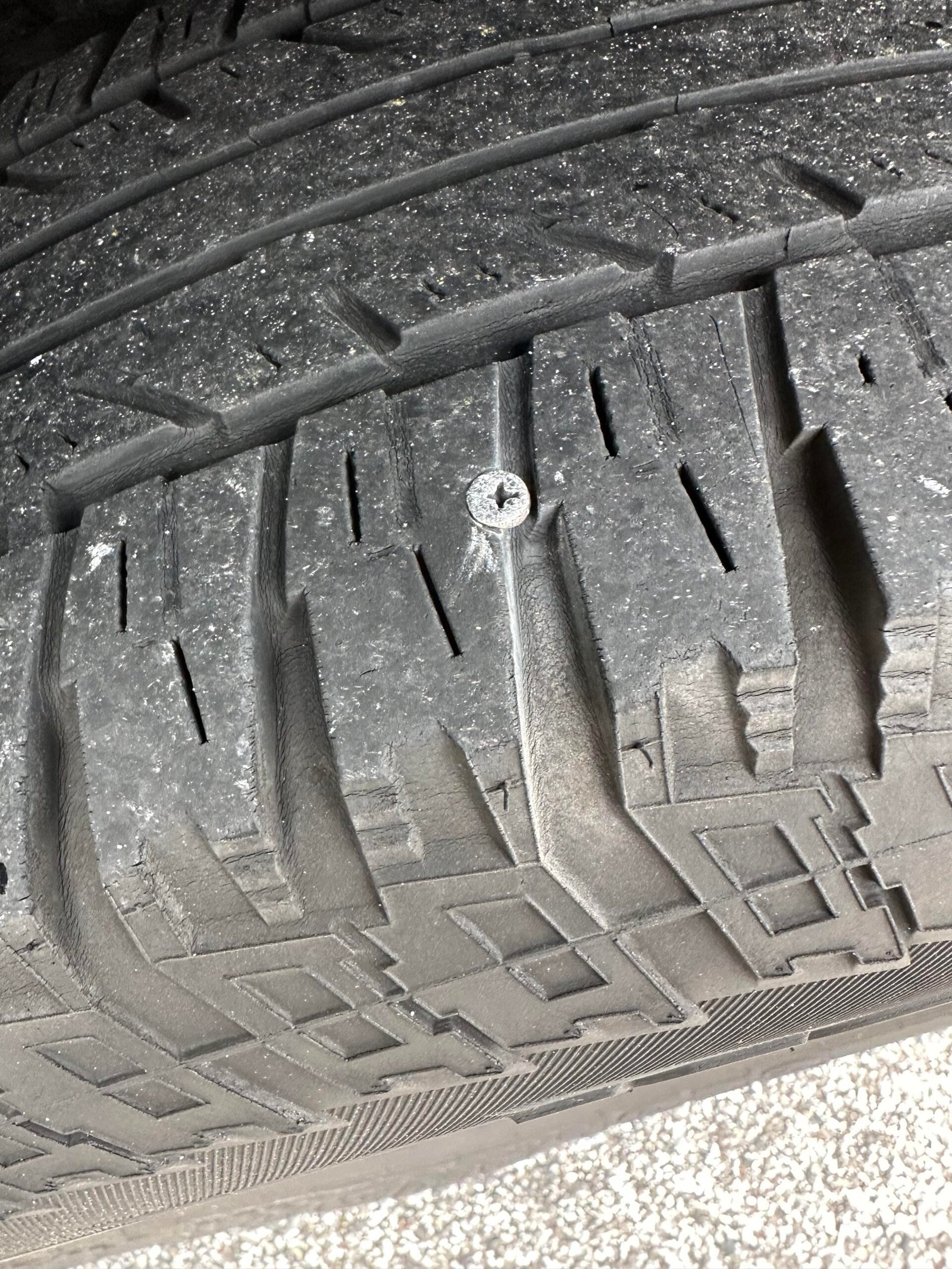
- Size and location: Tire plugs work best for small punctures (usually less than 6mm or 1/4 inch) that are on the tread, not near the sidewall.
- Emergency repairs: If you’re on the road and need a fast fix, a plug can get you to safety.
- Temporary solution: Experts recommend plugs as a short-term repair, not a long-term fix.
A common mistake is leaving a plug repair for months. Over time, air and moisture can still get inside, causing slow leaks or even tire failure.
When To Use A Tire Patch
A tire patch is better for long-lasting repairs, but it’s not always possible.
- Permanent fix: Patches seal the inside liner, which is the air barrier. This means less risk of leaks.
- Larger or tricky holes: Patches can repair slightly larger punctures, but not sidewall or shoulder damage.
- Professional shops: Most tire shops recommend patches for safety and offer warranties for this repair.
An often-missed point: patches work best when the hole is clean and undamaged. If the tire was driven flat for too long, the inside may be shredded and not patchable.
Pros And Cons Of Tire Plug
Looking at the advantages and disadvantages can help you decide if a tire plug is right for you.
Pros
- Fast and easy: You can fix a tire in minutes, even on the roadside.
- Low cost: Plug kits are cheap and easy to store.
- No special tools: Most people can do it without training.
Cons
- Not always permanent: Plugs may let in air or water over time.
- Not for sidewalls: Using a plug outside the tread is dangerous.
- Hidden damage: You can’t see inside the tire, so damage may go unnoticed.
Pros And Cons Of Tire Patch
Patching also has clear strengths and weaknesses.
Pros
- Stronger seal: Patches bond with the inner liner, making leaks less likely.
- Long-term repair: Most patches last the life of the tire if done right.
- Better for insurance/warranty: Many warranties only accept patch repairs.
Cons
- Takes more time: The tire must be removed and reinstalled.
- Costly: Shop labor and tools add to the price.
- Not DIY-friendly: Most people need a professional.

Credit: www.sullivantire.com
Combination Repair: Plug And Patch Together
Few drivers know that the best repair is often a combination: a plug is installed from the outside, and a patch is applied inside. This method is called “plug-patch” or “patch/plug” and is recommended by the U.S. Tire Manufacturers Association.
Why? The plug fills the path of the puncture and blocks moisture, while the patch seals the inner liner. This double action reduces the risk of future leaks and blowouts.
- Most reputable tire shops use this method for safety.
- Some manufacturers may void your warranty if only a plug is used.
Tire Life And Safety: What The Data Says
Studies and field tests show that patches—especially combined with plugs—are safer and last longer. According to the National Highway Traffic Safety Administration, improper tire repairs cause thousands of accidents each year.
- A plug alone can lose up to 20% air in a few months if the puncture is not perfectly sealed.
- Patch repairs, when done right, rarely leak, and maintain tire pressure for years.
A surprising fact: Most blowouts from repaired tires happen because the hole was too close to the sidewall, or the repair was done with a plug only.
Credit: www.reddit.com
Cost Comparison
What about your wallet? Here’s a typical price comparison.
| Repair Method | DIY Cost | Shop Cost | Average Time |
|---|---|---|---|
| Tire Plug | $10–$15 (kit) | $25–$40 | 5–15 min |
| Tire Patch | N/A (needs equipment) | $20–$50 | 30–60 min |
| Plug-Patch Combo | N/A | $35–$60 | 45–75 min |
In short, a tire plug is the cheapest and fastest, but a patch or combo is the safest for long-term use.
Common Mistakes When Repairing Tires
Many drivers make the same errors, which can put them at risk.
- Plugging sidewall punctures: Sidewalls flex a lot, so plugs won’t hold. Never repair a sidewall puncture; replace the tire.
- Ignoring slow leaks: Even a small leak can ruin your tire from inside. If you keep adding air, get it checked.
- Driving on a flat: Even for a short distance, this can destroy the inner liner, making repair impossible.
- Using fix-a-flat sprays as a solution: These can clog sensors and don’t repair the puncture properly.
- Trusting old repairs: Plugs can dry out and crack in hot or cold weather.
Real-world Examples
Let’s see how these methods work in practice.
- Case 1: A driver hits a nail in the city. They use a plug to get home, but after a week, the tire loses pressure again. At the tire shop, a patch is added inside. The tire holds pressure for the next two years.
- Case 2: A delivery van gets a puncture near the edge of the tread. The driver tries a plug, but the shop refuses to patch it because the hole is too close to the sidewall. The tire is replaced.
- Case 3: A taxi with an older plug repair starts to vibrate. The mechanic finds that moisture entered through the old plug, causing the steel belts to rust.
How To Choose The Right Method
Ask yourself these questions:
- Is the hole in the tread area and less than 1/4 inch wide?
- Do you need a quick, emergency fix, or a repair that will last?
- Can you access a tire shop soon, or are you in a remote area?
If in doubt, use a plug to get you home, but plan for a patch repair as soon as possible. For any valuable or high-speed tire, always choose a patch or combination repair.
Tips For Safe Tire Repairs
- Always check the inside of the tire for hidden damage before trusting a repair.
- Use a quality tire pressure gauge to monitor your repaired tire weekly.
- Mark the repaired spot, so you remember to check it over time.
- If you notice bulges, vibrations, or noise, get the tire checked immediately.
Manufacturer Recommendations
Most major tire makers, including Michelin and Goodyear, recommend the plug-patch combination for safety. They warn against plug-only repairs for long-term use, especially on high-speed or loaded vehicles.
For detailed recommendations, you can visit the Wikipedia Tire Repair page.

Credit: www.acg.aaa.com
Frequently Asked Questions
What Is The Main Difference Between A Tire Plug And A Tire Patch?
A tire plug is inserted from the outside to fill the hole, while a tire patch is applied inside the tire after removing it from the wheel. Plugs are faster and easier, but patches are more permanent.
Can You Use A Tire Plug And Patch Together?
Yes, using both together is the safest method. The plug seals the puncture path, and the patch reinforces the inner liner. Many shops and manufacturers recommend this combination.
How Long Will A Tire Plug Repair Last?
A tire plug can last a few weeks to several months if the hole is small and in the tread. However, it is not as reliable as a patch for long-term safety. Regularly check the tire for leaks.
Is It Safe To Drive On A Plugged Tire At Highway Speeds?
It’s not recommended for long periods. Plugs can fail under high heat and speed, especially if not installed correctly. For highway driving, a patch or combination repair is much safer.
Are All Types Of Tire Punctures Repairable?
No. Punctures on the sidewall, shoulder, or larger than 1/4 inch are not safe to repair. In those cases, the tire should be replaced.
Choosing between a tire plug and tire patch depends on your situation, but knowing the strengths, limits, and best practices will keep you safe and save you money in the long run. Always check with a tire professional if you are unsure, and never risk safety for convenience.