
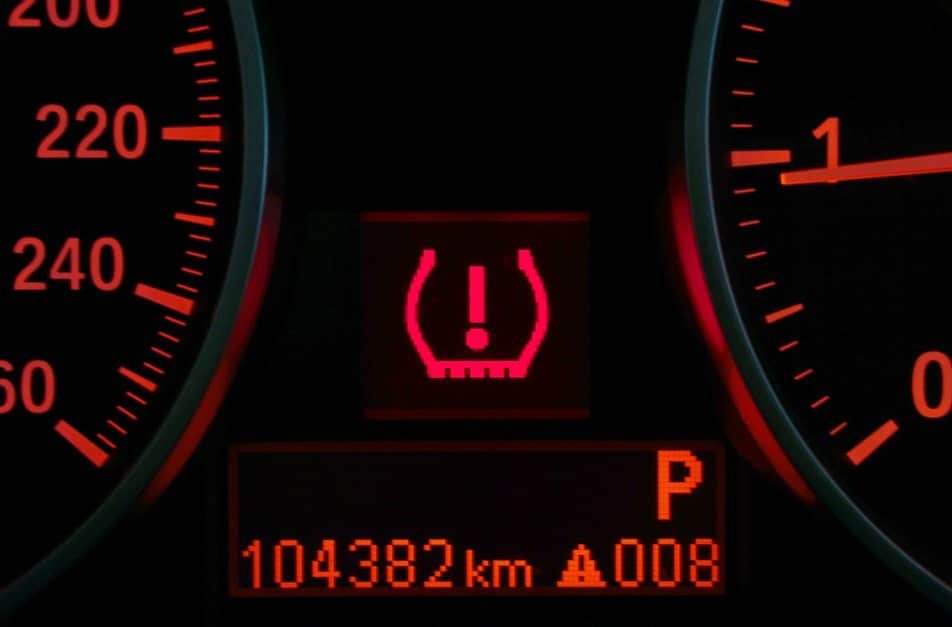
When you’re driving and a yellow or orange exclamation mark suddenly appears on your dashboard, it can be worrying. This is the tire pressure warning light—a small symbol with a big job. It alerts you when one or more of your tires might not have the right amount of air. Many drivers ignore this light or don’t fully understand what it means. But keeping your tires at the correct pressure is not just about comfort. It’s about safety, fuel efficiency, and saving money in the long run.
Let’s look closely at what the tire pressure warning light means, why it turns on, and what you should do when you see it. You’ll also learn how the system works, common mistakes, and expert tips for keeping your car running safely.
What Is The Tire Pressure Warning Light?
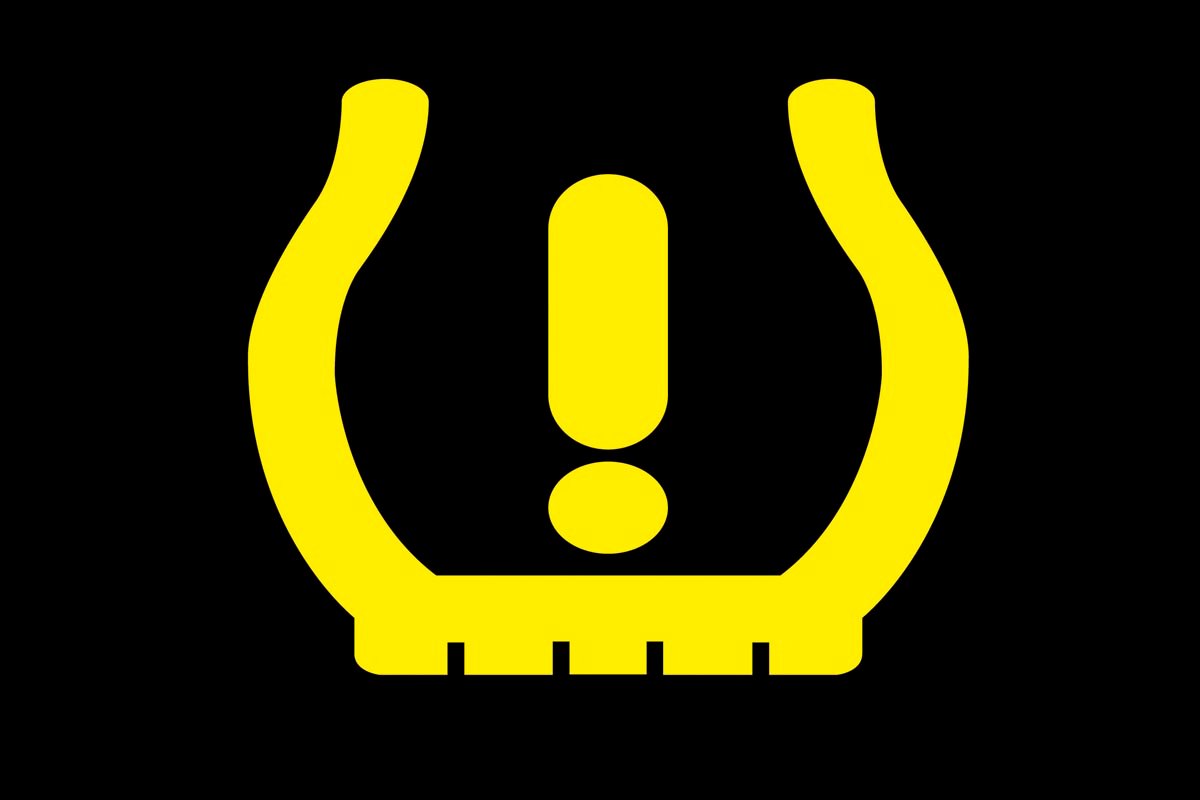
The tire pressure warning light is part of the Tire Pressure Monitoring System (TPMS) in modern vehicles. This light usually looks like a horseshoe with an exclamation point in the center. When it turns on, it means at least one tire is underinflated, or sometimes overinflated, based on the manufacturer’s settings.
Here’s what you should know:
- The TPMS checks the air pressure in your tires automatically.
- If it senses a problem, it triggers the warning light on your dashboard.
- It helps prevent accidents caused by poor tire pressure.
Why Proper Tire Pressure Matters
Maintaining the correct tire pressure is essential for several reasons:
- Safety: Low tire pressure can make your car harder to control and increase the risk of tire blowouts.
- Fuel Economy: Properly inflated tires reduce rolling resistance, saving fuel. Underinflated tires can decrease gas mileage by up to 3%.
- Tire Life: Correct pressure helps tires wear evenly, so they last longer.
- Braking and Handling: Tires with the right pressure grip the road better, especially during emergency stops or on wet roads.
According to the U. S. Department of Transportation, about 11,000 tire-related crashes happen each year in the United States. Many of these could be prevented with the right tire pressure.
Credit: carspecmn.com
How The Tire Pressure Monitoring System (tpms) Works
Your car’s TPMS can be direct or indirect. Understanding the difference helps you take better care of your vehicle.
Direct Tpms
- Each tire has a pressure sensor inside.
- The sensor measures the exact air pressure and sends data to your car’s computer.
- If any tire drops 25% below the recommended pressure, the warning light turns on.
- Some systems even show the exact pressure for each tire.
Indirect Tpms
- Uses the car’s anti-lock brake system (ABS) sensors.
- It does not measure air pressure directly.
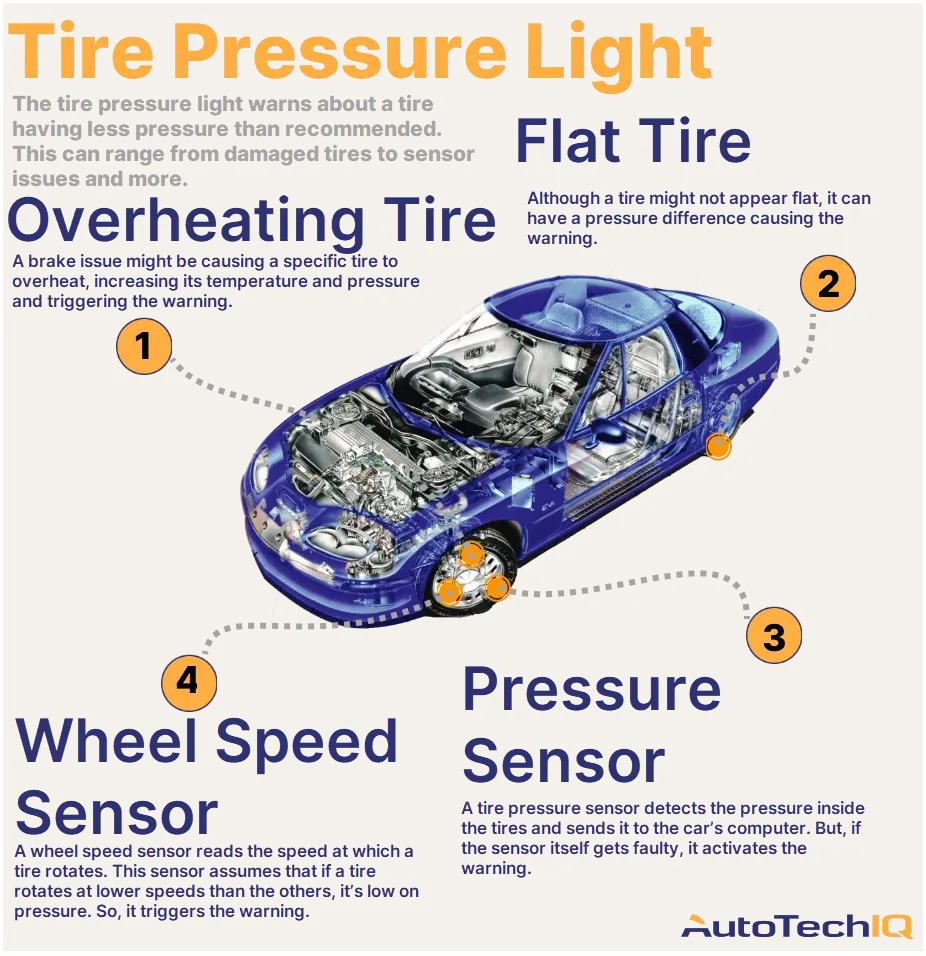
- Instead, it checks how fast each wheel spins. A tire with low pressure is smaller and spins faster.
- Less accurate than direct TPMS, but still alerts you to big problems.
Both systems are designed to warn you before a tire becomes dangerously underinflated.
Common Reasons The Tire Pressure Warning Light Comes On
You may see the tire pressure warning light for several reasons:
- Underinflated Tire: The most common reason. Air escapes naturally over time, or you may have a slow leak.
- Sudden Temperature Drop: Cold air causes tire pressure to drop. For every 10°F decrease, tires can lose about 1 PSI (pound per square inch) of pressure.
- Tire Damage: A nail or sharp object can puncture the tire, causing rapid or slow air loss.
- Faulty Sensor: The TPMS sensor battery may fail, or the sensor itself may break.
- Overinflated Tire: Less common, but some TPMS systems warn if the pressure is too high.
- Seasonal Changes: Switching from summer to winter tires (or vice versa) can affect TPMS calibration.
Credit: www.gotodobbs.com
What To Do When The Tire Pressure Warning Light Turns On
If the tire pressure warning light appears, here’s how to respond:
- Find a Safe Place: Pull over when it’s safe.
- Check Tire Pressure: Use a reliable tire gauge to check all four tires, including the spare if your car monitors it.
- Inflate Tires: Fill any low tires to the recommended pressure. This information is usually inside the driver’s door or in your car’s manual.
- Look for Damage: Inspect each tire for nails, cuts, or bulges.
- Reset the TPMS (if needed): Some cars require you to reset the system after fixing the issue.
- Visit a Professional: If the light stays on after you’ve checked and inflated your tires, have a mechanic inspect the system.
Example Scenario
Imagine you parked your car overnight, and the temperature dropped by 20°F. The next morning, your TPMS light is on. When you check your tires, you find they’re all about 3 PSI lower than the recommended level. After inflating them, the light goes off.
Reading The Tire Pressure Warning Light: What Different Signals Mean
The warning light can behave differently, depending on the situation. Here’s what the signals usually mean:
| Light Behavior | What It Means | Action Needed |
|---|---|---|
| Light stays on | One or more tires are underinflated | Check and inflate tires |
| Light flashes for a minute, then stays on | TPMS system problem (sensor or circuit) | See a mechanic |
| Light blinks briefly, then goes off | Temporary low pressure (often due to temperature) | Monitor tires, check pressure soon |
Knowing these signals helps you react correctly and avoid unnecessary worry or delays.
How To Check And Adjust Tire Pressure
Checking tire pressure is simple, but many people don’t do it often enough. Here’s how:
- Buy a digital or analog tire gauge for accuracy.
- Find the recommended pressure (PSI) on the driver’s door sticker or in your manual.
- Remove the valve cap from each tire.
- Press the gauge onto the valve stem firmly until it reads.
- Compare the reading to the recommended pressure.
- Add air if needed, or release air if overfilled.
- Replace the valve cap.
Check your tires at least once a month and before long trips. Don’t forget the spare tire if your car monitors it.
Common Mistakes Drivers Make With The Tire Pressure Warning Light
Many drivers misunderstand or ignore this important warning. Here are some mistakes to avoid:
- Ignoring the Light: Some think it’s not urgent. Low tire pressure can cause dangerous blowouts.
- Only Checking One Tire: The problem could be with any tire. Always check all four (and the spare).
- Trusting Visual Inspection: Tires can look fine but still be underinflated. Always use a gauge.
- Overfilling Tires: Too much air is also unsafe and can make your car handle poorly.
- Resetting the TPMS Without Fixing the Problem: The light should only be reset after correcting the pressure.
- Not Checking After Temperature Changes: Cold weather can lower tire pressure overnight.
- Assuming the System Is Always Right: TPMS sensors can fail. If the light stays on after adding air, get the system checked.
Credit: www.autotechiq.com
The Difference Between Tpms And Manual Tire Checks
While the TPMS is helpful, it’s not a perfect substitute for manual checks. Here’s a quick comparison:
| TPMS | Manual Check |
|---|---|
| Automatic alerts when pressure drops significantly | Can check anytime, even for small changes |
| Does not always warn about slow leaks | Detects even small pressure losses |
| Can fail if sensors or batteries die | Relies on your attention |
| Easy to use, no tools required | Requires a tire gauge |
A smart approach is to use both methods: rely on TPMS for quick alerts, but also check pressure manually at least once a month.
Non-obvious Insights About Tire Pressure Warning Systems
Most people know the basics, but here are two details beginners often miss:
1. TPMS Does Not Replace Regular Tire Maintenance
Even with TPMS, you still need to rotate your tires, check for uneven wear, and inspect for nails or cuts. TPMS only monitors air pressure, not tire health.
2. TPMS Sensor Batteries Can Fail
The sensors inside your tires use batteries that usually last 5–10 years. When these batteries die, the system may show a warning even if your tire pressure is fine. Replacing these batteries often means replacing the whole sensor. According to the National Highway Traffic Safety Administration, properly maintained tires at the correct pressure improve safety, handling, and fuel economy.
How To Prevent Tire Pressure Problems
Taking a few easy steps can help you avoid seeing the tire pressure warning light:
- Check your tire pressure every month.
- Inspect tires for visible damage or uneven wear.
- Avoid hitting potholes and curbs, which can damage tires and sensors.
- Replace tires before they become too worn.
- After a tire rotation or replacement, make sure the TPMS is reset if your car requires it.
The Impact Of Tire Pressure On Driving Experience
Driving with the correct tire pressure makes your car feel stable and smooth. You’ll notice better steering response, especially in bad weather. On the other hand, low or high pressure can cause vibration, pulling to one side, or increased stopping distance.
These issues can make driving stressful and even dangerous.
According to a study by the National Highway Traffic Safety Administration, vehicles with at least one tire underinflated by more than 25% are three times more likely to be involved in a crash. That’s a big risk for a small warning light.
When To Seek Professional Help
If your tire pressure warning light stays on after you inflate your tires, or if the light flashes, you should visit a trusted mechanic. Possible issues include:
- A damaged TPMS sensor
- Wiring or computer problems in the system
- A slow or hidden leak in a tire
A professional can diagnose and fix these issues, keeping you safe on the road.
How Tire Pressure Warning Light Differs By Car Brand
Some carmakers design their tire pressure systems differently. For example:
- Toyota and Honda: Often use indirect TPMS, which may need recalibration after tire changes.
- BMW and Mercedes-Benz: Usually have direct TPMS and may show the exact pressure for each tire.
- Ford and GM: Many models use direct TPMS, but older vehicles might not have it.
Check your car’s manual for details on how your system works.
Frequently Asked Questions
What Does It Mean If The Tire Pressure Warning Light Comes On And Then Goes Off?
Often, this means your tire pressure is near the threshold. For example, it may be low in the morning when it’s cold and return to normal as the tires warm up. You should still check your pressure to be safe.
Can I Drive With The Tire Pressure Warning Light On?
It’s best not to. Driving with low tire pressure increases the risk of a blowout and can damage your tires. Check and inflate your tires as soon as possible.
How Do I Reset The Tire Pressure Warning Light?
The process depends on your car. Some vehicles reset automatically after inflating the tires. Others need you to press a reset button or follow steps in the owner’s manual. If the light stays on, there may be a system fault.
Will The Tpms Warn Me If My Tire Has A Slow Leak?
Not always. TPMS often only warns when the pressure drops by 25% or more. Small or slow leaks may not trigger the light immediately, so regular manual checks are important.
Where Can I Find More Technical Details About Tpms?
You can find detailed information about TPMS technology, regulations, and how systems work on the Wikipedia TPMS page.
Staying aware of your tire pressure warning light—and acting quickly when it appears—can save you from accidents, costly repairs, and wasted fuel. By understanding what this light means and how your TPMS works, you’ll be a safer and smarter driver on every journey.
