
The Toyota Camry is one of the most popular midsize sedans in the world. Known for its reliability, comfort, and value, it has won the hearts of millions of drivers. However, no car is perfect. Over the years, different Camry models have shown specific problems. Understanding these issues by year can help buyers make better decisions, save money on repairs, and keep their cars running smoothly.
Many people believe every Camry is trouble-free, but some years had more problems than others. Some issues are minor and inexpensive, while others can be costly or even dangerous if ignored. This article takes a close look at common Toyota Camry problems by model year, explains why they happen, and gives practical advice for owners and buyers.
Early Years: Camry Issues From The 1990s
The 1990s Camry models built the car’s reputation for dependability. Still, several years had recurring problems.
- 1992–1996 Camry: Many owners reported engine oil leaks. This usually came from worn-out valve cover gaskets or camshaft seals. If ignored, oil leaks can damage engine parts and cause higher repair bills.
- 1994–1996 Camry: Some vehicles had transmission failures around 100,000 miles. Owners noticed harsh shifting or slipping gears. Regular transmission fluid changes helped reduce this risk, but repairs could be expensive.
- 1997–1999 Camry: The new generation brought engine sludge buildup. This sticky residue forms when oil breaks down and can block oil passages. Sludge reduces engine life and causes overheating. Toyota later improved engine design, but these years need careful oil changes.
Non-obvious insight: Many early Camrys lasted over 200,000 miles, but only with strict maintenance. Skipping oil changes doubled the risk of engine trouble.
2000–2006: The “sludge Years” And Other Recurring Problems
- 2000–2001 Camry: Engine oil sludge reached its peak, especially in V6 engines. Short trips and infrequent oil changes made it worse. Toyota offered extended warranties for repairs, but many owners paid out of pocket.
- 2002–2006 Camry: The fifth generation saw strut mount failures. Drivers heard clunking noises over bumps. While not dangerous, it made the ride less comfortable and repairs cost several hundred dollars.
- 2002–2004 Camry: Power window switch failure became common. The driver’s window switch would stop working, often due to water entering the electrical contacts.
Data Table: Main Problems In 2000–2006 Camry Models
| Year Range | Main Problem | Repair Cost (Approx.) |
|---|---|---|
| 2000–2001 | Engine Oil Sludge | $1,200–$2,500 |
| 2002–2006 | Strut Mount Failure | $350–$800 |
| 2002–2004 | Power Window Switch Failure | $150–$300 |
Non-obvious insight: Many Camry owners didn’t realize that using synthetic oil helped prevent sludge, even if the manual only mentioned conventional oil.
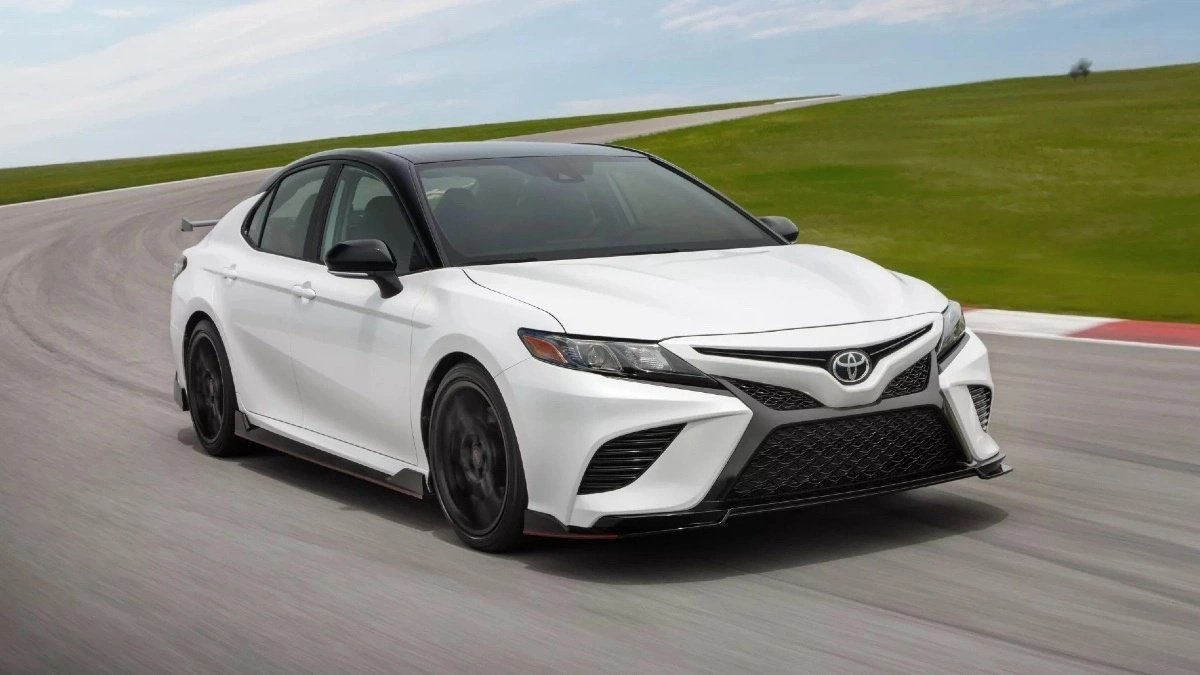
Credit: www.motorbiscuit.com
2007–2011: Transmission And Engine Problems
This generation introduced new engines and transmissions, but not without problems.
- 2007–2009 Camry: The 2.4L four-cylinder engine was prone to excessive oil consumption. Some cars used up to 1 quart every 1,000 miles. Toyota released technical service bulletins, but many owners had to pay for engine repairs or replacements.
- 2007–2011 Camry: Automatic transmission hesitation was a widespread complaint. Drivers noticed a delay when shifting from park to drive, or hesitation during acceleration. Software updates sometimes helped, but not always.
- 2010–2011 Camry: Reports of steering vibration at highway speeds. This was often caused by out-of-balance tires, but sometimes by worn suspension parts.
Comparison Table: Key Problems In 2007–2011 Camry
| Year | Engine Issue | Transmission Issue | Other |
|---|---|---|---|
| 2007–2009 | Excessive Oil Use | Hesitation | Interior Rattles |
| 2010–2011 | Oil Use (less common) | Hesitation | Steering Vibration |
Practical tip: Always check engine oil every 1,000 miles on 2007–2009 models, even if the car seems to run fine.
2012–2017: Electrical And Safety Concerns
Toyota improved the Camry’s performance and design, but new technology brought new problems.
- 2012–2014 Camry: Air conditioning failure was common. The AC compressor or condenser would stop working, usually in hot weather. Repairs could cost over $1,000.
- 2012–2015 Camry: Many drivers complained about dashboard melting or becoming sticky in hot climates. This was both ugly and dangerous because shiny surfaces reflected sunlight into drivers’ eyes.
- 2015–2017 Camry: Infotainment system glitches appeared. The touch screen would freeze, or Bluetooth would disconnect suddenly. Software updates sometimes helped, but hardware replacements were sometimes needed.
Non-obvious insight: Dashboard melting was much more common in southern states, but many owners outside these areas did not know about Toyota’s extended warranty for this issue.
Credit: www.youtube.com
2018–2023: Modern Problems In Recent Camrys
The latest Camry models are packed with advanced safety and infotainment features. However, even these newer cars have some recurring issues.
- 2018–2019 Camry: Owners reported fuel pump failure. Toyota recalled thousands of vehicles to replace bad pumps, which could cause stalling or no-start conditions.
- 2018–2021 Camry: Some vehicles had transmission rough shifting. Drivers noticed hard or delayed gear changes, usually in cold weather or after software updates.
- 2020–2023 Camry: Brake pedal vibration and premature brake wear became common. Many owners needed to replace brake pads and rotors earlier than expected.
Data Table: Problem Frequency In Recent Camry Models
| Year | Major Complaint | Estimated Repair Frequency (per 1,000 vehicles) |
|---|---|---|
| 2018–2019 | Fuel Pump Failure | 15 |
| 2018–2021 | Transmission Issues | 8 |
| 2020–2023 | Premature Brake Wear | 12 |
Non-obvious insight: Many owners did not know that Toyota extended the fuel pump warranty for affected models—checking your VIN for open recalls can save you money.
How To Avoid And Handle Common Camry Problems
Buying a used Camry is usually a smart move, but understanding these problems can help you avoid costly mistakes.
- Check service history: Cars with regular oil changes and documented maintenance are less likely to have engine or transmission problems.
- Inspect for recalls: Always check if the car was repaired for major recalls, such as fuel pump or airbag issues.
- Test drive carefully: Listen for unusual noises, check for smooth shifting, and test all electronics and AC.
- Ask about extended warranties: Some problems, like dashboard melting or fuel pumps, may be covered by Toyota even after the standard warranty.
- Budget for repairs: Even reliable cars need maintenance. Set aside money for things like brakes, suspension, and electronics.
Credit: beckerservicecenter.com
Years To Approach With Caution
While the Camry is dependable overall, some years are known to be more problematic. Based on owner reports and repair data, approach these years with extra care:
- 2007–2009: Engine oil consumption is common and costly to fix.
- 2012–2014: Air conditioning and dashboard melting issues are expensive.
- 2018–2019: Fuel pump failure can leave you stranded.
If you are considering these model years, check for repairs and consider a pre-purchase inspection by a trusted mechanic.
Why Some Camrys Last Longer Than Others
Not all Camrys experience these problems. Owners who perform regular maintenance, use quality fluids, and address small issues early often reach 250,000 miles or more. Camrys that are neglected, driven in extreme conditions, or repaired with low-quality parts tend to have more problems.
Experience-based tip: Even if your Camry drives perfectly, do not ignore warning lights or unusual noises. Small issues, if fixed quickly, cost less and keep your car reliable.
When To Consider A Different Year Or Model
If you want to avoid the most common problems, consider the following:
- Best years for reliability: 2011, 2015, 2017, and 2022 have the fewest reported issues.
- Hybrid models: Camry Hybrids are reliable but have unique battery and brake concerns. These are less common but can be more expensive to repair.
Toyota’s Efforts To Fix Problems
Toyota is known for listening to customers and fixing issues. Over the years, the company has issued recalls, extended warranties, and improved designs. Always check Toyota’s official recall site or the NHTSA database for updates on your Camry.
Frequently Asked Questions
Which Toyota Camry Years Are Most Reliable?
The 2011, 2015, 2017, and 2022 Camry models are widely seen as the most reliable. These years have the fewest complaints about engine, transmission, and electrical issues.
How Can I Check If A Camry Has Open Recalls?
You can visit the NHTSA recall database or Toyota’s official website. Enter your car’s VIN to see open recalls. Dealers will repair safety recalls for free.
Is Camry’s Excessive Oil Consumption Dangerous?
Yes, if ignored, excessive oil consumption can lead to engine damage. Always check your oil often in affected years (especially 2007–2009). Add oil as needed and fix leaks or worn piston rings quickly.
What Is The Main Cause Of Dashboard Melting?
Dashboard melting in the 2012–2015 Camry is caused by sun and heat breaking down the plastic. Toyota offered extended coverage in some regions. Parking in the shade and using sunshades helps prevent further damage.
Are Camry Hybrids More Reliable Than Regular Models?
Camry Hybrids are very reliable but can have issues with the hybrid battery or brake system. These repairs are rare but more expensive. Most owners find Hybrids just as dependable as regular Camrys if maintained well.
The Toyota Camry remains a top choice for a used sedan, but knowing common problems by year helps you buy smarter and keep your car on the road for many years.