
When your car’s transmission does not shift properly, it can be stressful and confusing. The transmission is one of the most important parts of any vehicle. It controls how power moves from the engine to the wheels. If the transmission doesn’t work as it should, you might notice strange noises, jerky movements, or even find yourself stuck in one gear. These problems can cause unsafe driving and expensive repairs if not fixed quickly.
Understanding why a transmission fails to shift is the first step to solving the problem. Some issues are simple, while others need expert help. Many drivers don’t know the signs of transmission trouble until it becomes serious. This article will guide you through the causes, symptoms, diagnosis, and solutions for a transmission that’s not shifting properly.
By the end, you’ll feel more confident about what to do next.
Common Causes Of Transmission Not Shifting Properly
If your transmission isn’t shifting right, several things could be wrong. Knowing these causes can help you decide if you can fix it yourself or need a mechanic.
1. Low Transmission Fluid
Transmission fluid lubricates, cools, and helps with smooth gear changes. If the fluid is low, gears may slip, shift late, or not shift at all. Sometimes, leaks cause low fluid levels. Always check the transmission fluid first.
2. Dirty Or Old Transmission Fluid
Fluid that’s dirty or old loses its ability to protect the transmission. It may cause slow or harsh shifting. Changing the fluid can solve many shifting problems.
3. Faulty Shift Solenoids
Shift solenoids control how and when gears change. If a solenoid fails, the transmission may skip gears, stay in one gear, or shift roughly. Solenoids often fail due to electrical or mechanical issues.
4. Worn Clutch (manual Transmission)
Manual transmissions use a clutch to shift gears. If the clutch is worn, gear changes may feel rough or impossible. Slipping or sticking clutches need replacement.
5. Damaged Transmission Bands
Bands inside the transmission help with gear changes. If they wear out or break, shifting problems can happen. Sometimes, adjusting the bands helps, but often they need replacement.
6. Malfunctioning Torque Converter
The torque converter connects the engine to the transmission. If it fails, the car may not move or shift smoothly. Symptoms include shuddering, slipping, or delayed shifts.
7. Electronic Control Unit (ecu) Issues
Modern cars use computers to control shifting. If the ECU has a fault or software glitch, the transmission may not shift right. Resetting or updating the ECU can fix some problems.
8. Cable Or Linkage Problems
Manual transmissions use cables or linkages to connect the gear lever to the transmission. If these parts stretch, break, or come loose, you won’t be able to shift gears easily.
9. Vacuum Problems (older Cars)
Older automatic transmissions use vacuum lines to help shift gears. Leaks or broken vacuum lines cause shifting problems.
10. Worn Or Broken Gears
If the internal gears are damaged, the transmission may not shift or may slip between gears. This often needs a complete rebuild.
Signs Your Transmission Is Not Shifting Properly
Spotting the signs early can save you time and money. Some symptoms are obvious, but others are easy to miss.
- Delayed Shifting: Gear changes take longer than normal, especially when accelerating.
- Slipping Gears: The transmission unexpectedly moves from one gear to another.
- Rough or Jerky Shifts: Each shift feels harsh or causes a jerk.
- Stuck in One Gear: The vehicle won’t shift out of first, second, or another gear.
- Unusual Noises: Clunking, whining, or grinding sounds during gear changes.
- Warning Lights: The check engine or transmission warning light appears.
- Burning Smell: Overheated fluid can produce a burnt odor.
- Fluid Leaks: Red or brown fluid under your car may indicate a leak.
Some drivers ignore these signs, hoping they’ll go away. But even small issues can lead to bigger problems.
Diagnosing Transmission Shifting Problems
Finding the cause is important before deciding on repairs. Here are steps you can take:
1. Check The Transmission Fluid
Look at the fluid level and condition. It should be between the minimum and maximum marks and look clear, not dark or gritty.
2. Listen For Noises
Try shifting gears while parked. Listen for clunking or grinding. This can help find mechanical issues.
3. Watch For Warning Lights
Modern cars have sensors. If a light appears, use an OBD-II scanner to read the error codes.
4. Test Drive
Drive at different speeds and in different gears. Notice if shifting feels delayed, rough, or stuck.
5. Inspect Cables And Linkages
For manual transmissions, check if the gear lever feels loose or hard to move. Look for broken or stretched cables.
6. Check For Fluid Leaks
Look under the car for fluid spots. Transmission fluid is usually red or brown.
7. Review Maintenance History
If the fluid hasn’t been changed in years, this might be the cause.
Automatic Vs. Manual Transmission: Key Differences
Transmission problems can depend on the type. Here’s a simple comparison:
| Feature | Automatic Transmission | Manual Transmission |
|---|---|---|
| Shifting Method | Computer/Electronics | Driver-operated |
| Common Issues | Solenoids, fluid, ECU | Clutch, cables |
| Repair Cost | Usually higher | Usually lower |
| Symptoms | Delayed, rough shifts | Stuck gears, grinding |
Understanding your transmission type helps in troubleshooting and repair decisions.
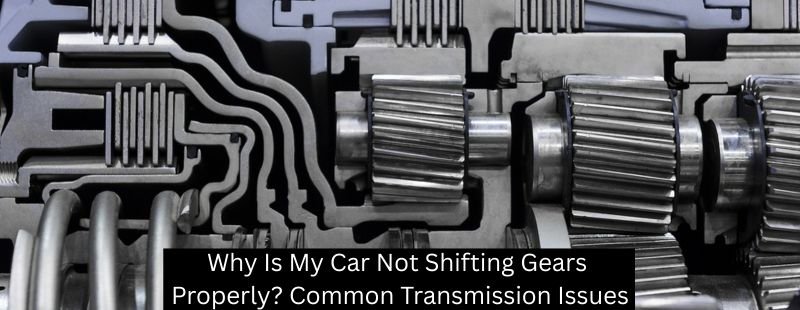
Credit: www.mistertransmission.com
How To Fix Transmission Not Shifting Properly
Many problems can be fixed if caught early. Here are practical solutions:
1. Add Or Change Transmission Fluid
Low or dirty fluid is a common cause. Top up or change fluid according to your car’s manual. Always use the correct type.
2. Replace Shift Solenoids
If the solenoids are faulty, a mechanic can replace them. This is common in automatic transmissions.
3. Adjust Or Replace Clutch
For manual transmissions, a worn clutch needs adjusting or replacing. If you notice slipping or sticking, don’t wait.
4. Repair Or Replace Bands
Transmission bands can be adjusted or replaced. This usually needs a technician.
5. Fix Or Replace Torque Converter
A malfunctioning torque converter often requires professional help. Symptoms include shuddering or slipping.
6. Reset Or Update Ecu
Sometimes, updating or resetting the car’s ECU solves shifting issues. Mechanics have special tools for this.
7. Repair Cables Or Linkages
If the gear lever feels loose, check cables and linkages. Tightening or replacing them can fix manual shifting problems.
8. Fix Vacuum Lines
For older cars, replace broken or leaking vacuum lines. This helps restore proper shifting.
9. Rebuild Transmission
If gears are damaged, a full rebuild is necessary. This is expensive but sometimes the only solution.
10. Seek Professional Help
When unsure, always consult a certified mechanic. Diagnosing and fixing transmission issues can be complex.
Preventing Transmission Shifting Problems
Prevention is often easier than repair. Here are ways to keep your transmission healthy:
- Regular Fluid Changes: Change fluid every 30,000–60,000 miles, or as recommended.
- Check for Leaks: Inspect under your car regularly for fluid leaks.
- Avoid Aggressive Driving: Hard acceleration and sudden stops stress the transmission.
- Use the Right Fluid: Always use the fluid specified by your vehicle’s manufacturer.
- Keep the Cooling System Healthy: Overheating damages transmission parts.
- Get Regular Inspections: Ask your mechanic to check the transmission during routine service.
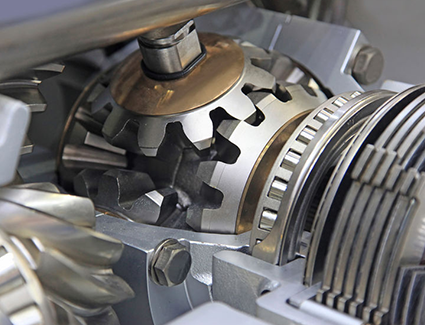
Credit: www.carrchevrolet.com
Cost Comparison: Transmission Repairs
Repair costs vary by problem and vehicle. Here’s a simple cost comparison:
| Repair Type | Average Cost (USD) | Difficulty |
|---|---|---|
| Fluid Change | $80–$250 | Easy |
| Solenoid Replacement | $150–$400 | Moderate |
| Clutch Replacement | $500–$1,200 | Moderate |
| Transmission Rebuild | $1,500–$4,000 | Hard |
| Torque Converter | $600–$1,000 | Hard |
Prices depend on the car model and local labor rates. Always ask for a quote before repairs.
Two Non-obvious Insights
Most drivers focus only on fluid or mechanical parts, but here are two things many people miss:
1. Electrical Connections Matter:
Loose or corroded wires can cause shifting problems. Modern transmissions rely on sensors and computers. Even small electrical faults can prevent proper shifting. Checking wiring can save expensive repairs.
2. Software Updates Can Solve Issues:
Many newer cars have software-controlled transmissions. Manufacturers release updates to fix bugs. If your car’s transmission shifts poorly, ask your dealer about software updates. Sometimes, a simple update solves the problem.
When To Seek Immediate Help
Some transmission problems can wait, but others need immediate attention. If you notice any of these, stop driving and call a mechanic:
- Total loss of power
- Transmission stuck in one gear
- Burning smell or smoke
- Loud clunking or grinding noises
- Fluid leaks after driving
Driving with these symptoms can cause further damage and risk your safety.
Frequently Asked Questions
What Are The Most Common Reasons For Transmission Not Shifting Properly?
The most common reasons include low or dirty transmission fluid, faulty solenoids, worn clutch, and damaged gears. Sometimes, electronic or wiring issues can also cause shifting problems.
Can I Drive My Car If The Transmission Is Not Shifting Properly?
It is risky. Driving with shifting problems can cause more damage and lead to costly repairs. If the car is stuck in one gear or makes loud noises, stop driving and seek help.
How Do I Check If My Transmission Fluid Is Low Or Dirty?
Use the transmission dipstick (if your car has one). Check the fluid level and color. It should be between the marks and look clear, not dark or gritty. If unsure, ask a mechanic.
Is It Expensive To Fix A Transmission That Doesn’t Shift?
Costs vary. Simple fixes like changing fluid are cheap ($80–$250). Major repairs like rebuilding the transmission can cost $1,500–$4,000. Getting an early diagnosis can save money.
Can Software Updates Fix Transmission Shifting Issues?
Yes. Many modern cars have software-controlled transmissions. Manufacturers release updates to fix shifting bugs. Ask your dealer if your car needs an update.
If you take care of your transmission, you can avoid most shifting problems. Regular maintenance, careful driving, and early diagnosis will keep your car running smoothly. If you ever feel unsure, remember that professional help is just a call away. For more technical details, visit the National Highway Traffic Safety Administration.
A well-maintained transmission gives you confidence and safety on the road. Don’t ignore shifting problems—address them quickly, and your car will serve you well for years.
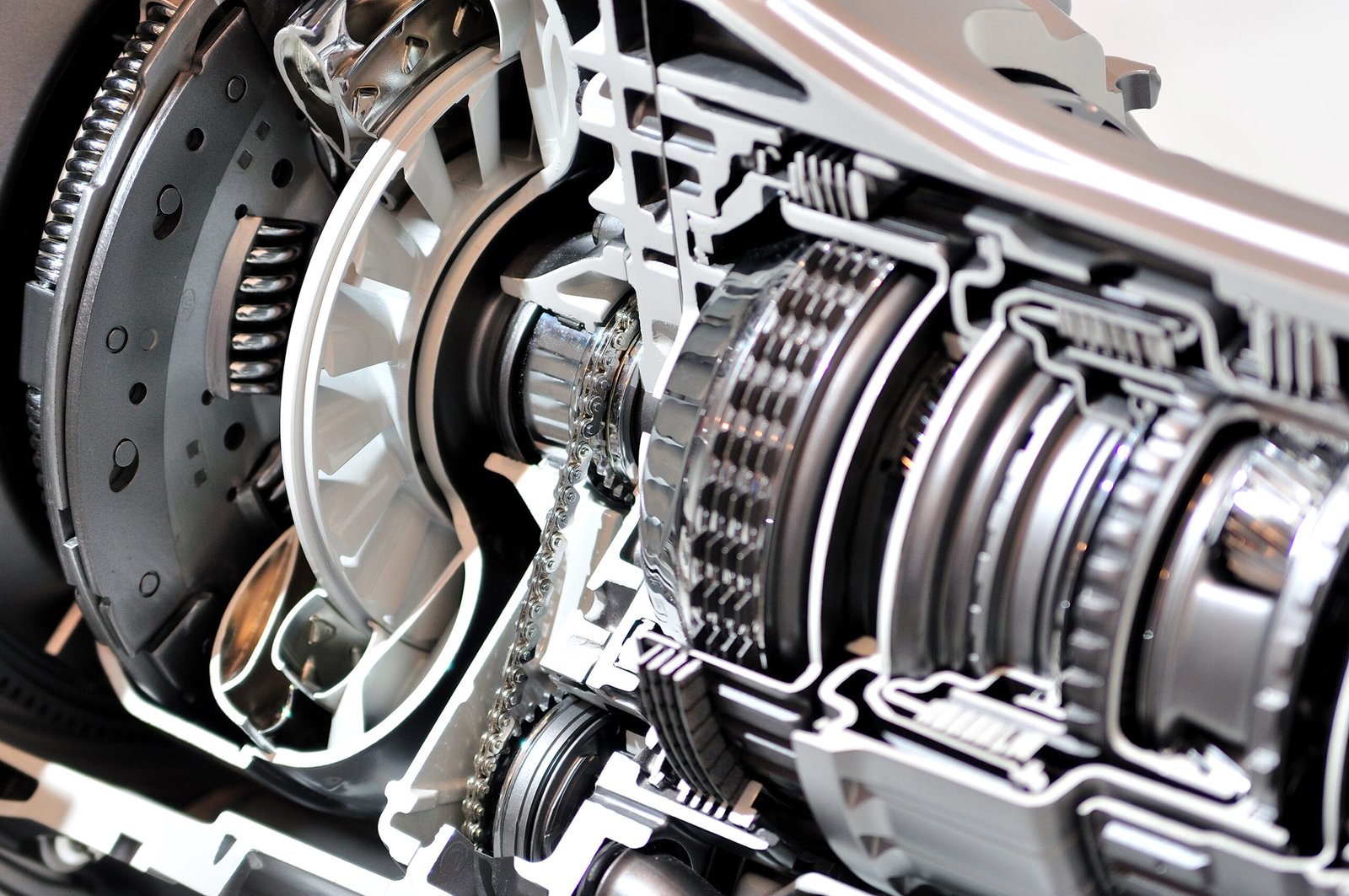
Credit: blog.amsoil.com