
When people talk about car engines, one debate always stands out: turbo vs naturally aspirated reliability. For drivers, mechanics, and buyers, this question matters. Should you trust the old-school, simple naturally aspirated engine, or take the risk with a turbocharged motor for extra power? The answer is not simple. There are many factors that affect reliability, from design to usage to maintenance. Let’s look at both types, compare their strengths and weaknesses, and help you make the right choice for your needs.
What Is A Turbocharged Engine?
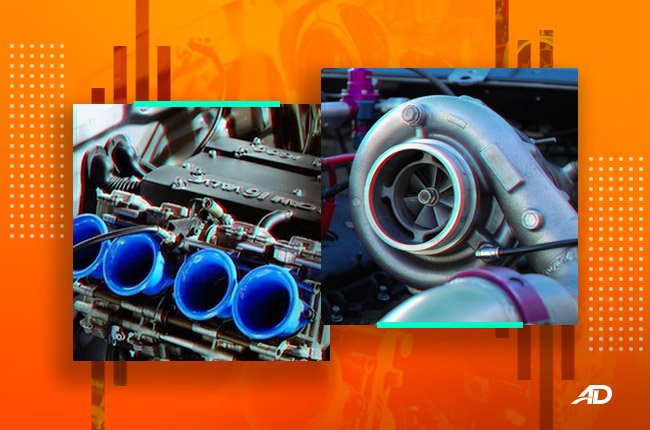
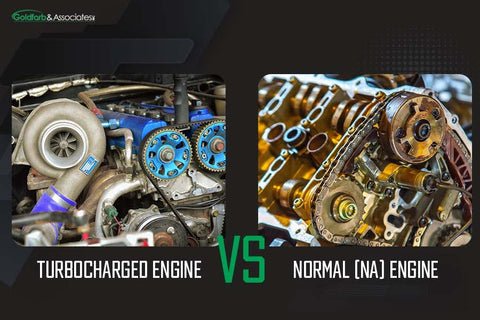
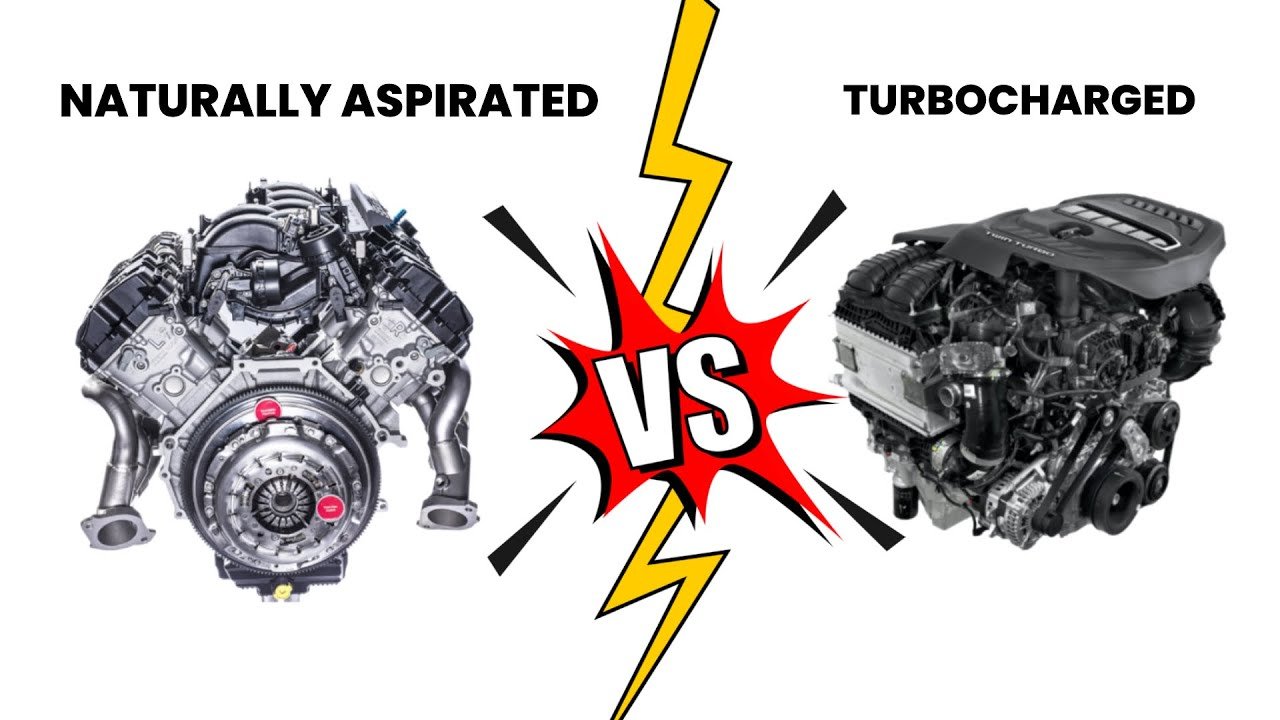
A turbocharged engine uses a turbine powered by exhaust gases. This turbine compresses air and pushes more oxygen into the engine. More oxygen means more fuel can burn, so the engine produces more power without increasing its size.
Turbocharging is popular because it:
- Boosts power
- Improves fuel efficiency
- Reduces engine size (downsizing)
But turbo engines have more parts: the turbo itself, intercoolers, extra piping, and sometimes electronics to control everything. This complexity can affect reliability.
What Is A Naturally Aspirated Engine?
A naturally aspirated engine gets air the old-fashioned way: it pulls air in as the pistons move. There’s no turbo, no forced air, just a simple intake. These engines are often bigger to make more power, but they are also less complex.
Advantages:
- Fewer moving parts
- Simple design
- Easier to maintain
These engines have been used for decades. Many drivers trust them because they are predictable and robust.
Key Reliability Factors
Reliability is not just about how often an engine breaks. It includes:
- Durability: How long does the engine last?
- Maintenance needs: How often do you need repairs?
- Failure rate: How likely is a breakdown?
- Cost of repair: Are fixes expensive or simple?
Let’s compare turbocharged and naturally aspirated engines on these factors.
| Factor | Turbocharged | Naturally Aspirated |
|---|---|---|
| Durability | Medium to High (with proper care) | High |
| Maintenance Needs | Higher | Lower |
| Failure Rate | Higher | Lower |
| Repair Cost | Expensive | Affordable |
Common Turbo Engine Reliability Issues
Turbo engines are powerful, but they have unique problems:
- Turbo Failure: The turbo spins at over 100,000 rpm. If oil is dirty or not changed often, the turbo can fail quickly. Replacing a turbo costs $800–$2500.
- Heat Stress: Turbo engines run hotter. Excessive heat can damage seals, hoses, and even the engine itself.
- Carbon Build-Up: Direct injection (common in turbo engines) can cause carbon deposits on valves. This affects performance and reliability.
- Oil Consumption: Turbo engines often use more oil. Low oil can destroy the turbo and engine.
- Complexity: More parts mean more things can break. Sensors, actuators, and cooling systems add risk.
Many drivers forget that turbo engines need special care. For example, after hard driving, you should let the engine idle for a minute before shutting off. This allows the turbo to cool and prevents damage.
Naturally Aspirated Engine Reliability Issues
These engines are simple, but not perfect:
- Wear and Tear: Over time, pistons, valves, and bearings still wear out, especially in high-mileage cars.
- Timing Belt/Chain Failure: If the belt or chain breaks, the engine may be ruined. This is true for both engine types but is easier to fix in naturally aspirated engines.
- Oil Leaks: Old engines can leak oil from seals and gaskets.
However, these problems are well-known and often cheaper to fix. Many mechanics can repair naturally aspirated engines quickly.
Real-world Data And Examples
Let’s look at some numbers. According to a 2023 reliability study by J.D. Power:
- Turbocharged engines had a 15% higher rate of engine-related repairs than naturally aspirated engines.
- The average repair cost for turbo engines was $1,200, while for naturally aspirated engines, it was $750.
Example: The Honda Civic (naturally aspirated) is famous for lasting over 200,000 miles with basic maintenance. In contrast, the Ford EcoBoost (turbocharged) offers great power, but owners report more frequent repairs, especially after 100,000 miles.
| Car Model | Engine Type | Average Miles Before Major Repair | Repair Frequency (per 100k miles) |
|---|---|---|---|
| Honda Civic | Naturally Aspirated | 210,000 | 1.8 |
| Ford EcoBoost | Turbocharged | 160,000 | 2.6 |
| Toyota Corolla | Naturally Aspirated | 215,000 | 1.6 |
| Volkswagen Golf TSI | Turbocharged | 165,000 | 2.4 |
Why Turbo Engines Fail More Often
Turbo engines work harder and run hotter. The turbo spins fast, creating heat and stress. If you use cheap oil, skip maintenance, or drive aggressively, parts will break. Many turbo engines are built strong, but their complexity means more can go wrong.
There’s also a hidden risk: boost pressure. Some drivers modify turbo engines to increase power. This can cause engine failure quickly.
Why Naturally Aspirated Engines Are Trusted
Most naturally aspirated engines are simple, proven designs. They last longer because:
- Fewer parts can fail
- Lower heat and stress
- Repairs are cheaper and easier
They are common in older cars and basic models. Mechanics know them well, and spare parts are widely available.
Modern Trends: Turbo Engines Everywhere
Car makers use turbo engines more today, even in small cars. Why? They want better fuel economy and lower emissions. For example, a 1. 5-liter turbo can match the power of a 2. 0-liter naturally aspirated engine.
But this shift means more drivers face turbo reliability challenges. Not all turbo engines are equal. Some brands build strong turbos, others don’t.
Maintenance: The Key To Reliability
No matter which engine you choose, maintenance is critical. Here are essential tips:
- Use high-quality oil and change it often.
- Let turbo engines cool down after hard driving.
- Don’t skip service intervals.
- For turbo engines, check hoses, intercoolers, and sensors regularly.
- For naturally aspirated engines, watch for leaks and timing belt issues.
Many turbo engine failures happen because owners ignore maintenance or use wrong fluids.
Practical Insights For Buyers
If you want reliability, consider these points:
- Usage: If you drive hard or tow heavy loads, naturally aspirated engines may last longer.
- Budget: Turbo engines often cost more to repair. Check prices for common parts.
- Climate: Hot climates stress turbo engines more.
- Driving Style: Aggressive driving increases turbo risk.
- Resale Value: Cars with naturally aspirated engines often hold value better in some markets.
A hidden insight: Many drivers are surprised that turbo engines need special oil grades. Using regular oil can shorten engine life drastically. Always check the manual.
Manufacturer Differences
Some brands build reliable turbo engines. For example, BMW and Volkswagen have advanced turbo technology. But even their engines need careful maintenance.
In contrast, brands like Honda and Toyota are famous for reliable naturally aspirated engines.
Not all turbo engines are equal. Research your car model before buying.
Credit: www.autodeal.com.ph
How Reliability Has Changed Over Time
In the past, turbo engines were rare. They were used in sports cars and high-performance models. Now, they are everywhere. Technology has improved, but reliability issues remain.
Modern turbo engines are better than before, but their complexity still brings risks.
Cost Comparison: Repairs And Ownership
Let’s compare typical costs:
| Repair Type | Turbocharged Engine | Naturally Aspirated Engine |
|---|---|---|
| Oil Change | $90–$120 (special oil) | $50–$70 |
| Turbo Replacement | $1,000–$2,500 | N/A |
| Timing Belt/Chain | $400–$800 | $300–$700 |
| Head Gasket | $1,200–$1,800 | $900–$1,400 |
Non-obvious insight: Even simple repairs like oil changes cost more for turbo engines because they need synthetic oil or special grades.
Credit: goldfarbinc.com
How To Maximize Engine Reliability
Follow these steps to extend engine life:
- For turbo engines, always use recommended oil and let the engine cool after hard driving.
- Don’t modify the turbo for extra power unless you upgrade other parts.
- For naturally aspirated engines, follow service intervals and fix leaks early.
- Pay attention to warning lights and unusual noises.
Most engine failures happen because drivers ignore warning signs or delay maintenance.
Turbo Vs Naturally Aspirated: Which Is Right For You?
If you want pure reliability and low maintenance, a naturally aspirated engine is best. If you want power, performance, and efficiency, and you don’t mind extra care, a turbocharged engine can serve well.
For daily drivers, naturally aspirated engines are safer. For enthusiasts or those needing power, turbo engines are tempting but require commitment.
Credit: www.youtube.com
Frequently Asked Questions
Is A Turbocharged Engine Less Reliable Than A Naturally Aspirated Engine?
Yes, in general, turbocharged engines have more parts and run hotter, which can lead to more breakdowns. But with proper maintenance, modern turbos can be reliable.
How Long Does A Turbo Engine Last Compared To A Naturally Aspirated Engine?
Turbo engines often last 120,000–180,000 miles. Naturally aspirated engines can reach 200,000+ miles with regular care. The difference is mostly due to complexity and heat.
Are Turbo Engines More Expensive To Repair?
Yes, repairs for turbo engines often cost more. Turbo replacement, special oil, and more complex parts mean higher bills.
Can I Improve Turbo Engine Reliability?
Absolutely. Use the right oil, follow service schedules, let the engine cool after hard driving, and avoid tuning for extra power unless you upgrade other parts.
Which Brands Have The Most Reliable Turbo Engines?
Brands like BMW, Volkswagen, and Subaru have strong turbo technology. But always research your specific model. For naturally aspirated reliability, Honda and Toyota are top choices. For more details, see Wikipedia’s Turbocharger page.
Choosing between turbo and naturally aspirated engines depends on your needs, your budget, and your willingness to maintain your car. If you value simplicity and longevity, naturally aspirated engines are hard to beat. If you want performance and efficiency, turbocharged engines offer big rewards, but only if you’re ready to care for them properly.