
When was the last time you thought about your car’s water pump? For most people, the answer is “almost never”—until something goes wrong. The water pump is a small but essential part of your vehicle’s engine, quietly working to keep everything cool and running smoothly. If it fails, your engine can overheat quickly, causing expensive damage and leaving you stranded. Understanding the water pump replacement schedule is not just for car enthusiasts; it’s for anyone who wants their vehicle to last longer and avoid sudden breakdowns.
This article will help you understand when and why you should replace your water pump, how to spot the signs of a failing pump, and the practical steps to take. We’ll compare schedules for different vehicles, explain the risks of waiting too long, and cover common mistakes many drivers make.
Let’s get started and keep your engine running cool and reliable.
What Does A Water Pump Do?
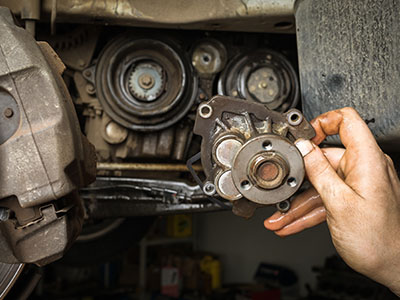
The water pump is the heart of your engine’s cooling system. It circulates coolant (a mix of water and antifreeze) from the radiator to the engine and back. This flow keeps the engine at a safe temperature, especially during long drives or hot weather. Without a working water pump, the engine can get too hot, which may lead to a blown head gasket or even a cracked engine block.
Many modern vehicles use a belt-driven water pump, while some newer models use an electric pump. The main job is always the same: move coolant efficiently. Some cars place the water pump inside the engine, making it harder to access, while others have it more visible and easier to reach.
Why Is Replacement Schedule Important?
It’s easy to forget about the water pump because it can last a long time. But like all moving parts, it wears out. Following the water pump replacement schedule is important because:
- It prevents unexpected engine overheating.
- It avoids expensive repairs caused by coolant leaks or engine damage.
- It helps maintain your car’s value and reliability.
Manufacturers recommend a replacement schedule based on years or miles, but several factors can affect how long your water pump lasts.
Typical Water Pump Replacement Intervals
So, how often should you replace your water pump? While there is no universal answer, most mechanics and automakers suggest:
- Every 60,000 to 100,000 miles (about 96,000 to 160,000 kilometers), or
- Every 5 to 7 years, whichever comes first.
However, these numbers can change depending on your car’s make, model, engine type, and driving conditions. Here’s a quick comparison for popular vehicle types:
| Vehicle Type | Recommended Replacement Interval |
|---|---|
| Standard Gasoline Car | 60,000 – 100,000 miles |
| Hybrid/Electric Vehicle | 70,000 – 120,000 miles |
| Diesel Engine | 80,000 – 120,000 miles |
| Performance/Sports Car | 40,000 – 80,000 miles |
| Heavy-Duty Truck | 100,000 – 150,000 miles |
Always check your owner’s manual for the schedule specific to your car.
Factors That Affect Water Pump Life
Not every water pump lasts the same amount of time. Several factors can shorten or extend the lifespan:
- Driving Conditions: Frequent stop-and-go traffic, towing, or very hot/cold weather can wear out the pump faster.
- Coolant Quality: Using the wrong coolant or never changing it increases corrosion and damage.
- Maintenance Habits: Skipping regular inspections or ignoring small leaks puts extra strain on the pump.
- Type of Water Pump: Electric water pumps in newer cars may last longer than belt-driven pumps, but they can also fail suddenly.
A hidden insight: low-quality replacement parts can fail much sooner. Saving money up front can cost more in repairs later.
Credit: www.adamsautoworx.com
Signs Your Water Pump Needs Replacement
It’s risky to wait until your scheduled replacement if you notice warning signs. Pay attention to these symptoms:
- Coolant leaks: Puddles under your car, especially near the engine front.
- Overheating engine: Temperature gauge goes into the red, or warning lights appear.
- Squeaking or grinding noise: Unusual sounds from the engine, especially after starting the car.
- Steam from under the hood: Coolant leaking onto hot engine parts.
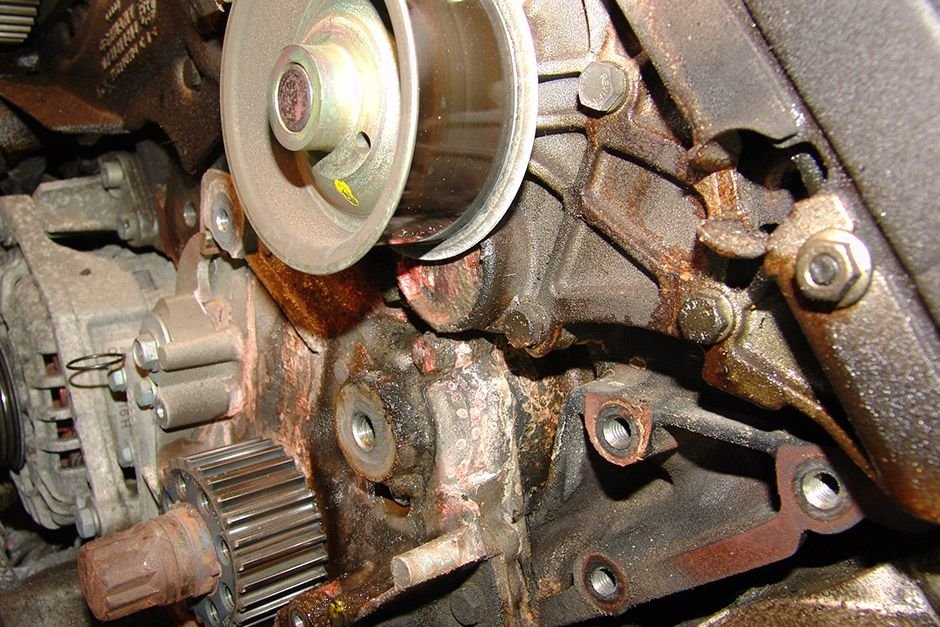
- Rust or deposits: Visible build-up around the water pump area.
If you see any of these, don’t wait. A failing water pump can destroy your engine if ignored.
When Should You Replace The Water Pump?
There are two main approaches:
- Preventive Replacement: Change the water pump at the recommended interval, even if there are no problems. This is the safest choice, especially if it’s hard to access (for example, behind the timing belt).
- Symptom-Based Replacement: Replace the pump only if you notice signs of wear or failure.
Most mechanics recommend preventive replacement, especially if you are already replacing related parts like the timing belt. This saves on labor costs and avoids future breakdowns.
Timing Belt And Water Pump: Replace Together
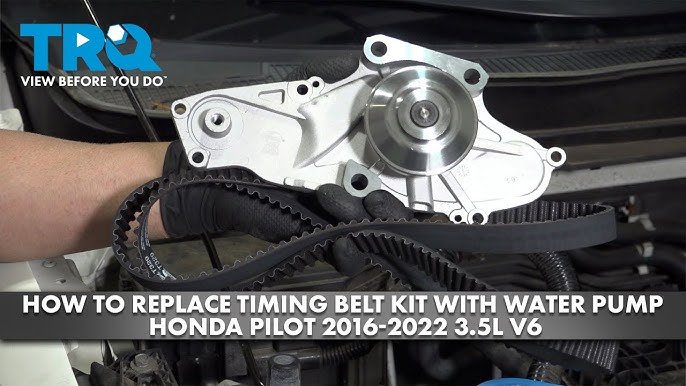
In many cars, the water pump is driven by the timing belt. If you are replacing one, it’s smart to replace both at the same time. The labor cost is almost the same, and it prevents having to open up the engine again soon after. According to Consumer Reports, sticking to a regular maintenance schedule is one of the most effective ways to extend a vehicle’s life and preserve its resale value.
For example, if your car’s timing belt is due every 70,000 miles, replace the water pump at the same time—even if it seems fine.
Credit: www.blauparts.com
Water Pump Replacement Schedule For Popular Brands
Here’s a look at some common car brands and their recommended water pump replacement schedules. Always verify with your owner’s manual, as intervals can vary by model and engine.
| Brand | Recommended Interval |
|---|---|
| Toyota | 80,000 – 100,000 miles |
| Honda | 60,000 – 100,000 miles |
| Ford | 60,000 – 90,000 miles |
| Chevrolet | 60,000 – 100,000 miles |
| BMW | 60,000 – 90,000 miles |
| Volkswagen | 60,000 – 90,000 miles |
| Nissan | 60,000 – 105,000 miles |
| Hyundai/Kia | 60,000 – 100,000 miles |
Remember, these are guidelines. Severe driving conditions can shorten these intervals.
What Happens If You Skip Water Pump Replacement?
Many drivers think they can save money by delaying water pump replacement. This is a risky move. Here’s what can happen if you ignore the schedule:
- Sudden engine overheating: This can warp cylinder heads or crack the engine block.
- Coolant leaks: Leaks can damage engine parts and pollute the environment.
- Timing belt failure: If the water pump seizes, it can break the timing belt, causing major engine damage.
- Complete breakdown: You may get stranded far from help, leading to costly towing and emergency repairs.
A less obvious risk: even a small leak can lower coolant levels, making it harder to spot until bigger problems appear.
How To Check Your Water Pump
You don’t need to be a mechanic to keep an eye on your water pump. Here’s a simple routine:
- Check under your car for coolant puddles (usually green, orange, or pink fluid).
- Listen for new noises, especially right after starting the car.
- Watch the temperature gauge. If it runs hotter than normal, investigate.
- Open the hood (when the engine is cold) and look for crusty deposits or stains near the pump.
If you notice any of these, it’s time for a professional inspection.
Common Mistakes With Water Pump Replacement
Many car owners make these mistakes:
- Ignoring the timing belt connection: Replacing only one and not the other leads to higher long-term costs.
- Using the wrong coolant: This can cause early corrosion and pump failure.
- Buying cheap parts: Low-quality pumps wear out faster and may not fit properly.
- Waiting too long: Hoping the pump will last “just a little longer” can backfire.
A hidden tip: mechanics sometimes reuse old gaskets or seals. Insist on new ones for a proper seal.
Diy Vs. Professional Replacement
Replacing a water pump is not a simple DIY job for most people. It usually requires:
- Removing belts, covers, and sometimes the timing belt.
- Draining and refilling coolant.
- Correctly torquing bolts and using new gaskets.
If you have experience, the right tools, and a repair manual, you can try it on older, simpler cars. For most people, professional replacement is safer and more reliable.
Water Pump Replacement Cost
Costs can vary widely based on your car’s make and model. Here’s a general idea:
| Vehicle Type | Parts Cost | Labor Cost | Total Estimate |
|---|---|---|---|
| Standard Car | $50 – $150 | $200 – $400 | $250 – $550 |
| Luxury/Import Car | $100 – $300 | $400 – $800 | $500 – $1,100 |
| Heavy-Duty Truck | $150 – $400 | $500 – $1,000 | $650 – $1,400 |
Replacing the water pump together with the timing belt usually adds $200–$500 to the total cost but saves money over doing them separately.
Credit: www.youtube.com
How To Make Your Water Pump Last Longer
You can maximize the life of your water pump by:
- Using the correct coolant type for your vehicle.
- Changing coolant at the intervals recommended in your manual.
- Fixing leaks and cooling system problems quickly.
- Avoiding aggressive driving and sudden temperature changes.
An often-missed insight: air pockets in the cooling system can damage the water pump. Always “bleed” the system after coolant changes.
Frequently Asked Questions
How Do I Know If My Water Pump Is Failing?
Watch for coolant leaks, engine overheating, strange noises, or steam under the hood. Any of these signs mean you should get the pump checked soon.
Should I Replace My Water Pump With The Timing Belt?
Yes, it’s smart to replace both at the same time. The labor is almost the same, and it avoids opening the engine twice.
Can I Drive With A Leaking Water Pump?
It’s risky. Even a small leak can lead to engine overheating or sudden failure. Get it fixed as soon as possible.
How Much Does Water Pump Replacement Cost?
Costs range from $250 to $1,400 depending on your vehicle type and if you replace other parts like the timing belt at the same time.
Is Water Pump Replacement A Diy Job?
For most people, it’s best left to professionals. The process is complex and mistakes can lead to engine damage.
For more technical details on engine cooling systems, you can visit Wikipedia’s water pump page.
Maintaining your water pump on schedule doesn’t just prevent repairs—it gives you peace of mind every time you drive. Pay attention to your vehicle’s needs, act early, and your engine will thank you with years of reliable service.