
Buying a used electric vehicle (EV) can be exciting, but also a little challenging if you’re not sure what to look for. EVs are different from gasoline cars in many ways, and mistakes can be costly. Whether you want to save money, help the environment, or just try something new, a used EV might be a great choice.
But before you make a decision, you need to check several important things to avoid surprises later.
This guide will walk you through everything you should check when buying a used EV. You’ll learn how to spot hidden problems, compare models, and understand the true cost of ownership. Even if you’ve never bought a used car before, you’ll be ready to make a smart choice.
Battery Health And Warranty
The battery is the heart of every EV. Unlike the engine in a gasoline car, the battery in an EV decides how far you can drive and how long the car will last. Batteries lose power over time, which reduces driving range. This is called battery degradation.
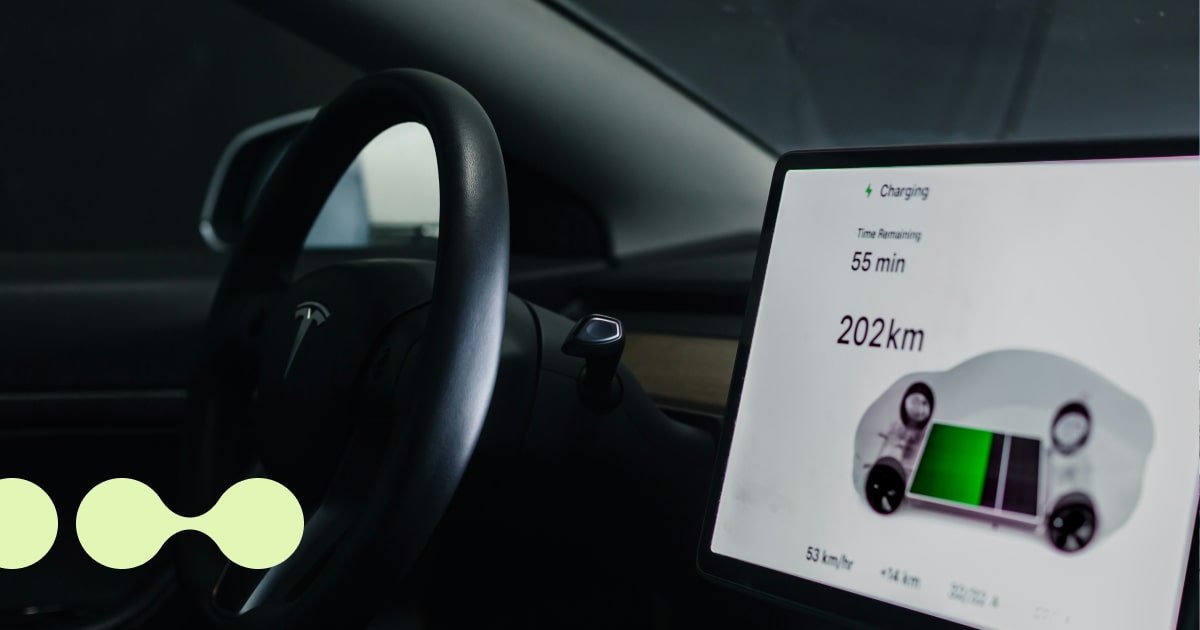
Ask the seller for a report on the battery’s current health. Most modern EVs can show battery health on the dashboard or through a connected app. If possible, use a professional battery test. A battery with more than 80% of its original capacity is usually good, but less than 70% may mean you’ll need a new battery sooner.
Also, check the battery warranty. Many manufacturers offer longer warranties for batteries than for the rest of the car—sometimes up to 8 years or 100,000 miles. If the car is still under battery warranty, you’ll have peace of mind for future repairs. Make sure the warranty can transfer to you as the new owner.
Range And Charging Needs
Each EV model has a different driving range. Older used EVs may only go 80–120 miles per charge, while newer ones can reach 200–300 miles or more. Think carefully about how much range you need for daily life. If you only drive short distances, a smaller range may be fine and save you money.
Check the charging speed. Some EVs only support slow Level 1 charging (using a regular outlet), while others can use Level 2 or even fast DC charging. Fast charging is helpful for road trips, but not all EVs support it. Ask the seller about the car’s maximum charging speed and test it if you can.
Don’t forget to check the type of charging plug the EV uses. In the US, most use the J1772 standard for Level 2, but fast charging may use CCS, CHAdeMO, or Tesla connectors.
Vehicle History And Condition
Like any used car, you should check the service history and accident records. Ask for a full history report from services like Carfax or AutoCheck. Look for regular maintenance, battery checks, and any major repairs. Avoid cars with a history of flood damage, as water can harm batteries and electronics.
Inspect the interior and exterior for wear and tear. Small scratches or dents are normal, but large repairs or rust may be a warning sign. Try all the buttons, screens, and electronics, as EVs depend on computers for many functions.
Software Updates And Features
Modern EVs often receive software updates that add features or fix problems. Make sure the car is up to date, as outdated software can cause glitches or miss new features. Ask the seller if the car is still eligible for future updates—some brands only allow updates for the first owner, or charge extra for them.
Check for important features like navigation, Bluetooth, or advanced driver-assist systems. Some used EVs may not have all the options you want, or may require a subscription for certain features.
Charging Equipment And Accessories
Many EVs come with a home charging cable. Make sure it’s included, as replacements can cost hundreds of dollars. If you plan to install a home charger, check that the car supports the right charging speed and connector.
Look for extra accessories like portable chargers, adapters, or spare tires. These can add value and make your EV experience smoother.
Cost Of Ownership And Incentives
Used EVs are usually cheaper to maintain than gasoline cars, since they have fewer moving parts. However, check the price of common parts like tires, brakes, and especially the battery. A battery replacement can cost several thousand dollars if not covered by warranty.
Ask about insurance rates for the specific model. Some EVs cost more to insure due to expensive parts or rare bodywork. Also, check if there are still any local or state incentives for buying a used EV. For example, some areas offer rebates or lower registration fees.
Credit: mmcarz.com.au
Comparing Popular Used Ev Models
Different EV models offer different strengths. Here’s a comparison of some popular used EVs to help you decide:
| Model | Typical Used Price | EPA Range (miles) | Max Charging Speed | Battery Warranty |
|---|---|---|---|---|
| Nissan Leaf (2018) | $14,000–$18,000 | 151 | 50 kW (CHAdeMO) | 8 yrs/100,000 miles |
| Chevy Bolt EV (2019) | $17,000–$22,000 | 238 | 55 kW (CCS) | 8 yrs/100,000 miles |
| Tesla Model 3 (2018) | $25,000–$32,000 | 220–310 | 120–250 kW (Tesla) | 8 yrs/100,000 miles |
| BMW i3 (2018) | $16,000–$20,000 | 114–153 | 50 kW (CCS) | 8 yrs/100,000 miles |
Test Drive And Real-world Performance
Always take the EV for a test drive. Pay attention to how it accelerates, brakes, and handles bumps. Listen for strange sounds, and watch for warning lights on the dashboard. Test the climate control, as heating and cooling can use a lot of battery power.
Check the real-world range. Ask the seller how far the car goes on a full charge in daily use. Sometimes the official range is higher than what you’ll get, especially if the battery has aged or if you live in a cold climate.
Charging Infrastructure In Your Area
Before buying, check if there are enough charging stations near your home, work, or usual routes. Use apps like PlugShare or ChargePoint to map charging locations. If you live in an apartment or can’t install a home charger, public charging is even more important.
Here’s a look at the types of charging you might use:
| Charging Level | Voltage | Miles Added per Hour | Typical Use |
|---|---|---|---|
| Level 1 | 120V | 3–5 | Home, overnight |
| Level 2 | 240V | 10–30 | Home, work, public |
| DC Fast Charge | 400V+ | 100–200 | Highway, quick stops |
Ownership Costs Over Time
It’s important to look beyond the sticker price. Owning a used EV saves money on fuel and often on maintenance, but remember to budget for:
- Home charger installation (if needed)
- Battery replacement (if buying an older EV)
- Software upgrades (sometimes paid for older models)
- Insurance and registration
Here’s a quick example of yearly costs for a typical used EV versus a gasoline car:
| Cost Item | Used EV | Used Gasoline Car |
|---|---|---|
| Electricity/Fuel | $400 | $1,200 |
| Maintenance | $300 | $800 |
| Insurance | $900 | $800 |
| Registration | $150 | $200 |
| Total | $1,750 | $3,000 |
You can see the EV offers real savings, especially if you keep it for several years.
Credit: 6abc.com
Common Mistakes To Avoid
Many first-time buyers miss a few important details:
- Ignoring battery health. A bad battery means a short range and high replacement cost.
- Not checking charging options. Make sure you can charge at home or nearby.
- Skipping the test drive. You might miss problems that only show up on the road.
- Forgetting about software updates. Outdated software can mean missing features or bugs.
- Not checking the warranty transfer. Some warranties don’t transfer to the new owner.
- Underestimating insurance costs. Always get a quote before you buy.
- Assuming all EVs charge fast. Many older models only charge slowly.
Two Non-obvious Insights
Some things buyers often overlook:
- Climate matters. Batteries lose range faster in very cold or very hot places. If you live in an extreme climate, look for models with active thermal management (heating/cooling for the battery).
- Previous fast charging. If the car was fast-charged often, the battery may have aged faster. Ask the seller about their charging habits, or look for signs in the battery health report.
Getting A Professional Inspection
Even if you feel confident, a professional EV inspection is a smart move. Choose a mechanic or technician with experience in electric cars. They can check the battery, charging system, and electronics using special tools.
Don’t rely only on a regular car mechanic. EVs have unique systems that need expert knowledge.
Research And Resources
Read owner forums, watch review videos, and check official guides for the EVs you’re interested in. The Wikipedia page on electric cars is a good starting point for general information.
Credit: eleport.com
Final Thoughts
Buying a used EV is a smart way to save money, lower your carbon footprint, and try new technology. But it’s not the same as buying a gasoline car. Pay special attention to the battery, charging, and warranty. Compare several models and always test drive before buying.
With careful checks and good research, you’ll find an EV that fits your needs for years to come.
Frequently Asked Questions
What Is The Most Important Thing To Check When Buying A Used Ev?
Battery health is the most important factor. The battery decides the driving range and future repair costs. Always ask for a battery health report and check the warranty.
Can I Charge A Used Ev At Home?
Yes, most EVs can be charged at home with a standard outlet or a Level 2 charger. Check the charging plug type and make sure your home electrical system can handle it.
How Do I Know If A Used Ev Is Still Under Warranty?
Ask the seller for the original warranty documents and check with the manufacturer. Make sure the warranty transfers to you as the new owner.
Are Used Evs Cheaper To Maintain Than Gas Cars?
Usually yes. EVs have fewer moving parts, so they need less maintenance. You’ll save money on oil changes, brakes, and fuel.
Do Used Evs Lose Range Over Time?
Yes, all EV batteries lose some range as they age. How much depends on the car’s age, battery type, and how it was used. Check the battery health before buying.