
If your car feels shaky, pulls to one side, or the steering wheel does not sit straight, you may wonder what service you really need. Many drivers mix up wheel balancing and alignment because both affect how the car feels on the road. But they solve different problems.
Understanding Wheel Balancing vs Alignment can save you time, money, and stress. It can also help you avoid tire wear, poor fuel economy, and a rough ride. The tricky part is that some symptoms look similar, so the wrong guess is common.
This guide explains the real difference in simple words. You will learn the signs of each issue, when to get each service done, and what happens if you ignore them for too long.
What wheel balancing actually does
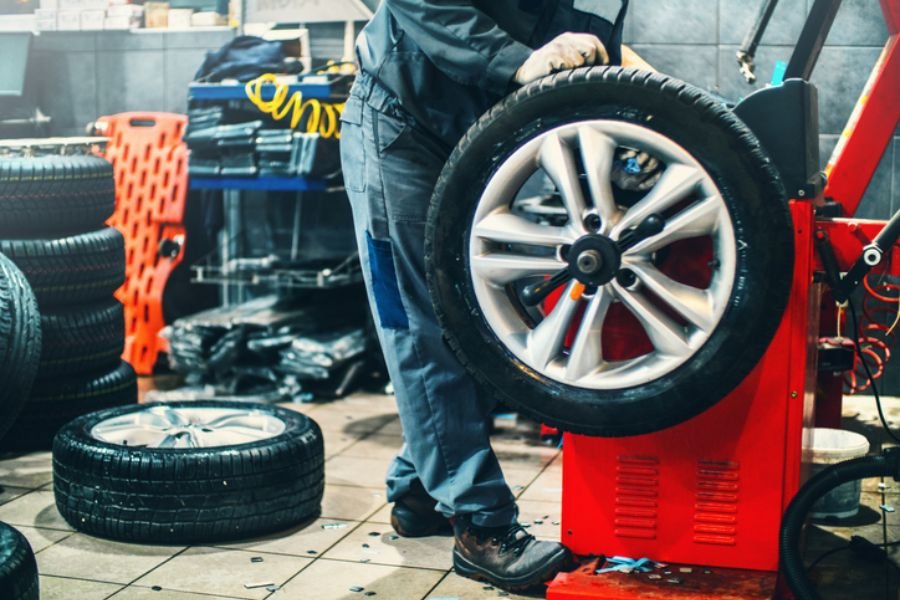
Wheel balancing makes sure the tire and wheel spin evenly around the axle. Even small weight differences can cause vibration when the wheel rotates at speed. A technician uses a balancing machine and adds small weights to correct the imbalance.
This service is about rotation. It does not change where the wheel points. It only helps the wheel spin smoothly. That is why balancing is often noticed most at highway speed, when tiny problems become easier to feel.
A wheel can be out of balance for many reasons. Tires are not perfectly uniform. Wheels may have small manufacturing differences. Mud, road damage, or lost wheel weights can also create imbalance over time.
Common signs you may need wheel balancing
- A shaking steering wheel at higher speeds
- Vibration in the seat or floorboard
- Tires that wear unevenly in a patchy pattern
- A humming or droning feeling that grows with speed
- New tire or wheel installation that feels off afterward
One important detail many drivers miss is that balance problems often get worse gradually. The car may feel only slightly rough at first, so people ignore it. Later, the vibration becomes strong enough to affect comfort and tire life.
What wheel alignment actually does
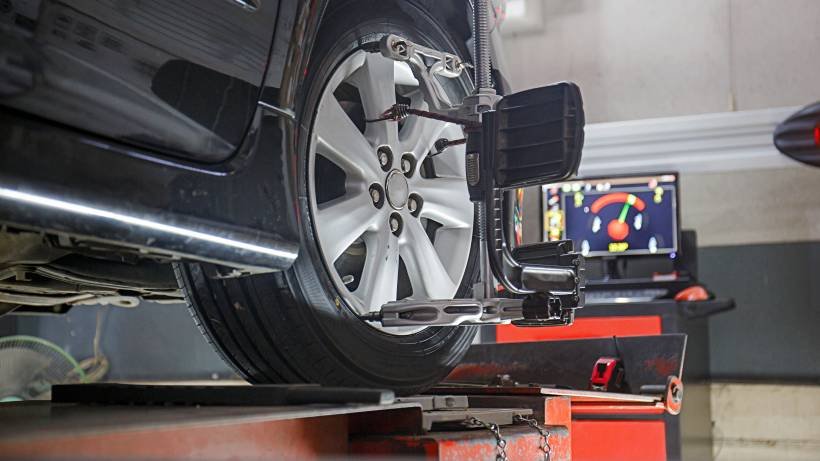
Wheel alignment adjusts the angles of the wheels so they point in the correct direction. It helps the tires meet the road properly and keeps the car tracking straight. Alignment involves settings like camber, caster, and toe.
This service is about direction, not rotation. If the angles are wrong, the vehicle may drift, pull, or wear tires unevenly. Even if the ride feels smooth, bad alignment can still damage your tires.
Alignment is usually affected by potholes, curb hits, accidents, worn suspension parts, and normal wear over time. A car can also go out of alignment after replacing parts in the steering or suspension system.
Common signs you may need wheel alignment
- The car pulls left or right on a straight road
- The steering wheel sits off-center when driving straight
- Tires wear unevenly, especially on the inner or outer edges
- The steering feels loose, vague, or unstable
- You recently hit a pothole or curb hard
Here is a non-obvious point many beginners miss: alignment problems do not always cause shaking. A car can feel perfectly smooth and still be badly misaligned. That is why tire wear patterns are often a stronger clue than ride feel alone.
Wheel Balancing vs Alignment: the key differences
These two services are often mentioned together, but they fix different problems. Wheel balancing corrects uneven weight distribution in the wheel and tire assembly. Alignment corrects the angle of the wheels relative to the car and the road.
If you want a quick way to remember it, think like this:
- Balancing = stops shaking caused by rotation issues
- Alignment = keeps the car straight and tires wearing correctly
The symptoms can overlap, which is why many drivers get confused. A shake can sometimes come from tire problems, worn suspension parts, or even damaged wheels. A pull can also happen if one tire has a different pressure than the others. So diagnosis matters.
| Factor | Wheel Balancing | Wheel Alignment |
|---|---|---|
| Main job | Removes vibration from rotating wheels | Sets wheel angles for proper tracking |
| Typical symptom | Shaking or vibration at speed | Car pulls, drifts, or steering wheel is off-center |
| Main cause | Uneven weight in tire and wheel assembly | Wrong wheel angles from impact or wear |
| Effect on tires | Can cause uneven wear if ignored | Can cause fast and uneven tire wear |
| What is adjusted | Small wheel weights | Suspension and steering angles |
| When it is needed | After tire service, vibration, or wheel changes | After impacts, suspension work, or pulling |
Symptoms that point more toward balancing
Balancing problems usually show up as a shake or vibration that gets worse with speed. The steering wheel often vibrates first if the front wheels are affected. If the rear wheels are out of balance, you may feel it more in the seat or floor.
The speed matters. Many drivers report that the car feels fine at lower speeds but starts shaking around 50 to 70 mph. That is a classic sign of imbalance.
Another clue is timing. If the problem began after new tires, tire rotation, or wheel replacement, balancing should be high on the list. A wheel that was mounted slightly off can create noticeable vibration right away.
Credit: airtasker.com
What balancing does not usually cause
- Strong pulling to one side
- Steering wheel off-center while driving straight
- Constant drifting on a level road
If you feel those issues, alignment is more likely. Still, real cars are not always simple. A bent wheel, bad tire, or worn suspension part can create mixed symptoms. That is why a full inspection is smart when the problem is not obvious.
Symptoms that point more toward alignment
Alignment trouble is often felt in the steering and seen in the tires. If the car does not track straight, or if the steering wheel is crooked when you drive straight, alignment is a strong suspect.
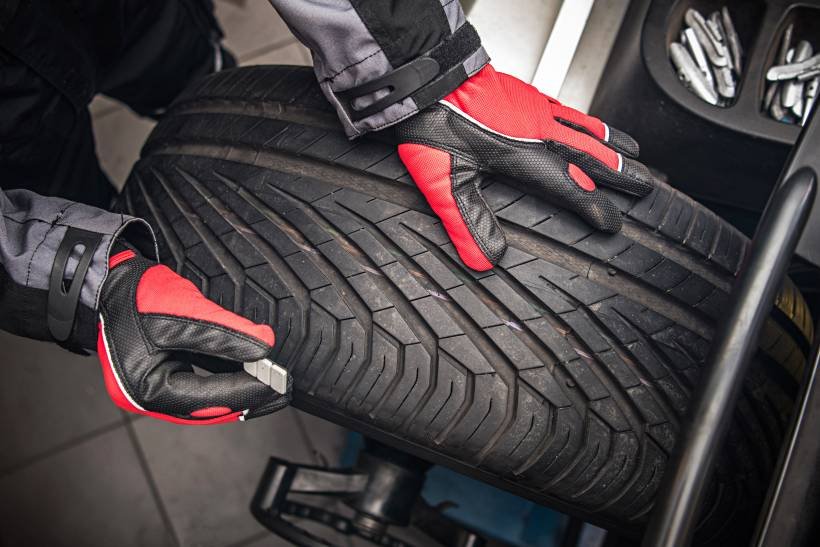
Uneven tire wear is one of the biggest clues. For example, if the inside edge of both front tires wears much faster than the rest, the toe or camber may be wrong. This wear often builds slowly, so many drivers notice it only when the tire is already damaged.
Common driving clues
- You must keep correcting the steering to stay in a lane
- The car drifts even on a straight, flat road
- The steering wheel is not centered
- Your tires wear quickly on one edge
One insight people often miss is that alignment problems can hide behind a road crown. Many roads slope slightly to drain water. A very mild pull may be normal, but if the car fights you on every road, or if the wheel needs constant correction, it should be checked.
When to get wheel balancing done
Wheel balancing is not only for problem cases. It is often needed whenever the tire and wheel assembly changes. New tires should usually be balanced before they go on the car. If you rotate tires and feel a new vibration, balancing may be needed again.
As a general rule, consider balancing when:
- You install new tires
- You replace wheels or rims
- You feel a vibration at driving speed
- A wheel weight falls off
- You hit a pothole or curb and then feel a shake
Balancing is also a smart check after tire repair. Even a small change in tire shape or mounting can affect smooth rotation.
How often should balancing be checked?
Many shops suggest checking balance at tire rotation intervals or when symptoms appear. There is no single perfect schedule for every car. Highway driving, rough roads, and tire quality all affect how long a wheel stays balanced.
If you drive mostly at lower speeds and the car feels smooth, you may not need frequent checks. But if your car spends a lot of time on highways, balance matters more because small problems show up fast at speed.
When to get wheel alignment done
Alignment should be checked after any event that may have changed wheel angle. Hitting a deep pothole is a common example. Replacing suspension parts is another. Even normal wear can slowly push the alignment off over time.
Consider alignment when: According to the National Highway Traffic Safety Administration, properly maintained tires at the correct pressure improve safety, handling, and fuel economy.
- The car pulls left or right
- The steering wheel is not centered
- You notice uneven tire wear
- You install new tires and want them to last longer
- You replace steering or suspension parts
- You hit a strong road impact
Many drivers wait too long because the car still feels “okay.” That can be costly. Misalignment can destroy a new tire long before its normal life is over.
Credit: quality1stautorepair.com
Why alignment is important after suspension work
Whenever parts such as tie rods, control arms, struts, or ball joints are replaced, the steering geometry can change. Even a small shift can affect tire wear and handling. That is why an alignment is commonly recommended after suspension repairs.
This is one of the biggest beginner mistakes: assuming new parts automatically fix the whole problem. If the geometry is not set correctly after the repair, the car may still pull or wear tires unevenly.
Can one service fix the other?
No. Wheel balancing cannot fix alignment, and alignment cannot fix balancing. They solve different problems.
If the car shakes because a tire is out of balance, alignment will not remove that vibration. If the car pulls because the wheels point in the wrong direction, balancing will not make it track straight.
That said, both services are often needed around the same time. For example, new tires may need balancing, and the car may also need alignment if the old tires were wearing unevenly or if the suspension has shifted.
What if you are not sure which one you need?
If you are unsure, start with a tire and suspension inspection. A good technician can check tire pressure, wear pattern, wheel balance, alignment angle, and visible suspension damage. That is better than guessing and paying for the wrong service.
In many cases, the issue is not only balancing or alignment. A bent wheel, worn bushings, or a damaged tire can create similar symptoms. Solving the root cause is more important than treating only the visible sign.
What happens if you ignore the problem
Ignoring balancing or alignment issues can cost more later. The biggest cost is usually tire wear. Tires are expensive, and once the tread is worn in the wrong pattern, the damage cannot be undone.
There can also be comfort and safety issues. A vibrating car is tiring to drive. A pulling car is harder to control. In wet conditions, badly worn tires lose grip faster.
Other risks include:
- Shorter tire life
- Lower fuel efficiency
- More stress on suspension parts
- Poor handling in emergency moves
One lesser-known point is that a small problem often spreads. For example, a slight vibration can loosen driver confidence, while a small alignment issue can slowly wear tires and then create more road noise and instability. Problems rarely stay small forever.
Simple ways to protect your tires and ride quality
You do not need to be a mechanic to reduce these problems. A few habits can help a lot.
- Check tire pressure every month
- Rotate tires on schedule
- Avoid hard curb hits when parking
- Slow down for large potholes and broken roads
- Inspect tires for uneven wear during washing or fueling
If you want a more technical explanation of wheel alignment settings, the Michelin wheel alignment guide is a helpful reference from a trusted tire manufacturer.
The best time to ask for both services
Sometimes the smartest answer is not choosing one service over the other. If your car has new tires, recent suspension work, or signs of both vibration and pulling, it may need both balance and alignment checks.
Ask for both when:
- You buy new tires and want them to last
- You feel vibration plus steering pull
- The car hit a major pothole or curb
- You notice uneven tire wear on multiple tires
This approach can save time in the long run. It helps avoid repeat shop visits and makes sure the real issue is not missed.
Credit: airtasker.com
How to decide fast: balancing or alignment?
Use this simple rule.
If the car shakes, especially at speed, think balancing first. If the car pulls, drifts, or wears tires unevenly, think alignment first. If you have both kinds of symptoms, or if the cause is not clear, get a full inspection.
The goal is not just comfort. It is to protect your tires, improve control, and keep the car safe to drive. That is why understanding Wheel Balancing vs Alignment matters more than many drivers realize.
Frequently asked questions
1. How can I tell if my car needs balancing or alignment?
Shaking at speed usually points to balancing. Pulling to one side, a crooked steering wheel, or uneven tire wear usually points to alignment. If you have both symptoms, a full inspection is the best next step.
2. Do I need wheel balancing every time I rotate my tires?
Not always, but it is a good time to check. If the tires feel smooth after rotation, you may not need balancing. If a new vibration starts, balancing should be checked right away.
3. Can bad alignment damage tires quickly?
Yes. Bad alignment can wear tires much faster than normal. In some cases, the damage can start within a few thousand miles, especially if the car is driven a lot.
4. Is wheel balancing part of a tire change?
It usually should be. New tires are commonly balanced before installation. This helps prevent vibration and gives the tires the best chance of wearing evenly.
5. How often should I get a wheel alignment?
There is no single schedule for every car, but many drivers check alignment once a year or whenever they notice pulling, uneven wear, or a strong road impact. Regular checks are especially helpful after suspension repairs or new tires.