
Every car owner hopes for a smooth and quiet ride, but sometimes, strange noises or vibrations can ruin the driving experience. Many of these problems come from hidden parts under your vehicle, and one of the most important—but often forgotten—parts is the wheel bearing. These small but tough components let your wheels spin freely while supporting the weight of the vehicle. When wheel bearings fail, the consequences range from annoying sounds to serious safety risks. Knowing the signs of wheel bearing trouble can save you money, time, and even prevent accidents.
This article guides you through all the important wheel bearing replacement signs. You’ll learn what to listen for, what to feel, and what to watch. With these insights, you can catch problems early and keep your vehicle running safely.
What Are Wheel Bearings?
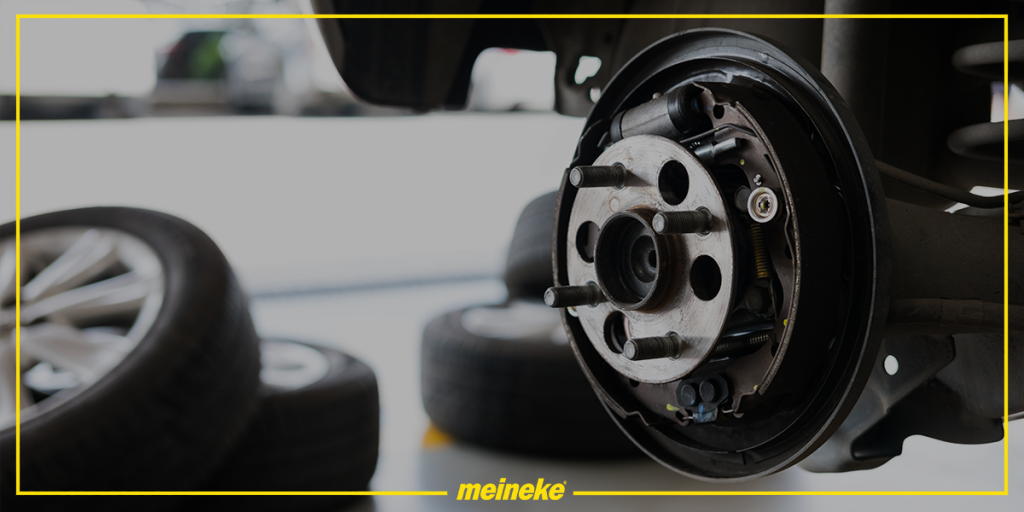
Wheel bearings are sets of steel balls (or rollers) held together by a metal ring, called a race. They sit inside a hub and let your wheels spin with minimum friction. Every wheel on your car has a bearing, and they are built to last a long time—often over 100,000 miles. But just like any mechanical part, they can wear out.
A worn or damaged wheel bearing affects not only your comfort but also your safety. The wheel could even come loose if the bearing fails completely. That’s why early detection is so important.
Why Do Wheel Bearings Wear Out?
Wheel bearings face tough conditions. They carry the weight of your car, absorb shocks from potholes, and handle the force of turning and braking. Over time, these stresses cause the bearing to break down. Some common reasons for bearing failure include:
- Water intrusion: Driving through deep water can let moisture into the bearing, causing rust.
- Poor road conditions: Hitting curbs or potholes damages the bearing.
- Improper installation: If the bearing is not installed correctly, it wears out faster.
- Lack of lubrication: Bearings need grease to work smoothly. If the seal fails, grease leaks out, and the bearing grinds itself down.
Most wheel bearings are sealed and cannot be lubricated or repaired—they must be replaced as a unit.
Major Signs You Need Wheel Bearing Replacement
Knowing the signs of a failing wheel bearing helps you act before things get worse. Here are the most common and reliable signs:
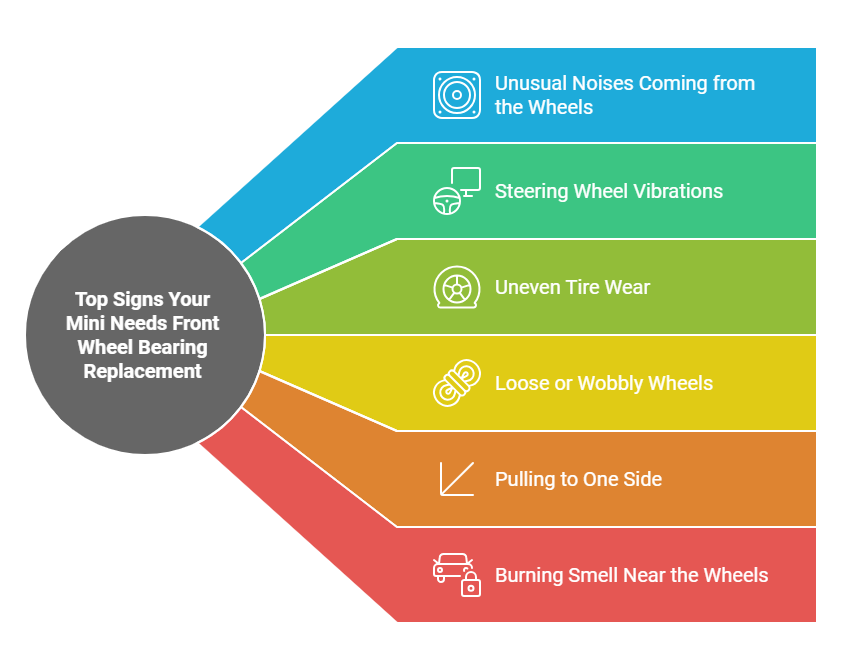
1. Unusual Noises From The Wheel Area
One of the earliest warning signs is strange noises coming from your wheels. These can sound like grinding, humming, or growling. The sound often gets louder when you accelerate or turn. It’s usually heard from one corner of the vehicle.
Real-life Example:
A driver noticed a humming sound while driving at 40 mph. The noise became a grinding sound when making left turns. Inspection found the right front wheel bearing was failing.
2. Vibration In The Steering Wheel
A worn wheel bearing can cause vibration in the steering wheel, especially at higher speeds. This vibration can feel similar to unbalanced tires, but if you recently had your tires balanced or replaced, it’s smart to check the bearings.
3. Uneven Or Abnormal Tire Wear
Bad wheel bearings can cause your tires to wear unevenly. You might see cupping, feathering, or one tire wearing out faster than the others. This happens because the damaged bearing allows the wheel to wobble.
4. Wheel Play Or Looseness
If you jack up your car and try to wiggle a wheel side-to-side or top-to-bottom, there should be almost no movement. Excessive play means the bearing is no longer holding the wheel tightly. This is a clear sign replacement is needed.
5. Abs System Warning Light
Modern cars use wheel speed sensors (part of the ABS system) near the wheel bearings. If a bearing is loose or worn, it can trigger the ABS warning light on your dashboard. Although many things can cause this light, a bad bearing is one possible reason.
6. Car Pulls To One Side
A failing wheel bearing can make your vehicle pull to one side. You may feel the car drifting or tugging, especially when braking. This happens because the damaged bearing changes the angle of the wheel.
7. Burning Smell Near The Wheel
When a bearing overheats, it may cause a burning smell near the wheel, sometimes with smoke. This is a serious sign. The bearing could seize, causing the wheel to lock up.
8. Decreased Fuel Efficiency
A failing wheel bearing creates more friction, forcing your engine to work harder. This can result in lower gas mileage. While many things affect fuel economy, a sudden drop—combined with other symptoms—suggests a possible bearing issue. According to the National Highway Traffic Safety Administration, properly maintained tires at the correct pressure improve safety, handling, and fuel economy.
9. Knocking Or Clunking Noises
Sometimes, you may hear knocking or clunking sounds, especially when turning or going over bumps. This could mean the bearing or another suspension part is loose or damaged.
10. Steering Feels Loose Or Less Responsive
A bad wheel bearing can make your steering feel loose or less precise. You might notice more play in the steering wheel or that it’s harder to keep the car in a straight line.
Comparing Wheel Bearing Failure With Other Problems
It’s easy to confuse bearing problems with other car issues, like bad tires or suspension trouble. Here’s a comparison to help:
| Symptom | Possible Cause: Wheel Bearing | Possible Cause: Tire/Suspension |
|---|---|---|
| Humming noise while driving | Very likely | Possible (tire cupping) |
| Steering wheel vibration | Likely at higher speeds | Very common (unbalanced tires) |
| ABS warning light | Possible | Unlikely |
| Uneven tire wear | Possible | Very common |
Credit: www.protechservice.com
How To Confirm A Bad Wheel Bearing
You might hear noises or feel vibrations, but how can you be sure the bearing is the problem?
- Lift and Wiggle Test: Raise the car and grasp the tire at the top and bottom. Try to rock it back and forth. Any movement usually means a worn bearing or ball joint.
- Spin Test: Spin the wheel by hand. Listen for grinding or roughness.
- Mechanic’s Stethoscope: Mechanics sometimes use a stethoscope to listen for noise at the hub.
- Road Test: Drive at moderate speed and gently turn the wheel left and right. If the noise changes or gets louder, the outside wheel’s bearing may be bad.
It’s important to note that some symptoms can come from other parts, like worn brakes or bad tires. If you’re not sure, get a professional inspection.
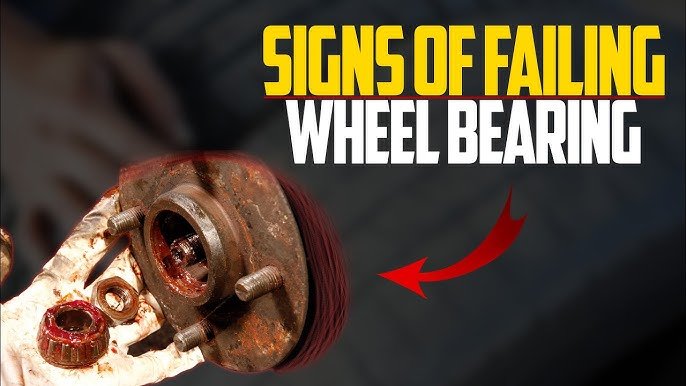
The Dangers Of Ignoring Wheel Bearing Problems
Ignoring a bad wheel bearing can lead to:
- Wheel detachment: In rare cases, the wheel can separate from the car.
- Brake failure: A failed bearing can damage the brake system.
- More expensive repairs: Waiting too long can damage the hub, spindle, or axle.
- Accidents: Loss of control is possible if the bearing completely fails.
Don’t wait until it’s too late. Replacing a bearing is much cheaper than fixing the damage from a failed one.
Credit: www.youtube.com
How Long Do Wheel Bearings Last?
Modern wheel bearings often last between 85,000 and 100,000 miles. But their lifespan depends on driving conditions, road quality, and car type. If you drive on rough roads or through water, they may wear out faster.
Here’s a quick comparison of wheel bearing lifespans in different conditions:
| Condition | Average Lifespan |
|---|---|
| Normal city/highway driving | 100,000 miles |
| Pothole-heavy roads | 60,000 miles |
| Frequent off-road use | 40,000 miles |
| Flooded/very wet areas | 50,000 miles |
Non-obvious Signs Most Drivers Miss
Besides the obvious noises and vibrations, there are a few subtle clues:
- Inconsistent Braking: Sometimes, the brake pedal feels soft or spongy. This can happen because a loose bearing affects the way the brake caliper sits.
- Unexplained Alignment Changes: If your car suddenly needs frequent wheel alignments, a bad bearing could be the hidden cause.
Many drivers only pay attention to loud noises, but these smaller hints often show up first.
What To Do If You Suspect A Bad Wheel Bearing
If you notice one or more of the signs above:
- Check your wheels: Safely jack up your car and test for looseness.
- Listen carefully: Try to identify which wheel makes noise.
- Avoid long drives: Don’t travel far until you fix the problem.
- See a mechanic: A professional can confirm the issue and replace the bearing.
Replacing a wheel bearing requires special tools and skill. It’s not a do-it-yourself job for most people.
Wheel Bearing Replacement: What To Expect
When you take your car to a repair shop for a wheel bearing replacement, here’s what usually happens:
- The mechanic lifts the car and removes the wheel.
- The brake caliper and rotor are removed.
- The damaged bearing is pressed or unbolted from the hub.
- A new bearing is installed and all parts are reassembled.
The job usually takes 1 to 2 hours per wheel. The cost depends on your car type and location but usually ranges from $200 to $400 per bearing (parts and labor).
Preventing Premature Wheel Bearing Failure
While you can’t stop all wear and tear, you can extend bearing life by:
- Avoiding potholes and curbs: Drive carefully on rough roads.
- Not overloading your car: Heavy loads put extra stress on bearings.
- Fixing leaks quickly: If you see grease around your wheels, get it checked.
- Regular inspections: Have your mechanic check the bearings during tire rotations or brake service.
Common Mistakes Drivers Make
- Ignoring early signs: Waiting for loud noises can lead to more damage.
- Replacing only one bearing: If one side is bad, the other may fail soon. Ask your mechanic if both need replacing.
- Confusing symptoms: Not all noises come from bearings. Proper diagnosis is key.
Credit: www.meineke.com
Frequently Asked Questions
What Does A Bad Wheel Bearing Sound Like?
A bad wheel bearing usually makes a humming, grinding, or growling sound. The noise often gets louder as you drive faster or when turning. Some people compare it to the sound of worn-out tires.
Can I Drive With A Bad Wheel Bearing?
You should not drive with a bad wheel bearing. The risk of wheel detachment or brake failure is real. If you must drive, keep your speed low and go directly to a repair shop.
How Much Does It Cost To Replace A Wheel Bearing?
Most cars cost between $200 and $400 per wheel, including parts and labor. Luxury or performance vehicles may cost more. Prices vary by location and car model.
Will A Bad Wheel Bearing Cause Tire Wear?
Yes, a failing wheel bearing can cause uneven or abnormal tire wear. If you notice strange patterns on your tires, have your bearings checked along with your suspension.
Can I Replace A Wheel Bearing Myself?
Replacing a wheel bearing is a complex job. It requires special tools (like a press) and mechanical skill. Most drivers should have a professional handle this repair. For more details on wheel bearings, you can visit the Wikipedia page on wheel bearings.
Spotting wheel bearing replacement signs early helps you avoid bigger problems and stay safe on the road. Don’t ignore strange noises, vibrations, or warning lights. If in doubt, ask a trusted mechanic to check your car—your safety depends on it.