
When your car’s check engine light starts flashing, it can feel like an emergency. Many drivers have seen this light turn on before, but a flashing check engine light is different from a steady one. It means your car needs attention right away—not next week, not tomorrow, but now. Ignoring it can lead to serious and expensive damage. In this article, you’ll learn why your check engine light might be flashing, what to do if it happens, and how to prevent future issues. Even if you’re not a car expert, you’ll understand what’s happening and how to respond safely.
What Is The Check Engine Light?
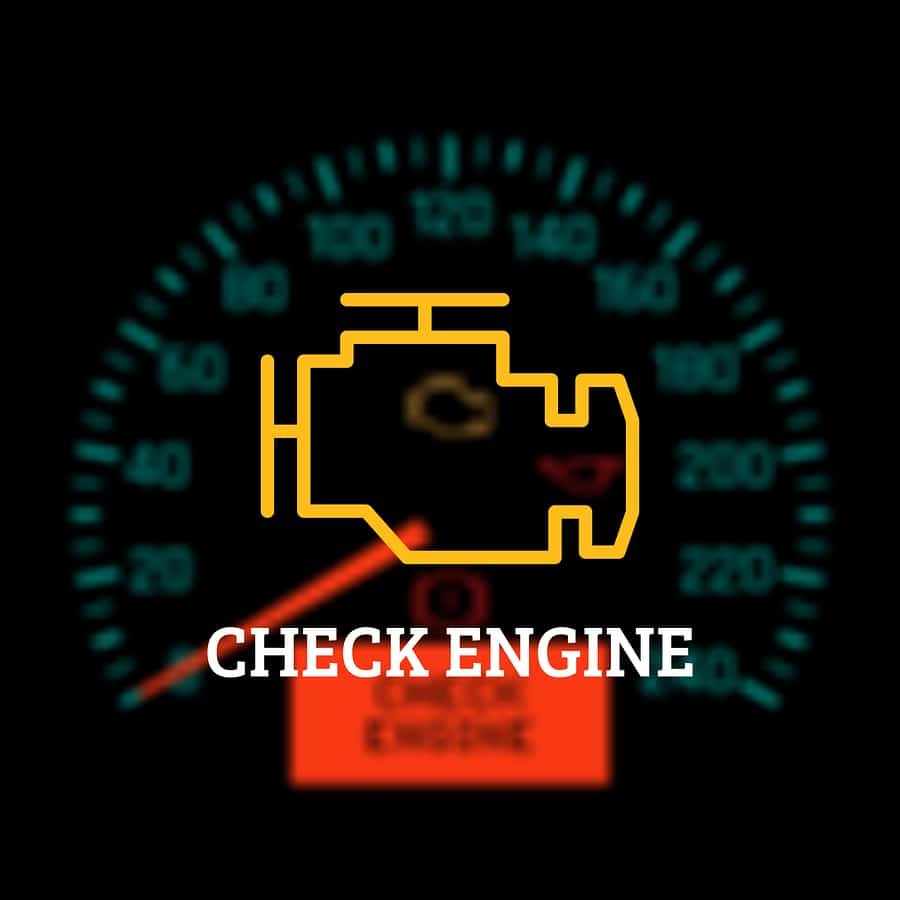
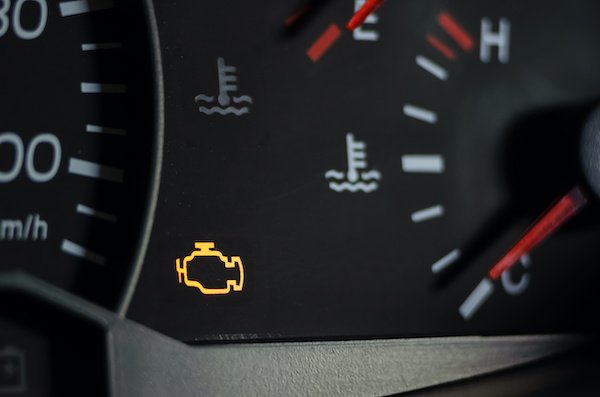
The check engine light is part of your car’s onboard diagnostics system. When it lights up, it means the car’s computer has found a problem. If it’s steady, the issue is usually not urgent. But if it’s flashing, there’s a severe problem, often with the engine or emissions system.
Flashing Vs. Steady
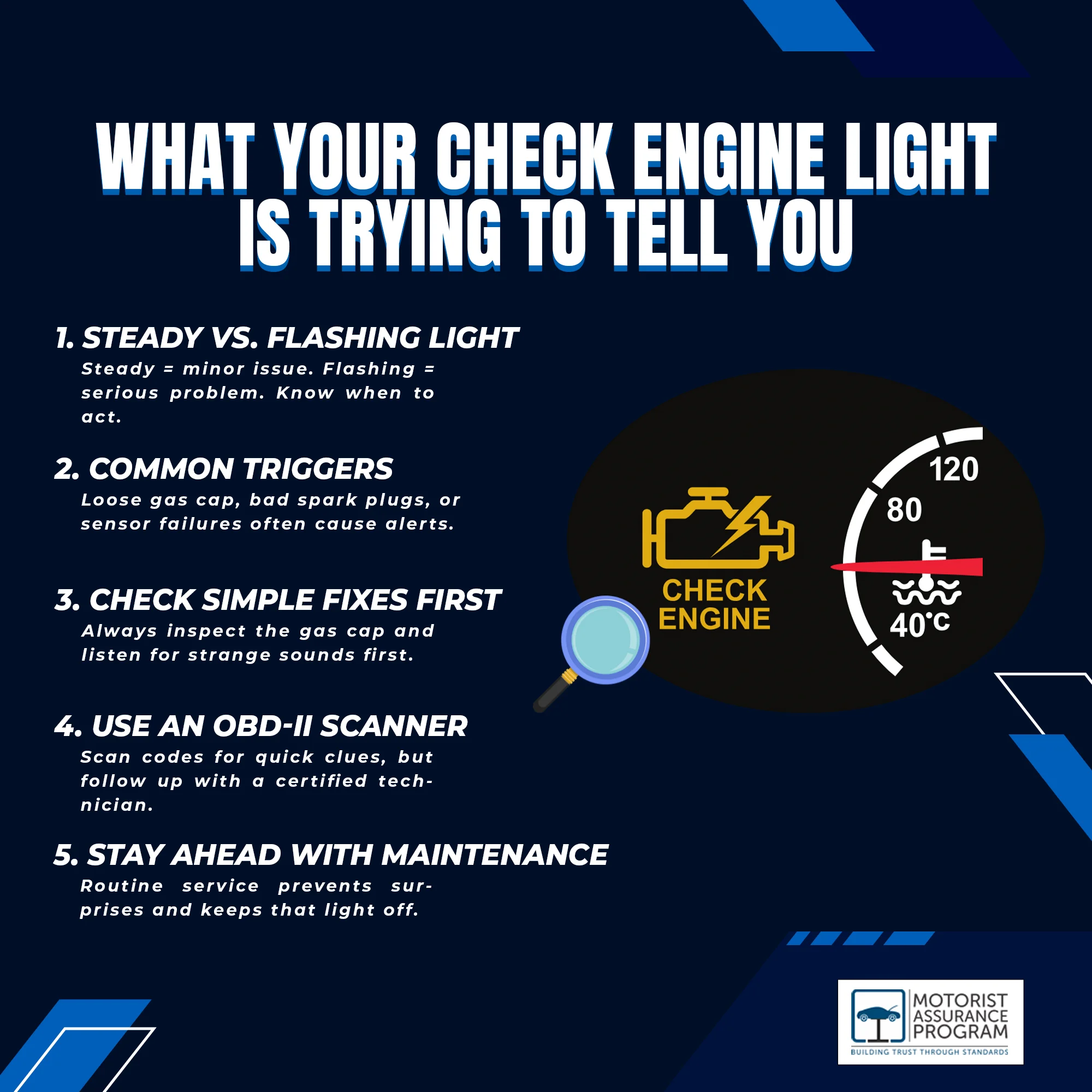
- Steady light: A problem exists, but it’s not urgent. You should check it soon.
- Flashing light: A serious issue, often misfire, that could damage the engine or catalytic converter if you keep driving.
Many people don’t realize this difference. Waiting or ignoring a flashing light can make small problems much bigger—and far more expensive.
Common Reasons For A Flashing Check Engine Light
A flashing check engine light often means the engine is misfiring badly. But other problems can trigger it, too. Here are the most common causes:
1. Engine Misfire
This is the most frequent reason. A misfire happens when one or more cylinders in the engine fail to ignite fuel properly. This can cause:
- Rough running
- Shaking or vibration
- Loss of power
Misfires can damage the catalytic converter quickly because unburned fuel reaches it, causing it to overheat.
2. Faulty Spark Plugs Or Ignition Coils
Spark plugs ignite the air-fuel mixture in the engine. If they’re old, dirty, or damaged, they can cause misfires. Ignition coils send electricity to the spark plugs. If a coil fails, the spark plug doesn’t fire, and you get a misfire.
3. Fuel System Problems
If your car isn’t getting the right amount of fuel, it can misfire and make the check engine light flash. Common issues include:
- Clogged fuel injectors
- Weak fuel pump
- Bad fuel filter
4. Faulty Sensors (oxygen Or Mass Air Flow)
Oxygen sensors measure the amount of oxygen in exhaust gases. Mass air flow sensors measure air entering the engine. If these sensors give wrong readings, the engine can run poorly, causing misfires and a flashing light.
5. Catalytic Converter Failure
A damaged catalytic converter can trigger a flashing check engine light. This part converts harmful gases from your engine into safer ones. If it’s clogged or broken, you might smell rotten eggs or see reduced engine power.
6. Engine Control Unit (ecu) Problems
The ECU is your car’s main computer. If it malfunctions, it may send wrong signals to the engine, causing misfires or other problems.
7. Vacuum Leaks
A vacuum leak means extra air gets into the engine, upsetting the balance of fuel and air. This can cause rough running, misfires, and a flashing check engine light.
8. Bad Fuel
Sometimes, using low-quality or contaminated fuel can cause misfires. Water in the gas tank or wrong octane fuel can trigger the light.
9. Emissions System Faults
Parts like the EGR valve (exhaust gas recirculation) or PCV valve (positive crankcase ventilation) help control emissions. If they fail, engine performance drops, and the check engine light may flash.
10. Severe Engine Overheating
If your engine overheats, it can cause misfires and other damage. An overheating engine can quickly trigger a flashing check engine light.
What To Do If Your Check Engine Light Is Flashing
If you see a flashing check engine light, don’t panic, but act quickly:
- Slow down and reduce engine load. Avoid hard acceleration or high speeds.
- Pull over safely. Find a safe place to stop as soon as you can.
- Turn off the engine. Let it rest for a few minutes.
- Check for obvious signs. Look for smoke, strong fuel smells, or strange noises.
- Call for help. If the light stays on when you restart, call a mechanic or roadside assistance.
Do not keep driving with a flashing check engine light unless you must reach a safe location. You could cause permanent, costly damage.
How A Mechanic Diagnoses The Problem
A good mechanic uses tools and experience to find the cause. Here’s how the process usually works:
- Scan for error codes. Mechanics use a scanner to read codes from your car’s computer.
- Visual inspection. They check for obvious problems, like loose wires or damaged hoses.
- Test key parts. They may test spark plugs, coils, sensors, and fuel pressure.
- Road test. Sometimes, driving the car helps find intermittent issues.
Here’s a simple comparison of common diagnostic steps and the time they might take:
| Diagnostic Step | Time Needed | Tools Required |
|---|---|---|
| Scanning Error Codes | 5-10 minutes | OBD-II scanner |
| Visual Inspection | 10-15 minutes | Basic hand tools, flashlight |
| Testing Spark Plugs/Coils | 20-30 minutes | Multimeter, spark plug tester |
| Fuel Pressure Test | 20-30 minutes | Fuel pressure gauge |
Why You Should Never Ignore A Flashing Check Engine Light
Many people try to save time or money by ignoring warning lights. This can turn a small problem into a big one. Here’s why acting fast is important:
- Catalytic converter damage: Replacing this part can cost $1,000 or more.
- Engine damage: Misfires can damage pistons, valves, and other expensive parts.
- Safety risk: A misfiring engine can stall in traffic, causing danger.
In simple terms, a flashing check engine light is your car’s way of saying, “Stop before it gets worse. ”
Real-life Example: Cost Of Waiting
Imagine your car starts to misfire on the highway, and the check engine light flashes. You decide to keep driving, hoping it will go away. After 20 miles, your car loses power and makes a loud banging noise. The mechanic later tells you that the catalytic converter is ruined, and the engine head is damaged. The repair cost: over $2,500. If you had stopped and called for help, the repair might only have been $200 for new spark plugs. According to the U.S. Environmental Protection Agency, vehicle emissions standards and onboard diagnostic systems are designed to identify problems that can increase pollution.
Credit: www.hollenshades.com
How To Prevent A Flashing Check Engine Light
You can’t avoid every problem, but regular care reduces your risk:
- Change spark plugs and wires as recommended by your car’s manual.
- Use high-quality fuel from trusted stations.
- Replace air and fuel filters regularly.
- Don’t ignore small engine problems—fix them early.
- Get regular check-ups by a qualified mechanic.
Here’s a comparison of routine maintenance and how often you should do them:
| Maintenance Task | Recommended Interval | Potential Issues Prevented |
|---|---|---|
| Spark Plug Replacement | 30,000–100,000 miles | Misfires, poor fuel economy |
| Fuel Filter Change | 20,000–40,000 miles | Fuel starvation, misfire |
| Air Filter Change | 15,000–30,000 miles | Poor engine performance |
| Oxygen Sensor Check | Every 60,000 miles | Emissions problems |
Common Mistakes When Dealing With A Flashing Check Engine Light
Some actions can make things worse. Here are mistakes to avoid:
- Ignoring the light and driving as normal.
- Trying random “fixes” without diagnosis. Swapping parts blindly can waste money.
- Clearing codes with a scanner before fixing the problem. This hides the real issue from mechanics.
- Using fuel additives as a cure-all. These rarely solve serious problems.
Many beginners think a code reader will tell them exactly what to replace. But codes often point to symptoms, not the cause. Trust a professional for a proper diagnosis.
Credit: www.theautodoc.net
How Much Does It Cost To Fix?
The repair cost depends on the cause. Here’s a rough guide:
| Problem | Average Repair Cost (USD) |
|---|---|
| Spark Plug/Coil Replacement | $100–$350 |
| Fuel Injector Service | $150–$400 |
| Oxygen Sensor Replacement | $200–$300 |
| Catalytic Converter Replacement | $900–$2,500 |
| ECU Repair | $300–$1,000 |
These are average costs in the US as of 2024. Prices may vary by car type and location.
Two Insights Most People Miss
- A flashing check engine light usually means a misfire, not just any engine fault. Many people think all check engine lights are equal, but flashing is more urgent.
- Driving even a short distance with a flashing light can destroy your catalytic converter. Sometimes, just a few minutes of driving can turn a $100 repair into a $2,000 bill.
Credit: motorist.org
When Is It Safe To Drive With The Light Flashing?
In almost all cases, you should not drive with a flashing check engine light. The only exception is if you must move the car to a safe place or off a busy road. Even then, drive gently and keep the engine load low.
Should You Buy A Cheap Code Reader?
Basic code readers are useful for seeing what’s wrong, but they rarely tell the full story. For example, a “misfire” code could be caused by many things—spark plugs, coils, fuel, or sensors. Use a reader for information, but get a professional diagnosis before spending money on parts.
For more technical details, you can visit the Wikipedia page on On-Board Diagnostics.
Frequently Asked Questions
Why Does A Flashing Check Engine Light Mean Stop Driving?
A flashing check engine light means your engine is misfiring badly. This can quickly damage the catalytic converter, which is very expensive to replace. Stopping right away reduces the risk of major damage.
Is It Safe To Drive A Short Distance With The Light Flashing?
It’s best not to drive at all. Only drive a short distance if you must move to a safe place, and do so slowly. The longer you drive, the higher the risk of serious engine or emissions damage.
Can Low-quality Fuel Cause A Flashing Check Engine Light?
Yes. Bad or contaminated fuel can cause the engine to misfire, which may trigger a flashing check engine light. Always use good quality fuel from trusted stations.
Will The Check Engine Light Turn Off By Itself?
If the problem goes away (for example, after fixing a loose gas cap), the light may turn off. But with a flashing light, the issue usually needs a proper repair. Don’t just wait and hope it disappears.
How Do I Know If My Catalytic Converter Is Already Damaged?
Common signs are a strong sulfur smell (like rotten eggs), loss of engine power, or loud rattling noises under the car. A mechanic can test the converter to confirm if it’s damaged.
Taking quick action when you see a flashing check engine light can save your car—and your wallet. Pay attention to what your car is telling you, and don’t wait to get help. Your car will thank you with many more trouble-free miles.