
Keeping your car’s windshield clean is about more than just looking good. Clear glass helps you see the road and drive safely, especially in rain, snow, or dusty conditions. That’s why windshield washer fluid is essential for every vehicle. Yet, many drivers don’t know how to refill it, what type to use, or how to avoid common mistakes. This guide gives you all the answers, with clear steps and expert tips, so you can confidently handle your own windshield washer fluid refill.
Why Windshield Washer Fluid Matters
A dirty windshield can quickly become dangerous. Road grime, bugs, tree sap, and mud all block your view. Wipers alone can’t remove sticky dirt — they just smear it around. That’s where washer fluid comes in. It’s specially made to dissolve dirt, so your wipers can clear it away.
Some people try to save money by using plain water instead of real washer fluid. But water can freeze in cold weather, causing damage to your car’s system. Also, water doesn’t remove oily grime well and can lead to bacteria growth in the tank.
Real washer fluid contains detergents and anti-freeze ingredients to keep your windshield clean and your system safe.
Signs You Need A Windshield Washer Fluid Refill
It’s easy to forget about your washer fluid until you really need it. Watch for these common signs that it’s time to refill:
- The washer fluid light comes on (in cars with sensors)
- The spray is weak or stops completely
- The wipers leave streaks after spraying
- You hear the pump running, but no fluid comes out
Some cars don’t have a warning light, so it’s smart to check the fluid level every month, or before long trips.
Types Of Windshield Washer Fluid
Not all fluids are the same. Choosing the right one depends on your local climate and driving conditions. Here’s a quick overview:
| Type | Main Feature | Best For |
|---|---|---|
| Standard (Summer) | Dissolves bugs and grime | Warm weather |
| Winter/De-icing | Prevents freezing, melts ice | Cold climates |
| Bug Remover | Extra cleaning power for insects | Rural/highway driving |
| All-season | Works in most weather, anti-freeze protection | Variable climates |
Key insight: Some winter fluids protect to -20°C (-4°F) or lower. Check the label for the lowest temperature, especially if you live in a very cold area.
How To Choose The Right Fluid
Picking the correct washer fluid is simple if you know what matters:
- Climate: In freezing regions, always use a winter or all-season fluid with anti-freeze.
- Driving habits: If you drive on highways or near farms, a bug remover formula helps.
- Price: Generic and name-brand fluids often work equally well, but avoid the cheapest brands if the ingredients look suspicious.
- Additives: Some fluids claim to repel rain or add a shine. These are optional, not essential.
A common mistake is mixing different types (like summer and winter fluid). This can reduce performance. If you need to switch, use up or drain the old fluid first.
Credit: www.siddillonmazda.com
Step-by-step: How To Refill Windshield Washer Fluid
Refilling is easy and takes just a few minutes. Here’s how to do it safely:
1. Park Your Car Safely
Turn off the engine and let it cool down if you were driving. Open the hood and secure it with the prop rod.
2. Find The Washer Fluid Reservoir
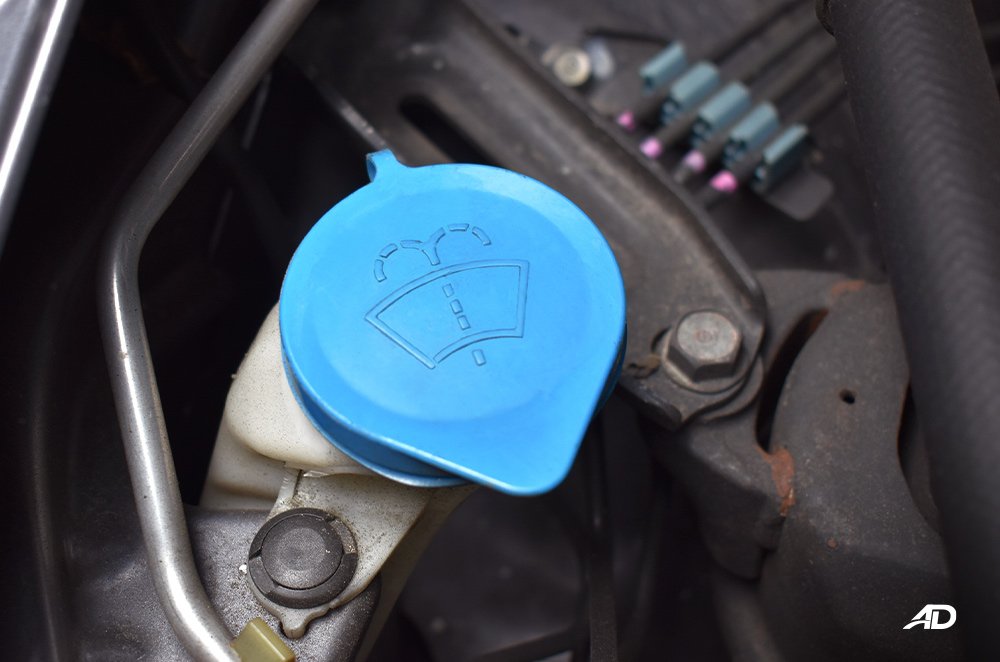
Look for a plastic tank, often near the front of the engine bay. The cap usually has a windshield/water symbol. If unsure, check your owner’s manual.
3. Open The Cap
Wipe dirt from the cap so it doesn’t fall in. Twist off or flip open the cap.
4. Check Fluid Level
Most tanks are see-through, with “full” and “low” lines. If you can’t see inside, shine a flashlight to check the level.
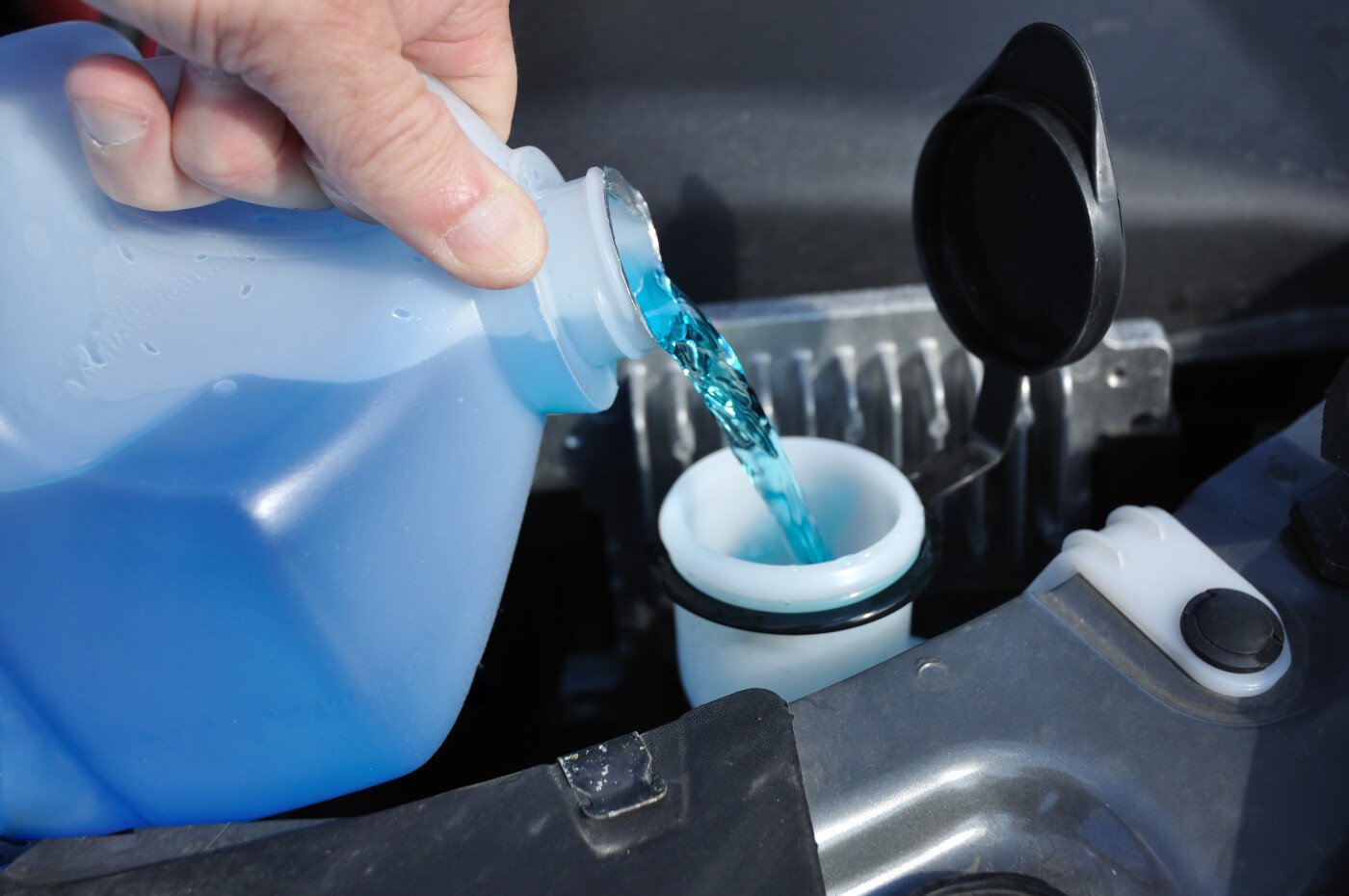
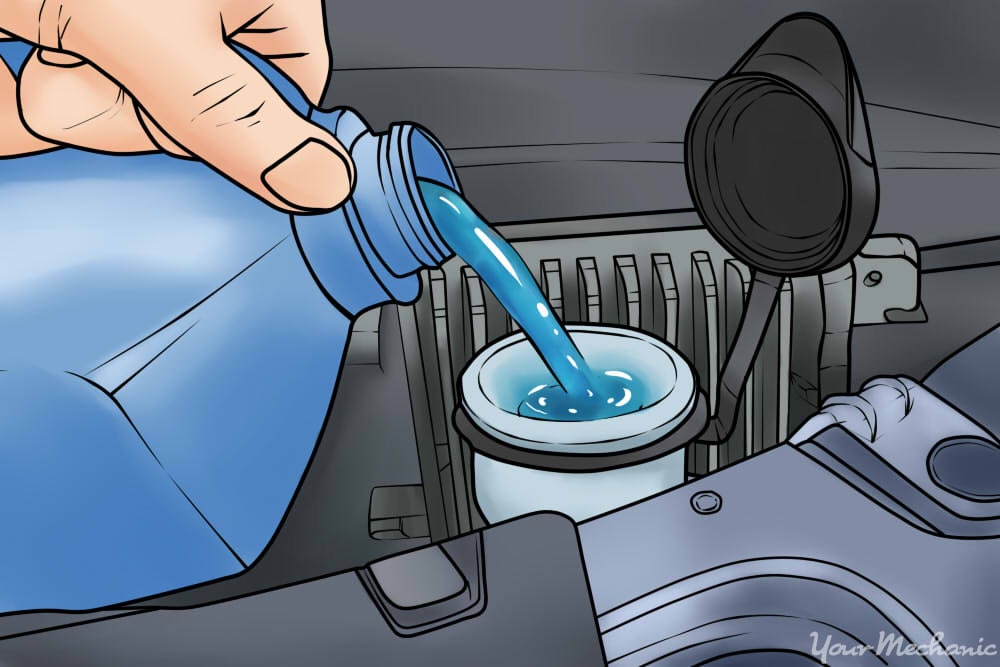
5. Pour In The Washer Fluid
Using a funnel helps avoid spills. Pour slowly until the fluid reaches the “full” line. Don’t overfill — leave space for expansion.
6. Close The Cap And Hood
Secure the cap tightly. Lower the hood and make sure it’s latched.
7. Test The System
Turn on your car and spray the windshield to check that the fluid comes out well.
Pro tip: If you live somewhere with very cold winters, run the sprayer for several seconds after refilling. This pulls the new, freeze-resistant fluid through the lines.
Common Mistakes And How To Avoid Them
Even simple jobs have pitfalls. Avoid these errors:
- Using plain water: Risk of freezing and poor cleaning
- Pouring into the wrong tank: Don’t confuse the washer reservoir with coolant, brake, or power steering tanks. Check the cap symbol.
- Mixing incompatible fluids: Can cause gelling or reduce effectiveness
- Overfilling: May lead to leaks or spills
- Forgetting to check before trips: Running out on the road is inconvenient and unsafe
One beginner mistake people often make is assuming all washer fluid is safe for their car. Some luxury cars need special low-foam or scent-free formulas to avoid damaging sensors.
Credit: www.yourmechanic.com
How Often Should You Refill?
How often you need to refill depends on your driving and climate. In hot, dry, or bug-heavy areas, you’ll use more fluid. Most drivers refill every 1–3 months. During winter or rainy seasons, check every few weeks.
A good habit is to check the washer fluid at every oil change, or at least once a month.
Is It Safe To Mix Washer Fluids?
Mixing similar types (such as two brands of all-season fluid) is usually safe. But mixing summer and winter formulas can lower freeze protection. If you switch to a winter fluid, it’s better to use up or drain the summer fluid first.
Some specialized fluids (like rain-repellent or concentrated types) may not mix well with basic fluids. Always read the label.
Credit: www.autodeal.com.ph
Can You Make Your Own Washer Fluid?
Some people make homemade washer fluid from water, vinegar, and a drop of dish soap. While this can work in summer, it’s risky in winter because it can freeze. Homemade mixes also lack the cleaning power and anti-bacterial agents of commercial products.
If you want to save money, buying concentrated washer fluid (to mix with water) is a safe option. Just follow the dilution instructions carefully.
What To Do If The Washer Fluid Won’t Spray
If you refill the tank but nothing sprays, check for these issues:
- Clogged nozzles: Dirt or wax can block the spray holes. Clean them with a pin or needle.
- Frozen lines: If you used water or summer fluid in winter, lines may freeze. Move the car to a warm place and refill with winter fluid.
- Broken pump or fuse: Listen for the pump’s sound when you try to spray. If silent, check the fuse or pump.
Here’s a quick comparison of possible problems and solutions:
| Problem | Likely Cause | What to Do |
|---|---|---|
| No spray, pump runs | Clogged nozzle or empty tank | Clean nozzle, refill fluid |
| No spray, no pump sound | Blown fuse or faulty pump | Check fuse, repair pump |
| Spray works, weak flow | Low fluid or partial clog | Top up, clean nozzle |
| Frozen spray | Water or wrong fluid in cold | Thaw and use winter fluid |
Environmental And Health Tips
Many washer fluids contain methanol, a toxic alcohol. Never drink or inhale it. Store bottles out of reach of children and pets. Some eco-friendly fluids use ethanol or less harmful chemicals, but always read the label.
Old fluid can grow bacteria. If your car sits unused for months, flush and refill with fresh fluid.
Used bottles and leftover fluid should be recycled or disposed of as hazardous waste, depending on local rules.
How To Save Money And Time
Washer fluid is usually cheap, but you can save more by:
- Buying in bulk (large jugs cost less per liter)
- Using concentrates and mixing with water (in summer only)
- Refilling before you’re completely empty, to avoid running out at a bad time
Don’t be tempted by “miracle” fluids at high prices. Most vehicles do fine with basic, name-brand fluids.
When To Get Professional Help
Most people can refill washer fluid themselves. But ask a mechanic if:
- The tank leaks or empties quickly (could be a cracked reservoir)
- The system still doesn’t spray after you refill and clean nozzles
- You see warning lights you don’t understand
Remember, a clean windshield is vital for safety. If you’re unsure, it’s better to ask for help than risk poor visibility.
Quick Recap: Key Points To Remember
- Always use real washer fluid, not water
- Choose the right type for your climate
- Check the fluid level monthly
- Avoid mixing different types of fluid
- Never drink or touch washer fluid with bare hands
Frequently Asked Questions
What Happens If I Use Water Instead Of Washer Fluid?
Using water can cause the system to freeze in cold weather, leading to cracks or broken parts. Water also doesn’t clean as well and can allow bacteria to grow. Always use proper washer fluid for best results.
How Do I Know Which Washer Fluid To Buy?
Check your climate and driving needs. For cold areas, use a winter or all-season fluid. For bugs or heavy dirt, a bug remover formula helps. Read your car’s manual for special requirements.
Can I Add Washer Fluid When The Tank Is Half Full?
Yes, you can top up the tank at any time. Just avoid mixing summer and winter fluids if possible, as this can lower freeze protection.
Is It Safe To Touch Windshield Washer Fluid?
No, most washer fluids contain toxic chemicals. If you spill some on your skin, wash it off right away. Keep it away from children and pets.
Where Can I Learn More About Windshield Washer Fluids?
For detailed information on different types of fluids and their ingredients, visit the Wikipedia page on windshield washer fluid.
Refilling your windshield washer fluid is quick, easy, and helps keep you safe on the road. With the right fluid and a few simple steps, you’ll always have a clear view — no matter the weather.