
The Chevy Silverado has earned a strong reputation among pickup trucks, loved for its toughness and reliability. But not all Silverado years are equal. Some models have caused owners serious headaches, leading to expensive repairs and disappointing performance. If you’re thinking about buying a used Silverado, knowing which years to avoid can save you money and frustration. Let’s look deeper into the worst years for Chevy Silverado and why these years stand out for the wrong reasons.
Why Some Silverado Years Are Worse Than Others
Every vehicle line has its highs and lows, and the Silverado is no exception. Poor manufacturing decisions, new technology that wasn’t ready, or even supply chain issues can cause certain model years to suffer more problems. In the Silverado’s history, a few years had widespread complaints, recalls, and even safety risks.
Understanding what went wrong in these years can help you make a smarter purchase.
The Most Problematic Chevy Silverado Years
Below, we explore the worst years Chevy Silverado to avoid. Each year listed is based on owner complaints, repair statistics, and expert opinions from mechanics.
1. 2007 Chevy Silverado
The 2007 Silverado marked the start of a new generation, but it brought many issues. Owners reported problems with the transmission, such as hard shifting and slipping gears, sometimes before reaching 50,000 miles. Electrical issues were common, especially with the dashboard gauges and door locks failing. Rust on the frame and undercarriage was also widespread, even in trucks only a few years old.
A key reason for these troubles was the rushed rollout of new features, like the redesigned body and updated electronics. The combination led to reliability concerns that cost owners thousands in repairs.
2. 2014 Chevy Silverado
The 2014 model introduced major updates, but also significant headaches. One of the biggest issues was with the electrical system—from failing radio and touchscreens to random warning lights. Many drivers experienced a stabilitrak (traction control) failure, causing sudden power loss while driving.
Another problem was the air conditioning. Many 2014 Silverados developed leaks in the A/C condenser, leaving owners with hot cabins and costly fixes. These problems often appeared just after the warranty expired, leaving owners with large bills.
3. 2015 Chevy Silverado
The 2015 Silverado continued several of the 2014’s problems. Electrical gremlins, including faulty radios and warning lights, were still an issue. The transmission also received complaints for harsh shifting and “shuddering” at low speeds.
A unique issue for the 2015 was engine stalling at stoplights or while idling, sometimes linked to the fuel system. This made the truck less reliable for city driving. Many owners felt the quality dropped compared to earlier models.
4. 2016 Chevy Silverado
In 2016, Chevrolet made some improvements, but several issues remained. Transmission problems were still common, especially with the 8-speed automatic. Drivers complained about “lurching” when shifting from park to drive.
The infotainment system caused headaches, with freezing screens and poor Bluetooth connectivity. Air conditioning failures continued to be reported, often needing expensive replacements. Some owners experienced brake system issues, a serious concern for a heavy truck.
5. 2017 Chevy Silverado
The 2017 model is known for its transmission trouble, especially the 8-speed. Owners noted rough shifting and “clunking” sounds, sometimes leading to full transmission replacement before 60,000 miles.
A less obvious problem was the fuel injector system. Faulty injectors caused poor fuel economy and, in some cases, engine misfires. The cost of repairs was high, and many owners reported repeated trips to the dealership.
6. 1999–2003 Chevy Silverado
The first generation Silverado (especially 1999–2003) had its own set of problems. Rust was a major issue, especially in areas with harsh winters. The ABS (anti-lock brake system) was unreliable, sometimes activating at low speeds and causing dangerous stops.
Electrical problems were frequent, including failing window motors and dashboard lights. While these trucks are now old, their history of problems makes them a risky buy for anyone looking for a “classic” Silverado.
7. 2004 Chevy Silverado
The 2004 Silverado continued the trend of electrical and brake issues. The most serious was the speedometer failure. Many owners suddenly found their speedometers showing the wrong speed, leading to tickets or worse.
Common complaints also included faulty fuel pumps and ongoing rust problems. For a truck expected to last hundreds of thousands of miles, these issues were disappointing.
8. 2005 Chevy Silverado
The 2005 model suffered from steering problems. Owners often reported a “clunking” noise or loose steering feel, traced to the intermediate steering shaft. While not always dangerous, it made the truck feel unstable and was expensive to repair.
Other common issues included fuel gauge inaccuracies and failing window regulators. While not as severe as other years, the 2005 still stands out for frequent complaints and repairs.
9. 2019 Chevy Silverado
The 2019 Silverado was a full redesign, but it didn’t escape early production flaws. Owners quickly noticed transmission problems, especially with rough shifting and jerking at low speeds.
Another key issue was with electronics. Touchscreen malfunctions, backup camera problems, and random warning lights were common. The 2019 also suffered from engine lifter failures (especially on V8 models), sometimes requiring engine replacement before 40,000 miles.
10. 2020 Chevy Silverado
The 2020 model continued several of the 2019’s issues. Engine problems were still a concern, with reports of ticking noises and misfires. The transmission was improved in some versions, but not all, so rough shifting continued for some drivers.
A new issue for 2020 was the advanced safety features. Blind-spot monitoring and lane-keep assist sometimes failed or gave false alerts, making the technology more annoying than helpful.
Common Problems Across Worst Silverado Years
To help you spot patterns, here’s a summary of the most frequent issues in these problematic Silverado years:
| Problem Area | Typical Symptoms | Repair Cost Estimate |
|---|---|---|
| Transmission | Hard shifting, slipping, clunking | $2,000 – $4,500 |
| Electrical System | Dead screens, failing gauges, bad sensors | $300 – $2,000 |
| Brakes/ABS | Unwanted activation, warning lights | $500 – $1,500 |
| Air Conditioning | No cold air, leaks | $900 – $1,500 |
| Engine | Stalling, misfires, lifter noise | $1,000 – $8,000 |
Non-obvious insight: Even when a problem seems small, it often affects other systems. For example, a bad transmission can lead to engine stress, and faulty electronics can disable safety features.
How The Silverado Compares To Other Trucks
Many buyers wonder if these problems are unique to the Silverado or common among all trucks. Let’s compare the Silverado to two close rivals: the Ford F-150 and the Ram 1500, focusing on problematic years and main complaints.
| Truck Model | Worst Years | Main Problems |
|---|---|---|
| Chevy Silverado | 2007, 2014-2017, 2019-2020 | Transmission, electronics, engine, brakes |
| Ford F-150 | 2004-2006, 2010, 2016 | Engine, spark plugs, transmission, rust |
| Ram 1500 | 2011, 2013-2014 | Transmission, suspension, electronics |
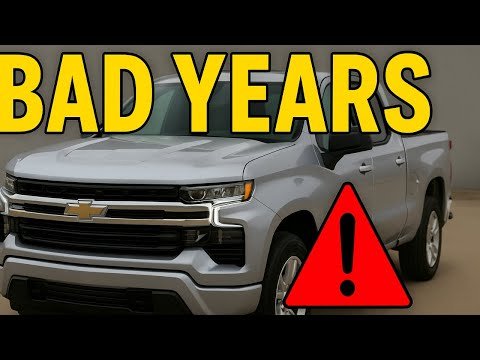
Non-obvious insight: While all trucks have bad years, the Silverado’s issues are often related to new technology launches or major redesigns. Waiting a year or two after a big update can help you avoid many problems.
Credit: www.youtube.com
Signs You’re Looking At A Problem Silverado
How can you tell if a used Silverado is from a bad year or has serious issues? Here are some clues to watch for:
- Service records with major repairs (transmission, engine, electronics)
- Warning lights on the dashboard during a test drive
- Rough shifting or delayed acceleration
- Electrical glitches (e.g., windows, locks, radio not working)
- Rust on the frame or underbody, even in newer trucks
- Unusual noises from the engine or transmission
Always have a trusted mechanic inspect the truck before buying. Many serious issues are hard for non-experts to spot.
What To Do If You Already Own A Problem Silverado
If you already have a Silverado from one of these bad years, don’t panic. Here’s what you can do:
- Keep up with regular maintenance. Oil changes, transmission fluid checks, and brake service can prevent bigger failures.
- Fix small problems early. Don’t ignore warning signs—early repairs often cost less.
- Check for recalls. Sometimes, issues are fixed for free. You can look up recalls on the NHTSA website.
- Consider selling or trading in if repair costs keep rising. Sometimes, it’s better to move on than keep pouring money into a problem truck.
Credit: www.copilotsearch.com
Alternatives: Silverado Years Known For Reliability
If you want a Silverado but want to avoid trouble, look for years with strong reliability records. Many experts recommend:
- 2006
- 2012–2013
- 2018
- 2021 and newer
These years have fewer complaints and better long-term durability. Still, always check the specific truck’s history before buying.
Frequently Asked Questions
Is Every Chevy Silverado From These Years Bad?
No, not every Silverado from these years will have problems. Some owners never experience major issues. However, these years have a much higher risk of expensive repairs based on data and owner reports.
Are Silverado Problems Always Covered By Warranty?
Most major issues appear just after the warranty ends. Some problems, like recalls, may be fixed by the dealer for free. Always check the warranty coverage before buying or repairing.
Which Silverado Engine Is The Most Reliable?
The 5.3L V8 is often rated as the most reliable engine, especially in years without major lifter or oil consumption problems. The 6.2L V8 and older V6 engines can also be good, but check maintenance history.
How Can I Find Out If A Silverado Has Recalls?
You can search by the truck’s VIN on the NHTSA recall lookup tool. This will show any open recalls and whether they’ve been fixed.
Should I Avoid Buying Used Silverados Entirely?
No, the Silverado can be a great truck if you choose a good year and check the vehicle’s history. Avoid the worst years, get a pre-purchase inspection, and you can still find a reliable, long-lasting pickup.
Buying a used truck is always a big decision. By knowing the worst years Chevy Silverado to avoid, you’re already ahead of many buyers. Take your time, do your research, and you’ll find a Silverado that serves you well for years to come.
Credit: www.youtube.com