
A yellow or red check engine light can turn a calm drive into a stressful situation. Many drivers are unsure what these colors mean, how they should respond, or what might happen if the warning is ignored. Understanding the difference between a yellow check engine light and a red check engine light is not just helpful—it can protect your car and your wallet. Let’s explore what each color means, what causes them, and how you should react for the best outcome.
Understanding The Check Engine Light
The check engine light is part of your car’s onboard diagnostics system. When the vehicle’s computer detects a problem with the engine, emission system, or other key parts, it turns on this warning. The color of the light—yellow or red—gives important clues about how serious the problem is.
Modern cars use two main colors for the check engine light:
- Yellow (or amber/orange)
- Red
Both colors mean something is wrong, but the level of urgency is very different.
What A Yellow Check Engine Light Means
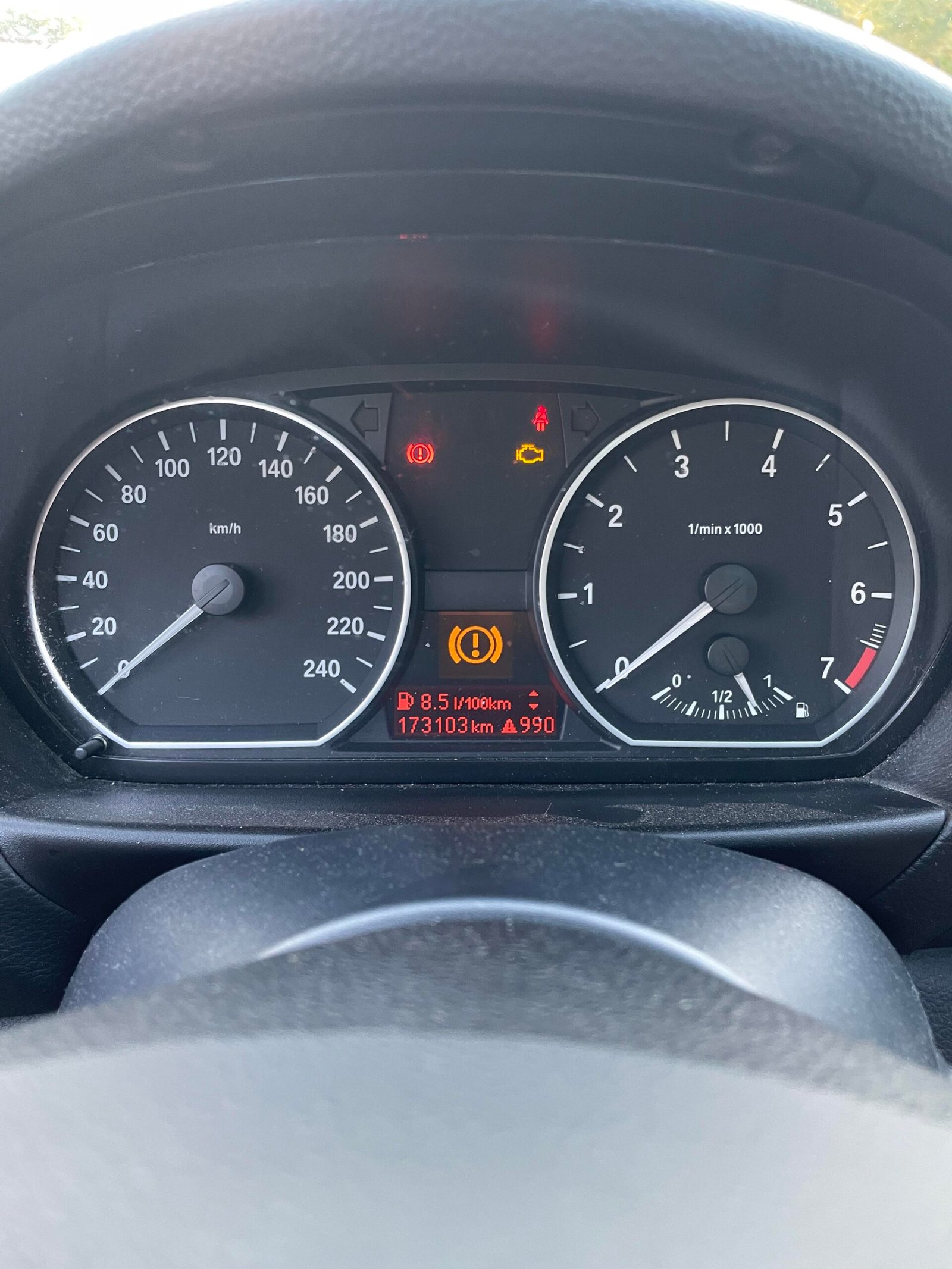
A yellow check engine light is the most common warning. It usually means the car’s computer found a problem, but it is not an emergency.
Typical causes of a yellow check engine light:
- Loose gas cap – One of the most common reasons. The car’s sensors notice the fuel system is not sealed well.
- Worn spark plugs – Causes misfires, reduced power, and higher emissions.
- Oxygen sensor problem – This sensor helps control fuel mixture. Failure means the engine may run less efficiently.
- Bad mass airflow sensor – Affects how much air goes into the engine, changing performance and fuel economy.
- Catalytic converter issues – Early signs that it is not working as well as before.
- Emissions system leaks – Small leaks in hoses or valves.
What to do if you see a yellow check engine light:
- Stay calm. You usually don’t need to stop right away.
- Check your gas cap. Make sure it’s tight and properly closed.
- Drive carefully. Avoid hard acceleration or heavy loads.
- Schedule a diagnostic check with a mechanic soon.
Ignoring a yellow light for too long can turn a small issue into a big repair.
What A Red Check Engine Light Means
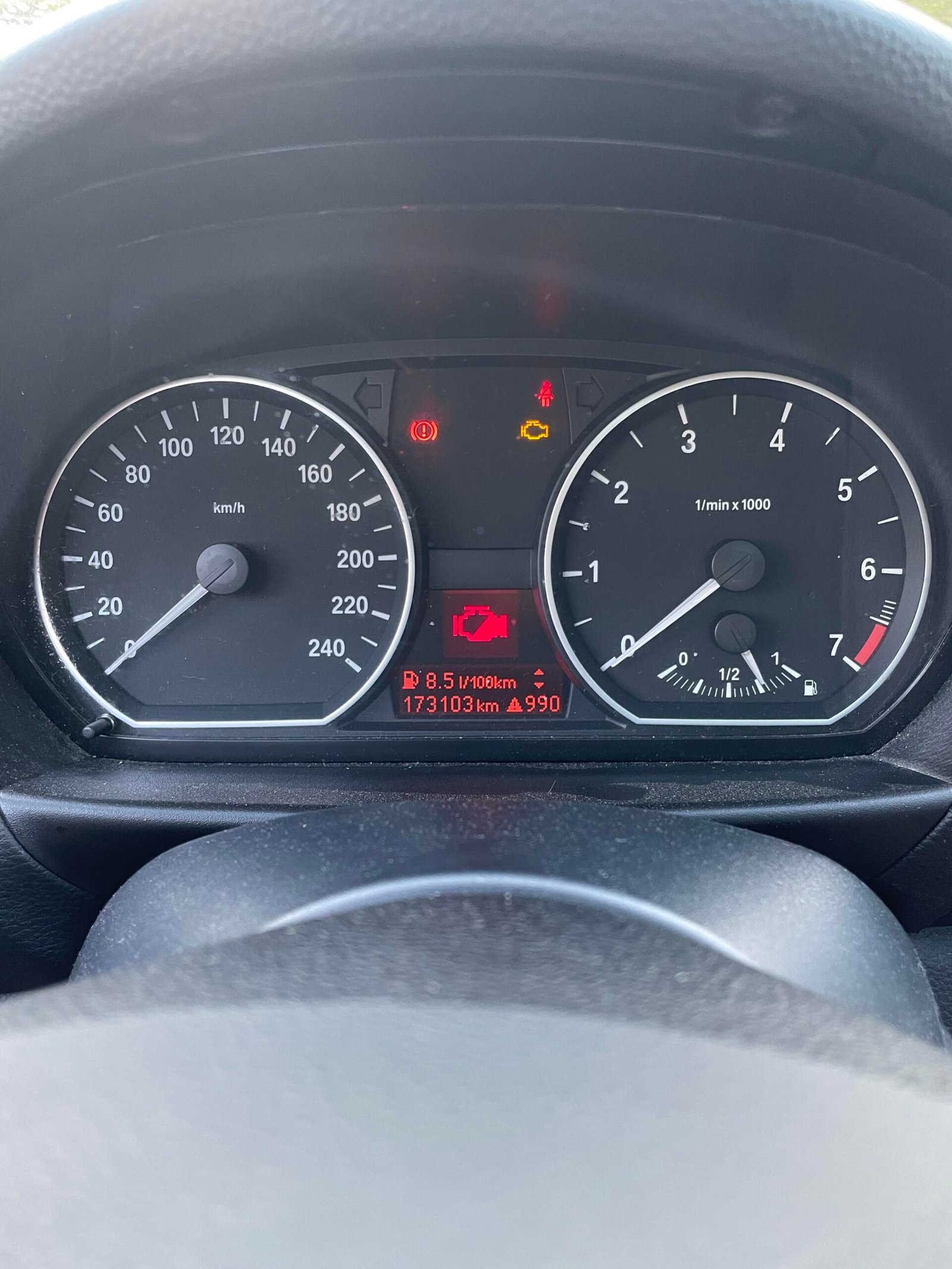
A red check engine light is much more serious. It means the car’s computer has found a problem that could cause severe damage to your car if you keep driving.
Common causes of a red check engine light:
- Severe engine misfire – Could damage the catalytic converter quickly.
- Overheating engine – May lead to a blown head gasket or warped engine parts.
- Low oil pressure – Engine parts will not get enough lubrication.
- Transmission failure – Some cars use the check engine light to warn about major transmission problems.
- Complete sensor failure – The computer cannot control the engine safely.
- Serious emission control failure – Such as a blocked catalytic converter.
What to do if you see a red check engine light:
- Stop as soon as it is safe.
- Turn off the engine to prevent damage.
- Call for roadside assistance or a tow truck.
- Do not continue driving. The risk of major engine damage is high.
Why The Color Difference Matters
The difference between yellow and red is not just a design choice. Manufacturers use these colors to help drivers judge the urgency of the problem.
Yellow means “caution.” You can usually keep driving but should get the issue checked soon.
Red means “stop now.” Driving further could destroy the engine or cost thousands in repairs.
Some modern cars also use flashing lights:
- A flashing yellow or red check engine light is always urgent. It means the problem is happening right now, not just recorded in memory.
Quick Comparison: Yellow Vs Red Check Engine Light
To make things clearer, here’s a quick side-by-side look:
| Feature | Yellow Check Engine Light | Red Check Engine Light |
|---|---|---|
| Urgency | Caution (Check soon) | Critical (Stop now) |
| Common Causes | Minor sensor issues, loose gas cap, mild emissions problems | Severe engine misfire, overheating, low oil pressure |
| Can You Drive? | Yes, but get checked soon | No, stop as soon as safe |
| Damage Risk | Low if checked soon | High, risk of major damage |
Common Mistakes When Handling Check Engine Lights
Many drivers make avoidable mistakes after seeing the warning light:
- Ignoring a yellow light for weeks. Small problems can become big ones if not checked.
- Continuing to drive with a red light. Even short trips can destroy the engine or catalytic converter.
- Clearing the code without fixing the problem. Some use a code reader to erase the warning, but the real issue is still there.
- Misunderstanding the owner’s manual. Not all manuals clearly explain the color difference, especially in older cars.
- Assuming all check engine lights are the same. Some cars have extra warning lights (like for oil or temperature) that should not be confused with the check engine light.
What Happens If You Ignore The Warning?
Ignoring either color can be costly, but the risks are different:
- Yellow light: You might see lower fuel economy, poor performance, or fail an emissions test. Over time, small problems can turn into expensive repairs (for example, a bad oxygen sensor can ruin the catalytic converter).
- Red light: Major engine parts can be damaged in minutes. For example, driving with no oil pressure can seize the engine, costing thousands to fix.
Diagnosing The Problem
When the check engine light comes on, the car’s computer stores a trouble code. Mechanics use a scan tool to read this code, which helps find the problem.
Some auto parts stores offer free code reading. But remember:
- The code tells you which system has a problem, not always the exact part.
- Sometimes, one problem triggers several codes.
Example: A loose gas cap might trigger an “evaporative emissions system leak” code, not a “loose gas cap” code. Mechanics use experience and sometimes more tests to find the real cause. According to the U.S. Environmental Protection Agency, vehicle emissions standards and onboard diagnostic systems are designed to identify problems that can increase pollution.

Credit: www.fixdapp.com
Real-life Example
Imagine you’re driving, and the check engine light comes on. You notice it’s yellow, and the car feels normal. You check the gas cap and find it was loose after a recent fill-up. You tighten it, and after a few drives, the light goes off.
A week later, you see a red check engine light, and the engine starts running rough. You pull over and call for help. A mechanic finds a major misfire that could have damaged the engine if you kept driving.
This shows why responding correctly to the color of the light can make a big difference.
How Different Car Brands Handle Check Engine Lights
Not all cars use the same warning system. Here’s a quick summary of how some brands handle it:
| Brand | Yellow Check Engine Light | Red Check Engine Light | Flashing Light |
|---|---|---|---|
| Toyota | Common for minor issues | Rare (used for serious issues only) | Misfire or serious fault |
| BMW | Standard for most faults | Used for critical failures | Immediate attention needed |
| Ford | Most warnings are yellow | Red for severe issues | Severe misfire or emissions |
| Honda | Always yellow/amber | Uses extra symbols for red alerts | Flashing means stop immediately |
It’s always wise to check your owner’s manual for your car’s specific warnings.
Credit: www.reddit.com
Advanced Features In Modern Cars
Recent models often provide extra information on the dash:
- Text warnings (e.g., “Check engine—service soon”)
- Symbols for oil, temperature, transmission, and more
- Maintenance reminders separate from check engine lights
Some cars even tell you the possible cause or suggest what to do.
Non-obvious Insights Most Drivers Miss
- A yellow light can sometimes mask a more serious hidden problem. If you notice any change in how the car drives—even with a yellow light—take action faster.
- Repeated yellow lights may point to a bigger issue. If you fix a yellow warning and it returns soon, there could be an underlying fault, like a wiring problem.
- Battery problems can sometimes trigger the check engine light. When the battery is weak, sensors get wrong signals, causing false alarms.
- Emissions systems are sensitive to fuel quality. Bad gasoline or diesel can trigger yellow warnings, especially in modern engines.
How To Reduce Check Engine Light Worries
Here are steps to stay ahead:
- Keep up with regular maintenance (oil changes, filter replacement)
- Use good quality fuel to avoid sensor troubles
- Pay attention to how your car feels—vibrations, noises, or changes in performance matter
- Don’t ignore warning lights—even if the car seems fine
Modern vehicles are smarter but still need human attention. If you are unsure, it’s safer to check too soon than too late.
When Should You Call A Mechanic Immediately?
- Red check engine light—always stop and call for help.
- Yellow flashing light—stop if safe, especially if engine runs rough.
- Any check engine light with oil, temperature, or battery warning lights.
- Smoke, burning smells, or loud noises with any warning light.
Credit: www.reddit.com
The True Cost Of Ignoring The Warning
A study by CarMD found that the average repair cost for a check engine light is $400 in the US, but waiting can make it much more expensive. For example, replacing a catalytic converter can cost over $2,000.
It’s always cheaper to fix a small problem early than wait for something to break completely.
For more technical details, you can visit the Wikipedia Check Engine Light page.
Frequently Asked Questions
Why Does My Check Engine Light Turn Yellow Sometimes And Red Other Times?
The color tells you how serious the problem is. Yellow means a less urgent issue, while red means stop driving right away. Both mean something needs fixing, but red is a sign of immediate danger to the car.
Can I Drive With A Yellow Check Engine Light?
Yes, you can usually drive for a short time if the light is yellow. However, you should get the car checked soon to avoid bigger problems or higher repair costs.
What Should I Do If The Check Engine Light Is Flashing?
A flashing check engine light means a serious problem is happening now, often a severe misfire. Stop driving as soon as possible and get the car checked.
Will A Loose Gas Cap Really Turn On The Check Engine Light?
Yes, a loose gas cap can trigger a yellow check engine light. It makes the fuel system less airtight, causing a warning. Always check the cap first if the light comes on after refueling.
How Can I Find Out Why My Check Engine Light Is On?
You need an OBD-II scanner to read the trouble codes stored in your car’s computer. Many auto shops and parts stores offer this service for free or a small fee.
Taking the check engine light seriously—especially the color—can save you from stress, high repair bills, and unexpected breakdowns. Always act based on the warning’s color, and your car will thank you.