
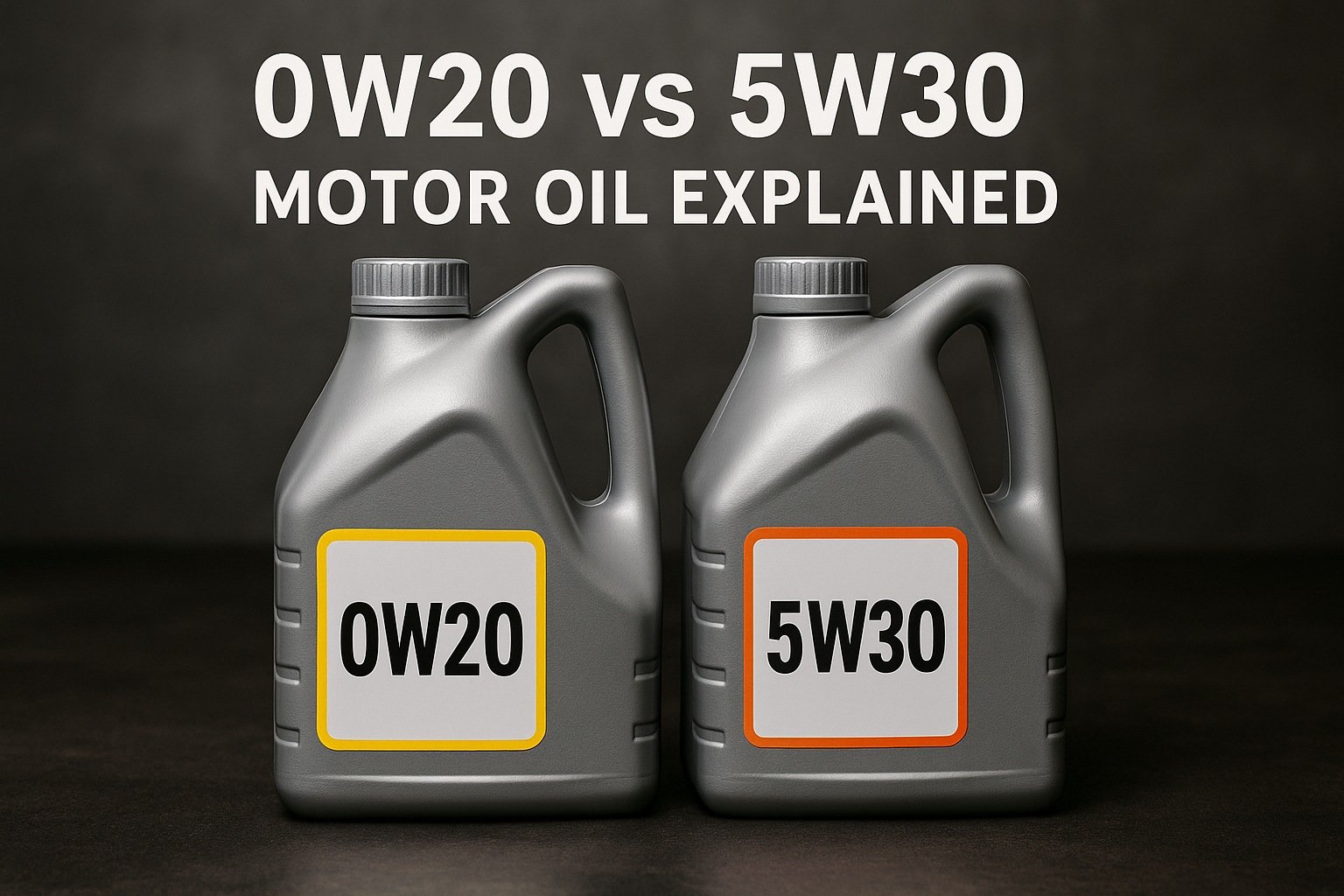
Choosing the right engine oil is more important than many drivers realize. The oil you pour into your engine does more than just lubricate moving parts. It affects fuel economy, engine lifespan, and even how well your car starts in cold weather. Two of the most discussed oils are 0W20 and 5W30. Car owners often wonder, “Which one is better for my vehicle?” or “Will switching oil grades cause problems?” This guide will help you understand the real differences between 0W20 and 5W30 oil, what each number means, and how to make the best choice for your car or truck.
Understanding Oil Grades: 0w20 And 5w30
Before comparing the two, it’s important to know what these numbers mean. Engine oils are labeled using a system created by the Society of Automotive Engineers (SAE). The numbers tell you how the oil behaves at different temperatures.
- 0W and 5W: The “W” stands for “winter.” The number before the W shows how the oil flows at cold temperatures. Lower numbers mean the oil is thinner and flows more easily in the cold.
- 20 and 30: This number shows how thick the oil is at the engine’s normal running temperature. Higher numbers mean thicker oil at high temperatures.
So, 0W20 is thinner both when cold and at normal temperature compared to 5W30.
20 Key Differences Between 0w20 And 5w30 Oil
Let’s break down the most important differences, one by one.
1. Viscosity At Low Temperatures
0W20 is designed to remain very thin in cold weather. This means it flows faster during winter starts, protecting your engine right away. 5W30 is a bit thicker when cold, so it may not reach all engine parts as quickly in freezing temperatures.
2. Viscosity At High Temperatures
At engine operating temperatures, 5W30 is thicker than 0W20. Thicker oil can provide better protection under heavy loads or high heat. 0W20 stays thinner, which can improve fuel efficiency but may offer less protection in older engines or those that run hot.
3. Fuel Economy Impact
0W20 oil usually helps cars get better gas mileage. The thinner oil reduces friction, so the engine doesn’t have to work as hard. 5W30 is a little thicker, which can slightly reduce fuel efficiency.
4. Engine Wear Protection
5W30 gives stronger protection against wear in high-stress conditions, such as towing or racing. Its higher viscosity at normal temperatures creates a stronger oil film between engine parts. 0W20 is still safe for most new engines but may not be ideal for heavy-duty use.
5. Manufacturer Recommendations
Most modern cars, especially from Japanese brands like Toyota and Honda, now recommend 0W20. Many older cars, European models, and trucks still recommend 5W30. Always check your owner’s manual before switching.
6. Oil Change Intervals
Both oils can last similar distances, but 0W20 is often used in cars with longer oil change intervals. This is because synthetic 0W20 oils are usually formulated for durability.
7. Engine Age Compatibility
0W20 is best for newer engines with tight tolerances. Older engines, or those with higher mileage, often do better with 5W30, as the thicker oil helps maintain pressure and reduces leaks.
8. Cold Start Performance
In extremely cold climates, 0W20 is a clear winner. It stays fluid at lower temperatures, so your car starts easier and the oil reaches parts faster. 5W30 can become sluggish in deep winter, risking more engine wear at startup.
9. High Heat Resistance
5W30 handles high temperatures better, making it suitable for hot climates or heavy-duty driving. 0W20 can thin out too much in extreme heat, which may cause problems in engines not designed for it.
10. Oil Consumption
Thinner oils like 0W20 can be consumed (burned) more quickly, especially in older engines or those with worn seals. 5W30 is less likely to be lost this way.
11. Oil Type (synthetic Vs. Conventional)
0W20 is almost always full synthetic. 5W30 comes in both conventional and synthetic varieties. Synthetic oils generally perform better but are more expensive.
12. Cost
0W20 usually costs more than 5W30 due to its synthetic base and advanced additives. However, the price difference has become smaller in recent years.
13. Emissions
Using 0W20 can lower emissions slightly because the engine runs with less drag. This is one reason automakers moved to thinner oils to meet stricter environmental rules.
14. Turbocharged Engine Suitability
Turbocharged engines often generate more heat and pressure. Most automakers recommend 5W30 for these engines, as it provides a thicker protective film. 0W20 may not be enough unless specified by the manufacturer.
15. Oil Pressure
Engines designed for 5W30 expect higher oil pressure at operating temperature. Using 0W20 in these engines can lower oil pressure, which might reduce protection.
16. Shear Stability
5W30 generally maintains its thickness better under stress (shear stability), especially important for engines that work hard or run at high RPMs. 0W20 can lose viscosity more quickly under these conditions.
17. Additive Packages
0W20 and 5W30 oils often have different additive blends. 0W20 may contain more friction reducers to improve fuel efficiency, while 5W30 may focus more on protecting against wear and high-temperature breakdown.
18. Availability
5W30 is widely available and has been the standard for decades. 0W20 is now common but may not be stocked everywhere, especially in remote areas.
19. Engine Warranty Concerns
Using the wrong oil grade can void your engine warranty. If your car requires 0W20 and you use 5W30, or vice versa, you might not be covered if something goes wrong.
20. Real-world Performance Differences
For most daily drivers, the difference is small—if you use the recommended oil. Problems arise only when you use the wrong grade for your car, climate, or driving style.
Credit: heavyvehicleinspection.com
Key Specifications Comparison
Below is a direct comparison of the most important specifications for both oils:
| Feature | 0W20 | 5W30 |
|---|---|---|
| Viscosity (Cold) | Very Low | Low |
| Viscosity (Hot) | Low | Medium |
| Typical Use | Modern, fuel-efficient cars | Wide range, including trucks and older engines |
| Price | Higher | Lower |
| Base Oil | Synthetic | Conventional or Synthetic |
Practical Examples: When To Use Each Oil
When 0w20 Is The Best Choice
You drive a recent model sedan or hybrid, live in a place with cold winters, and want the best fuel economy. Your owner’s manual says to use 0W20. This oil will help your car start smoothly on frosty mornings and save a little on fuel over time.
When 5w30 Is The Best Choice
You own a pickup truck, an older car, or a vehicle that regularly carries heavy loads. You often drive in hot weather or tow trailers. The manual says 5W30 is required. This oil will give your engine the thicker protection it needs under stress.
Side-by-side Performance Data
To see how these oils perform, look at how they flow at different temperatures:
| Temperature (°C) | 0W20 Viscosity (cSt) | 5W30 Viscosity (cSt) |
|---|---|---|
| -30 | ~6200 | ~6600 |
| 40 | 44.8 | 62.0 |
| 100 | 8.6 | 11.1 |
*(cSt = centistokes, a measure of viscosity)*
This shows that 0W20 is always thinner at all temperatures. In freezing weather, this difference is more noticeable.
Common Mistakes When Choosing Oil
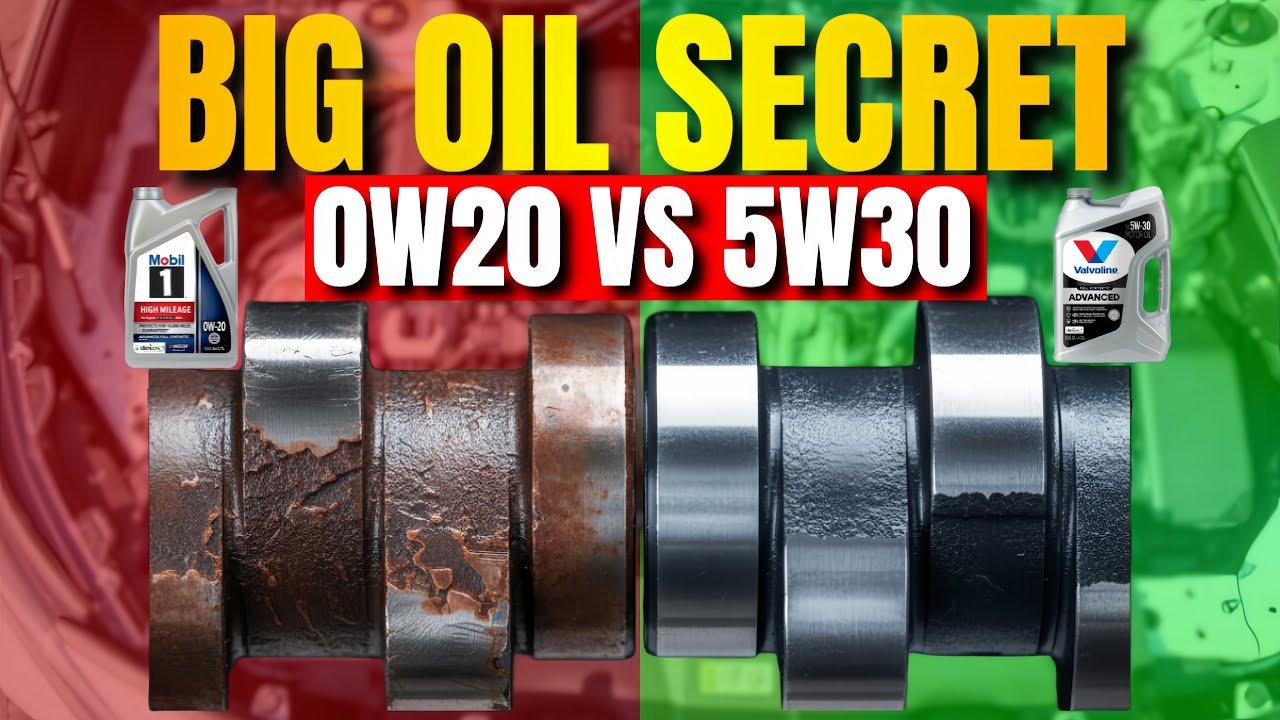
Many drivers think that “thicker is better” and switch from 0W20 to 5W30 to “protect” their engine. This is not always true. Modern engines are designed with tight spaces that need thin oil to move quickly. Using the wrong viscosity can cause engine damage or reduce efficiency.
Another mistake is following advice from friends or online forums without checking the owner’s manual. Car makers test their engines to work best with a specific oil grade.
Hidden Insights Most People Miss
- Oil Technology Keeps Changing: Automakers are constantly updating their recommendations as oils improve. What worked 10 years ago may not be ideal today, even for the same car model.
- Climate Matters More Than You Think: If you move from a hot to a cold region (or vice versa), you may need to change oil grades, even if your car manual gives only one option.
How To Switch Between 0w20 And 5w30 Safely
If you need to change oil types (for example, during a long trip or moving to a new climate), always consult your mechanic or your car’s manual. In an emergency, using a different grade once is usually safe, but switch back to the recommended oil as soon as possible.
Never mix different oil grades in the same oil change, as this can affect lubrication and oil performance.
Credit: www.youtube.com
Environmental Impact
Thinner oils like 0W20 help reduce fuel use and emissions, which is good for the environment. This is why many governments encourage automakers to use these oils. However, using a thin oil in an engine not designed for it can cause engine problems, leading to higher emissions in the long run.
Which Oil Is Right For You?
Here’s a quick guide:
| Situation | Recommended Oil |
|---|---|
| New car (2010 or later), Japanese brand | 0W20 |
| Older car, high mileage | 5W30 |
| Frequent towing or heavy loads | 5W30 |
| Cold winter climate | 0W20 |
| Hot climate, high-speed driving | 5W30 |
Credit: www.youtube.com
Frequently Asked Questions
What Does “0w20” Actually Mean?
0W20 means the oil is very thin in cold weather (0W) and remains relatively thin at normal engine temperatures (20). This lets your car start easily in winter and helps save fuel.
Can I Use 5w30 Instead Of 0w20?
Only if your car’s manual says both are acceptable. If not, stick with the recommended grade. Using the wrong oil can cause engine problems or void your warranty.
Is 0w20 Always Synthetic Oil?
Nearly all 0W20 oils are full synthetic. This is because creating such thin oil with conventional methods is not possible. 5W30 can be either synthetic or conventional.
Will 0w20 Oil Leak In My Old Engine?
It’s possible. Older engines have wider gaps, and thinner oils like 0W20 can leak or burn off more easily. In this case, 5W30 or even thicker oil is usually better.
Where Can I Learn More About Engine Oil Standards?
For detailed technical standards and the science behind oil ratings, visit the Motor Oil Wikipedia page.
Choosing between 0W20 and 5W30 is not just about numbers—it’s about matching the oil to your engine, climate, and driving needs. Always trust your owner’s manual and don’t guess. The right oil will keep your engine running smoothly for years to come.
