
When you start your car and see warning lights on your dashboard, it can make you feel nervous or confused—especially if you don’t know what each symbol means. One of the most important (and often misunderstood) signals is the ABS warning light. This small indicator can have a big impact on your safety, so it’s essential to understand what it means, why it turns on, and what you should do next. Knowing the facts can help you avoid panic, make smart decisions, and keep your car running smoothly.
What Is The Abs Warning Light?
The ABS warning light is a dashboard indicator that shows there may be a problem with your car’s anti-lock braking system (ABS). The ABS system prevents your wheels from locking up when you brake hard, especially on slippery roads. When working correctly, it helps you keep control of your car during sudden stops.
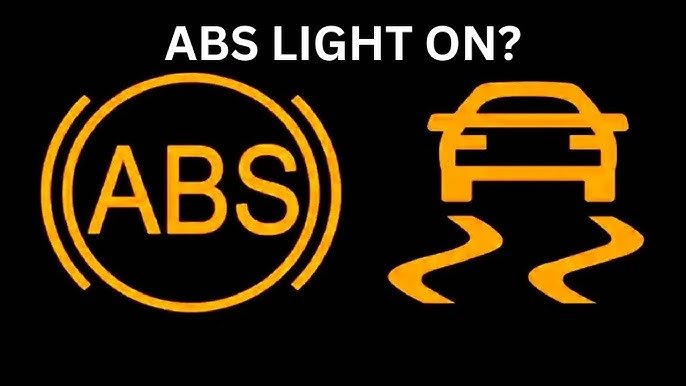
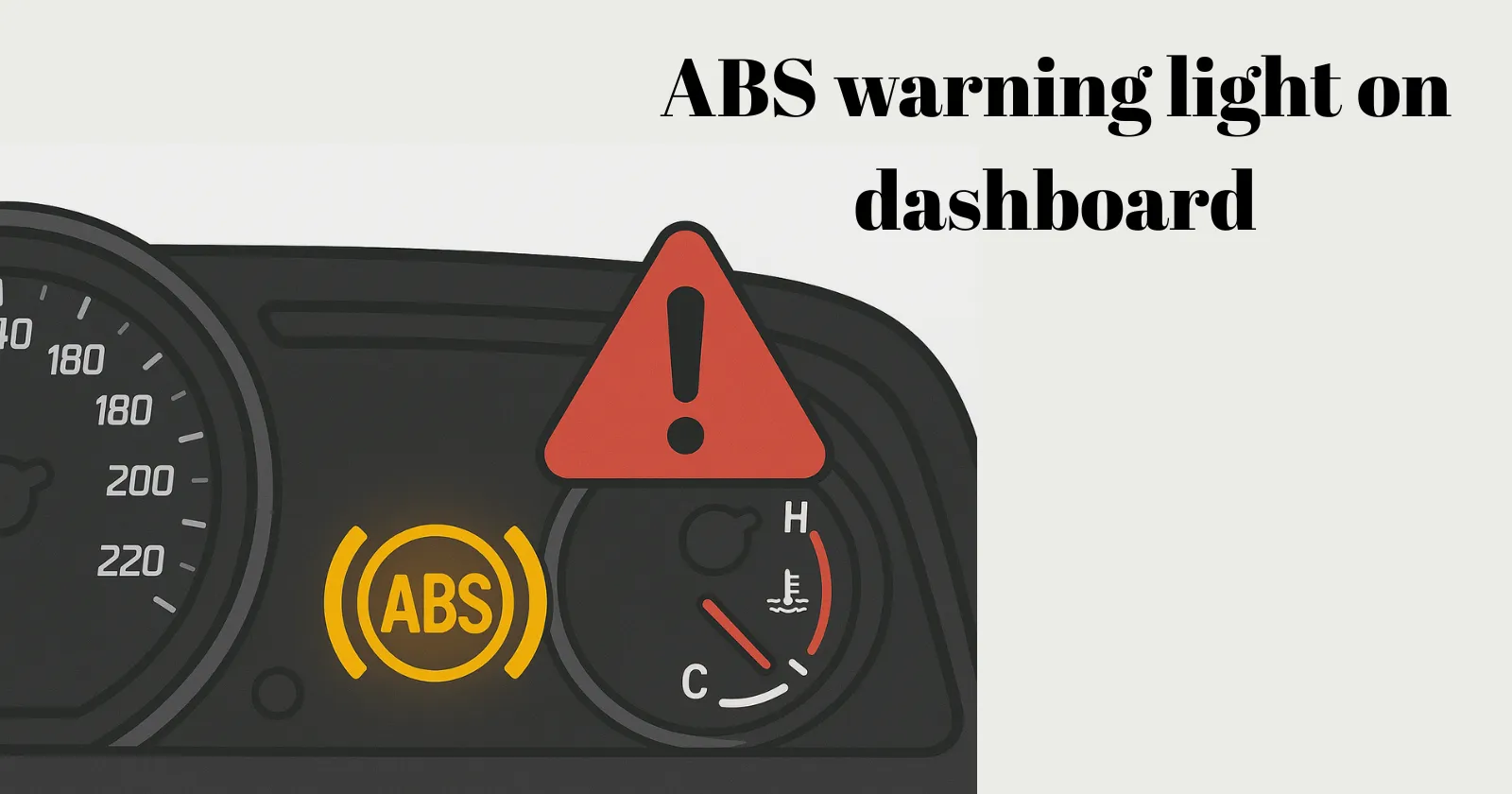
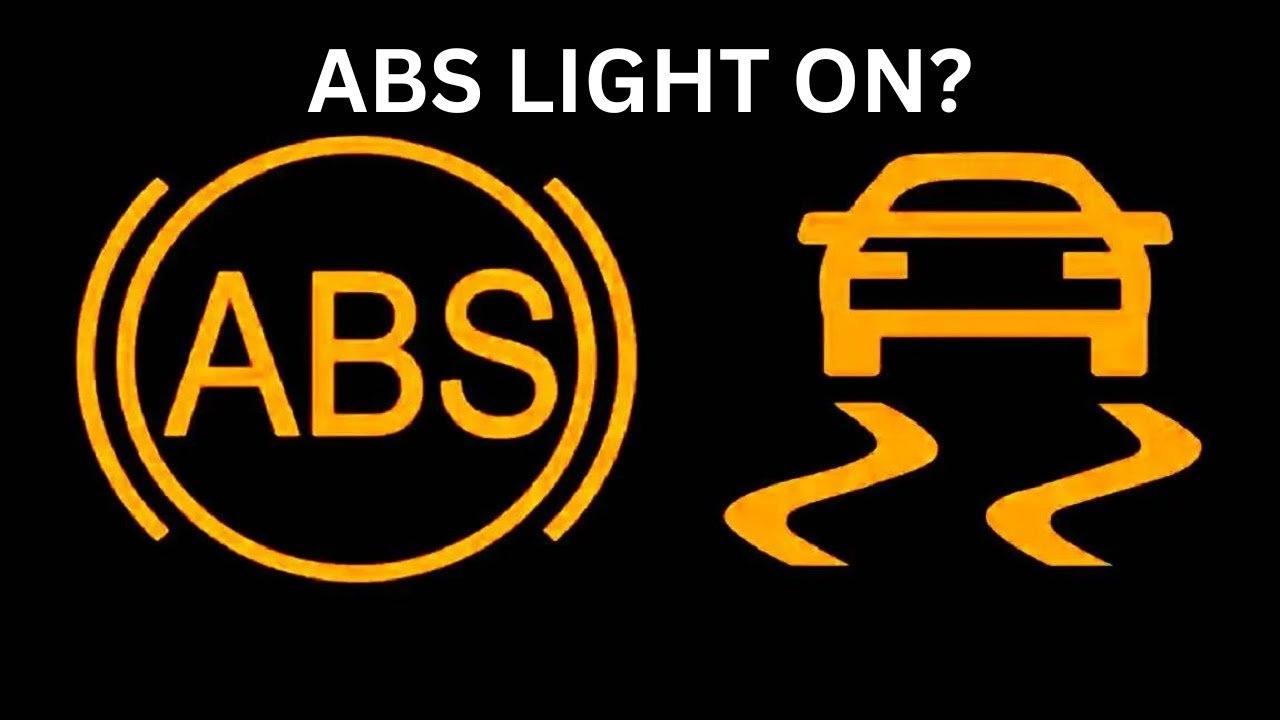
You’ll usually see the ABS light as a yellow or orange circle with the letters “ABS” inside. In most cars, the light comes on for a few seconds when you start the engine as a self-check, then turns off. If it stays on or lights up while you’re driving, it’s warning you of a possible issue.
Why Is The Abs System Important?
Understanding the role of the ABS system helps you see why the warning light matters. The ABS:
- Stops the wheels from locking during emergency braking
- Helps you steer and avoid obstacles while braking hard
- Reduces the risk of skidding on wet or icy roads
- Improves overall braking safety, especially in modern cars
Without a working ABS, your car’s brakes can still function, but you lose this extra safety layer. This is especially risky for new drivers or in bad weather conditions.
Credit: www.youtube.com
Common Reasons The Abs Warning Light Comes On
If your ABS warning light stays on, it means the system has detected a problem. Here are the most common causes:
- Faulty ABS Sensor: Each wheel has a sensor that monitors speed. Dirt, debris, or damage can cause the sensor to fail, triggering the warning light.
- Damaged Wiring: The ABS system relies on electrical wiring. Wear and tear, rodents, or corrosion can break the connection.
- Low Brake Fluid: The ABS uses brake fluid to control pressure. If the fluid is too low, the system can’t work properly.
- Bad ABS Module: The module is the brain of the system. If it fails, the ABS can’t control the brakes.
- Blown Fuse or Relay: The ABS needs power. If a fuse or relay blows, the system can shut down.
- Worn Brake Pads or Rotors: Sometimes, if your brakes are in bad shape, the system gets confused and triggers a warning.
- Bad Wheel Bearing: A failing wheel bearing can affect the ABS sensor’s reading.
- Hydraulic Pump Problems: Some ABS systems have a pump to help control pressure. If it fails, the warning light appears.
What To Do When The Abs Warning Light Is On
Seeing the ABS warning light doesn’t mean you need to panic, but you should take it seriously. Here’s what you should do:
- Check the Owner’s Manual: Your manual will explain what the light means for your specific car.
- Stop Safely: If the light comes on while driving, find a safe spot to stop and check your brakes.
- Turn the Engine Off and On: Sometimes, the system resets itself after restarting the car.
- Inspect Brake Fluid: Check if the brake fluid is low and top it up if needed (use the correct type for your car).
- Look for Obvious Problems: Check for broken wires, leaks, or other visible damage near your wheels.
- Drive With Extra Caution: Your brakes still work, but you don’t have the anti-lock function. Avoid sudden stops and keep extra space from other vehicles.
- Visit a Mechanic: If the light stays on, have your car checked by a professional as soon as possible.
A key insight: Many drivers ignore the ABS light because their car seems to stop normally. However, without ABS, you might lose control in an emergency—even if your brakes “feel” fine during normal driving.
Abs Warning Light Vs. Brake Warning Light
It’s easy to confuse the ABS warning light with the standard brake warning light. Here’s a quick comparison to help you tell the difference:
| Feature | ABS Warning Light | Brake Warning Light |
|---|---|---|
| Symbol | Circle with “ABS” | Circle with “!” or “BRAKE” |
| Color | Yellow/Orange | Red |
| What It Means | Problem with anti-lock braking system | Problem with main brake system (urgent) |
| Urgency | Important, but car can still brake | Very urgent, may be unsafe to drive |
If the brake warning light is on (usually red), stop driving immediately. This could mean your brakes are failing, not just the ABS.
Can You Drive With The Abs Warning Light On?
Technically, you can still drive if only the ABS warning light is on. Your regular brakes will work, but you lose the anti-lock feature. This means:
- You have a higher risk of skidding on wet or icy roads
- It’s harder to steer during emergency stops
- Stopping distance may be longer in some situations
If you’re driving in normal, dry conditions and at low speeds, the risk is lower. But if you need to brake hard or drive in bad weather, you could lose control. For this reason, it’s safest to fix the problem as soon as possible.
Diagnosing Abs Warning Light Issues
Mechanics use special tools called OBD-II scanners to read trouble codes from your car’s computer. These codes help pinpoint the problem. Here’s how the process works:
- Connect the Scanner: The mechanic plugs the OBD-II scanner into your car’s port (usually under the dashboard).
- Read Error Codes: The scanner shows codes related to the ABS system.
- Test Components: The mechanic checks sensors, wiring, brake fluid, and more based on the codes.
- Replace or Repair Parts: Damaged parts are fixed or changed.
- Reset the System: After repairs, the warning light is reset.
Some auto parts stores offer free code reading. However, you’ll usually need a professional for repairs, especially for complex electrical or hydraulic issues.
Cost To Fix Abs Warning Light Problems
Repair costs for ABS warning light issues can vary a lot. Here are some typical price ranges:
| Problem | Estimated Cost (USD) |
|---|---|
| ABS Sensor Replacement | $100 – $300 per sensor |
| ABS Module Replacement | $500 – $1,200 |
| Wiring Repair | $50 – $200 |
| Brake Fluid Top-Up | $10 – $50 |
| Wheel Bearing Replacement | $150 – $400 |
These prices can change depending on your car’s make, model, and location. Luxury or imported cars usually cost more to repair.
How To Prevent Abs Warning Light Problems
You can reduce the chances of seeing the ABS warning light by following some basic maintenance tips:
- Check brake fluid regularly and top it up when needed
- Replace brake pads and rotors before they wear out completely
- Wash your car’s wheels to remove dirt and debris that can affect sensors
- Inspect wiring for damage, especially after rough driving or rodent activity
- Service your brakes as part of regular car maintenance
A detail most beginners miss: Even a small crack in a sensor wire or a little dirt on a sensor can trigger the ABS warning light. Keeping your car clean and checking it often can save you time and money.
Myths And Misconceptions About The Abs Warning Light
Many drivers have wrong ideas about the ABS warning light. Let’s clear up some common myths:
- Myth 1: The ABS warning light means your brakes don’t work.
- Fact: Your normal brakes still work, but you lose the anti-lock feature.
- Myth 2: The ABS light always means expensive repairs.
- Fact: Sometimes, it’s just a dirty sensor or low fluid, which are cheap to fix.
- Myth 3: You can ignore the ABS light if your car stops fine.
- Fact: You may not notice a problem until you need to stop suddenly or on a slippery road.
- Myth 4: The ABS light will reset itself if you keep driving.
- Fact: In most cases, the light stays on until you fix the problem and reset the system.
Credit: ackodrive.com
How Abs Works: A Simple Explanation
ABS may sound complex, but the basic idea is easy to understand. Here’s how it works:
- Sensors on each wheel track how fast the wheels are turning.
- If a wheel starts to lock (stop turning) while you’re braking, the ABS system detects it.
- The ABS module quickly reduces and increases brake pressure on that wheel.
- This happens in milliseconds—faster than you could do yourself.
- Your car slows down, but the wheels keep turning, so you can steer and avoid obstacles.
This technology has been standard in most cars since the late 1990s. Studies show that ABS reduces the risk of accidents on wet roads by up to 35% (NHTSA).
What Happens If You Ignore The Abs Warning Light?
Ignoring the ABS warning light can have serious consequences:
- Higher chance of skidding or losing control on slippery roads
- No help during emergency stops
- You may fail safety inspections or vehicle tests
- Small problems (like a dirty sensor) can become bigger, more expensive problems
It’s always better to fix the issue early, even if your car seems fine. This keeps you—and others on the road—safer.
Credit: www.youtube.com
Frequently Asked Questions
What Does It Mean If The Abs Warning Light Comes On And Then Goes Off?
If the ABS warning light comes on briefly and then turns off, it usually means the system ran a self-check and found no issues. If it stays off, there is likely no problem. If it comes on and stays on, get your car checked.
Is It Safe To Drive With The Abs Warning Light On?
It’s usually safe for short trips, but you lose the anti-lock function. Be extra careful, avoid sudden braking, and fix the problem soon. If both the ABS and brake warning lights are on, stop driving and get help immediately.
Can Low Brake Fluid Cause The Abs Warning Light?
Yes, low brake fluid is a common reason for the ABS warning light. Check your fluid level and add the right type if it’s low. But if the light stays on, have a mechanic inspect your car.
How Do I Reset The Abs Warning Light?
The ABS light resets automatically after fixing the problem. Some cars need a special scan tool to clear the code. Never just reset the light without solving the real issue, or it may come back.
What Is The Difference Between Abs And Traction Control?
ABS prevents wheels from locking during braking. Traction control stops wheels from spinning when you accelerate on slippery surfaces. Both systems use similar sensors, but they serve different purposes.
Understanding your car’s ABS warning light is not just about avoiding a dashboard symbol—it’s about keeping yourself and others safe. With this knowledge, you’re ready to handle the light with confidence, ask smart questions at the mechanic, and make safer choices on the road.