
When you see a battery warning light on your car’s dashboard, it can be worrying. Many drivers ignore this small red symbol or think it simply means the battery is weak. But the battery warning light is actually a sign of a deeper problem with your car’s electrical system. If you understand what this light really means and what to do when it comes on, you can avoid getting stranded or facing bigger, expensive repairs later.
In this guide, you’ll learn what the battery warning light means, why it turns on, what you should do, and how to prevent problems. By the end, you’ll be able to handle this warning confidently and keep your vehicle running smoothly.
What The Battery Warning Light Means
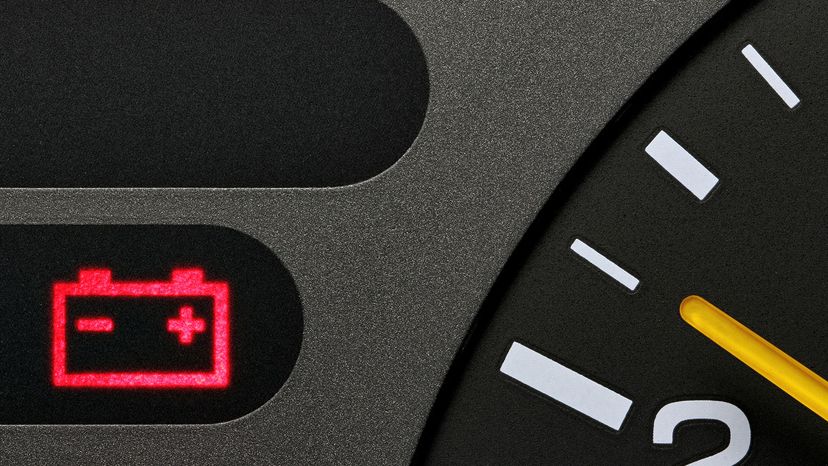
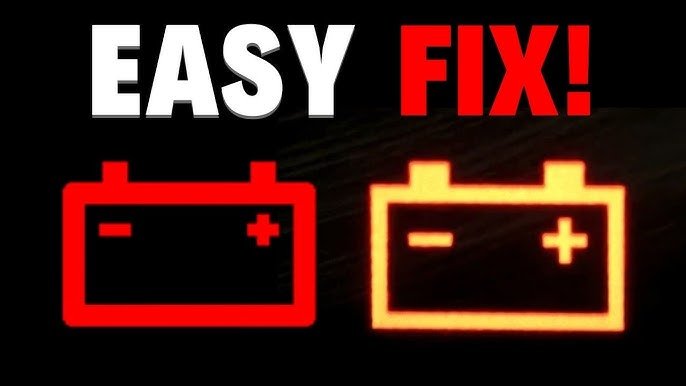
The battery warning light is usually a red symbol of a battery or the word “ALT” or “GEN.” When you start your car, this light comes on for a few seconds as the system checks itself. If it stays on after the engine starts, it’s warning you that the car’s battery is not charging properly.
Many people think this means the battery itself is bad. Sometimes that’s true, but often the real problem is with the charging system. This system includes the alternator, voltage regulator, wiring, and the battery itself. If one part fails, the battery does not get enough power, and your car may soon stop working.
Common Reasons The Battery Warning Light Turns On
Several things can cause the battery warning light to glow. Here are the most common reasons:
- Bad Alternator: The alternator charges your battery while you drive. If it fails, the battery can’t get power, and the light comes on.
- Loose or Damaged Alternator Belt: This belt spins the alternator. If it’s broken or slipping, the alternator can’t work.
- Corroded or Loose Battery Terminals: Dirty, rusty, or loose connections mean the battery can’t pass power to the car.
- Old or Failing Battery: A battery near the end of its life might not hold charge, making the warning light appear.
- Faulty Wiring or Fusible Links: Damaged wires or blown fuses in the charging system stop the battery from charging.
- Bad Voltage Regulator: This controls how much electricity goes to the battery. If it fails, the battery can be overcharged or undercharged.
- Accessory Overload: Using too many electrical features at once (like headlights, heater, stereo) can drain more power than the alternator provides.
Credit: auto.howstuffworks.com
How The Charging System Works
Understanding your car’s charging system helps you see why the battery warning light is important.
| Component | Role |
|---|---|
| Battery | Stores power to start the engine and run accessories when the engine is off. |
| Alternator | Produces power while the engine runs and charges the battery. |
| Voltage Regulator | Controls the amount of power sent to the battery and electrical system. |
| Wiring & Terminals | Carry electricity between the battery, alternator, and car systems. |
If any part fails, your car may run for a short time on battery power alone, but once the battery is empty, everything stops.
What To Do If The Battery Warning Light Comes On
If the battery warning light comes on while you’re driving, stay calm. Your car will usually keep running for a while, but you should act quickly to avoid getting stranded.
1. Turn Off Extra Electronics
Switch off the radio, air conditioning, heater, heated seats, and any other non-essential electrical items. This helps the battery last longer.
2. Head To A Safe Place
Drive to a safe area, like a parking lot or service station. Don’t go far—your car could stop at any time.
3. Check For Obvious Problems
Once stopped, open the hood. Look for:
- A loose or broken alternator belt
- Corrosion or loose battery terminals
- Unusual smells or smoke
- Don’t Turn Off the Engine
If you need to move the car again, it’s best to keep it running until you reach help. If you turn it off, it may not restart.
5. Call For Help
If you can’t find the problem, call roadside assistance or a mechanic.
Credit: www.youtube.com
Diagnosing The Battery Warning Light
Sometimes, you can spot the problem yourself. Here’s what to check:
Visual Inspection
- Alternator Belt: Is it there? Is it tight? If broken or missing, the alternator won’t work.
- Battery Terminals: Are they clean and tight? Green or white buildup is corrosion. Loose wires can also cause issues.
- Wires and Fuses: Look for broken or burned wires and blown fuses.
Testing The Battery And Alternator
You can use a multimeter to check voltage:
| Engine Off | Engine Running | What It Means |
|---|---|---|
| 12.4-12.7 V | 13.7-14.7 V | Normal |
| Below 12.4 V | Below 13.7 V | Battery or alternator issue |
| Above 12.7 V | Above 14.7 V | Possible overcharging (bad regulator) |
If the voltage is low while running, the alternator is likely bad. If it’s too high, the voltage regulator may have failed.
Can You Still Drive With The Battery Warning Light On?
It’s possible to drive a short distance with the light on, but it’s risky. Your car is running on battery power alone. When the battery drains, the engine will stop—often without warning. This could leave you stranded, or in a dangerous spot.
On average, you might get 30-60 minutes of driving after the light comes on, depending on the battery’s age and how many electronics you use. But it could be much less, especially in cold weather or heavy traffic. Always try to get help as soon as possible.
Real-world Examples: What Happens If You Ignore The Warning?
Ignoring the battery warning light can cause serious trouble. Here are some real-life scenarios:
- Stuck at Night: A driver ignores the light, thinking it’s a glitch. Later, the headlights dim, the car stalls, and they’re left on a dark road, needing a tow.
- Busy Road Breakdown: Someone tries to “just make it home.” The car dies in heavy traffic, creating a hazard and extra stress.
- Costly Repairs: Continued driving with a failing alternator can damage the battery and other electronics, turning a simple fix into a costly repair.
How To Prevent Battery Warning Light Problems
You can avoid most charging system issues with simple care:
1. Regular Battery Checks
Test your battery every 6-12 months, especially before winter.
2. Clean Terminals
Remove corrosion with a wire brush and baking soda solution.
3. Check The Belt
Make sure the alternator belt is tight, not cracked or shiny.
4. Watch For Signs
Dim headlights, slow engine cranking, or warning lights mean you should check the system.
5. Don’t Overload
Avoid running many electrical accessories at once when idling.
6. Professional Service
Get a mechanic to inspect the charging system during regular maintenance.
Battery Warning Light Vs. Other Warning Lights
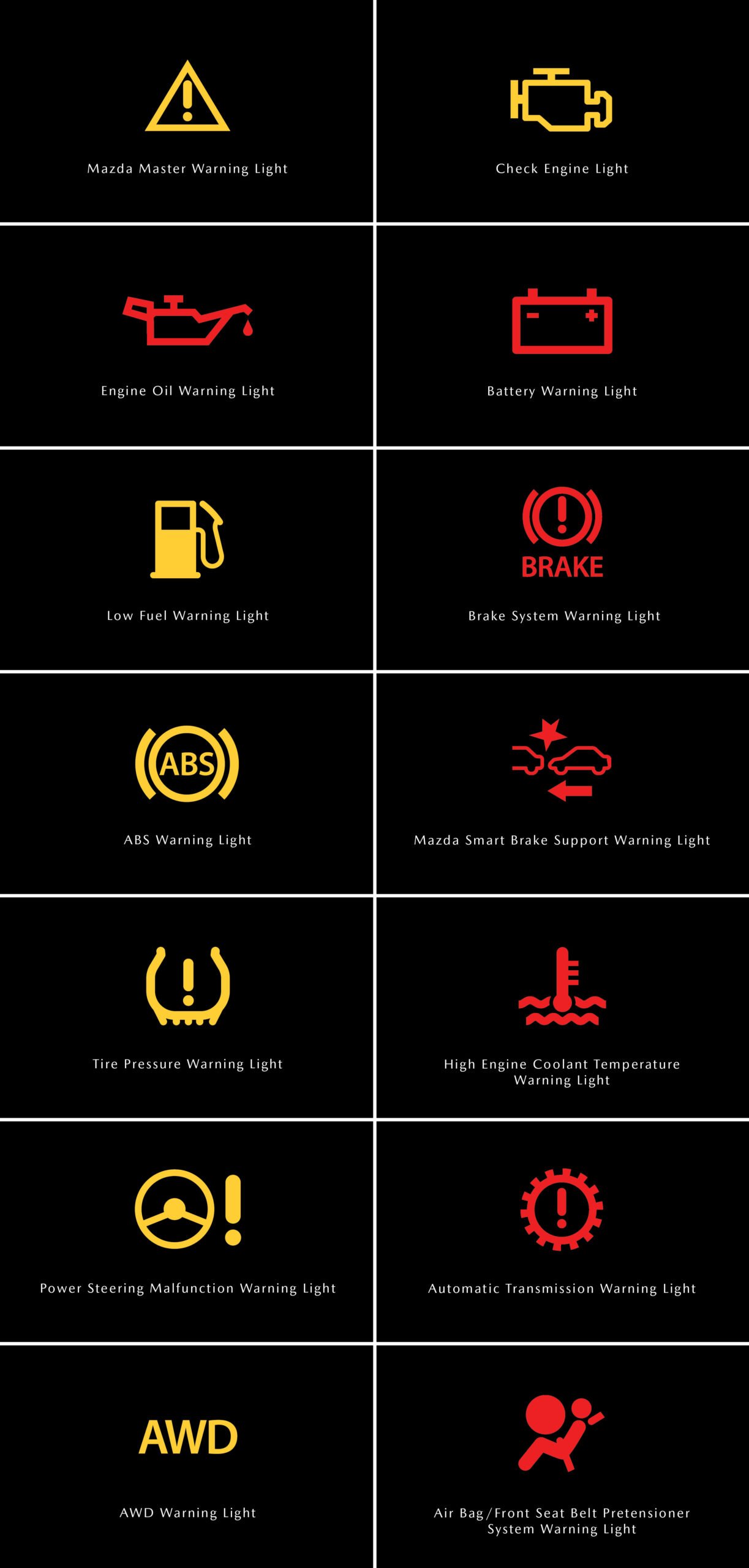
It’s easy to confuse the battery warning light with other dashboard symbols. Here’s how to tell them apart:
| Warning Light | Symbol | Meaning |
|---|---|---|
| Battery Warning | Battery icon or “ALT”/“GEN” | Charging system problem |
| Oil Pressure | Oil can icon | Low oil pressure—stop immediately |
| Check Engine | Engine outline | Engine or emission problem |
| Brake Warning | Circle with “!” | Brake system issue |
Always check your owner’s manual if you’re unsure about a warning light.
Non-obvious Insights Most Beginners Miss
Many drivers think replacing the battery will fix the warning light. But if the alternator or voltage regulator is the real problem, a new battery will also fail soon. Another point: some modern cars have smart alternators or complex charging systems. In these cars, a software update or sensor fault can trigger the battery light, even if the battery and alternator are fine.
Also, jump-starting a car with a battery warning light might get you going, but if the alternator is dead, the car will just die again soon. Always solve the root problem—not just the symptom.
When To Seek Professional Help
You should get expert help if:
- The battery warning light stays on after checking the basics
- The car won’t start, or you hear clicking noises
- You see smoke, smell burning, or notice melted wires
A trained technician can test the charging system with professional tools and fix the real issue. Delaying repairs can turn a small problem into a major one.
Frequently Asked Questions
What Does It Mean When The Battery Warning Light Comes On While Driving?
It means your car’s charging system is not working. The battery is not getting charged and will run out of power soon. You should turn off extra electronics and get to a safe place quickly.
Can I Keep Driving With The Battery Warning Light On?
You can drive for a short time, usually 30-60 minutes, depending on battery health. But the car will stop when the battery is empty. It’s best to get help right away.
Does The Battery Warning Light Always Mean My Battery Is Bad?
No, the light usually points to a problem in the charging system, such as the alternator, voltage regulator, or wiring. Sometimes the battery is old or weak, but often it’s another part.
How Can I Tell If The Alternator Is The Problem?
If your headlights dim, the radio cuts out, or the car dies after running for a while, the alternator may be bad. Testing the voltage with a multimeter can also show if the alternator is charging the battery.
Where Can I Learn More About Car Warning Lights And What They Mean?
You can find detailed explanations on the Wikipedia self-diagnostic systems page or your car’s owner’s manual.
When you see the battery warning light, don’t ignore it. With the right knowledge and quick action, you can avoid bigger problems and keep your car running safely. If you ever feel unsure, it’s always smart to get a professional to check your vehicle.
Credit: www.bergemazda.com