
Car AC Refrigerant Leak Symptoms: How to Spot and Solve the Problem
Driving on a hot day with a cool air conditioner is a comfort many people take for granted. But what if your car’s AC suddenly starts blowing warm air? One of the most common reasons is a refrigerant leak. While this might sound technical, recognizing the signs early can save you money and prevent bigger problems. Understanding car AC refrigerant leak symptoms is important for every driver, even if you’re not a mechanic. In this article, you’ll learn how to spot these leaks, why they matter, and what steps you should take if you notice them.
Why Refrigerant Matters In Your Car’s Ac
The refrigerant is a special fluid in your car’s AC system that helps create cold air. Without it, your AC can’t cool the inside of your car. Think of refrigerant as the lifeblood of the AC system—if it leaks, the whole system suffers. Most modern cars use R134a or R1234yf refrigerants. Even a small leak can reduce cooling, damage other AC parts, or harm the environment. Catching leaks early keeps your AC working smoothly and avoids costly repairs.
Common Symptoms Of Car Ac Refrigerant Leaks
Knowing the warning signs of a refrigerant leak can help you act fast. Here are the key symptoms to watch for:
1. Weak Or Warm Air From Vents
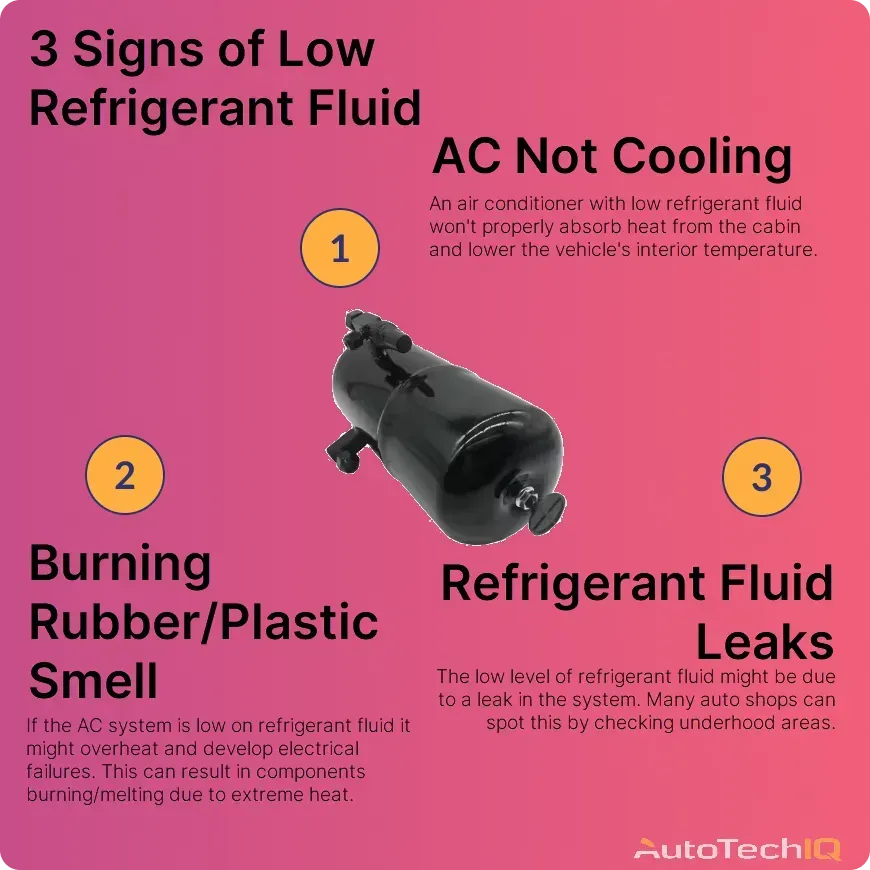
One of the first things you might notice is the AC blowing warm air instead of cold. The refrigerant absorbs heat from inside your car. If there’s not enough, the air coming out will not feel as cool, even if you turn the AC to its coldest setting.
2. Ac Clutch Not Engaging
The AC clutch is a part that connects the compressor to the engine. It should click on and off when the AC runs. If there’s a leak, the system pressure drops, and the AC clutch might not engage at all. This means your compressor isn’t working, so the AC won’t cool.
3. Hissing Or Bubbling Noises
If you hear a hissing sound when you turn off the engine, it could be escaping refrigerant. Bubbling noises can also mean there’s air in the system due to a leak. These sounds usually come from the AC lines or near the evaporator.
4. Visible Oil Or Dye Stains
Refrigerant often carries a bit of oil. Some shops also add a special UV dye to help spot leaks. If you see oily or bright green/yellow stains under the car, around AC hoses, or at AC connections, this is a clear sign of a leak.
5. Frequent Cycling Of The Compressor
When there’s not enough refrigerant, the compressor might turn on and off more often than normal. This “short cycling” is a warning that the system is struggling to maintain pressure.
6. Unusual Smells From The Ac
A chemical smell or musty odor from the vents can mean refrigerant is leaking inside the car, often from the evaporator. This is not only uncomfortable but can be unhealthy over time.
7. Frost Or Ice On Ac Parts
If you see ice or frost on AC lines or the evaporator, it’s a sign of refrigerant imbalance. Low refrigerant causes the temperature to drop below normal, freezing moisture in the air.
8. Dashboard Warning Lights
Some modern cars have sensors that detect low refrigerant levels. If your car’s AC or climate control warning light comes on, it may mean there’s a leak.
9. Ac System Not Blowing At All
In rare cases, if the refrigerant is very low, the system may shut off to prevent damage. You might turn on the AC and find nothing happens—no air, no noise.
10. High Humidity Inside The Car
A working AC removes both heat and moisture. If your windows fog up more than usual or the air feels damp, the AC may not be removing humidity due to a leak.
Credit: www.autotechiq.com
How To Confirm A Refrigerant Leak
While symptoms give you clues, confirming a leak often needs a closer look. Here are reliable ways to check:
Visual Inspection
Look for oily spots or dye stains around AC connections, hoses, or the compressor. Use a flashlight to examine hidden parts.
Uv Light Test
If dye was added during a past service, shine a UV flashlight on AC parts. Leaks will glow bright green or yellow.
Electronic Leak Detector
Mechanics use electronic sniffers that sense refrigerant gas. These tools can find even tiny leaks in hard-to-see places.
Soap Solution Test
Spray a mix of soap and water on suspected leak areas. If bubbles form, there’s a leak.
Pressure Gauge Test
A manifold gauge measures AC system pressure. Low readings often mean refrigerant loss, but this alone doesn’t confirm a leak’s location.
Where Do Ac Refrigerant Leaks Happen Most?
Some parts of the AC system are more likely to develop leaks. Here’s a quick comparison:
| AC Component | Leak Frequency | Typical Repair Cost (USD) |
|---|---|---|
| Compressor | Medium | $400–$1,000 |
| Condenser | High | $300–$700 |
| Evaporator | Medium | $500–$1,200 |
| O-Rings & Seals | Very High | $100–$350 |
| Hoses & Lines | High | $150–$400 |
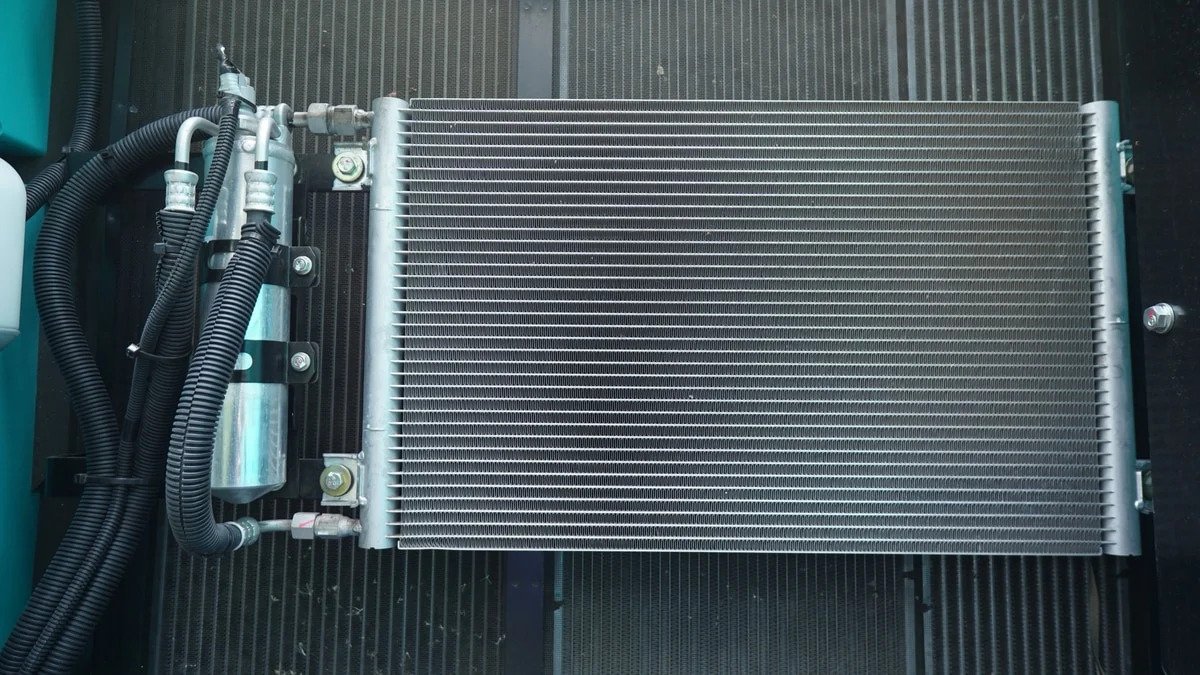
O-rings and seals are the most common leak points, especially in older cars. Condensers are often damaged by road debris. Hoses can crack over time. Evaporators leak less often, but repairs are costly because they are hard to reach.
Credit: www.youtube.com
Why Refrigerant Leaks Should Not Be Ignored
Ignoring a refrigerant leak is risky. Here’s why you should act quickly:
- Compressor Damage: Without enough refrigerant, the compressor can overheat and fail. This is one of the most expensive AC repairs.
- Higher Repair Costs: A small leak today can become a big repair tomorrow if moisture enters and causes corrosion.
- Environmental Harm: Most refrigerants contribute to global warming if released. Fixing leaks helps protect the environment.
- Poor Air Quality: Leaks can allow mold to grow, leading to unhealthy air inside your car.
How Mechanics Fix Refrigerant Leaks
Fixing a leak takes several steps. Here’s what professionals usually do:
- Leak Detection: They use UV dye, electronic detectors, or pressure tests.
- Repair or Replace: Faulty parts like hoses, O-rings, or condensers are repaired or replaced.
- Vacuum and Recharge: The system is vacuumed to remove air and moisture. Then, it’s refilled with the right amount of refrigerant.
- Test Operation: The mechanic checks for correct cooling and looks for new leaks.
Tip: Avoid using “stop leak” products. They can clog the system and cause more damage.
Credit: www.lebeuro-parts.com
Preventing Future Ac Refrigerant Leaks
While leaks can happen, you can lower the risk:
- Run the AC regularly. Even in winter, turn it on for a few minutes each week to keep seals lubricated.
- Service the AC yearly. Have a mechanic check for leaks, clean the system, and top up refrigerant if needed.
- Use the recirculation setting. This reduces moisture inside the system and helps prevent corrosion.
- Keep the condenser clean. Check for leaves, bugs, and debris in front of the radiator.
Real-world Example: How A Small Leak Became A Big Problem
Sarah noticed her car’s AC was not as cold as before. She ignored it for weeks, thinking it was just the summer heat. Later, the system began making hissing sounds and finally stopped working. The mechanic found that a simple O-ring leak had let in moisture, which damaged the compressor and evaporator.
Sarah’s repair bill was over $1,200—ten times what a simple leak fix would have cost. This shows why early action matters.
Data: Average Lifespan Of Ac Components
Here’s a look at how long common AC parts last before leaks or failures are likely:
| Component | Average Lifespan (Years) | Leak Risk Over Time |
|---|---|---|
| Compressor | 8–12 | Increases after 8 years |
| Condenser | 6–10 | Increases after 6 years |
| Hoses | 5–8 | High after 5 years |
| O-Rings & Seals | 5–7 | Very high after 5 years |
Older cars have a higher chance of leaks, especially after five years. Regular checks can help catch problems early.
Non-obvious Insights Most Drivers Miss
- Small Leaks Can Go Unnoticed for Months: The AC can lose 10–20% refrigerant per year naturally, but a tiny leak can make this worse. Your AC may seem fine until the leak gets bigger.
- Moisture Makes Leaks Worse: Even a little water entering the AC from a leak can cause internal corrosion. This is why quick repair matters.
- Not All Warm Air Is a Leak: Sometimes, a clogged cabin filter or broken blower motor causes weak cooling. Always check these before assuming a leak.
When To Seek Professional Help
If you notice any of the symptoms above and basic checks don’t solve the problem, it’s time to see a qualified AC technician. DIY fixes for AC leaks are rarely successful and can cause more harm. Certified shops have the right tools and knowledge to fix leaks safely.
For more about refrigerants and their environmental impact, see this Wikipedia guide on refrigerants.
Frequently Asked Questions
What Happens If I Keep Driving With A Refrigerant Leak?
Driving with a refrigerant leak can damage your AC compressor and other parts. You may also breathe in air with chemical fumes if the leak is inside the car. It’s best to fix leaks quickly to avoid bigger problems.
Can I Use A Refrigerant Top-up Can From The Store?
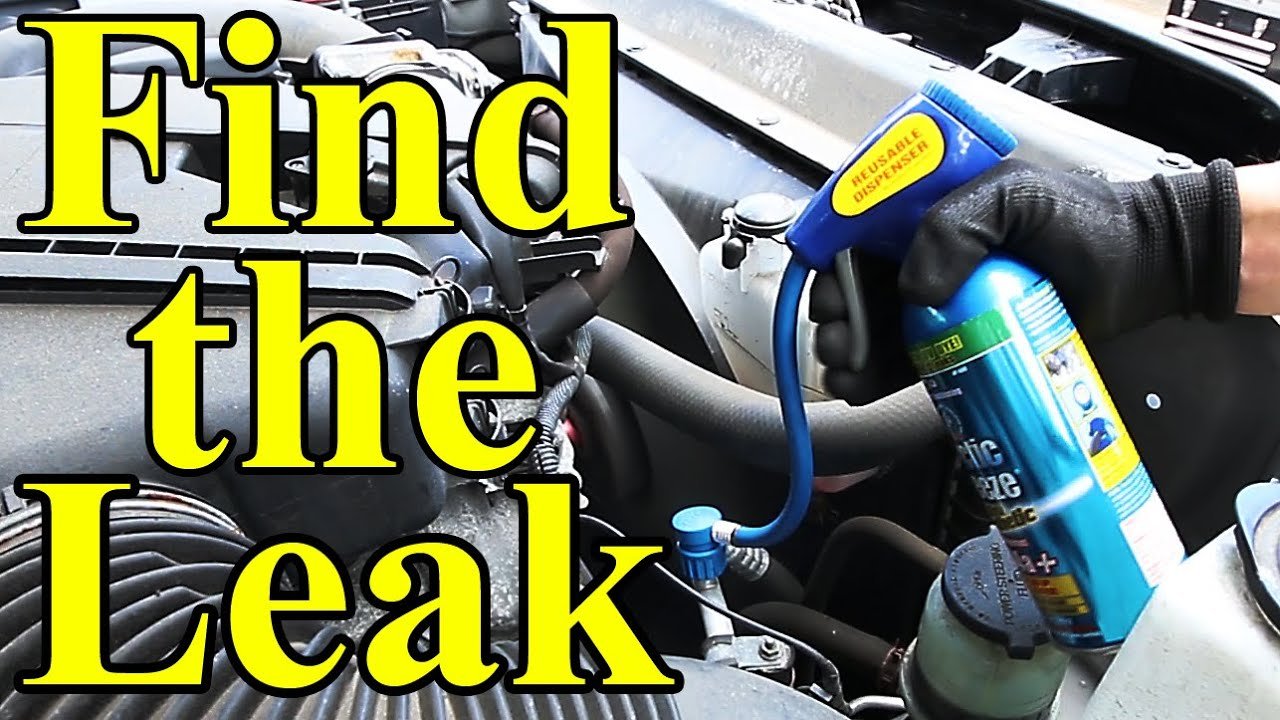
Using a DIY refrigerant can may give short-term cooling, but it does not fix the leak. You need to find and repair the leak first. Overfilling can also harm the AC system.
How Much Does It Cost To Repair A Car Ac Refrigerant Leak?
Costs depend on the part that’s leaking. Small leaks in hoses or O-rings can cost $100–$350, while big repairs like compressors or evaporators can cost $500–$1,200 or more.
Are Refrigerant Leaks Dangerous?
Most car refrigerants are not highly toxic, but breathing them is unhealthy. Leaks can also allow mold to grow in the AC, leading to poor air quality and health risks.
How Can I Prevent Car Ac Refrigerant Leaks?
Regular AC service, using the system year-round, and checking for oily stains under the hood can help prevent leaks. Early action is key to avoiding costly repairs.
Recognizing car AC refrigerant leak symptoms early helps you stay comfortable, protect your car, and avoid expensive repairs. Stay alert to the warning signs and act quickly for the best results.