
When your car battery keeps dying, it’s more than just annoying—it can disrupt your day, leave you stranded, and even cost you money. Many drivers believe a dead battery simply means the battery is old. But in reality, there are many reasons why a car battery keeps losing its charge.
Sometimes, the problem is easy to fix. Other times, it hints at a deeper issue with your car’s electrical system. Understanding what’s really happening helps you solve the problem faster and avoid future hassles. Let’s dive into the most common causes, how to diagnose them, and what you can do to keep your car starting smoothly every time.
Common Reasons Your Car Battery Keeps Dying
A car battery is built to last three to five years, but several factors can shorten its life or make it unreliable.
1. Parasitic Drain
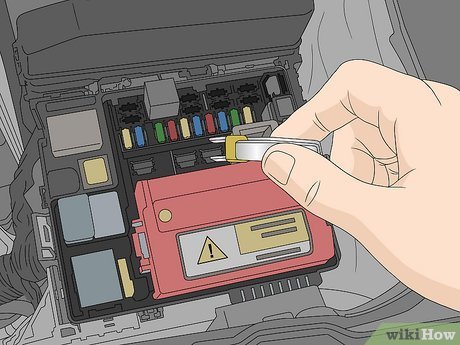
A parasitic drain happens when something in your car keeps using electricity after you’ve turned off the engine. This could be a dome light, a glove box light, or even a faulty electronic module. Modern cars have many electronics, so even a small drain can kill the battery overnight.
Signs:
- Battery dies after sitting for a few hours or overnight
- You notice an interior light or a device left on
- Car electronics act strange or reset
2. Old Or Worn-out Battery
Batteries have a limited lifespan. If your battery is over three years old, it can struggle to hold a charge—especially in hot or cold weather.
Signs:
- Slow engine crank
- Needing frequent jump-starts
- Battery case looks swollen or cracked
3. Faulty Alternator
The alternator charges your battery while you drive. If it isn’t working, your battery will drain even if it’s new.
Signs:
- Battery light on dashboard
- Dim lights or electrical issues while driving
- Battery dies soon after jump-starting
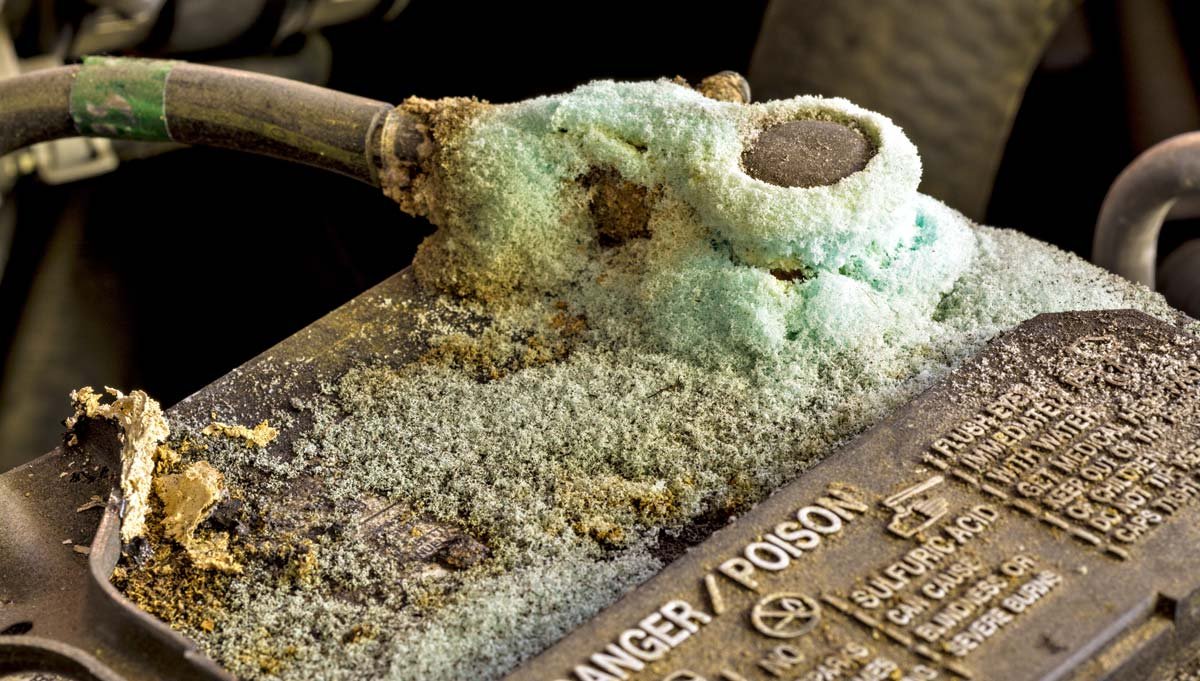
4. Loose Or Corroded Battery Connections
Corrosion or loose connections can block electricity from flowing to and from the battery. Even a new battery can’t work well if the cables are bad.
Signs:
- Visible white or green powder on battery terminals
- Cables feel loose or look damaged
- Car won’t start, or you hear clicking
5. Extreme Temperatures
Both hot and cold weather can affect battery life. Heat speeds up chemical reactions inside the battery, while cold slows them down and makes the engine harder to turn over.
Effects:
- Hot climates can dry out battery fluid
- Cold weather can reduce starting power by 35% or more
6. Short Drives
Frequent short trips don’t give your alternator enough time to recharge the battery. Over time, this can leave your battery undercharged.
Facts:
- A typical battery needs 20-30 minutes of driving to fully recharge
- Multiple short trips each day can drain the battery
7. Defective Charging System
Besides the alternator, problems with the voltage regulator or wiring can stop your battery from charging correctly.
Signs:
- Unstable dashboard lights
- Battery overcharges (swollen battery) or never fully charges
8. Bad Electrical Components
Sometimes, faulty relays, sensors, or aftermarket accessories (like alarms or stereos) keep drawing power even when the car is off.
Clues:
- Battery dies after new electronics are installed
- Unusual noises from under the hood after shutting off the engine
9. Human Error
It’s easy to forget headlights, cabin lights, or chargers plugged into the power outlet. Even a small device can drain the battery overnight.
Common mistakes:
- Leaving headlights or interior lights on
- Phone chargers or GPS units left plugged in
10. Battery Not Properly Secured
If the battery is loose, vibrations can damage its internal parts. This can create short circuits or reduce its ability to hold a charge.
Check:
- Battery moves when pushed by hand
- Hold-down clamp is missing or broken
How To Diagnose Why Your Battery Dies
Pinpointing the reason your car battery keeps dying is key to fixing it. Here are some practical steps:
Visual Inspection
- Look for corrosion or loose connections on the battery terminals
- Check for obvious lights left on inside the car
- Inspect the battery case for bulges, cracks, or leaks
Battery Voltage Test
A simple multimeter can check battery voltage. A healthy, fully charged battery should read around 12.6 volts with the engine off. Anything below 12.4 volts can mean it’s undercharged or failing.
Alternator Test
Start the engine and check voltage at the battery. It should read between 13.7 and 14.7 volts if the alternator is working. Lower readings indicate charging problems.
Parasitic Draw Test
You can use a multimeter to measure how much current flows from the battery when the car is off. Most cars should have a draw of less than 50 milliamps (0.05 amps). Higher readings mean something is draining your battery.
Professional Diagnostic
If you can’t find the problem, a mechanic can perform advanced tests to check your car’s electrical system.
Credit: www.youtube.com
Comparison: Common Causes Vs. How To Fix Them
Let’s look at some common causes and the usual fixes side by side.
| Cause | Fix |
|---|---|
| Parasitic Drain | Find and repair faulty wiring or device |
| Old Battery | Replace with a new battery |
| Faulty Alternator | Repair or replace alternator |
| Loose/Corroded Connections | Clean terminals, tighten cables |
| Short Drives | Drive longer or use a battery maintainer |
How To Prevent Your Car Battery From Dying
You can avoid most battery problems with a few simple habits and checks.
1. Regular Battery Checks
Inspect your battery and cables every few months for corrosion, leaks, or loose connections. Clean terminals with a wire brush and baking soda if needed.
2. Drive Longer Distances
Try to drive at least 20-30 minutes at a time, especially after short trips. This helps keep your battery charged.
3. Turn Off Accessories
Before shutting off your car, make sure all lights and electronics are off. Don’t leave chargers, GPS units, or other devices plugged in when parked.
4. Park In A Garage
If possible, park your car indoors during extreme weather. This protects the battery from heat and cold.
5. Test Battery Health
Many auto parts stores can test your battery for free. Do this at least once a year, especially before winter.
6. Secure The Battery
Check the hold-down bracket and make sure the battery is tight. A secure battery lasts longer.
7. Use A Battery Maintainer
If you don’t drive often, a small battery maintainer (trickle charger) keeps your battery full without overcharging it.
Credit: www.lesschwab.com
Battery Lifespan: What To Expect
How long should a car battery last? The answer depends on your climate, driving habits, and maintenance.
| Condition | Average Lifespan |
|---|---|
| Normal climate, regular driving | 3-5 years |
| Hot climate | 2-3 years |
| Frequent short trips | 2-3 years |
| Proper maintenance | Up to 6 years |
Insight: Many car owners don’t realize that batteries often fail without warning. If you notice your battery dying more often, it’s usually a sign it’s near the end of its life—even if it sometimes works.
When To Replace Your Car Battery
Knowing when to replace a battery can prevent you from getting stranded.
- Your battery is more than three years old, and you notice slow cranking or electrical problems
- The battery case is swollen, leaking, or cracked
- You need jump-starts more than once a month
- A battery test shows it’s below 12.4 volts and it won’t hold a charge
Remember, buying a high-quality battery that suits your car’s needs is important. Cheap batteries often fail faster, especially in harsh weather.
Cost Of Replacing A Car Battery
The price of a new battery depends on the brand, size, and type.
| Battery Type | Average Cost (USD) |
|---|---|
| Standard Lead-Acid | $50 – $120 |
| AGM (Absorbent Glass Mat) | $100 – $200 |
| Premium/High Performance | $150 – $350 |
Labor charges for replacement usually range from $20 to $50 at most shops.
Non-obvious Tips Most People Miss
1. Check The Battery’s Date Code:
Every battery has a date code showing when it was made. Even “new” batteries can sit on shelves for months. Always choose one made within the past 3-6 months.
2. Watch For Hidden Drains After Repairs:
If your battery problems started after installing a new stereo, alarm, or even after a repair, ask the technician to check for wiring or grounding problems. Sometimes, new equipment draws power even when off.
What If My Car Battery Keeps Dying Even After Replacement?
If you’ve replaced your battery but the problem comes back, you likely have a deeper issue. Possible causes include a failing alternator, a parasitic draw, or a hidden electrical fault. In these cases, it’s best to get a thorough check from a professional.
For more technical details on how car batteries work and why they fail, you can visit the Wikipedia page on car batteries.
When you understand why your car battery keeps dying, you can solve the problem faster and avoid future trouble. Stay alert to the warning signs, maintain your battery, and don’t ignore small electrical problems. This way, you’ll always be ready to hit the road without worry.
Frequently Asked Questions
Why Does My Car Battery Die Overnight?
This often happens because of a parasitic drain—something in your car is using electricity when it shouldn’t. Common causes include interior lights, faulty wiring, or a bad relay.
How Can I Check If My Alternator Is Bad?
Use a multimeter to measure voltage at the battery while the engine is running. If it’s below 13.7 volts or above 14.7 volts, the alternator might be faulty.
Can Short Trips Really Kill My Battery?
Yes, frequent short drives don’t give the alternator enough time to recharge the battery fully. Over time, this keeps the battery undercharged and can shorten its life.
Is It Safe To Jump-start My Car Often?
While an occasional jump-start is fine, doing it often can damage both the battery and electrical system. If you need frequent jump-starts, find and fix the real problem.
How Do I Know If My Battery Needs Replacing?
If your battery is over three years old and you notice slow cranking, dim lights, or need regular jump-starts, it’s time for a replacement. A professional test can confirm if it’s weak.
With the right knowledge and a little care, you can keep your car battery healthy and avoid being caught off guard. Take action early, and your car will always be ready to go.
Credit: www.wikihow.com