
If your car hard to start when hot, the problem can feel random and frustrating. The engine may start fine in the morning, then struggle after a short drive, a fuel stop, or a long idle in traffic. That usually means heat is affecting one part of the starting system, fuel system, or ignition system.
The good news is that this problem often has a clear cause. Heat changes how fuel, air, sparks, and electrical parts behave. A small weak point can become a big one when the engine bay gets hot. In many cases, you can find the real reason with simple checks before replacing expensive parts.
This guide explains why hot-start problems happen, how to diagnose them step by step, and what fixes actually work. You will also learn a few mistakes many drivers make, so you can avoid wasting time and money.
What changes when the engine gets hot
Heat affects almost every part of a car. Metal expands. Electrical resistance rises. Fuel can vaporize more easily. Sensors may send weaker signals. A part that works fine cold may fail only after the engine reaches full operating temperature.
That is why a hot-start problem is not the same as a cold-start problem. If the car cranks slowly, cranks normally but will not fire, or starts only after cooling down, the pattern tells you a lot.
Three common hot-start patterns
- Slow crank when hot: The starter turns the engine slowly after the car has been driven.
- Cranks but does not start: The engine spins, but fuel or spark is missing.
- Starts after waiting: The car refuses to start hot, then starts again after 10 to 30 minutes.
That last pattern is important. It often points to a heat-sensitive component, not a totally dead part. This is one of the biggest clues people miss.
The most common reasons a car is hard to start when hot
Hot-start issues usually come from a few main areas. Some are simple. Some need testing. The key is to avoid guessing.
| System | Likely issue | What happens when hot |
|---|---|---|
| Starter system | Worn starter motor or bad heat soak | Slow cranking or no crank |
| Battery and cables | Weak battery, corroded connections, bad ground | Voltage drop gets worse under heat load |
| Fuel system | Weak fuel pump, clogged filter, pressure loss | Engine cranks but lacks fuel |
| Ignition system | Failing coil, crank sensor, ignition module | No spark or weak spark when hot |
| Engine sensors | Bad coolant temp sensor or crankshaft sensor | Incorrect fuel delivery or no start |
| Fuel vapor problem | Vapor lock or boiling fuel | Fuel does not reach the engine properly |
1. Weak starter motor
A starter can fail only when hot. The inside parts wear down over time. When heat rises, clearances change and the starter may drag or stick. This is very common in older cars and in vehicles where the starter sits close to the exhaust manifold.
A strong clue is this: the engine cranks slowly after a hot drive, but the battery seems fine. If it starts well again after cooling, the starter may be the real cause.
Why this happens
Heat makes weak starter windings, brushes, and solenoids act worse. A starter with borderline wear may work cold but fail under heat soak. Heat soak means the starter absorbs heat from the engine after shutdown.
2. Battery problems and bad cable connections
Many people blame the battery first, and sometimes they are right. But a battery that seems “good” can still fail under heat and load. More often, the real issue is poor cable contact, dirty terminals, or a weak ground strap.
Heat increases electrical resistance. That means a connection that is only slightly poor may become bad enough to stop proper cranking.
Check the battery terminals, the positive cable, the negative cable, and the engine ground. Look for white corrosion, loose clamps, cracked insulation, or burned spots.
3. Fuel pump weakness
A fuel pump can work well enough when cold and then lose pressure when hot. The engine may crank normally but not start because there is not enough fuel pressure to support combustion.
This is one of the most common reasons for a car hard to start when hot after driving for a while. Some pumps also overheat if the fuel level is kept too low for long periods. Fuel helps cool the pump in many designs.
A subtle clue people often miss
If the car starts after you turn the key on and off a few times, the pump may be weak. Each key cycle may build a little more pressure, enough to help the engine start. That is a strong sign the fuel system needs testing.
4. Fuel vapor lock or fuel boiling
Older cars and some specific fuel system designs can suffer from vapor lock. Fuel gets too hot, turns partly to vapor, and the pump cannot move it well. Modern fuel-injected systems are less prone to this, but heat-related fuel vapor issues can still happen in certain setups.
Drivers may notice long cranking after a hot shutdown, rough starting, or hesitation right after restart.
5. Faulty crankshaft position sensor
The crankshaft position sensor tells the engine computer when to inject fuel and fire the spark. If this sensor fails when hot, the engine may crank but not start at all.
This problem is especially tricky because the sensor may work perfectly again after cooling. That makes the car seem “randomly fine.” In reality, heat is triggering the failure.
Many non-native English readers confuse this with a battery problem because both can make the car feel dead. The difference is this: with a bad sensor, the starter often cranks normally, but the engine never catches.
6. Ignition coil or ignition module failure
Ignition coils can break down under heat. The spark becomes weak or disappears. In the same way, an ignition module can stop working once it gets hot enough.
When spark is weak, the engine may crank, shake, or fail to start after a hot soak. If it does start, it may run rough for a few seconds.
7. Coolant temperature sensor problems
The engine computer uses the coolant temperature sensor to decide how much fuel to add during starting. If the sensor says the engine is much hotter or colder than it really is, the fuel mixture becomes wrong.
That wrong signal can cause hard starting, rich starting, or flooding after a hot shutdown. This is one of those problems that seems small but changes the entire start sequence.
8. Heat-soaked wiring and poor grounds
Wiring near the engine can get brittle, cracked, or loose. Heat makes these problems worse. A weak ground or damaged wire may work until the engine bay gets hot, then fail under load.
Never ignore grounds. A poor ground can create many strange symptoms, not just starting trouble. It can affect sensors, fuel pump control, and starter performance all at once.
How to diagnose the problem without guessing
The best way to fix a hot-start problem is to test it while it is happening. If the car always starts after cooling, the problem can hide during normal garage checks.
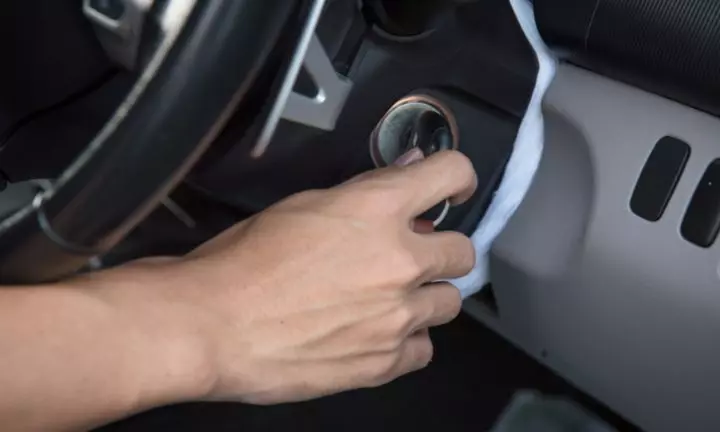
Credit: caralso.com
Step 1: Notice what the engine does
Before touching tools, pay attention to the start behavior.
- Does the engine crank slowly?
- Does it crank normally but never start?
- Does it start only after waiting?
- Do warning lights appear?
- Does pumping the accelerator change anything?
This first observation helps separate starter, fuel, spark, and sensor problems.
Step 2: Check battery voltage and cable condition
Use a multimeter if you have one. A healthy battery should read around 12.6 volts when the car is off. During cranking, voltage should not drop too low. Very low voltage can point to a weak battery or bad cable connection.
Also inspect terminals closely. Tight, clean, shiny metal contact matters more than many drivers think. A battery can test fine and still fail at the connection point.
Step 3: Listen for the fuel pump
When you turn the key to the on position, many cars make a soft humming sound for a few seconds. That is often the fuel pump priming the system.
If you hear no sound, that does not prove the pump is dead. But it does point to a possible pump, relay, fuse, or wiring issue.
Step 4: Check for spark and fuel pressure
If the engine cranks but will not start, you need to know whether it has spark and fuel. Without one of those, the engine cannot run.
A mechanic may use a spark tester and a fuel pressure gauge. These tools quickly reveal whether the problem is electrical or fuel related.
For a general idea of how your fuel system works, the AutoZone fuel delivery overview is a helpful basic reference.
Step 5: Scan for trouble codes
Even if the check engine light is off, stored codes may still be present. A scan tool can reveal sensor issues, crank sensor failures, or fuel mixture problems.
Do not stop at the code itself. Read the data too. For example, a coolant temperature reading that makes no sense when the engine is hot can be a strong clue.
Fixes that actually work
Once you know the likely cause, the repair becomes much easier. The right fix depends on what failed, but these are the most common solutions.
Credit: dubizzle.com
Clean and tighten all battery connections
If terminals are dirty or loose, clean them and tighten them properly. Check the ground cable to the body and engine. If the cable is damaged, replace it.
This is a low-cost fix that solves many hot-start complaints. It is also one of the easiest things to overlook.
Replace a weak starter
If the starter fails only when hot and the battery is healthy, replacing the starter is often the correct fix. Choose a quality part. Cheap starters may work for a while and then fail again.
In some cars, adding a heat shield or improving exhaust insulation can help reduce heat soak around the starter.
Test and replace the fuel pump if needed
If fuel pressure is low, the pump may be worn out. Replace the fuel filter if your car uses one, because a clogged filter can also cause pressure loss.
Do not assume the pump is bad without testing. A fuel pressure problem can also come from a weak relay, bad wiring, or pressure regulator issue.
Replace a faulty crankshaft sensor or ignition coil
Heat-sensitive sensors and coils usually do not repair well. Once they fail, replacement is the best answer. These parts often behave badly in a very specific temperature range, which makes diagnosis important.
If the car dies hot and restarts after cooling, this fix is worth serious attention.
Repair damaged wiring and grounds
Look for melted insulation, loose pins, broken connectors, and bad ground points. Clean the contact area and secure the wire properly. If a wire is brittle or burned, replacement is safer than patching.
Electrical problems often come back if the root cause is not fixed fully.
Replace a faulty coolant temperature sensor
If the engine computer is getting the wrong temperature signal, the air-fuel mixture can be wrong during startup. Replacing the sensor usually solves the issue if the reading is confirmed to be inaccurate.
Common mistakes people make
Many drivers spend money on the wrong part because the symptoms feel similar. Avoid these mistakes.
Replacing the battery too early
A new battery will not fix a bad starter, failed sensor, or weak fuel pump. If the battery tests well, look deeper.
Ignoring the difference between crank and no-crank
This is a big one. A no-crank issue points toward battery, cable, starter, or ignition switch problems. A crank-but-no-start issue points more toward fuel, spark, or sensor problems.
Only testing the car when cold
Some parts fail only after heat soak. If the problem happens hot, testing the car cold may show nothing wrong.
Using guesswork instead of measurements
Voltage, fuel pressure, and scan data remove most of the guesswork. Without testing, it is easy to replace parts that are still good.
How to prevent hot-start problems from coming back
Once you fix the issue, a few simple habits can help prevent it from returning.
- Keep battery terminals clean and tight.
- Do not let the fuel level stay very low for long periods.
- Replace worn spark plugs on time.
- Fix oil leaks that drip onto hot electrical parts.
- Inspect wiring near the exhaust and engine bay during routine service.
Another smart step is to pay attention to small changes. If the engine starts taking longer than usual when hot, do not wait for a complete failure. Early diagnosis is cheaper.
When you should stop driving and get help
Some hot-start problems are minor. Others can leave you stranded. Get professional help if the car stalls in traffic, the starter makes grinding noises, you smell burning wiring, or the engine cranks but never starts even after cooling.
If the problem is getting worse fast, do not keep forcing the starter. Repeated long cranking can damage the starter, drain the battery, and make diagnosis harder.
One more useful point: if the engine is hard to start hot and also runs poorly, misfires, or loses power, the cause may be part of a larger engine control issue. In that case, scan data and a full electrical check are worth it.
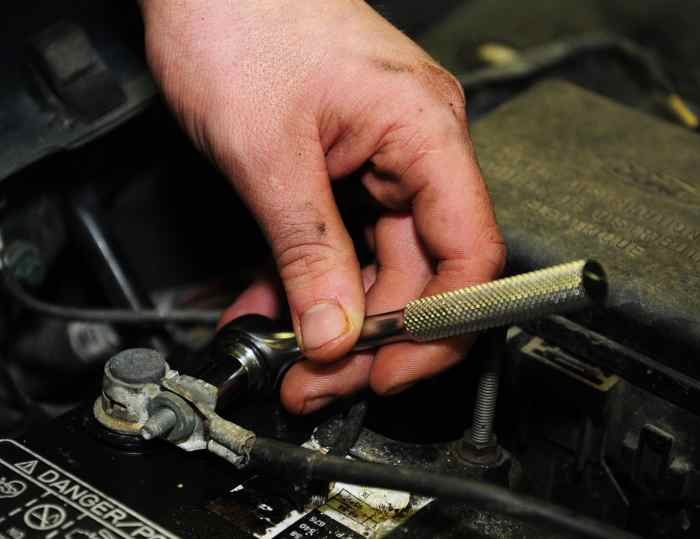
Credit: axleaddict.com
What to remember before replacing parts
The phrase car hard to start when hot describes a symptom, not a single problem. The real cause may be electrical, fuel-related, sensor-related, or mechanical. That is why the best repair starts with careful observation and testing.
Begin with the simple items: battery terminals, grounds, starter behavior, fuel pump sound, and scan codes. Then move to fuel pressure, spark, and sensor checks. This order saves time and prevents wasted money.
If you approach the problem step by step, the answer is usually easier to find than it first appears.
FAQs
1. Why is my car hard to start when hot but starts fine when cold?
This usually means a part is failing under heat. Common causes include a weak starter, a bad crankshaft sensor, a weak fuel pump, or poor electrical connections. Heat makes a borderline part act worse.
2. Can a bad battery cause hot-start problems?
Yes, but it is not the only cause. A weak battery or corroded terminals can cause slow cranking. Still, if the car cranks normally when hot but will not start, the battery is less likely to be the main issue.
3. How do I know if it is the fuel pump or starter?
If the engine cranks slowly or not at all, the starter or electrical system is more likely. If the engine cranks normally but does not fire, the fuel pump, spark system, or sensor system is more likely. Testing fuel pressure and voltage gives the clearest answer.
4. What is heat soak?
Heat soak is when engine heat moves into nearby parts after the car is turned off. This can affect the starter, sensors, and wiring. A part may fail only during this hot period and work again after cooling.
5. Is it safe to keep trying to start the car when it is hot?
Not for long. Repeated long cranking can drain the battery and damage the starter. If the car does not start after a few tries, it is better to stop and diagnose the cause before more damage happens.
