
Car leaks can cause stress, damage, and expensive repairs. You park your car, spot a puddle underneath, and wonder: Is this serious? Many drivers ignore small leaks, hoping they will go away. But leaks often signal important problems. Identifying them early can save you money and keep you safe. This guide helps you recognize different car leaks, understand their risks, and know what to do next. Whether you’re new to cars or have driven for years, you’ll find practical advice, clear explanations, and useful examples.
Why Car Leak Identification Matters
Ignoring a car leak is risky. Some leaks are minor, like condensation from the air conditioner. Others, such as brake fluid or coolant, can threaten your safety or damage your engine. Early detection is key. Most leaks start small but grow worse if left unchecked. A single drop on your driveway can mean hundreds of dollars in repairs if you wait too long.
Statistics show that over 60% of breakdowns are caused by fluid loss or leaks. The average repair for neglected leaks can be over $700, compared to $150 for early fixes. Leaks can also lead to environmental problems if fluids seep into the ground.
Understanding what’s dripping from your car helps prevent all these issues.
Common Types Of Car Leaks
Every vehicle uses several fluids to run smoothly. Each fluid has its own color, texture, and smell. Here are the most common leaks you might see:
1. Engine Oil Leak
Engine oil is vital for lubricating moving parts. If you see brown or black fluid under your car, it’s likely oil. Oil leaks are usually found near the front of the engine, where gaskets or seals may fail.
- Smell: Slightly burnt, oily
- Danger: Can damage engine if low
- Common causes: Worn gaskets, loose oil filters
2. Coolant Leak
Coolant (also called antifreeze) keeps your engine from overheating. It’s often bright green, pink, or orange and feels slippery.
- Smell: Sweet, sometimes sharp
- Danger: Overheating, engine failure
- Common causes: Cracked radiator, loose hoses
3. Transmission Fluid Leak
Transmission fluid helps shift gears smoothly. It’s usually red or pink, but can turn brown as it ages.
- Smell: Slightly burnt, oily
- Danger: Can cause gear slipping or failure
- Common causes: Damaged transmission pan, faulty seals
4. Brake Fluid Leak
Brake fluid is clear to yellow and very slippery. Leaks often appear near wheels or under the brake master cylinder.
- Smell: Slightly chemical, not strong
- Danger: Reduced braking power, serious safety risk
- Common causes: Worn brake lines, damaged master cylinder
5. Power Steering Fluid Leak
Power steering fluid is reddish or amber, and helps you steer easily. A leak can make steering harder.
- Smell: Oily, sometimes burnt
- Danger: Difficult steering, possible damage
- Common causes: Worn hoses, loose connections
6. Fuel Leak
Gasoline leaks are rare but dangerous. The fluid is clear, and the smell is strong and sharp. Diesel is oily and less volatile.
- Smell: Strong, easily recognized
- Danger: Fire risk, environmental hazard
- Common causes: Broken fuel lines, leaking tanks
7. Water Leak
Water leaks often come from the air conditioner. If you see clear, odorless fluid under your car after running the AC, it’s likely harmless condensation.
- Smell: None
- Danger: Usually safe
- Common causes: AC condensation
8. Differential Fluid Leak
Differential fluid is thick, dark, and smells like rotten eggs. It’s found near the rear axle in many vehicles.
- Smell: Strong, sulfur-like
- Danger: Can cause gear damage
- Common causes: Worn seals, loose covers
9. Windshield Washer Fluid Leak
Washer fluid is often blue or green and smells slightly like soap or alcohol. Leaks are usually harmless but can make cleaning your windshield harder.
- Smell: Mild, sometimes soapy
- Danger: Low
- Common causes: Cracked reservoir, loose hose
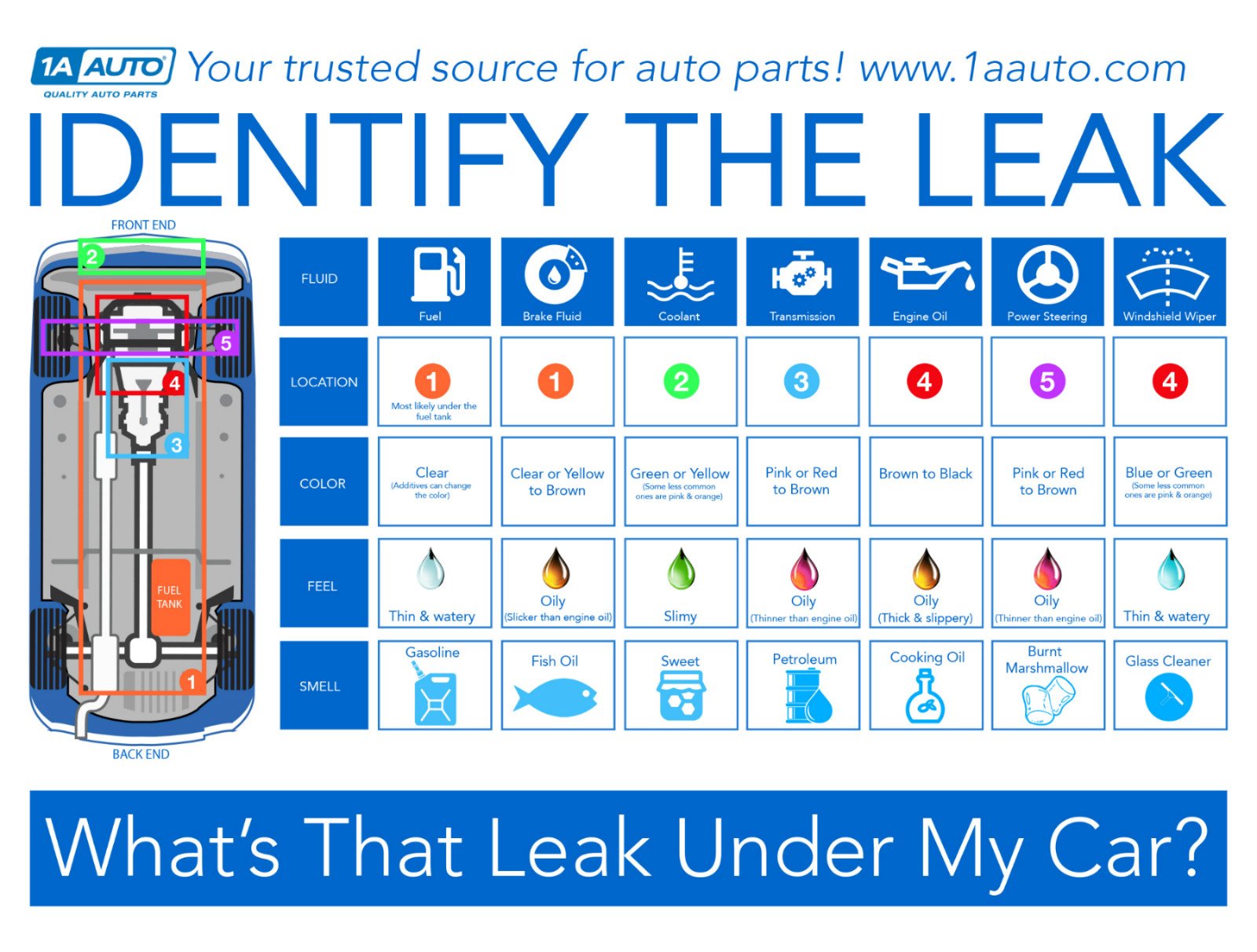
Credit: www.1aauto.com
How To Identify A Car Leak
The first step is simple observation. Look under your car before driving. Note the color, location, and smell of any puddles. Here’s a practical process:
- Place a piece of cardboard under your car overnight.
- Check for stains in the morning.
- Match the color and texture to the common leaks above.
- Smell the stain (carefully! ).
- Note where the leak is coming from: Front, middle, rear, or near wheels.
Many leaks leave clues. For example, oil leaks usually appear under the engine. Transmission fluid is found near the middle. Power steering fluid often drips near the front wheels.
Car Leak Identification Table
This comparison table helps you quickly match leak characteristics to possible causes:
| Fluid | Color | Texture | Common Location | Smell |
|---|---|---|---|---|
| Engine Oil | Brown/Black | Oily | Under Engine | Burnt, oily |
| Coolant | Green/Pink/Orange | Slippery | Front, under radiator | Sweet |
| Transmission Fluid | Red/Pink | Oily | Middle, near transmission | Burnt, oily |
| Brake Fluid | Clear/Yellow | Very slippery | Near wheels | Chemical |
| Power Steering Fluid | Reddish/Amber | Oily | Front, near steering | Burnt, oily |
| Fuel | Clear | Thin | Anywhere under car | Strong, sharp |
| Water | Clear | Thin | Under passenger area | None |
| Differential Fluid | Dark | Thick | Rear axle | Rotten eggs |
| Washer Fluid | Blue/Green | Thin | Front, under windshield | Soapy |
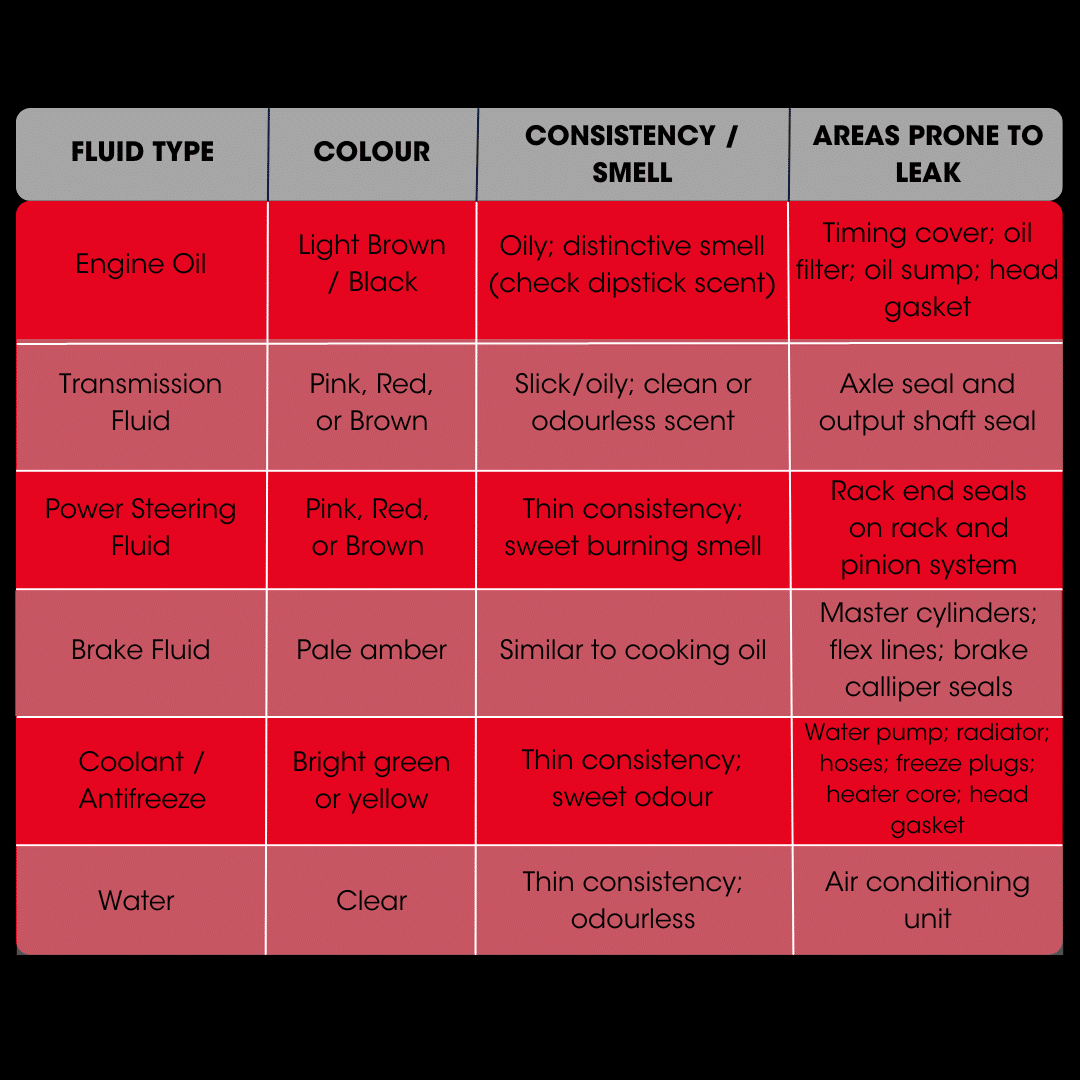
Credit: www.prestoneuk.com
What Causes Car Leaks?
Most leaks start with wear and tear. Seals, hoses, and gaskets degrade over time, especially in hot or cold climates. Sometimes leaks happen after maintenance, if parts are not tightened properly. Here are some common causes:
- Aging parts: Rubber hoses and seals get brittle.
- Vibration: Shakes parts loose over time.
- Corrosion: Rust eats through metal parts.
- Accidents: Impacts damage tanks or lines.
- Improper installation: Parts not installed correctly.
Many leaks are preventable with regular checks. For example, changing oil and coolant as recommended helps keep seals healthy.
How To Fix And Prevent Car Leaks
Fixing a leak depends on its cause. Some leaks, like water from the AC, need no repair. Others, like oil or brake fluid, require attention. Here are practical steps:
- Locate the source: Use the identification process above.
- Check fluid levels: Low levels signal a leak.
- Tighten connections: Sometimes a loose bolt is the cause.
- Replace worn parts: Old hoses, seals, and gaskets should be swapped.
- Clean the area: Dirt can hide leaks. Clean, then check again.
- Use dye kits: Special dyes can help find hidden leaks.
- Consult a mechanic: If unsure, get professional help.
To prevent leaks:
- Check fluids monthly.
- Park on a clean surface to spot leaks early.
- Follow your car’s maintenance schedule.
- Avoid rough driving, which stresses parts.
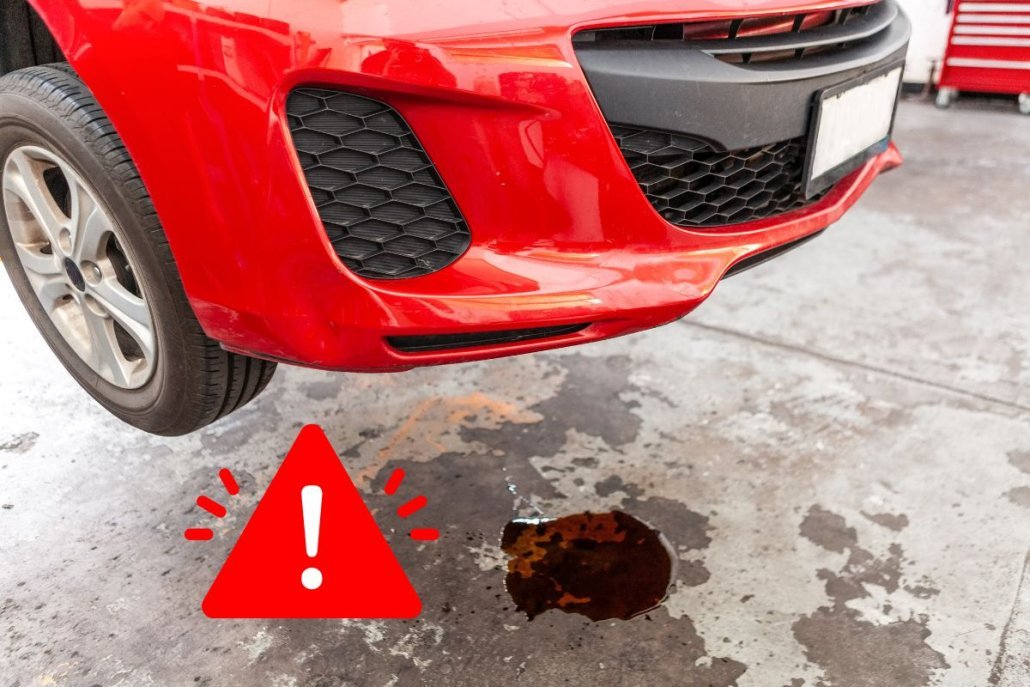
Credit: classiclubeexpress.com
Leak Danger Levels Table
Not all leaks are equally serious. Here’s a table showing risk levels:
| Fluid | Typical Risk | Immediate Action Needed? |
|---|---|---|
| Engine Oil | Medium-High | Yes, check level |
| Coolant | High | Yes, risk of overheating |
| Transmission Fluid | High | Yes, risk of transmission damage |
| Brake Fluid | Very High | Yes, safety risk |
| Power Steering Fluid | Medium | If steering is hard, yes |
| Fuel | Very High | Yes, fire risk |
| Water | Low | No |
| Differential Fluid | Medium | If driving feels odd, yes |
| Washer Fluid | Low | No |
Non-obvious Insights For Leak Identification
- Mixing fluids can confuse diagnosis: Sometimes two leaks happen at once. For example, a coolant leak and an oil leak can mix, changing the color and smell. Always check fluid levels separately.
- Leaks can travel: Fluid drips may start at the front but run along parts, appearing elsewhere. If you see a leak in a strange spot, follow the trail to the highest point.
- Temperature affects leak detection: Some leaks only show up when the engine is hot. If you suspect a leak, check after driving and after the car cools down.
When To See A Mechanic
If your car loses brake fluid, fuel, or transmission fluid, do not drive. Call for help. Engine oil and coolant leaks can cause engine damage if ignored. If you are unsure about the leak’s source, a mechanic can use special tools to diagnose it. Remember, fixing leaks early is always cheaper and safer.
You can find more detailed technical information at Wikipedia.
Frequently Asked Questions
What Should I Do If I See A Red Fluid Leaking From My Car?
Red fluid is often transmission fluid or power steering fluid. Check your transmission and power steering levels. If you notice gear shifting problems or hard steering, see a mechanic soon.
Is Water Leaking Under My Car Dangerous?
Most water leaks are harmless and come from air conditioner condensation. If the water is clear and odorless, it’s safe. If it smells or is colored, it might be another fluid.
How Can I Tell The Difference Between Oil And Coolant Leaks?
Engine oil is brown or black and feels oily. Coolant is bright green, pink, or orange and feels slippery. Coolant also smells sweet, while oil has a burnt smell.
Can I Drive With A Small Oil Leak?
A small oil leak is not an emergency, but you should check your oil level often. If the leak grows or your oil level drops quickly, see a mechanic.
What Is The Most Dangerous Car Leak?
Brake fluid and fuel leaks are the most dangerous. Brake fluid loss can cause your brakes to fail. Fuel leaks can cause fire. Never drive with these leaks.
Spotting a leak early is smart. Use this guide to check your car regularly, match the leak, and decide what to do next. Car leaks are common, but with careful attention, you can avoid expensive and risky surprises.