
Planning a road trip can be one of the most exciting parts of any journey. The idea of hitting the open road, discovering new places, and making memories is thrilling. But before you pack your bags and plan your route, there is something very important you should never overlook: car maintenance before a road trip. Ignoring this step can turn a fun adventure into a stressful situation. Flat tires, dead batteries, or engine trouble in the middle of nowhere are the last things you want. With the right preparation, you can avoid most of these problems and enjoy your trip with peace of mind.
This guide will walk you through everything you need to check, fix, or prepare before a long drive. Whether your car is brand new or several years old, these tips help you travel safely, save money, and protect your vehicle.
Why Car Maintenance Before A Road Trip Is Essential
When you drive long distances, your car faces more stress than on normal city trips. High speeds, heavy loads, changing weather, and unfamiliar roads can all reveal hidden problems. A well-maintained car is not just about reliability; it’s about safety, fuel efficiency, and avoiding expensive repairs far from home.
According to the American Automobile Association (AAA), about 33% of drivers experience a vehicle breakdown every year. Many of these could be prevented with basic checks. So, investing a little time in maintenance can save hours (or even days) of trouble later.
Fluids: The Lifeblood Of Your Car
Your car relies on several types of fluids to run smoothly. Before a road trip, always check and top up or replace these:
1. Engine Oil
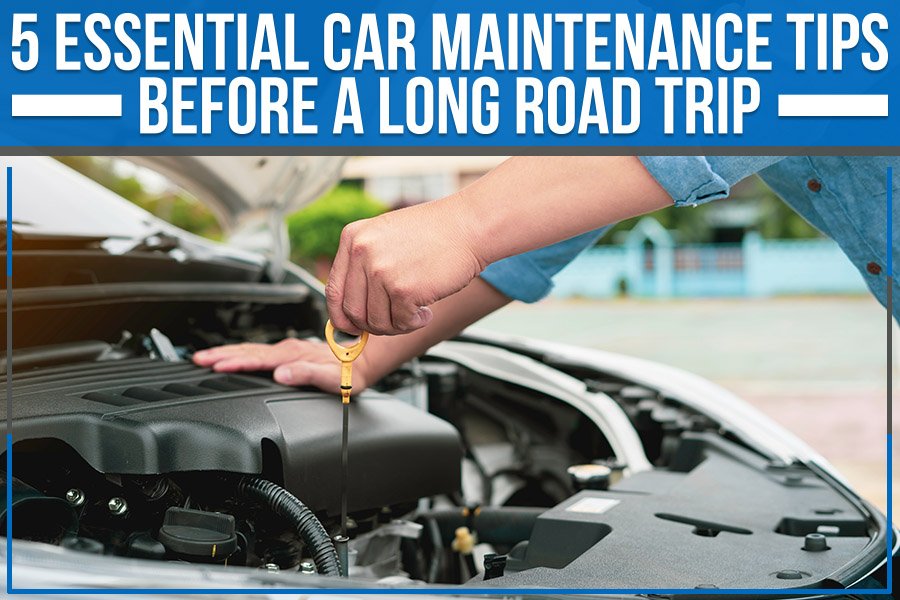
Engine oil lubricates moving parts and keeps the engine cool. Low or dirty oil can cause overheating or engine damage. Check the oil level with the dipstick and look at its color—if it’s dark or gritty, change it. Synthetic oils usually last longer, but if your next oil change is close, do it before you leave.
2. Coolant/antifreeze
Coolant prevents your engine from overheating. Make sure the coolant reservoir is at the correct level. If the fluid looks rusty or dirty, it’s time to flush and replace it. Never open a hot radiator cap—wait for the engine to cool.
3. Brake Fluid
Brake fluid is critical for safety. Low levels or dark fluid can make your brakes less effective. Top it up if needed, and if it hasn’t been changed in the past two years, consider replacing it.
4. Transmission Fluid
Transmission fluid keeps your gears shifting smoothly. If you feel any hesitation or hear strange noises when shifting, check the fluid. Some vehicles let you check it with a dipstick; others need a mechanic.
5. Windshield Washer Fluid
A clean windshield is vital for visibility. Fill the washer reservoir with the correct fluid, not just water, so it won’t freeze or damage your system.
6. Power Steering Fluid
If your steering feels heavy or makes noise, check the power steering fluid. Top it up if it’s low.

Credit: www.supaquick.com
Tires: Your Only Contact With The Road
Tires are one of the most important parts of car safety. Poor tire maintenance is a leading cause of breakdowns and accidents on long trips.
Check Tread Depth
Worn tires have less grip, especially in rain or on rough roads. Use a tread depth gauge or insert a coin into the grooves. If the tread is less than 2/32 of an inch, replace the tire.
Monitor Tire Pressure
Under-inflated tires waste fuel and can overheat. Over-inflated tires can cause poor handling. Use a pressure gauge and inflate to the recommended PSI (found on your driver’s door or in the manual).
Inspect For Damage
Look for cracks, bulges, or objects stuck in the tread. Even small damage can become a big problem at highway speeds.
Don’t Forget The Spare
Check your spare tire for proper inflation and condition. Make sure you have a jack and lug wrench as well.
Here’s a quick comparison of what to check for each tire:
| Check | What to Look For | Action Needed |
|---|---|---|
| Tread Depth | Below 2/32 in | Replace Tire |
| Pressure | Too low/high | Adjust to spec |
| Damage | Cracks, bulges | Repair/Replace |
| Spare | Flat or missing tools | Inflate/Equip |
Brakes: Stopping Power Matters
Brakes are your first defense against accidents. Test them at low speeds—listen for squealing, grinding, or vibrations. These are signs that your brake pads or rotors may need replacing.
If your car pulls to one side while braking, the brakes may be worn unevenly. Brake fluid should also be clear and at the proper level.
Most modern cars have brake pad wear sensors, but a manual inspection is still wise. If your trip includes driving in mountains or towing, extra brake wear is likely.
Battery: Avoid Getting Stranded
A weak or dead battery is a common cause of breakdowns, especially in extreme temperatures. Batteries usually last 3-5 years, but hot or cold weather can shorten this.
Check for corrosion on the terminals—clean with a wire brush if needed. Make sure the battery is securely mounted. If your headlights dim when starting or you hear a clicking sound, get the battery tested.
If your battery is old, consider replacing it before the trip. Many auto shops will test it for free.
Lights And Signals: See And Be Seen
Proper lighting is crucial for safety, especially if you drive at night or in bad weather.
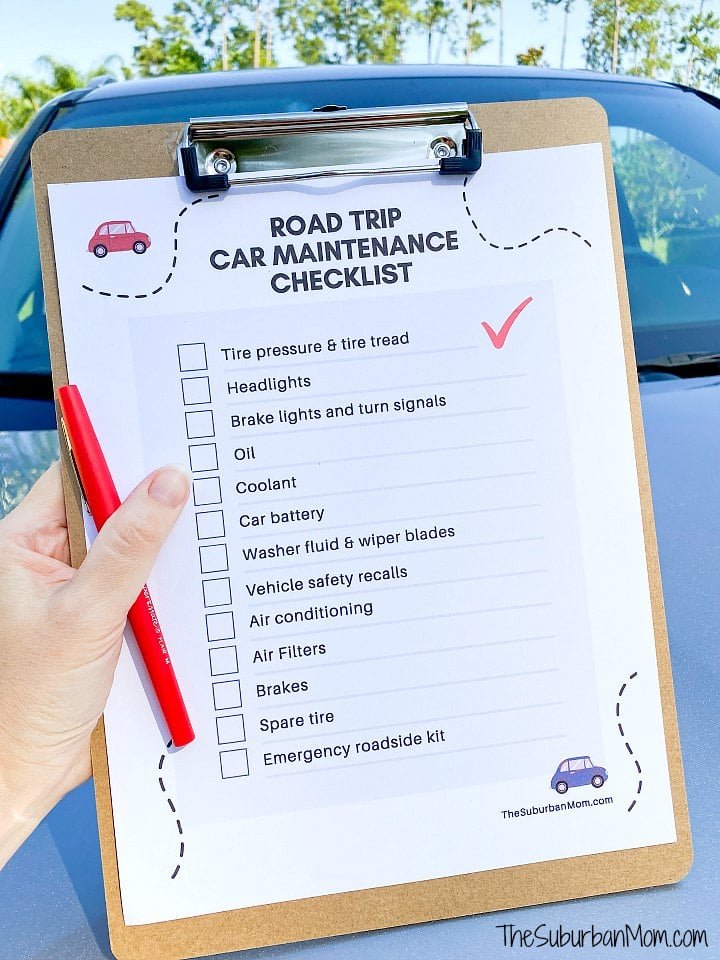
- Check headlights (both high and low beams)
- Test brake lights and turn signals
- Make sure reverse lights and hazard lights work
Replace any burned-out bulbs. Clean your lights for maximum brightness—cloudy lenses can often be polished.
Credit: www.thesuburbanmom.com
Belts And Hoses: Small Parts, Big Problems
Engine belts and hoses may look simple, but their failure can leave you stranded. Look for:
- Cracks, fraying, or splits in belts
- Bulges, leaks, or soft spots in hoses
If you see any signs of wear, replace them before your trip. Hoses should feel firm, not squishy.
Air Conditioning And Heating: Comfort And Safety
Long drives can be uncomfortable if your air conditioning or heating stops working. Test both systems before you go. For A/C, check if it blows cold air quickly. For heating, make sure the cabin warms up and the defroster works.
If you notice any odd smells or weak airflow, replace the cabin air filter. This is something many travelers forget, but it can make a big difference in air quality.
Credit: www.acuraoftempe.com
Wiper Blades: Clear Vision In All Weather
Worn wiper blades can make it hard to see in rain or snow. If your blades leave streaks or make noise, replace them. Carrying an extra set is a good idea for longer trips.
Emergency And Safety Kit: Prepare For The Unexpected
Even with perfect maintenance, surprises can happen. Pack an emergency kit with:
- First aid supplies
- Jumper cables
- Flashlight and batteries
- Road flares or reflective triangles
- Basic tools
- Blanket and water
- Non-perishable snacks
- Phone charger (12V car adapter)
- Duct tape
If traveling in winter, add a shovel and ice scraper.
Essential Documents And Insurance
Make sure you have:
- Driver’s license
- Vehicle registration
- Proof of insurance
- Emergency contact numbers
Check your insurance policy for roadside assistance coverage. Some credit cards and auto clubs offer this as well.
Non-obvious Checks Beginners Often Miss
1. Wheel Alignment And Suspension
If your car pulls to one side or the steering wheel vibrates, get a wheel alignment check. Poor alignment can cause uneven tire wear and make driving tiring.
Suspension problems (like worn shocks) can make your ride uncomfortable and unsafe, especially on rough roads.
2. Key Fob Batteries And Spare Keys
Modern cars rely on key fobs. A dead fob battery can lock you out or prevent the car from starting. Change the battery and bring a spare key if possible.
Preparing For Different Climates And Altitudes
If your trip includes high mountains or hot deserts, your car faces extra stress. Engines can overheat faster at high altitude or in heat. Air conditioning and cooling systems work harder. Make sure these are in top shape, and consider taking breaks to let the car cool down.
Packing: Don’t Overload
Check your vehicle’s maximum load (found on a sticker inside the door). Overloading affects handling, braking, and fuel economy. Distribute weight evenly and avoid stacking heavy items high, which can shift during sudden stops.
Here’s a table comparing the effects of overloading on key aspects:
| Overloading Effect | Impact |
|---|---|
| Braking Distance | Longer stopping time |
| Handling | Poor stability |
| Fuel Economy | Lower efficiency |
| Tire Wear | Faster wear |
Quick Pre-trip Checklist
Before you leave, run through this quick list:
- Check all fluids
- Inspect tires and pressure
- Test brakes and lights
- Examine belts and hoses
- Clean windshield and check wipers
- Test A/C and heat
- Charge phone and pack emergency kit
- Review documents and insurance
Final Tips For A Smooth Road Trip
- Fill up with fuel before leaving urban areas
- Keep some cash for tolls or emergencies
- Share your route with a friend or family member
- Plan rest stops to avoid fatigue
- Listen for new noises during the trip—stop and check if anything feels wrong
For more in-depth car care guides, you can visit the National Highway Traffic Safety Administration.
Taking these steps does not guarantee zero problems, but it will greatly reduce your risk. Car maintenance before a road trip is a smart investment in your safety, comfort, and fun. With your car ready, you can focus on what matters—enjoying the journey and making memories.
Frequently Asked Questions
What Is The Most Important Thing To Check Before A Road Trip?
The most important is tire condition and pressure. Bad tires can cause accidents or leave you stranded. Always check tread depth, pressure, and for any visible damage.
How Soon Before My Trip Should I Do Maintenance?
Do a full check at least one week before your trip. This gives you time to fix any problems and order parts if needed.
Can I Skip An Oil Change If It’s Only A Little Overdue?
It’s best not to skip. Fresh oil keeps your engine safe and efficient, especially on long trips. Change it if you’re close to the recommended interval.
Should I Visit A Mechanic Even If My Car Seems Fine?
Yes, a professional inspection can catch small issues you might miss, like worn brakes or hidden leaks. It’s a wise step for long journeys.
What Should I Do If My Check Engine Light Comes On During The Trip?
If the light is steady, find a safe place to stop and check basic things like oil and coolant. If it’s blinking, pull over immediately—this could mean serious engine trouble. Call for help if needed.
With good preparation, your road trip will be safer, smoother, and much more enjoyable. Happy travels!