
As the days get shorter and the air turns crisp, winter’s arrival means more than just a change of wardrobe. For car owners, it’s a signal to prepare their vehicles for the unique challenges that cold weather brings. Skipping winter car maintenance can lead to breakdowns, dangerous driving, and expensive repairs. But with a little planning, you can keep your car running smoothly and stay safe on icy roads. This guide will walk you through everything you need to do before winter starts, from must-check systems to often-missed details that can save you stress and money.
Why Winter Car Maintenance Matters
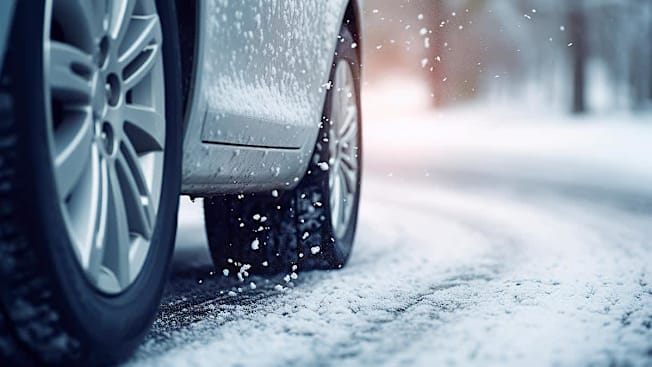
Winter driving is harder on your car than you might think. Cold temperatures thicken engine oil, reduce battery power, and make tires less effective. Roads can be slick with ice or snow, and salt can eat away at metal parts.
In fact, according to the AAA, car battery failures increase by 30% in winter, and tire traction drops by up to 50% on snowy roads. A little preparation can make a huge difference in your safety and your car’s lifespan.
Essential Checks For Your Car Before Winter
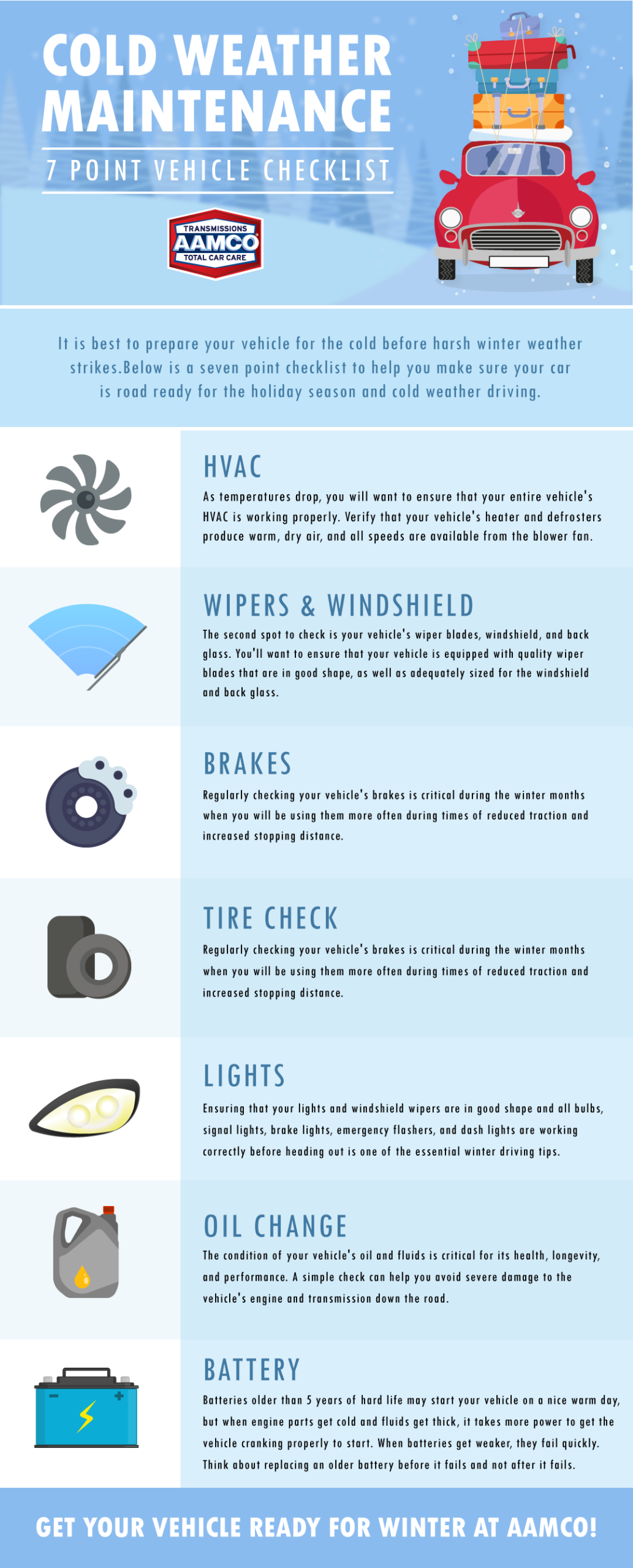
1. Battery Health And Performance
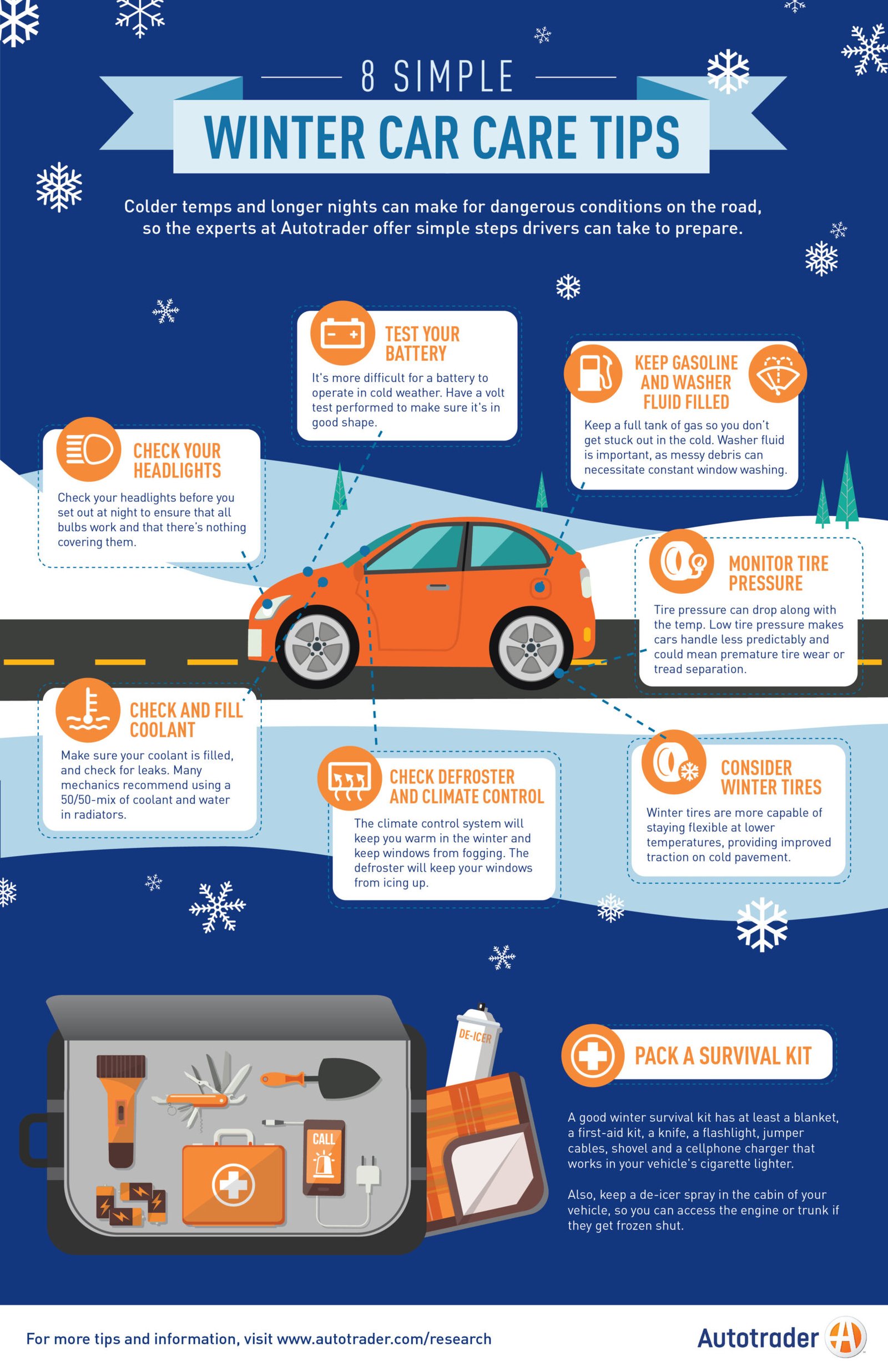
Your car battery works harder in cold weather. At 0°C (32°F), a battery loses about 35% of its strength. If your battery is over three years old, have it tested. Look for corrosion on terminals and clean them if needed. Make sure connections are tight. If the engine cranks slowly or lights dim when you start the car, it’s time to replace the battery.
2. Tires: Tread, Pressure, And Winter Options
Good tires are your first defense against winter accidents. Check the tread depth—use a coin or tread gauge. Less than 4mm means it’s time for new tires. Cold air shrinks tire pressure, so check and top up every two weeks. Consider switching to winter tires, which grip better in snow and ice. All-season tires lose flexibility in cold, while winter tires stay soft and sticky.
| Type | Best Temperature Range | Performance on Snow/Ice |
|---|---|---|
| All-Season | Above 7°C (45°F) | Fair |
| Winter Tires | Below 7°C (45°F) | Excellent |
| Summer Tires | Above 10°C (50°F) | Poor |
3. Engine Oil And Fluids
Colder weather thickens oil, making it harder for your engine to turn over. Use the oil grade recommended for winter in your car’s manual—often a 5W-30 or 0W-20. Check all fluids: coolant (antifreeze), brake, transmission, and windshield washer fluid. Use winter-grade washer fluid so it doesn’t freeze on your windshield.
4. Brakes: Pads, Rotors, And Function
Wet, icy roads demand responsive brakes. Listen for squeaking or grinding—these may mean worn pads. Have a mechanic check the pads, rotors, and brake fluid. Even if everything feels fine, winter is a good time for a brake inspection.
5. Wipers And Windshield Care
Visibility drops quickly in winter. Replace old or streaking wiper blades—most last only 6-12 months. Use winter wiper blades if you live in heavy snow areas. Fill your reservoir with freeze-resistant washer fluid. Keep a spare jug in your trunk.
6. Heating And Defrost Systems
A working heater keeps you comfortable and helps defog windows. Run your car with the heater on before winter. Check if the defroster works on both front and rear windows. If airflow is weak or there’s no heat, have the system checked.
7. Lights: Headlights, Taillights, And Signals
Shorter days mean you’ll drive in the dark more often. Walk around your car and check all lights: headlights (both beams), taillights, brake lights, and turn signals. Replace any dim or burnt-out bulbs. Clean plastic covers—they can get cloudy and reduce brightness.
8. Belts And Hoses
Cold can make rubber parts brittle. Check belts for cracks or fraying. Squeeze hoses—they should be firm, not soft or mushy. Replace any parts that look worn. A broken belt or hose can leave you stranded in freezing weather.
9. Antifreeze And Cooling System
Your engine’s cooling system protects it from freezing. Make sure you have a 50/50 mix of antifreeze and water (your manual gives the right ratio). Use a tester to check the mixture strength. Look for leaks around the radiator and hoses.
10. Door Locks And Seals
Freezing rain or snow can make doors stick. Lubricate door locks with graphite or silicone spray. Wipe rubber door seals with a silicone-based product to prevent them from freezing shut.
11. Exhaust System And Cabin Air Quality
Check the exhaust system for leaks. A small leak can send carbon monoxide into the cabin, especially dangerous if you warm up your car in a closed garage. If you smell exhaust in the car, get it checked right away.
12. Emergency Supplies
Even with the best preparation, winter surprises happen. Pack an emergency kit with:
- Blanket or sleeping bag
- Flashlight and extra batteries
- Shovel and ice scraper
- Jumper cables
- Bottled water and snacks
- First aid kit
- Phone charger
- Sand or kitty litter (for traction)
Keep these items in your trunk all winter long.
Credit: www.consumerreports.org
Commonly Missed Winter Car Maintenance Tips
Some winter maintenance steps are less obvious but just as important. Here are two insights most beginners forget:
- Underbody Cleaning: Road salt speeds up rust. Washing your car’s underbody every few weeks in winter can double its lifespan, especially in areas where roads are salted.
- Fuel Tank Level: In cold weather, always keep your tank at least half full. This prevents moisture from collecting inside and freezing, which can block fuel lines.
Diy Vs. Professional Winter Checks
You can handle many winter checks on your own: topping up fluids, changing wipers, checking tire pressure. But don’t skip a professional inspection before winter hits, especially for brakes, battery, and exhaust. Mechanics have tools and experience to spot issues you might miss. According to a survey by the Car Care Council, vehicles that get professional checks before winter have 25% fewer breakdowns during the season.
Credit: www.aamcoblog.com
Quick Reference: Winter Car Maintenance Tasks
Here’s a practical overview comparing DIY and professional tasks for winter prep:
| Task | DIY Possible? | When to Use a Pro |
|---|---|---|
| Check tire pressure | Yes | Unusual wear or damage |
| Change oil | Sometimes | If unsure about oil type or process |
| Inspect brakes | No | Always before winter |
| Replace wiper blades | Yes | If wipers are complex or built-in sensors |
| Test battery | With tester | If battery is old or weak |
| Check antifreeze | With tester | If unsure about coolant strength |
Saving Money On Winter Car Maintenance
Winter prep doesn’t have to be expensive. Watch for deals at local garages in fall—many offer winterization packages at a discount. DIY simple tasks like checking fluid levels and changing wipers. Buying quality winter tires is an investment; it costs more upfront but saves money by reducing accident risk and tire wear.
Neglecting winter maintenance can be much more expensive. The average cost of a winter breakdown is over $300, while a full winter checkup often costs less than $100.
Mistakes To Avoid Before Winter
- Ignoring warning signs: Don’t wait for a dashboard light or strange noise. Fix small issues early.
- Using summer washer fluid: It can freeze and crack your reservoir.
- Skipping tire checks: Worn tires are almost useless on snow and ice.
- Letting the gas tank run low: Can cause fuel line freeze-up.
- Warming up the car in a closed garage: This is a deadly carbon monoxide risk.
Preparing For Extreme Cold
If you live in an area with extreme cold (below -20°C or -4°F), take extra steps:
- Use engine block heaters to help your car start.
- Carry a set of tire chains if you drive in heavy snow.
- Keep a small bag of sand or kitty litter for traction if you get stuck.
For more in-depth tips, organizations like the National Highway Traffic Safety Administration offer detailed winter driving guides.
Credit: press.autotrader.com
Frequently Asked Questions
What Type Of Antifreeze Should I Use Before Winter?
Check your car’s owner manual for the recommended type. Most cars use a 50/50 mix of water and ethylene glycol-based antifreeze. Make sure the coolant is rated for at least -34°C (-30°F) for winter protection.
How Often Should I Check My Tire Pressure In Winter?
Check tire pressure every two weeks. Cold air lowers pressure, and low pressure reduces traction. Always check when the tires are cold, ideally before you drive.
Can I Use Regular Wiper Fluid In Winter?
No. Regular wiper fluid can freeze on your windshield or in the lines. Use winter-specific washer fluid rated for at least -20°C (-4°F) or lower.
When Should I Switch To Winter Tires?
Switch to winter tires when average daily temperatures fall below 7°C (45°F), even if there is no snow yet. Winter tires stay flexible and grip better in cold.
What Should I Do If My Car Doors Freeze Shut?
Don’t force them open. Gently push on the door to break the ice seal, or use warm (not hot) water around the edges. You can also apply a silicone-based spray to the seals before winter to help prevent sticking.
Getting your car ready for winter isn’t just about avoiding breakdowns; it’s about safety, comfort, and peace of mind. A little time spent on car maintenance before winter pays off all season long, letting you drive with confidence no matter what the weather brings.