
Every car owner wants to save money on their vehicle. But many people only think about saving at the gas pump or when buying insurance. The truth is, car maintenance is where you can make some of the biggest savings—if you know what to do. Regular, smart maintenance not only keeps your car running smoothly but also helps avoid expensive repairs in the future. This guide will show you practical, easy-to-follow tips that help your car last longer and keep more money in your pocket.
Why Car Maintenance Matters For Your Wallet
Skipping regular checks or ignoring small issues might seem like a way to save cash. But over time, these small problems often turn into big, expensive ones. For example, forgetting to change your oil can lead to engine damage that costs thousands to fix. By following simple maintenance routines, you can reduce the risk of breakdowns, improve fuel efficiency, and extend your car’s life. Car maintenance is not just about keeping your vehicle pretty—it’s about keeping your bank account healthy.
1. Stick To Your Car’s Maintenance Schedule
Every car has a recommended maintenance schedule in the owner’s manual. This schedule tells you when to change oil, replace filters, check brakes, and more. Following it helps catch problems early and keeps your car performing its best.
- Oil changes: Usually every 5,000–10,000 km, but check your manual.
- Air filter: Replace every 12,000–24,000 km or as needed.
- Brake pads: Inspect every 20,000 km.
One common mistake is waiting until something fails. Preventative care is almost always cheaper than repairs after a breakdown.
2. Learn Basic Diy Car Maintenance
You don’t need to be a mechanic to handle simple tasks. Learning a few DIY basics can save hundreds each year. Here are some easy jobs:
- Replacing windshield wiper blades
- Changing the air filter
- Checking and topping up fluids (oil, coolant, brake fluid, windshield washer)
- Swapping out light bulbs
Online tutorials and your car’s manual offer step-by-step help. For example, changing an air filter usually takes less than 10 minutes and can save you $30–$50 compared to a shop.
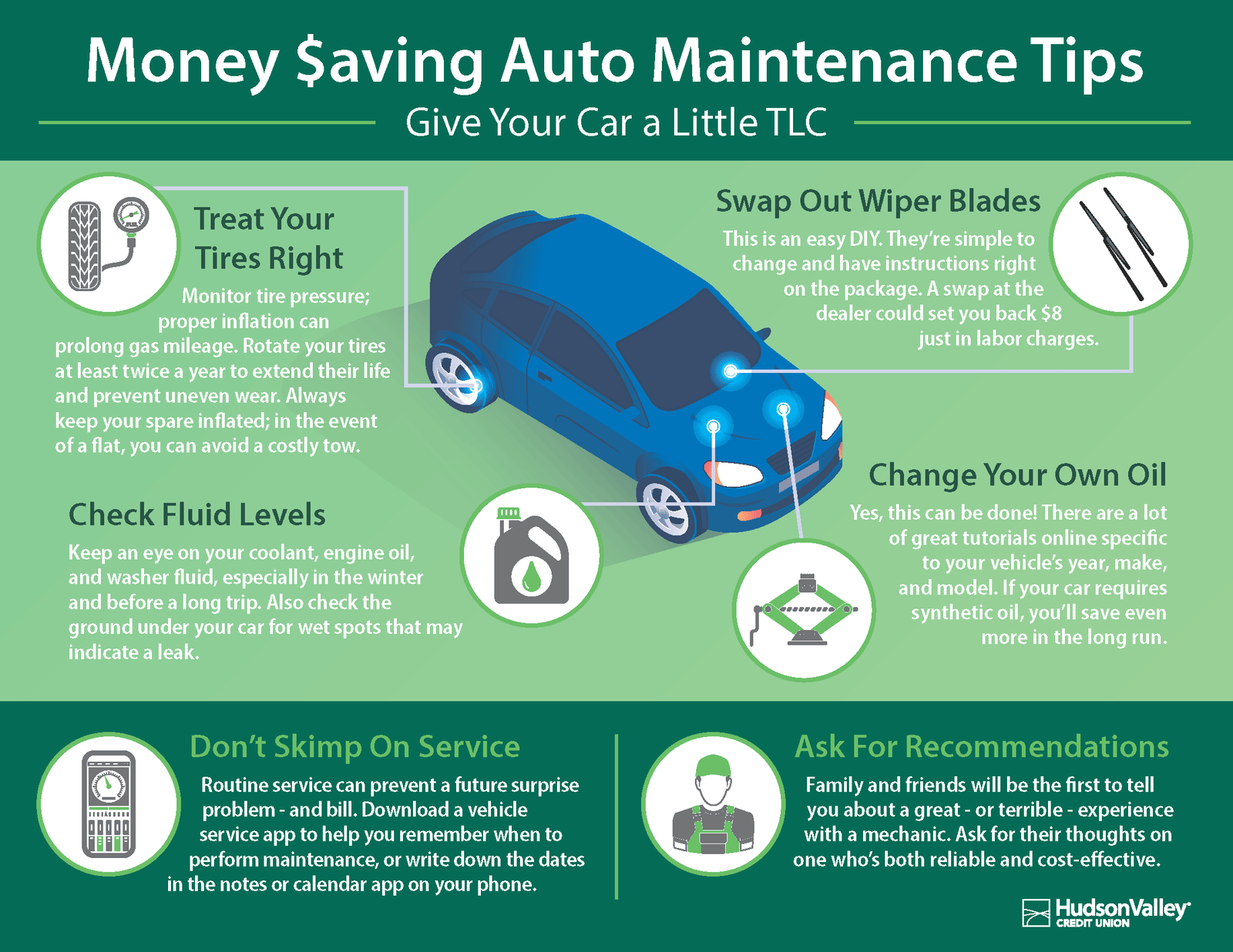
3. Keep Your Tires Properly Inflated
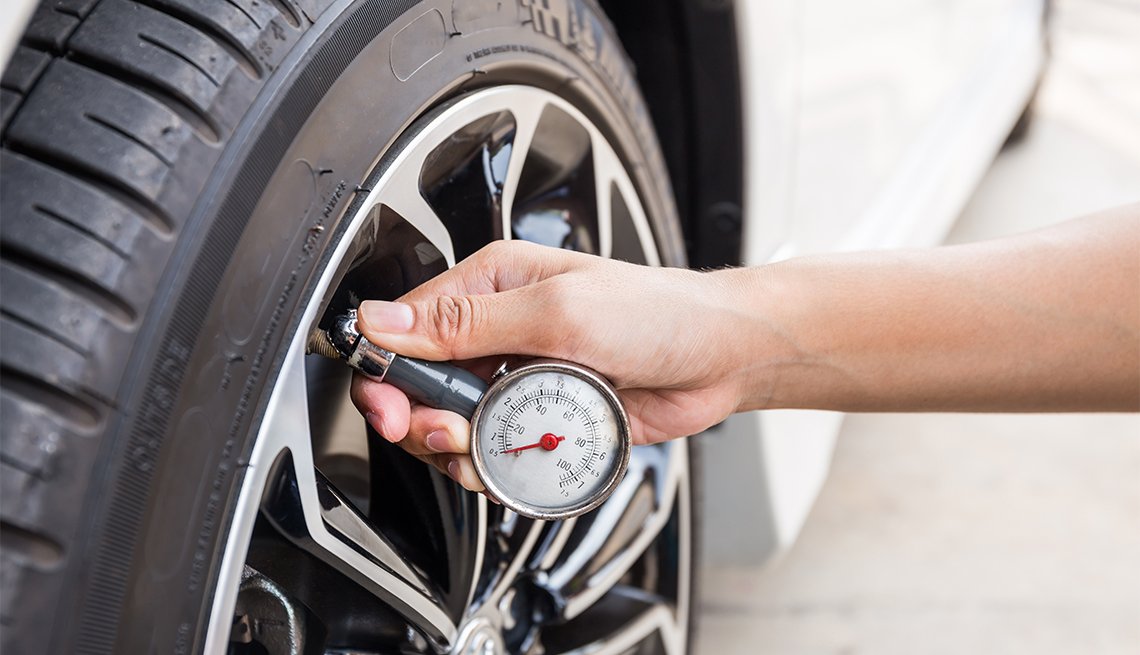
Under-inflated tires wear out faster and make your engine work harder, wasting fuel. Over-inflated tires reduce traction and can be dangerous. Proper tire inflation improves safety, extends tire life, and boosts gas mileage.
Pro tip: Check tire pressure once a month and before long trips. Most cars list the correct pressure inside the driver’s door frame.
Tire Pressure: Cost Impact Example
| Tire Pressure | Fuel Efficiency | Tire Life |
|---|---|---|
| Properly Inflated | Best (100%) | Longer |
| Under-Inflated by 10% | -2% to -3% | Shorter (can reduce life by 15%) |
| Over-Inflated by 10% | Similar | Uneven wear |
Credit: www.hvcu.org
4. Don’t Ignore Warning Lights
When a dashboard warning light comes on, don’t hope it will go away. These lights are early alerts to potential problems. Ignoring them can lead to bigger repairs. For instance, a check engine light can mean something as simple as a loose gas cap or as serious as a failing catalytic converter.
If you’re not sure about a warning, many auto parts stores will check codes for free and explain what’s wrong.
5. Choose Quality Parts And Fluids
Cheaper is not always better. Using low-quality oil or filters can lead to engine wear. Cheap brake pads might wear out faster and cost more in the long run. Stick to manufacturer-recommended parts and fluids. They may cost a bit more up front but will save money by lasting longer and protecting your car.
6. Wash And Protect Your Car
Washing your car is not just for looks. Dirt, road salt, and grime can cause rust and damage paint. Over time, this can reduce your car’s value and even affect safety.
- Wash your car every 2 weeks (more often in winter or if you live near the sea).
- Wax your car twice a year to protect the finish.
Keeping the undercarriage clean is especially important in snowy areas, as salt causes corrosion.
7. Drive Smoothly
Aggressive driving (rapid acceleration, hard braking, speeding) wastes fuel and wears out parts faster. Smooth, steady driving helps your engine, brakes, and tires last longer. According to the U.S. Department of Energy, aggressive driving can lower your gas mileage by 15%–30% on highways and 10%–40% in stop-and-go traffic.
Tip: Try to anticipate stops and starts. Keep a steady speed and avoid sudden moves.
8. Shop Around For Repairs And Parts
Prices for car repairs and parts can vary a lot between shops and online sellers. Don’t go with the first quote you get. Ask for written estimates and compare. You might be surprised how much you can save.
Sample Repair Cost Comparison
| Repair | Dealership | Independent Shop | DIY |
|---|---|---|---|
| Brake Pad Replacement | $300 | $150 | $50 |
| Battery Change | $200 | $120 | $80 |
Always check reviews before choosing a shop. Sometimes a lower price means lower quality, so balance cost and trust.
9. Use A Trusted Mechanic
A good mechanic is worth their weight in gold. They can spot problems early, offer honest advice, and help you avoid unnecessary repairs. Build a relationship with a mechanic you trust. Ask friends or family for recommendations, and always look for certified professionals.
Insight: Mechanics often spot issues during routine checks that could become expensive later. Preventative repairs are almost always cheaper.
10. Take Care Of Your Battery
Car batteries last 3–5 years on average. Heat, cold, and short trips can shorten battery life. To avoid unexpected breakdowns:
- Clean battery terminals every few months.
- Check for corrosion (white or blue powder).
- If your battery is older than 3 years, have it tested annually.
Short trips don’t give the battery enough time to recharge. If you mostly drive short distances, take a longer drive once a week.
11. Check And Change Fluids Regularly
Your car uses several key fluids: oil, coolant, brake fluid, transmission fluid, and power steering fluid. Each plays a critical role. Low or dirty fluids cause wear and damage.
Tip: Learn to check fluid levels yourself. Many cars have clear markings on dipsticks or reservoirs. Top up as needed and follow your manual for change intervals.
Credit: www.thedetailingmafia.com
12. Keep Your Car Light
Carrying extra weight makes your engine work harder. Remove heavy items from your trunk and back seat. A lighter car uses less fuel and wears out parts more slowly.
For example, every extra 45 kg (100 lbs) in your car can reduce fuel efficiency by up to 2%. Keep only emergency items and essentials.
13. Protect Your Car From Weather
Sun, rain, snow, and ice all affect your car. Parking in the shade or using a car cover protects paint and the interior from fading or cracking. In winter, cover your windshield to prevent ice buildup and avoid using hot water to defrost, as it can crack glass.
14. Use Fuel Wisely
Not all gas is created equal. Use the octane rating your car’s manual suggests; higher-octane fuel costs more and offers no benefit for most cars. Avoid premium fuel unless your engine requires it.
Also, avoid topping off the tank after the pump clicks off—this can damage the emission system and waste money.
15. Don’t Skip Small Repairs
A small chip in the windshield or a tiny oil leak might seem minor, but they can turn into big headaches. Small cracks can spread and require a full windshield replacement. Minor leaks can lead to serious engine trouble. Fixing problems early is almost always cheaper.
16. Rotate Your Tires Regularly
Tire rotation helps tires wear evenly, extending their life and improving safety. Most experts recommend rotating every 8,000–12,000 km. Uneven wear means you’ll need to replace tires more often, costing more in the long run.
17. Pay Attention To Unusual Sounds Or Smells
Strange noises or smells are often your car’s way of telling you something is wrong. Squealing brakes, grinding gears, or a burning smell all require attention. Don’t ignore these signs—catching issues early can save a lot of money.
18. Keep Records Of All Maintenance
A well-kept maintenance record helps you track what’s been done and when. This is useful for your own memory and increases your car’s resale value. Buyers are willing to pay more for vehicles with a full service history.
19. Avoid Idling
Letting your car idle for long periods wastes fuel and can lead to engine deposits. Modern cars don’t need long warm-ups. If you’re stopped for more than a minute, it’s usually better to turn off the engine.
20. Use Technology To Track And Save
There are many apps and websites that help you track maintenance, find the best gas prices, and even diagnose problems. For example, apps can remind you of service dates or let you scan your engine codes with a cheap Bluetooth tool.
Non-obvious insight: Many drivers forget to reset their maintenance reminders after DIY work. Always reset so you don’t miss the next key service.
How Regular Maintenance Saves You Money: Real Numbers
Consider this: The average cost of major engine repairs due to neglect is between $2,500 and $4,000. A basic oil change costs around $50–$80. By keeping up with regular maintenance, you avoid the big bills and keep your car running longer.
Here’s a quick look at potential savings:
| Maintenance Task | DIY Cost | Professional Cost | Major Repair Avoided |
|---|---|---|---|
| Oil Change | $40 | $80 | Engine replacement ($3,000+) |
| Brake Pad Change | $50 | $150 | Rotor damage ($500+) |
| Coolant Flush | $30 | $120 | Overheating repairs ($1,000+) |
Credit: www.aarp.org
Frequently Asked Questions
How Often Should I Change My Car’s Oil?
Most cars need an oil change every 5,000–10,000 km, but always check your owner’s manual. Newer cars can often go longer between changes thanks to better oil and engines.
Are Diy Car Repairs Safe For Beginners?
Yes, many simple tasks like changing wipers, air filters, and checking fluids are safe for beginners. Always follow your manual and use online videos for guidance. For complex repairs, it’s best to see a professional.
What Is The Most Expensive Car Maintenance Mistake?
Ignoring warning lights or skipping scheduled maintenance. These small oversights can lead to engine failure or costly repairs that could have been avoided.
Do I Need To Use Premium Gas In My Car?
Only if your car’s manual recommends it. Most vehicles run perfectly on regular gas. Using premium when not needed just wastes money.
Where Can I Find Trusted Information About Car Maintenance?
The best source is your car’s owner’s manual. For more detailed guidance, websites like Consumer Reports offer expert advice and comparisons.
Taking care of your car doesn’t have to be complicated or expensive. By following these tips, you’ll save money, avoid stress, and keep your vehicle running smoothly for years. A little effort now leads to big savings later—both in your wallet and in your peace of mind.
