
When your car’s power window suddenly stops working, it can be more than just an annoyance. Stuck windows may cause safety risks, security issues, or even let rain damage your car’s interior. Many drivers worry it means expensive repairs. But the truth is, there are several possible causes—some simple, others more complex. Understanding these causes can save you time, money, and stress.
In this article, you’ll learn the most common (and some less obvious) reasons why car power windows fail. You’ll also see examples, get practical advice, and discover what you can check yourself before visiting a mechanic. Whether you drive a modern sedan or an older car, this guide will help you get to the root of the problem with confidence.
How Power Windows Work: A Quick Overview
Before diving into the causes, it helps to know how the power window system operates. When you press the window switch, an electric signal is sent to the window motor. This motor moves gears or cables that raise or lower the window glass. The process involves several key parts:
- Window switch
- Wiring
- Fuse and relay
- Window motor
- Regulator (mechanical part that moves the glass)
- Window track and seals
A problem with any of these can stop the window from working.
Most Common Causes Of Power Window Failure
Let’s break down the main reasons why your car power window might not work.
1. Blown Fuse
A fuse protects the window system from electrical overload. If too much current flows, the fuse blows and stops the system to prevent damage.
- Symptoms: All power windows stop working, or sometimes just one.
- Example: You try to open the window and nothing happens—no sound, no movement.
- Tip: Check your car’s fuse box (usually under the dashboard or hood). The owner’s manual shows which fuse controls the windows.
- Non-obvious insight: Sometimes, a blown fuse signals a bigger problem, like a short circuit. If the fuse blows again after replacement, don’t ignore it—investigate further.
2. Faulty Window Switch
The window switch is what you press to move the window. Dirt, moisture, or worn contacts inside can cause it to fail.
- Symptoms: The window doesn’t move when you press the switch. Sometimes, you can hear the motor clicking, but the window doesn’t move.
- Example: The driver’s switch works, but the passenger’s doesn’t (or vice versa).
- Tip: Try the window from both the driver’s control and the individual door switch. If one works and one doesn’t, the problem is likely with the faulty switch.
3. Broken Window Motor
The motor does the heavy lifting. Over time, it can wear out or burn out, especially with frequent use.
- Symptoms: You hear a faint clicking or buzzing but the glass doesn’t move. Sometimes, there’s no sound at all.
- Example: The window stopped working gradually—it became slow before failing completely.
- Practical advice: If you hear grinding or slow movement before total failure, get the motor checked early to avoid being stuck with an open window.
4. Window Regulator Failure
The window regulator is the mechanical part that moves the glass up and down. It can break, get jammed, or detach from the glass.
- Symptoms: The motor runs but the window doesn’t move, or the window falls into the door.
- Example: You hear the motor working but the window slides down by itself.
- Non-obvious insight: In many cars, the regulator uses cables that can snap. When this happens, you might hear a rattling sound inside the door.
5. Wiring Problems
Wires connect the switch, motor, and other components. Over time, wires may break, corrode, or get pinched (especially where the door opens and closes).
- Symptoms: The window works sometimes but not always, or works only when the door is in a certain position.
- Example: The window stops working when the door is fully open, but works when you close it slightly.
- Tip: This is a common issue in older vehicles or those that spend a lot of time outdoors.
6. Window Stuck In Seal Or Track
Dirt, debris, or a bent track can make the window glass stick. Sometimes, the rubber seals become hard and grip the glass too tightly.
- Symptoms: The motor sounds strained or slow, and the window barely moves.
- Example: After a car wash or freezing weather, the window won’t open.
- Non-obvious insight: Forcing the window can burn out the motor or break the regulator—fix the sticking first.
7. Faulty Window Relay
A relay is an electrical switch that controls high current to the window motor. If the relay fails, the power can’t reach the motor.
- Symptoms: All windows stop working, but other power features (like locks) are fine.
- Example: You replaced the fuse, but the windows still don’t work. The relay may be the issue.
- Tip: Relays often cost less than motors or regulators and are usually easy to replace.
8. Child Lock Or Window Lock Activated
Most cars have a window lock switch to prevent passengers (often children) from using the windows.
- Symptoms: Only the driver can operate the windows, or none of the passenger windows work.
- Example: You can open the windows from the driver’s main switch but not from individual doors.
- Practical advice: Always check the window lock switch before assuming there’s a technical problem.
9. Broken Window Glass Mount
The window glass is attached to the regulator by clips or bolts. If these break, the glass can fall out of alignment.
- Symptoms: The motor runs, but the window wobbles, tilts, or stays stuck.
- Example: After slamming the door, the window won’t go up or down smoothly.
- Tip: If the glass is loose inside the door, don’t use the window until it’s fixed—you could cause more damage.
10. Moisture Or Water Damage
Water can get inside the door during heavy rain, car washes, or if the window seals are damaged. Moisture can cause electrical contacts to corrode or short out.
- Symptoms: Sudden window failure after rain or washing the car.
- Example: The window worked yesterday, but after a storm, it’s dead.
- Non-obvious insight: Corroded contacts may cause intermittent problems, not just complete failure. Drying out the door and cleaning contacts can sometimes restore function.
11. Control Module Failure
Modern cars use an electronic control module to manage power windows. This small computer can fail due to age, moisture, or software bugs.
- Symptoms: Random window behavior—opening/closing on its own, or not responding to commands.
- Example: All windows stop working, but other electronics are fine.
- Tip: Control module issues are rare in older cars but increasingly common in vehicles made after 2010.
12. Faulty Ground Connection
The power window system needs a good ground (earth) connection. If the connection is loose or corroded, the circuit won’t complete.
- Symptoms: Weak or no movement, especially if other electrical problems appear.
- Example: Lights dim when trying to use the window, or the window moves slowly.
- Non-obvious insight: Fixing a ground wire can solve multiple mysterious electrical problems at once.
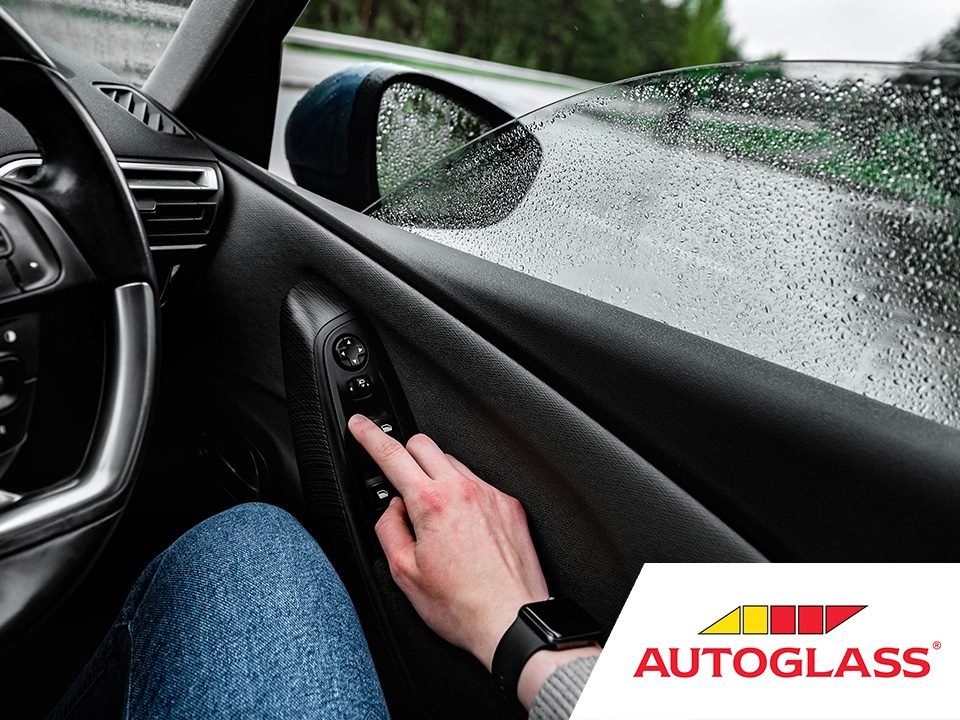
Credit: www.autoglass.ie
Visual Comparison: Mechanical Vs Electrical Causes
Here’s a side-by-side look at common causes, sorted by whether they’re mechanical or electrical.
| Mechanical Causes | Electrical Causes |
|---|---|
| Window regulator failure | Blown fuse |
| Window stuck in track | Faulty switch |
| Broken glass mount | Broken motor |
| Debris or bent track | Wiring problem |
Troubleshooting Steps For A Non-working Power Window
If your power window is not working, here’s how you can check the problem before calling a mechanic:
- Test all switches: Try both the main and individual window switches.
- Listen carefully: Do you hear any sounds (like clicking or a weak motor)?
- Check the fuse box: Replace a blown fuse if you find one.
- Look for movement: Does the glass move at all, or is it stuck?
- Test with the door open/closed: See if the window works in a different door position.
- Inspect for water: Was there recent rain or washing? Moisture could be the cause.
- Check the window lock: Make sure it’s off, especially if only passenger windows don’t work.
If you’re comfortable, you can remove the interior door panel to inspect the motor, regulator, and wiring. But if you hear grinding or see the glass slip, it’s best to leave repairs to professionals.
Credit: www.youtube.com
Data: How Often Each Cause Happens
Research shows some issues are much more common than others. Here’s an estimated breakdown:
| Cause | Approximate Percentage of Cases |
|---|---|
| Window motor failure | 35% |
| Regulator failure | 25% |
| Switch failure | 15% |
| Wiring/connection issues | 10% |
| Fuse/relay failure | 8% |
| Other (lock, track, control module, etc.) | 7% |
These numbers are based on common repairs in workshops but can vary by vehicle age and model.
Common Mistakes When Diagnosing Power Window Problems
Drivers often waste money or time by making these errors:
- Replacing the window motor without checking the regulator or wiring.
- Ignoring the window lock switch.
- Not testing both the main and door switches.
- Forcing the window, which can cause more damage.
- Overlooking signs of water damage or corrosion.
- Using the wrong fuse rating when replacing a blown fuse.
Avoid these mistakes by using the troubleshooting tips above.
When To Repair Vs. Replace Parts
Sometimes you can fix the problem yourself, but other times, replacement is the only option.
- Replace the fuse if it’s blown, but check why it happened.
- Clean switches if dirt is the issue, but replace if they’re worn out.
- Lubricate tracks if the window is sticking, but don’t force it.
- Replace the motor or regulator if you hear grinding or nothing happens when powered.
- Repair wiring if the problem is intermittent or position-dependent.
If your car is under warranty, always check with your dealer first.
Cost Of Power Window Repairs
Prices vary by car make, part, and labor rates. Here’s a rough estimate:
- Fuse: $5–$15 (DIY)
- Switch: $20–$100 (DIY or $50–$150 with labor)
- Motor: $50–$200 for the part, $100–$300 with labor
- Regulator: $50–$150 for the part, $100–$350 with labor
- Wiring repair: $50–$150
Luxury or rare vehicles may cost more. For more details, you can check Wikipedia.
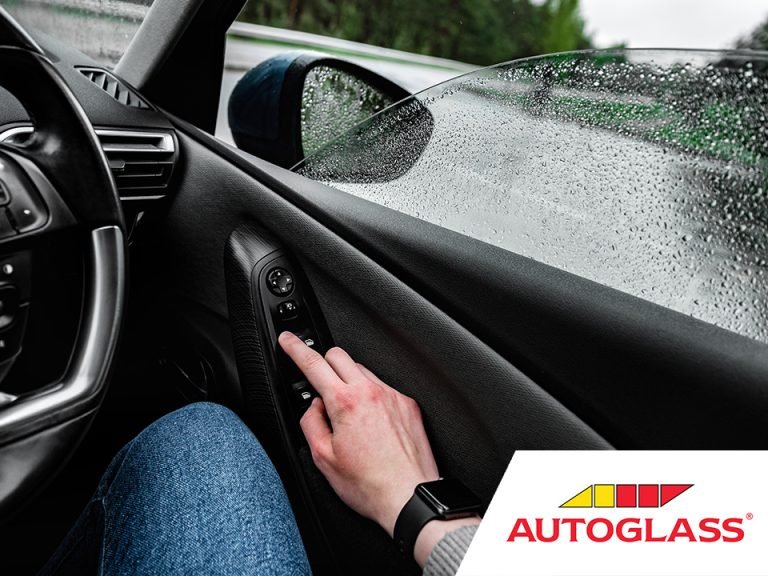
Credit: www.autoglass.ie
How To Prevent Power Window Failure
Prevention saves money and hassle:
- Use windows regularly to keep motors and regulators moving.
- Clean window tracks with a damp cloth.
- Lubricate seals and tracks with silicone spray every 6–12 months.
- Check and replace damaged rubber seals to prevent water entry.
- Avoid slamming doors with the window partly open.
- Don’t force a stuck window—fix the problem instead.
Frequently Asked Questions
Why Does Only One Power Window Stop Working But Others Are Fine?
Usually, a single window failure means a problem with the switch, motor, or regulator on that door. Check the fuse too, but if other windows work, it’s less likely to be an electrical system problem.
Can I Fix A Power Window Myself?
Yes, simple problems like a blown fuse, dirty switch, or stuck track can be fixed at home. But for motor, regulator, or wiring repairs, basic mechanical skills and tools are needed. If you’re unsure, seek professional help.
How Long Do Power Window Motors Last?
Most window motors last 8–15 years, depending on use and climate. Frequent use, exposure to dust, or water speeds up wear. Keeping tracks clean and seals in good shape helps them last longer.
Is It Safe To Drive With A Broken Power Window?
It’s generally safe, but there are risks: theft, rain damage, or not being able to open the window in emergencies. If the window is stuck open, cover the opening and repair it soon.
What Should I Do If My Window Gets Stuck In The Down Position?
Cover the window with plastic and tape to keep out rain and dust. Avoid using the window switch repeatedly, as it can damage the motor. Get the window fixed as soon as possible.
A non-working car power window can be frustrating, but with the right approach, you can often pinpoint the problem quickly. Start with the simple checks, listen for clues, and don’t ignore small signs of trouble. If you’re unsure, professional help can save you from bigger issues down the road.
By understanding the possible causes and acting early, you’ll keep your car safe, comfortable, and reliable.
