
Car Wiring Diagram How To Read
Understanding a car wiring diagram can feel like trying to solve a puzzle with strange symbols and lines. Many car owners and even beginner mechanics avoid them because they look confusing. But the truth is, reading wiring diagrams is a skill that can save you money, time, and frustration. Whether you want to install a new stereo, repair a broken headlight, or troubleshoot an electrical issue, knowing how to read these diagrams will make the process much easier. This guide will help you break down the basics, teach you what to look for, and give you the confidence to use car wiring diagrams for real-world repairs.
What Is A Car Wiring Diagram?
A car wiring diagram is a map that shows how electrical wires are connected in a vehicle. Think of it as the blueprint for all the electrical systems, such as the lights, radio, sensors, and more. These diagrams use lines, symbols, and labels to show the path of electricity. They are used by car manufacturers, mechanics, and anyone who works on cars.
There are different types of wiring diagrams, but most modern cars use schematic diagrams. These are not drawn to scale, but they focus on the relationships between different parts. This makes it easier to follow the flow of electricity and find problems.
Why Learn To Read Car Wiring Diagrams?
Car electrical systems have become more complex over the years. Even a small car has hundreds of meters of wire and dozens of electronic modules. Reading a wiring diagram is not just for professionals. Here’s why it matters:
- Diagnose Problems Faster: If a light or accessory stops working, a wiring diagram helps you find the cause quickly.
- Avoid Guesswork: Instead of guessing which wire does what, you can check the diagram for accurate information.
- Save Money: You can fix simple electrical problems yourself, avoiding expensive labor costs.
- Upgrade Safely: When adding accessories like alarms or cameras, the diagram shows where to connect safely.
Many beginners miss the fact that wiring colors and symbols can change between car brands and even between different models. Always use the diagram that matches your exact car.
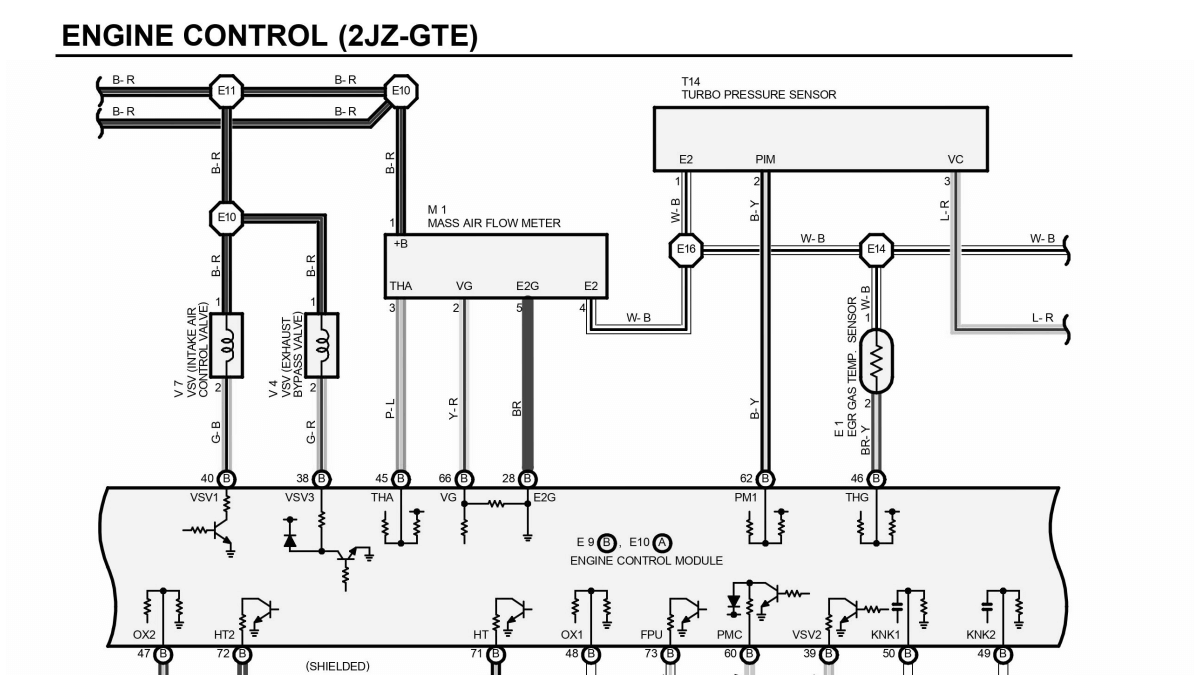
Credit: www.emanualonline.com
Key Parts Of A Car Wiring Diagram
Symbols And What They Mean
Wiring diagrams use symbols to represent real-world parts. Learning these symbols is the first step. Here are some common ones:
- Lines: Show wires or connections.
- Dots: Where lines cross and connect (a solid dot).
- No dot: Where lines cross but do NOT connect.
- Zigzag line: Resistor.
- Rectangle: Relay or module.
- Circle: Light bulb or sensor.
- Ground symbol: An upside-down triangle with lines.
- Battery: Short and long parallel lines.
Most diagrams have a legend or key, usually at the bottom or on a separate page. This legend explains every symbol used.
Color Codes
Wires are often labeled with color codes. For example:
- BK – Black
- R – Red
- BL – Blue
- G – Green
- Y – Yellow
- W – White
A wire might be marked as R/W, which means red with a white stripe. Always check the diagram’s color code key, as some brands use special codes.
Connectors, Splices, And Grounds
- Connectors: Shown as blocks with numbers or letters. They show where two or more wires join or separate.
- Splices: Points where wires are physically joined together.
- Grounds: These are critical. If a ground connection is bad, nothing will work as expected.
Components
Every part, such as a switch, sensor, or motor, has its own symbol. The diagram often labels each with a code, like “S1” for Switch 1 or “M2” for Motor 2.
How To Approach A Car Wiring Diagram
Reading a wiring diagram is like reading a story. There is a beginning (power source), a path (wires), and an end (device or ground). Here’s a step-by-step approach:
- Identify the System: Focus on the specific circuit you want to check, like the headlights or radio.
- Find the Power Source: This is usually the battery or fuse box.
- Follow the Path: Trace the wire from power, through switches and connectors, to the device.
- Look for Grounds: Make sure the circuit returns to the ground. An open ground will stop the circuit from working.
- Check for Inline Fuses or Relays: Many circuits have fuses or relays for safety. These are common failure points.
Here’s a simple example: If your brake lights don’t work, you would find the brake light switch on the diagram, see which fuse protects it, and follow the wire to the bulbs and ground.
Common Symbols And Their Meanings
A wiring diagram can look crowded, but most use a standard set of symbols. Let’s look at some you’ll see often.
| Symbol | Meaning | Example |
|---|---|---|
| O | Connection point | Connector or splice |
| – – – | Wire | Electrical pathway |
| ⏚ | Ground | Chassis or body earth |
| ⏣ | Battery | Main power source |
| ⏁ | Switch | Turns device on/off |
This table makes it easier to recognize what you are looking at before you start tracing wires.
Practical Example: Reading A Headlight Wiring Diagram
Let’s use a real-world example: the headlight circuit.
- Start at the battery. Find the wire that leads from the battery to the fuse box.
- Locate the headlight fuse. Follow the wire from the fuse to the headlight relay.
- Trace from relay to switch. The relay is often controlled by the headlight switch inside the car.
- Follow the wire from switch to headlight bulbs. The diagram will show which wire powers the left and right headlights.
- Find the ground point. The circuit ends at the ground near each headlight.
If the headlights are not working, but the fuse and bulbs are fine, the diagram helps you check the relay, switch, or ground. If only one headlight is out, the problem is likely after the split in the diagram.
Understanding Power And Ground Paths
Every electrical circuit in a car needs a power path and a ground path. If either is broken, the device will not work. Many beginners forget to check grounds. Corroded or loose ground connections are a common cause of electrical problems.
Some diagrams use different line types for power and ground. For example, solid lines for power and dashed lines for ground. Always check the legend.
How To Use A Wiring Diagram To Fix Problems
With a wiring diagram in hand, you can:
- Check fuses: Find which fuse protects the part, and test it.
- Test switches: See which wire brings power to a switch and which wire leaves it.
- Check for power and ground: Use a test light or multimeter at different points in the circuit.
- Trace broken wires: If there is no power at the end device, follow the diagram back until you find where the power stops.
For example, if your car horn does not work, the diagram will show you if the problem is the horn button, the relay, the wiring, or the horn itself.
Types Of Car Wiring Diagrams
There are a few types of diagrams you might see:
| Type | Description | Best For |
|---|---|---|
| Schematic Diagram | Shows how components are connected using symbols | Troubleshooting, repairs |
| Harness Layout | Shows where wiring runs in the car | Physical wire tracing |
| Pictorial Diagram | Shows real images of components | Identifying parts in the car |
Most repair manuals use schematic diagrams because they show how electricity flows, not how things look physically.
Common Mistakes When Reading Wiring Diagrams
- Ignoring the Legend: The legend explains symbols and color codes. Skipping it can lead to confusion.
- Not Checking Model Year: Diagrams can change between years, even for the same car.
- Mixing Up Connectors: Some connectors look similar but are not the same. Double-check the numbers or letters.
- Missing Grounds: Many beginners only look at power and forget that ground is just as important.
- Assuming Colors Are Universal: Color codes are not the same for every car. Always check your diagram.
An extra tip: Sometimes a problem is not wiring, but a corroded connector. Look for signs of water or rust if you have repeated failures.
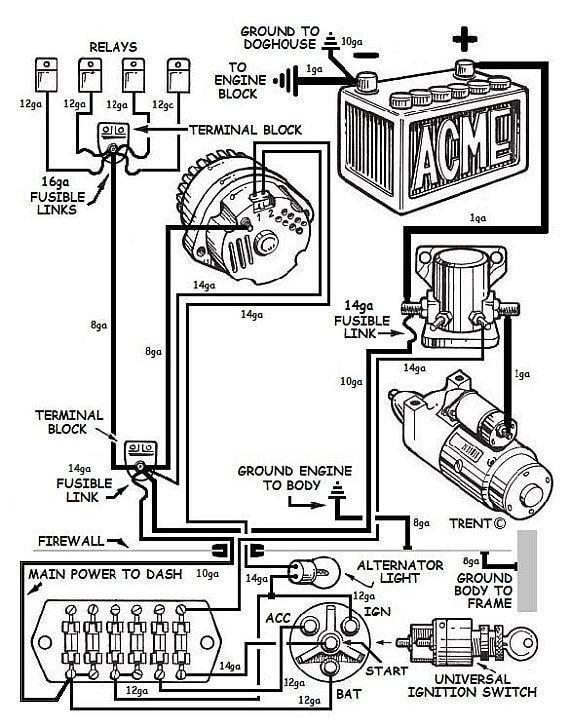
Credit: www.ss396.com
Tips For Beginners
- Start simple: Practice on an easy circuit, like dome lights or wipers.
- Use highlighters: Color the paths on a printout to help you track each wire.
- Label wires: If you disconnect connectors, label them to avoid mistakes.
- Get the right tools: A test light and a multimeter are must-haves.
- Download the right diagram: Get the exact one for your make, model, and year. Many car forums or manufacturers provide them.
One insight many miss: Sometimes wires change colors at connectors. The diagram usually shows this, but you must pay close attention.
Benefits Of Mastering Car Wiring Diagrams
Knowing how to read a wiring diagram gives you a big advantage. You can:
- Diagnose complex problems that stump others.
- Install upgrades like stereos or cameras without damaging the car.
- Save money by doing your own repairs.
- Understand your car better and avoid scams.
Professional mechanics use diagrams every day. With practice, you can be just as effective.
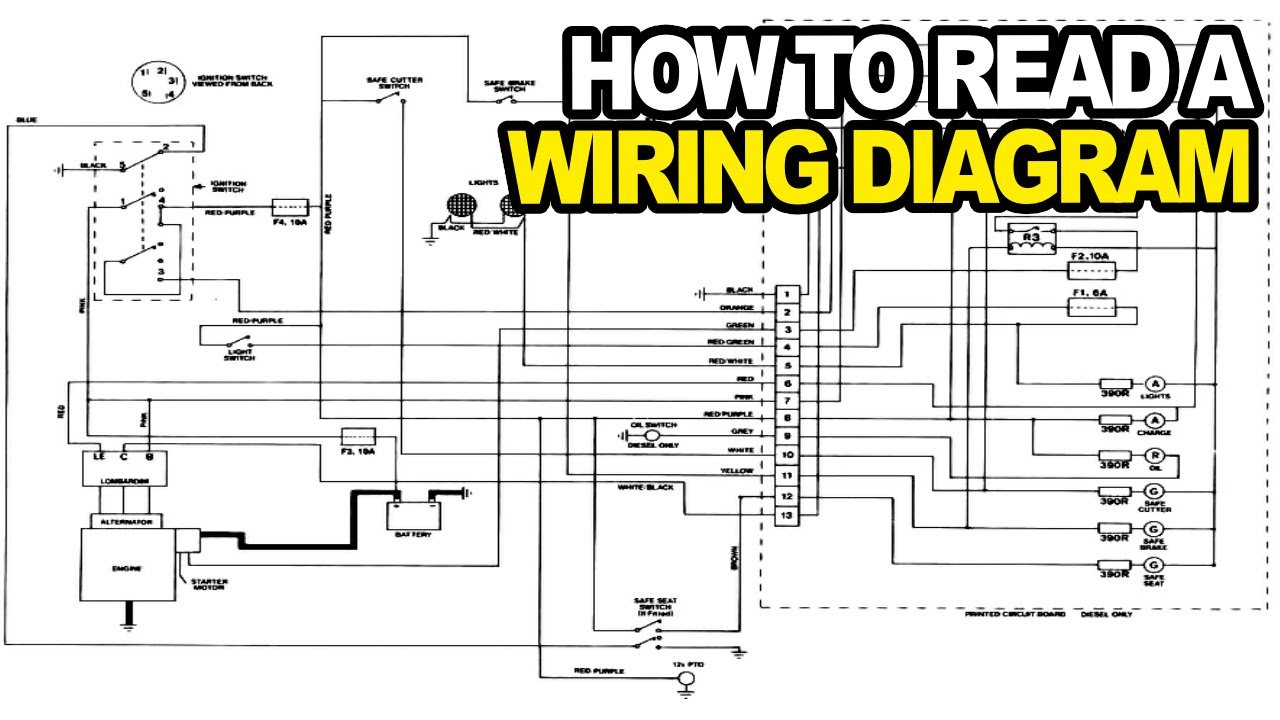
Credit: www.youtube.com
Real-world Example: Troubleshooting A Power Window
Imagine your car’s power window won’t go up or down. The wiring diagram shows:
- Power from the fuse box to the window switch
- Switch sends power to the window motor
- Motor grounds through the car body
If you find power at the switch but not at the motor, the problem is likely the switch or the wire between switch and motor. If there is power at the motor but it doesn’t work, the motor is probably bad.
This step-by-step tracing saves time and avoids replacing good parts.
Where To Find Car Wiring Diagrams
- Service manuals: Most brands provide detailed diagrams in their manuals.
- Online resources: Websites like AutoZone Repair Guides offer free access to many diagrams.
- Car forums: Owners often share diagrams for specific models.
- Manufacturer websites: Sometimes, official websites have downloadable diagrams.
Always make sure the diagram matches your car’s year, make, and model. Using the wrong diagram can lead to mistakes.
Comparison: Wiring Diagram Vs. Physical Wiring
It helps to know how the diagram compares to what you see in the car.
| Diagram | Physical Wiring | Notes |
|---|---|---|
| Symbols and lines | Real wires and parts | Diagram is not to scale |
| Shows connections | Shows actual location | Use both for repairs |
| Color codes | Wire insulation colors | Check codes in legend |
Understanding both views helps you find and fix problems more easily.
Frequently Asked Questions
What Is The Difference Between A Wiring Diagram And A Schematic?
A wiring diagram usually shows the actual layout of wires and components, while a schematic focuses on the electrical connections using symbols. Schematic diagrams are better for troubleshooting because they show how electricity flows, not where parts are located.
How Do I Know Which Wiring Diagram Matches My Car?
You need the exact year, make, and model of your car. Even small changes between years can affect wiring. Check your owner’s manual, manufacturer’s website, or trusted online repair guides.
Why Are Grounds So Important In Wiring Diagrams?
Grounds complete the electrical circuit. If a ground is missing or loose, devices can malfunction or stop working. Wiring diagrams show all ground points, so you can check them during repairs.
Can I Use A Wiring Diagram To Install A New Accessory?
Yes! A wiring diagram shows safe points to connect new devices, like dash cameras or upgraded speakers. Always use the correct fuse and follow the diagram to avoid electrical problems.
Where Can I Learn More About Car Wiring Diagrams?
You can find more information on automotive repair websites like Wikipedia or by taking courses at local technical schools.
Becoming comfortable with car wiring diagrams may take time, but every repair you do builds your skill. Start with small projects, always double-check your diagram, and soon you’ll be able to tackle even tricky electrical problems with confidence.
