
When your car won’t start after getting gas, it’s both confusing and frustrating. You might expect your vehicle to run better after fueling, but sometimes, it refuses to start or stalls right after leaving the gas station. This situation is more common than you think, and the cause is rarely a simple empty fuel tank.
Let’s look at why this happens, what you can do immediately, and how to prevent it in the future. By the end of this article, you’ll understand the problem and feel confident handling it if it happens again.
Why Cars Won’t Start After Getting Gas
There are several reasons why a car may refuse to start after refueling. Most of these relate to the fuel system or the way modern cars control air and emissions. Here are the most common causes:
1. Faulty Evap System
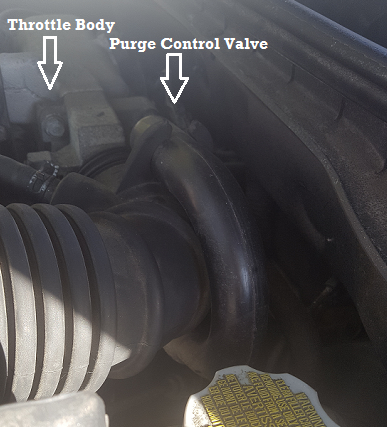
Modern cars have an Evaporative Emission Control (EVAP) system. Its job is to prevent gasoline vapors from escaping into the air. Sometimes, when you refuel, the EVAP system can develop a fault. For example, the purge valve may stick open or closed. If it sticks open, excess fuel vapor enters the engine, causing a hard start or even stalling.
2. Flooded Engine
If you try starting your car repeatedly without success, you might flood the engine. This means too much fuel enters the cylinders, and there’s not enough air for proper combustion. Flooding is more common in older vehicles or those with worn ignition systems, but it can happen in modern cars if there’s a problem with the fuel system.
3. Faulty Or Loose Gas Cap
A loose or broken gas cap can cause issues. The car’s computer checks for proper sealing in the fuel system. If the cap is loose, the system may trigger a fault, making starting difficult.
4. Bad Purge Valve
The purge valve is part of the EVAP system. If it’s stuck open, the engine gets flooded with vapor. If it’s stuck closed, the engine may not get enough fuel vapor, causing starting problems.
5. Problems With The Fuel Pump
The fuel pump pressurizes gas and sends it to the engine. Sometimes, adding gas stirs up debris in the tank, clogging the fuel pump or filter. This is more common in older cars.
6. Battery Or Starter Issues
While not directly related to refueling, a weak battery or faulty starter can show symptoms after stopping and restarting the car, especially if the battery is near the end of its life.
7. Faulty Sensors
Modern cars have many sensors. The Mass Air Flow (MAF) sensor, for example, measures how much air enters the engine. If this sensor fails right after you refuel, the computer may not deliver the right amount of fuel.
8. Electrical Problems
Sometimes, simply opening and closing the fuel door or trunk can disturb wiring or sensors, leading to a no-start situation, especially in cars with advanced electronics.
What To Do When Your Car Won’t Start After Getting Gas
If your car refuses to start after you fill up, stay calm. Here’s what you can do:
- Check for Obvious Issues: Make sure the car is in “Park” (for automatics) or the clutch is fully pressed (for manuals). Double-check that the gas cap is tight.
- Try Starting Again: Wait for about a minute, then try again. Sometimes, the car needs a moment for the fuel system to balance pressure.
- Press the Gas Pedal Slightly: Gently press the accelerator while starting. If the engine is flooded, pressing the pedal can help clear excess fuel.
- Listen for Sounds: When you turn the key to “ON”, you should hear a short buzzing from the fuel pump. If you don’t, the pump may be faulty.
- Look for Warning Lights: If the “Check Engine” or other warning lights are on, you might have a sensor or EVAP system problem.
- Call for Help: If none of these steps work, it’s best to call roadside assistance or a mechanic.
Credit: www.youtube.com
How The Evap System Causes Starting Problems
The EVAP system is crucial for emissions control. When you pump gas, air and vapor are forced out of the tank. The EVAP system manages these vapors. If the purge valve or vent valve sticks, it can cause starting problems.
For example, if the purge valve is stuck open during refueling, too much vapor enters the intake manifold. The engine gets a mixture that’s too rich (too much fuel, not enough air), causing a rough start or no start at all.
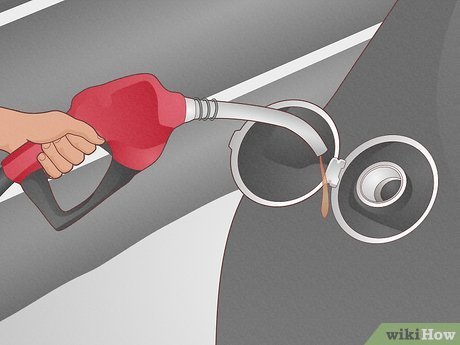
Non-obvious insight: Some drivers “top off” the tank after the nozzle clicks off. This can force excess vapor into the EVAP system and cause purge valve issues. It’s best to stop fueling when the nozzle automatically shuts off.
Gas Cap Problems: Small Part, Big Impact
The gas cap creates a seal so vapor doesn’t escape. If it’s loose, missing, or cracked, air can get into the fuel tank, confusing the car’s computer. Many cars will show a “Check Engine” light after a few miles, but some may not start right away. According to AAA’s Approved Auto Repair program, shops that employ ASE-certified or factory-trained technicians must meet strict standards for training, equipment, and customer service.
Interesting fact: According to the Car Care Council, a loose or faulty gas cap is the cause of over 147 million “Check Engine” light incidents every year in the U.S.
Credit: www.wikihow.com
Fuel Pump And Filter: Why Gas Station Stops Can Stir Up Trouble
When you add fuel, especially if the tank was nearly empty, sediment at the bottom can get stirred up. If your fuel filter is old or the pump is weak, this debris can block fuel flow, making starting difficult.
Here’s a comparison of fuel system issues that can happen after refueling:
| Possible Problem | Symptom | Risk Level |
|---|---|---|
| Clogged Fuel Filter | Engine cranks but won’t start, or starts and stalls | Medium |
| Weak Fuel Pump | No buzzing sound, hard starts | High |
| Debris in Fuel Line | Intermittent starting, rough idle | Medium |
Sensors And Electronics: The Hidden Causes
Today’s cars use many sensors to manage fuel, air, and emissions. If a sensor fails or gives a wrong signal, the engine may not start. The MAF sensor or crankshaft position sensor are common culprits.
Here’s how sensor issues compare with mechanical problems:
| Type of Issue | Common Symptoms | Repair Complexity |
|---|---|---|
| Sensor Failure | Check Engine light, hard start, poor idle | Medium to High |
| Mechanical Failure | No crank, clicking sound, no dashboard lights | High |
Credit: blog.1aauto.com
How To Prevent Starting Problems After Refueling
You can reduce the risk of starting issues by following a few simple habits:
- Don’t Overfill: Stop fueling when the nozzle clicks off. Avoid “topping off” the tank.
- Tighten the Gas Cap: Turn it until you hear at least one click.
- Use Quality Fuel: Buy gas from reputable stations to reduce the risk of contaminated fuel.
- Regular Maintenance: Replace the fuel filter according to your car’s schedule, usually every 30,000–40,000 miles.
- Fix Small Problems Quickly: Don’t ignore the “Check Engine” light, even if the car runs fine.
Practical tip: If your car often has trouble starting after getting gas, ask your mechanic to check the EVAP system, especially the purge valve.
When To Call A Mechanic
If you try the basic steps and your car still won’t start, it’s best to seek help. Here are signs you need a professional:
- You smell strong fuel vapors or see fuel leaking.
- The “Check Engine” light stays on.
- The engine cranks but never starts, even after several tries.
- The car starts but immediately stalls.
- You hear no sound from the fuel pump when you turn the key.
A qualified mechanic can scan the car’s computer for codes and test the fuel and EVAP systems.
Real-world Example
Let’s say you fill up your tank and the car won’t start. You try again, and it finally starts but runs rough for a minute. Later, the “Check Engine” light comes on. The mechanic finds a stuck purge valve. Replacing the valve solves the problem, and the car starts normally after refueling.
This is a classic case of EVAP purge valve failure, which is very common in modern cars.
Common Myths About Cars Not Starting After Refueling
- Myth: Bad gas is always the cause.
- Fact: While contaminated gas can cause issues, most starting problems relate to the EVAP system or sensors.
- Myth: It’s safe to keep topping off.
- Fact: Overfilling can damage the EVAP system and cause starting trouble.
- Myth: A loose gas cap only affects emissions.
- Fact: It can also cause hard starting and poor engine performance.
What About Hybrid And Diesel Cars?
Hybrid vehicles can also have EVAP issues, but the symptoms may be different. Diesel cars rarely have EVAP systems, but they can suffer from air in the fuel lines after refueling. Always use the correct fuel for your car, as misfuelling can lead to severe engine damage.
How Much Does It Cost To Fix?
Here’s a rough estimate of common repair costs (U.S. average):
| Repair | Estimated Cost |
|---|---|
| Replace EVAP Purge Valve | $100–$250 |
| Replace Gas Cap | $15–$50 |
| Replace Fuel Pump | $400–$800 |
| Replace Fuel Filter | $50–$150 |
Prices vary by car make and model. Always get a quote before authorizing repairs.
Non-obvious Insights Most People Miss
- Pay attention to the sound your fuel pump makes when you turn the key. A silent pump is a major clue.
- Don’t ignore “soft” symptoms like rough idle or delayed starting after refueling. These are early warnings of EVAP or fuel system trouble.
Useful Resources
If you want to learn more about how modern fuel and emission systems work, the Wikipedia page on EVAP systems has a solid overview.
Frequently Asked Questions
Why Does My Car Stall After Getting Gas?
Your car may stall after refueling due to a stuck EVAP purge valve, a flooded engine, or a faulty sensor. These problems can cause the engine to get too much or too little fuel vapor, disrupting combustion.
Will A Loose Gas Cap Cause My Car Not To Start?
Yes, a loose gas cap can cause starting problems. It allows air into the fuel system, confusing the computer and sometimes triggering a “Check Engine” light.
What Should I Do If My Car Won’t Start After Getting Gas?
First, check that the car is in “Park” or the clutch is down, and make sure the gas cap is tight. Try starting again after waiting a minute. If it still won’t start, call for assistance.
How Can I Prevent This Problem In The Future?
Stop fueling when the nozzle clicks off, always tighten the gas cap, and keep up with regular maintenance like fuel filter changes. Don’t ignore warning lights or symptoms.
Is This Problem Dangerous?
Usually, a car not starting after refueling is not dangerous. However, if you smell strong gas or see leaks, do not try to start the car. In that case, get professional help immediately.
When your car won’t start after getting gas, it’s rarely a one-time fluke. The problem usually points to a small but important issue in your fuel or emission system. Understanding what’s happening under the hood helps you respond calmly, avoid common mistakes, and get back on the road faster.
With good maintenance and a few smart habits, you can reduce the risk of being stuck at the pump in the future.