
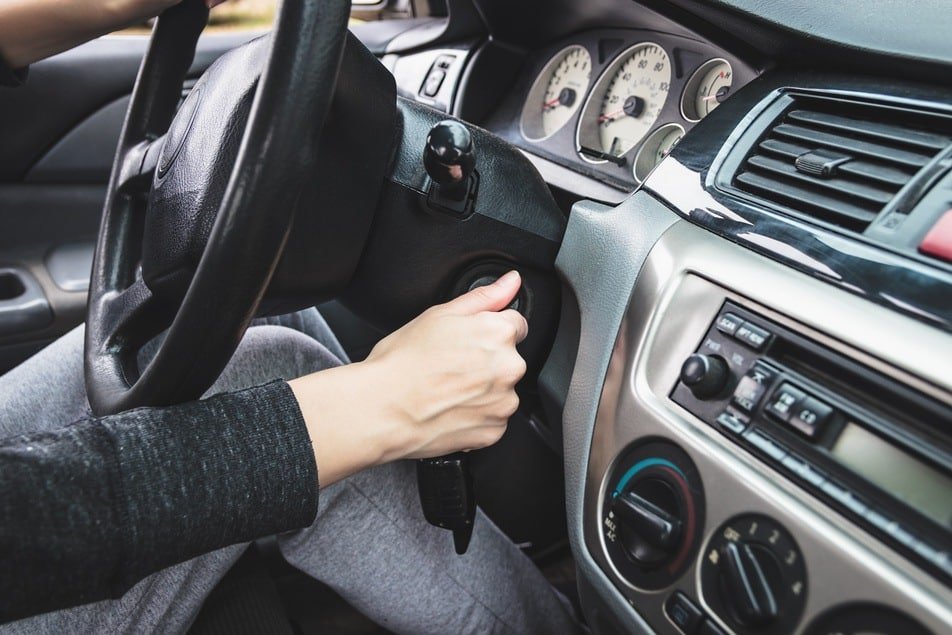
When you turn the key and your car won’t start, it’s easy to panic. Maybe you hear the engine cranking, or maybe there’s just silence. While many people quickly blame the battery or starter, a bad fuel filter is a much less obvious, but common, culprit. This small part can cause big problems. If it gets clogged or fails, your car might not start at all. Understanding how a fuel filter works, the signs it’s failing, and how to fix or prevent problems can save you from costly repairs and keep you safe on the road.
What Does A Fuel Filter Do?
The fuel filter is a simple device with a crucial job: it cleans the fuel before it enters your engine. Fuel from the gas station can contain dirt, rust, or debris from storage tanks. The filter catches these particles, stopping them from reaching the sensitive parts of the engine where they could cause damage.
A clean filter ensures smooth fuel flow. But as it collects more dirt, it can become clogged. When this happens, less fuel gets through. Your engine may struggle or refuse to start.
Why A Bad Fuel Filter Can Stop Your Car From Starting
Many drivers don’t realize how important the fuel filter is for starting the car. Your engine needs a steady stream of clean fuel to start and run. If the filter is blocked, fuel can’t reach the engine, and it won’t start—no matter how hard you try.
Here’s what happens:
- The fuel pump pushes gasoline from the tank toward the engine.
- The fuel filter sits in the line, catching dirt.
- If the filter is clogged, fuel flow slows down or stops.
- The engine gets too little fuel, or none at all.
- The car cranks, but does not start.
Sometimes, a bad filter causes intermittent problems. Maybe your car starts sometimes, but not always. Or it runs for a few minutes, then stalls. These are classic signs of a filter that’s almost fully blocked.
Credit: www.gotodobbs.com
Signs Of A Bad Or Clogged Fuel Filter
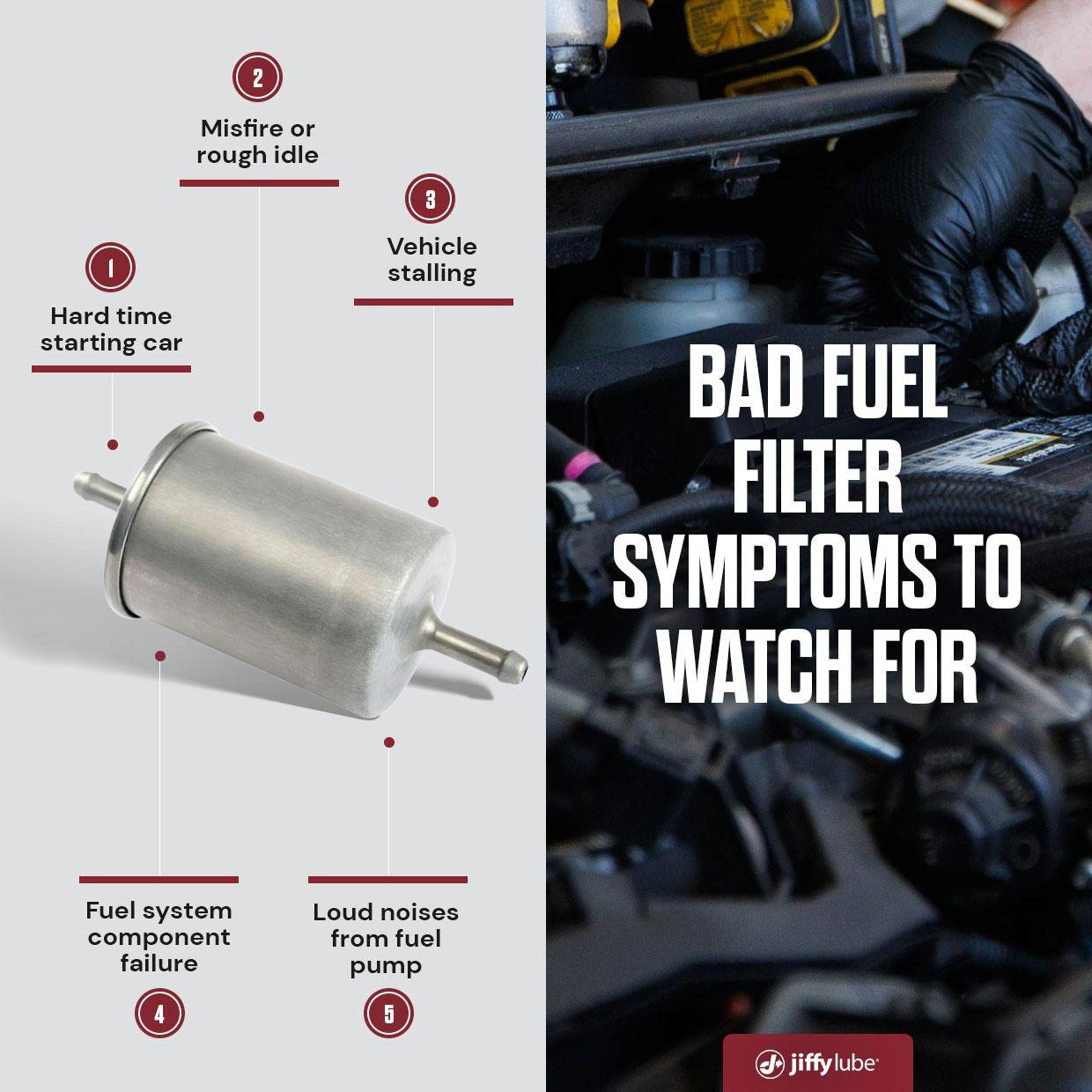
Recognizing the symptoms early can prevent a breakdown. Look for these warning signs:
- Hard starting: The engine cranks but takes longer to start, or doesn’t start at all.
- Engine stalling: Your car may start, but then suddenly die, especially when under load.
- Rough idling: The engine may shake or run unevenly at idle.
- Loss of power: Acceleration feels weak, especially when going uphill.
- Frequent misfires: The engine may sputter or misfire due to inconsistent fuel delivery.
- Check engine light: Modern cars often show a warning light for fuel system issues.
An important insight: Many people replace the battery or starter first, wasting money, when the real problem is a clogged fuel filter. Always check the filter if you have these symptoms.
How Mechanics Diagnose A Bad Fuel Filter
Professional mechanics follow a step-by-step process:
- Visual inspection: They check the fuel filter for signs of rust, dirt, or leaks.
- Fuel pressure test: A gauge measures if fuel is reaching the engine at the right pressure.
- Listening for the pump: If the pump is working but pressure is low, a clogged filter is likely.
- Scanning for codes: In newer cars, diagnostic tools can show trouble codes linked to fuel problems.
- Reviewing maintenance history: If the filter hasn’t been replaced on schedule, it’s a prime suspect.
Mechanics may also disconnect the filter and check the flow rate directly. If fuel barely trickles out, the filter is clogged.
Why Do Fuel Filters Get Clogged?
Over time, even clean gasoline can carry tiny particles. Fuel filters trap:
- Rust from old gas tanks
- Dirt picked up during fueling
- Water from condensation in tanks
- Debris from worn-out fuel pump parts
If you often run your tank close to empty, you increase the risk. The fuel pump draws from the bottom, where most dirt settles. This means the filter does more work, clogging faster.
Also, in regions with poor fuel quality or old gas station tanks, filters can clog much sooner. That’s why some drivers in developing areas need to change filters more often.
How A Clogged Fuel Filter Affects Other Parts
A blocked filter doesn’t just stop your car from starting. It can cause damage elsewhere:
- Fuel pump strain: The pump works harder to push fuel through, leading to early failure.
- Injector problems: Dirt that gets past a damaged filter can clog fuel injectors.
- Engine wear: Inconsistent fuel flow leads to poor combustion and more engine stress.
Replacing a fuel filter costs little compared to a new fuel pump or injectors. Prevention is much cheaper than repair.
Replacing A Bad Fuel Filter: Steps And Tips
Changing a fuel filter is a job many car owners can do at home. Here’s a general step-by-step guide. (Always check your car’s manual for details. Some filters are inside the fuel tank and need special tools. )
- Relieve fuel pressure: Open the gas cap. Disconnect the battery for safety.
- Locate the filter: Most are along the fuel line under the car or near the engine.
- Remove old filter: Use wrenches to loosen the fittings. Have a pan ready for spills.
- Install new filter: Make sure the arrow points in the direction of fuel flow.
- Reconnect everything: Tighten fittings, reconnect the battery, and replace the gas cap.
- Check for leaks: Start the car and inspect for any fuel drips.
A helpful tip: Always buy high-quality filters. Cheap filters may clog faster or even leak.
Here’s a comparison of typical replacement costs for different car models:
| Car Model | Fuel Filter Cost (USD) | Labor Cost (USD) |
|---|---|---|
| Toyota Camry | 15–35 | 50–100 |
| Ford F-150 | 20–40 | 60–120 |
| Honda Civic | 10–25 | 40–90 |
| Chevrolet Silverado | 18–38 | 70–130 |
How Often Should You Replace Your Fuel Filter?
Most car makers recommend changing the fuel filter every 20,000 to 40,000 miles (32,000–64,000 km). However, this can vary based on driving conditions and fuel quality.
Some newer cars have “lifetime” filters that are meant to last the life of the vehicle. But if you notice any symptoms, don’t wait—replace it sooner.
Here’s a quick guide based on usage:
| Driving Condition | Recommended Interval |
|---|---|
| City driving (stop & go) | Every 20,000 miles |
| Highway driving (clean fuel) | Every 40,000 miles |
| Poor fuel quality/older vehicles | Every 15,000 miles |
Don’t wait for problems. Preventive replacement is best.
Credit: www.jiffylube.com
Common Mistakes When Dealing With Fuel Filter Issues
Many people waste time and money due to these errors:
- Ignoring signs: Waiting until the car won’t start instead of acting at the first symptoms.
- Blaming the battery: Replacing batteries or starters when the fuel filter is the real problem.
- Using cheap filters: Low-quality filters can fail early or let dirt pass through.
- Improper installation: Installing the filter backwards or not tightening fittings can cause leaks.
Another common mistake: Not releasing fuel pressure before removal. This can lead to dangerous spills.
How A Bad Fuel Filter Differs From Other Starting Problems
It’s easy to confuse fuel filter problems with issues from the battery, starter, or ignition. Here’s how they compare:
| Problem | Typical Symptoms | How to Tell |
|---|---|---|
| Bad Fuel Filter | Engine cranks, hard start, stalls, weak acceleration | Fuel pressure test shows low pressure |
| Dead Battery | No cranking, lights dim or off | Battery test shows low voltage |
| Bad Starter | Clicking sound, no cranking | Starter relay test, jump start fails |
| Ignition Problem | No spark, engine cranks but won’t fire | Spark plug test fails |
If your car cranks but does not start and the battery is fine, check the fuel filter before replacing other expensive parts.
Credit: www.autotrainingcentre.com
Practical Tips To Prevent Fuel Filter Problems
- Use good quality fuel: Stick to reputable gas stations.
- Don’t run low: Keep your tank at least a quarter full to avoid sucking up dirt.
- Change filter regularly: Follow your owner’s manual, or sooner if you drive in dusty or high-risk areas.
- Listen to your car: Don’t ignore small signs like rough idle or weak starts.
- Check during other services: Ask your mechanic to inspect the filter during oil changes.
A non-obvious tip: If you buy a used car, replace the fuel filter right away. You never know how old it is.
When To Seek Professional Help
Some fuel filters are easy to change, but others are inside the gas tank or in hard-to-reach places. If you’re unsure, or if you smell fuel after a repair, get help from a certified mechanic. Safety first—fuel is flammable and dangerous if handled wrong.
Frequently Asked Questions
What Happens If I Don’t Replace A Bad Fuel Filter?
A clogged filter can cause your car to stall, damage the fuel pump, and even leave you stranded. Over time, it can lead to expensive repairs.
Can A Bad Fuel Filter Cause Poor Fuel Economy?
Yes. When the engine doesn’t get enough fuel, it can run inefficiently. You might notice more trips to the gas station or rough engine performance.
Is It Safe To Drive With A Bad Fuel Filter?
It’s risky. You may experience sudden stalling, which can be dangerous in traffic. It’s best to replace the filter as soon as possible.
How Do I Know If My Fuel Filter Is The Problem And Not Something Else?
If your car cranks but won’t start, and you have signs like rough idling or stalling, the filter could be to blame. A fuel pressure test or mechanic inspection can confirm it.
Where Can I Find More Information About Car Maintenance?
You can learn more about fuel systems and car maintenance on Wikipedia or by reading your vehicle’s manual.
Making sure your fuel filter is clean and replaced on schedule is a simple step that keeps your car running smoothly. Don’t wait for a no-start situation. A few minutes of prevention saves hours of stress and costly repairs down the road.