
When you’re ready to drive but your car won’t start and the dashboard lights are flashing, it can feel stressful and confusing. Maybe you’re in a hurry for work, or it’s late at night and you just want to get home. Dashboard lights are designed to warn you, but when they all flash together, it’s hard to know what’s actually wrong. Is it a small problem, or something serious? Getting to the root cause quickly is important, both for your safety and to avoid bigger repair bills.
This guide will walk you through why this happens, how to diagnose the issue, and what steps you can take—either by yourself or with a mechanic. You’ll also learn about common mistakes that waste time and money, practical troubleshooting tips, and when to call for professional help.
If you’re not a car expert, don’t worry. Everything here is explained in clear, simple language. Let’s get started so you can get back on the road as soon as possible.
What Does “dashboard Lights Flashing” Mean?
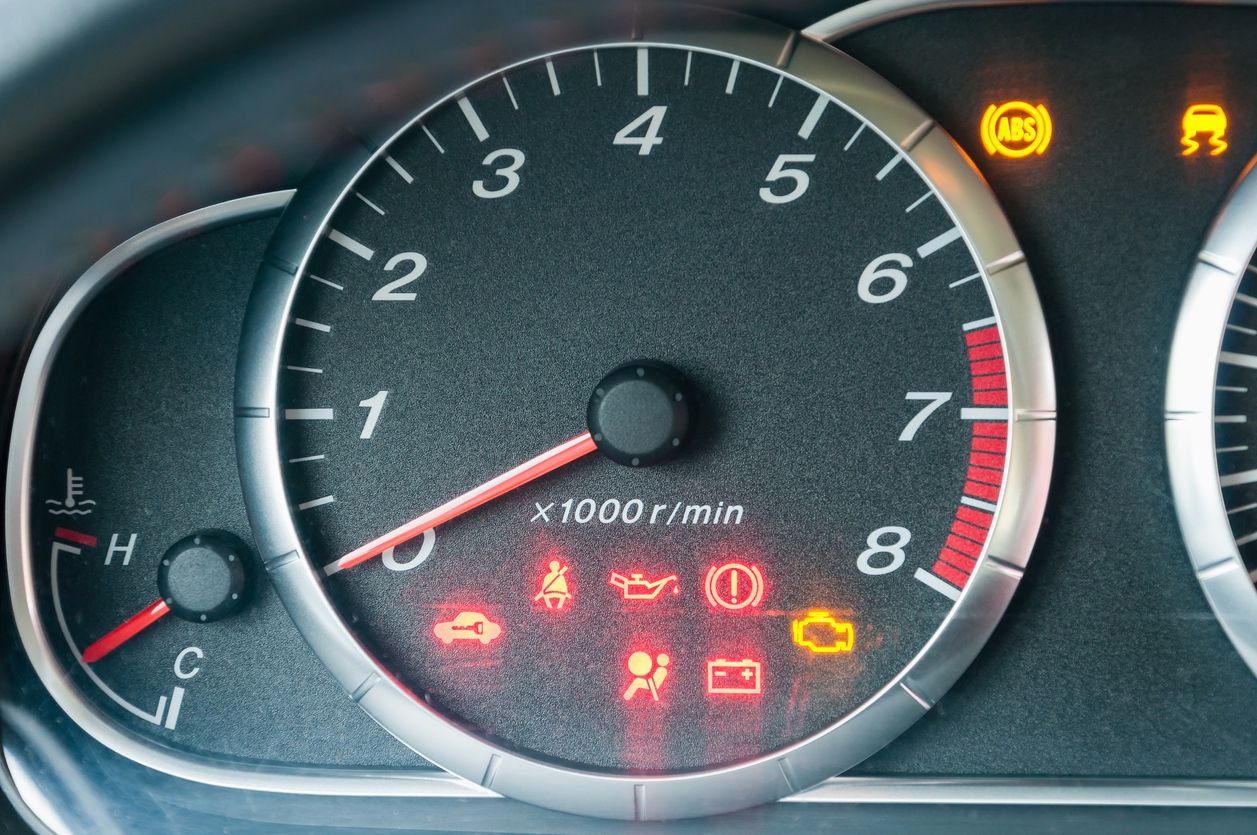
When you turn the key and dashboard lights flash, it usually means the car’s electrical system is trying to tell you something important. These lights include warning signs for things like the engine, battery, oil, and brakes. If they flicker or blink instead of staying on or going off as usual, it points to a possible electrical problem, not just a burnt-out bulb.
Flashing lights often indicate that there’s not enough steady power getting to the dashboard. This can be caused by a weak battery, loose cables, or a failing alternator. Sometimes, the car’s computer (ECU) gets confused because of a voltage drop or surge. In rare cases, a security system or immobilizer may block the engine from starting and cause the lights to blink.
Common Causes Of Car Won’t Start With Flashing Dashboard Lights
Several issues can stop your car from starting and cause the dashboard lights to flash. Here are the main reasons, explained with examples and what to look for:
1. Weak Or Dead Battery
A dead battery is the most common reason for flashing lights and a non-starting car. If the battery can’t provide enough power, the dashboard lights may flicker when you try to start the engine. This often happens after leaving lights on overnight or if the battery is old (usually more than 3-5 years).
Signs: All dashboard lights flash or fade, and you hear clicking noises when turning the key.
2. Loose Or Corroded Battery Cables
Even if your battery is fine, loose or corroded cables can stop power from flowing. Corrosion (a white or greenish powder) around the battery terminals blocks electricity.
Signs: Wiggling the cables makes the lights flash more or less. You may notice buildup around the terminals.
3. Faulty Starter Motor
The starter motor turns the engine over. If it’s faulty, the dashboard lights may flash but the engine won’t crank.
Signs: Single loud click or repeated fast clicking when you turn the key, but no engine sound.
4. Bad Ignition Switch
A worn-out ignition switch might not send power correctly. This can cause the dash lights to blink instead of start the car.
Signs: Lights turn on and off when you jiggle the key or move the steering wheel.
5. Failing Alternator
The alternator charges the battery and powers the car’s electrical system. If it fails, your battery drains quickly and lights may flash as voltage drops.
Signs: Car starts but stalls soon after, or the battery light stays on before the car dies.
6. Faulty Fuses Or Relays
A blown fuse or relay can interrupt power to important circuits. Sometimes, the result is flashing lights but no engine start.
Signs: Some electrical parts (like radio or windows) don’t work even with the key on.
7. Security System Or Immobilizer Issue
Modern cars have security systems that stop the engine if they sense a theft attempt. Sometimes, a weak key fob battery or a glitch confuses the system, making dash lights flash and preventing the car from starting.
Signs: Security or key symbol flashes. Engine won’t start even with the correct key.
8. Faulty Engine Control Unit (ecu)
The ECU is the car’s brain. If it malfunctions due to water damage, electrical surge, or software error, it may cause strange light patterns and block starting.
Signs: Multiple warning lights flash randomly, and nothing happens when you turn the key.
9. Bad Ground Connection
Cars need a strong ground connection for electrical systems. A loose or rusty ground strap can cause all sorts of strange behavior, including flashing lights.
Signs: Flickering lights even when the battery is fully charged, or other random electrical problems.
Credit: thelandautorepair.com
How To Diagnose The Problem
Knowing what’s wrong saves you time, money, and stress. Here’s a step-by-step way to figure out why your car won’t start and the dashboard lights are flashing.
Step 1: Listen And Observe
Turn the key to the “on” position (but don’t start the car). Notice the lights and any sounds. Are all lights flashing, or just one? Do you hear a “click,” or is it silent?
Step 2: Check The Battery
- Open the hood and look at the battery.
- Are the terminals tight and clean, or covered in white/green powder?
- Use a voltmeter to test the voltage. A healthy battery should read 12.6 volts or higher when the car is off.
Step 3: Try Jump-starting
If the battery is weak, try jump-starting from another car or a jump pack. If the engine starts, the battery or alternator is likely the problem.
Step 4: Inspect Cables And Connections
Wiggle the battery cables gently. If the lights flicker more, you may have a loose connection.
Step 5: Test Other Electrical Features
Do the headlights, radio, and windows work? If not, it’s probably a power issue. If they work, the problem could be with the starter, ignition switch, or security system.
Step 6: Look For Security Warnings
Check for a flashing key, lock, or car symbol on the dashboard. Try using a spare key if you have one.
Step 7: Check The Fuses
Look for the fuse box (often under the dashboard or hood). Find the starter, ignition, and ECU fuses. Replace any that are blown.
Here’s a quick summary of symptoms and possible causes:
| Symptom | Likely Cause |
|---|---|
| All lights flash, no crank | Battery or cable issue |
| Single loud click | Starter motor problem |
| Security symbol flashes | Immobilizer or key fob |
| Car starts, then dies | Alternator or ECU |
Common Mistakes When Troubleshooting
When your car won’t start, it’s easy to panic or guess. Here are mistakes many people make:
- Ignoring corroded terminals: Cleaning battery connections is cheap and easy, but often skipped.
- Replacing the battery too soon: Sometimes the battery is fine, but a loose cable or blown fuse is the real problem.
- Jump-starting repeatedly: If the car won’t keep running after a jump, the alternator might be the issue.
- Overlooking the security system: Modern cars can be fussy about keys and immobilizers. Check for related warning lights.
- Not checking ground connections: Ground straps often rust, especially on older cars. This is a hidden cause of electrical problems.
- Ignoring warning signs: If the dashboard showed warnings before, don’t ignore them. They give clues.
Credit: www.firestonecompleteautocare.com
Fixes You Can Try Yourself
If you’re comfortable with basic car tools, you can try these steps. Always put safety first—wear gloves and keep metal tools away from both battery terminals at once.
1. Clean Battery Terminals
- Remove the negative (black) cable first, then the positive (red).
- Clean both terminals and cable ends with a wire brush or baking soda paste.
- Reattach the cables tightly.
2. Tighten Connections
Make sure battery cables and ground wires are snug and free of corrosion.
3. Replace The Battery
If your battery is more than 4 years old and tests low, replace it with a new one of the same size and type.
4. Try A Spare Key
If you suspect a security system issue, use your spare key or replace the key fob battery.
5. Check And Replace Fuses
Replace any blown fuses related to starting or ignition.
6. Jump-start Correctly
Connect the positive (red) cable to the dead battery’s positive terminal, then to the good battery. Connect the negative (black) cable to the good battery’s negative terminal, then to a metal part on the dead car’s engine (not the battery).
Start the helper car, then try your car.
Here’s a quick look at common causes and their DIY difficulty:
| Problem | DIY Fix Possible? | Risk Level |
|---|---|---|
| Dead battery | Yes | Low |
| Loose cables | Yes | Low |
| Starter motor | No | High |
| Alternator | No | Medium |
| Security system | Sometimes | Low |
When To Call A Mechanic
Some problems are best left to professionals. If you’ve checked the battery, cables, and fuses and your car still won’t start, it’s time to call for help. Here are signs you should call a mechanic:
- You smell burning or see smoke
- Dashboard lights flash in strange patterns with no clear cause
- You’ve tried jump-starting and cleaning terminals with no luck
- Security or immobilizer issues don’t reset with a spare key
- Engine control unit or alternator failure suspected
Mechanics have special tools to test the starter, alternator, and computer systems. They can also read error codes from the ECU, which is often the fastest way to find the root problem.
Preventing Future Problems
A little maintenance can prevent most “won’t start” issues:
- Replace batteries every 4-5 years
- Clean battery terminals twice a year
- Check cables for tightness and corrosion regularly
- Watch for warning lights and fix issues early
- Use your car regularly; long periods of not driving can drain the battery
Here’s a basic car maintenance checklist:
| Task | Frequency |
|---|---|
| Check battery voltage | Every 3 months |
| Clean terminals | Every 6 months |
| Inspect cables | Every oil change |
| Drive car | At least once a week |
Non-obvious Insights Most People Miss
- Battery age matters more than brand: Even premium batteries lose power after 4-5 years, so check the date code.
- Modern cars use a lot of power, even when off: Security systems, remote sensors, and infotainment can slowly drain the battery if not driven for weeks.
- Voltage drops can confuse car computers: After a jump-start, it’s normal for some warning lights to stay on until you drive for a few minutes and the systems reset.
- Not all dashboard light patterns are in the owner’s manual: If the lights are acting strangely, a mechanic’s scan tool may be the only way to diagnose the real problem.
- Corroded grounds cause odd problems: The ground strap is often ignored, but even a little rust can cause big electrical headaches.
Credit: www.youtube.com
Frequently Asked Questions
Why Do All My Dashboard Lights Flash But The Car Won’t Start?
This usually means there’s an electrical problem—most often a weak battery, loose cables, or a failing alternator. It can also be a sign that the security system is blocking the engine.
Can A Bad Alternator Cause The Dashboard Lights To Flash?
Yes. If the alternator isn’t charging the battery, the voltage drops, which can make dashboard lights flash or flicker, especially when starting the car.
What Should I Do If Jump-starting Doesn’t Work?
If jump-starting fails, check the cables and connections for corrosion or looseness. If everything looks fine, the problem may be with the starter motor, ignition switch, or the car’s computer system.
How Do I Know If The Problem Is The Battery Or The Starter?
If you hear a rapid clicking but the engine doesn’t turn, it’s often the battery. A single loud click or silence can mean a starter problem. Testing the battery with a voltmeter helps confirm this.
Is It Safe To Keep Trying To Start The Car With Flashing Dashboard Lights?
No. Repeated attempts can drain the battery further or damage the starter motor. It’s better to stop, check connections, and call for help if you’re unsure.
—
If your car won’t start and dashboard lights are flashing, don’t panic. Start by checking the battery and connections, try simple DIY fixes, and if needed, get expert help. Regular maintenance goes a long way in preventing these problems. For more technical information on car electrical systems, you can visit the Automobile Electronics Wikipedia page.
With the right steps, you’ll be back on the road quickly and safely.
