
If you own a Honda and your car won’t start, it can be a stressful and confusing situation. You might be rushing to work, picking up your kids, or simply out for errands when suddenly, the engine refuses to turn over. While Hondas are known for their reliability, every car can have trouble starting at some point. The good news is that most starting problems have common causes and, with a little knowledge, you can often diagnose the issue yourself or know what to tell your mechanic. In this guide, you’ll learn why your Honda might not start, how to troubleshoot the problem, and what steps to take to get back on the road safely.
Common Reasons Your Honda Won’t Start
Understanding the most frequent causes helps you narrow down the issue quickly. Let’s look at what often goes wrong:
- Dead battery: The most common reason is a weak or dead battery. If the lights are dim or you hear only clicking, this is likely the cause.
- Faulty starter motor: If you hear a single click or nothing at all when you turn the key, your starter could be at fault.
- Bad alternator: The alternator charges your battery as you drive. If it fails, your battery drains and the car won’t start.
- Failed ignition switch: A worn or faulty ignition switch can prevent power from reaching the starter.
- Clogged fuel filter: If fuel can’t reach the engine, the car can’t start, even if the battery is fine.
- Empty fuel tank: Sometimes, the problem is as simple as no fuel in the tank.
- Failed fuel pump: Without a working fuel pump, fuel doesn’t reach the engine.
- Faulty spark plugs: Bad or worn spark plugs can prevent the engine from firing.
- Blown fuse or relay: A blown starter, fuel pump, or ignition fuse can shut things down.
- Immobilizer issues: If your key fob battery is dead or the car’s anti-theft system malfunctions, starting becomes impossible.
Each of these problems shows up with specific symptoms. Next, let’s go deeper into how to spot them.
How To Diagnose Why Your Honda Won’t Start
Before calling a tow truck, you can run simple checks. Here’s a step-by-step approach:
Step 1: Listen And Observe
Pay attention to what happens when you turn the key or press the start button:
- No sound at all: Could mean dead battery or ignition switch problem.
- Rapid clicking: Battery is likely too weak.
- One solid click: Starter or starter relay problem.
- Engine cranks but doesn’t start: Likely fuel or ignition system problem.
Step 2: Check The Battery
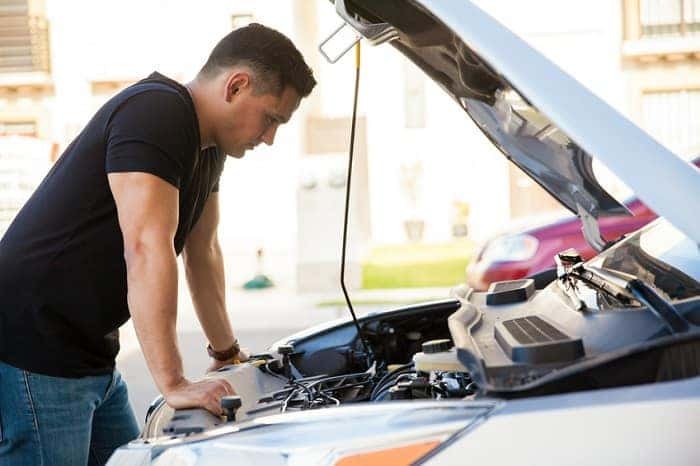
Pop the hood and look at the battery:
- Are the terminals corroded or loose?
- Use a voltmeter. A healthy battery should show 12.6 volts or more.
- If the voltage is below 12 volts, try jump starting the car.
Step 3: Inspect Fuses And Relays
Find your Honda’s fuse box (often under the hood or dashboard).
- Look for any blown fuses (the metal strip inside will be broken).
- Check the starter relay and fuel pump relay.
Step 4: Fuel And Ignition
- Make sure you have enough gas.
- Listen for a quiet whirring sound (fuel pump) when you first turn the key.
- If there’s no sound, the fuel pump or its relay could be faulty.
Step 5: Check For Immobilizer Problems
- Look for a flashing key symbol on your dashboard.
- If your key fob battery is dead, the car may not recognize your key.
Step 6: Try A Spare Key
Modern Hondas use a chip in the key. If your main key is damaged, try the spare.
Special Honda Issues That Prevent Starting
Hondas, especially models from the last 20 years, have unique systems that can cause starting trouble.
Honda Immobilizer System
Many Hondas use an immobilizer to prevent theft. If the system doesn’t recognize your key, it will block starting. Sometimes, this is caused by:
- Weak or dead key fob battery
- Damaged key chip
- Faulty immobilizer receiver
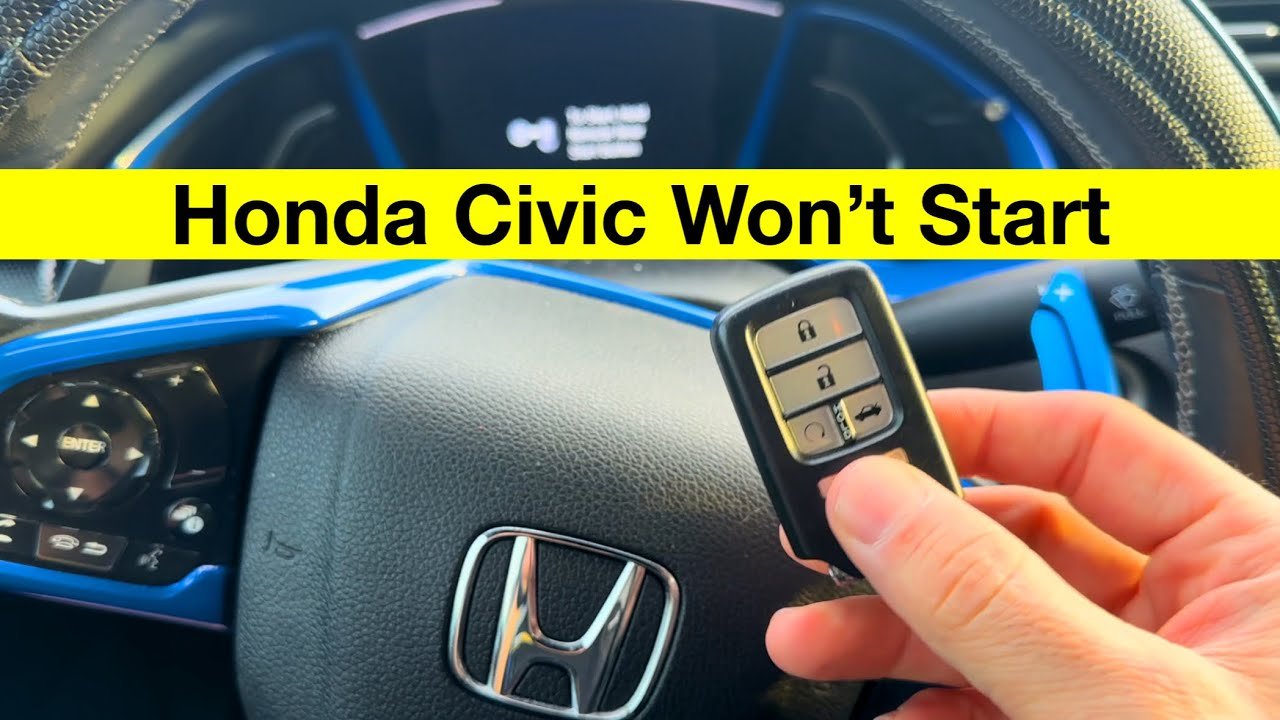
Keyless Start Problems
On push-button start models, the car won’t start if:
- The brake pedal isn’t pressed down firmly
- The key fob battery is low or dead
- There’s radio interference from other electronics
Starter Solenoid And Relay Issues
Hondas are known for having starter relay or solenoid issues, especially in older Civics and Accords. If you hear a single click but nothing else, this is a prime suspect.
Main Relay Failure
In 1990s and early 2000s Hondas, the main relay (which powers the fuel pump and other systems) can crack or fail, especially in hot weather.
What To Do If Your Honda Won’t Start
Once you’ve gathered clues, here’s how to proceed:
- Jump start the car if you suspect a dead battery.
- Clean and tighten battery terminals if you see corrosion.
- Replace blown fuses with the correct amperage.
- Try your spare key if you suspect an immobilizer problem.
- Listen for the fuel pump when you turn the key; silence could mean a failed pump or relay.
- Call for roadside assistance if you’re unable to get the car started.
Credit: www.serrahondachampaign.com
Common Mistakes When Troubleshooting
Many car owners make these errors:
- Failing to check the battery connections first. Loose or dirty terminals can mimic a dead battery.
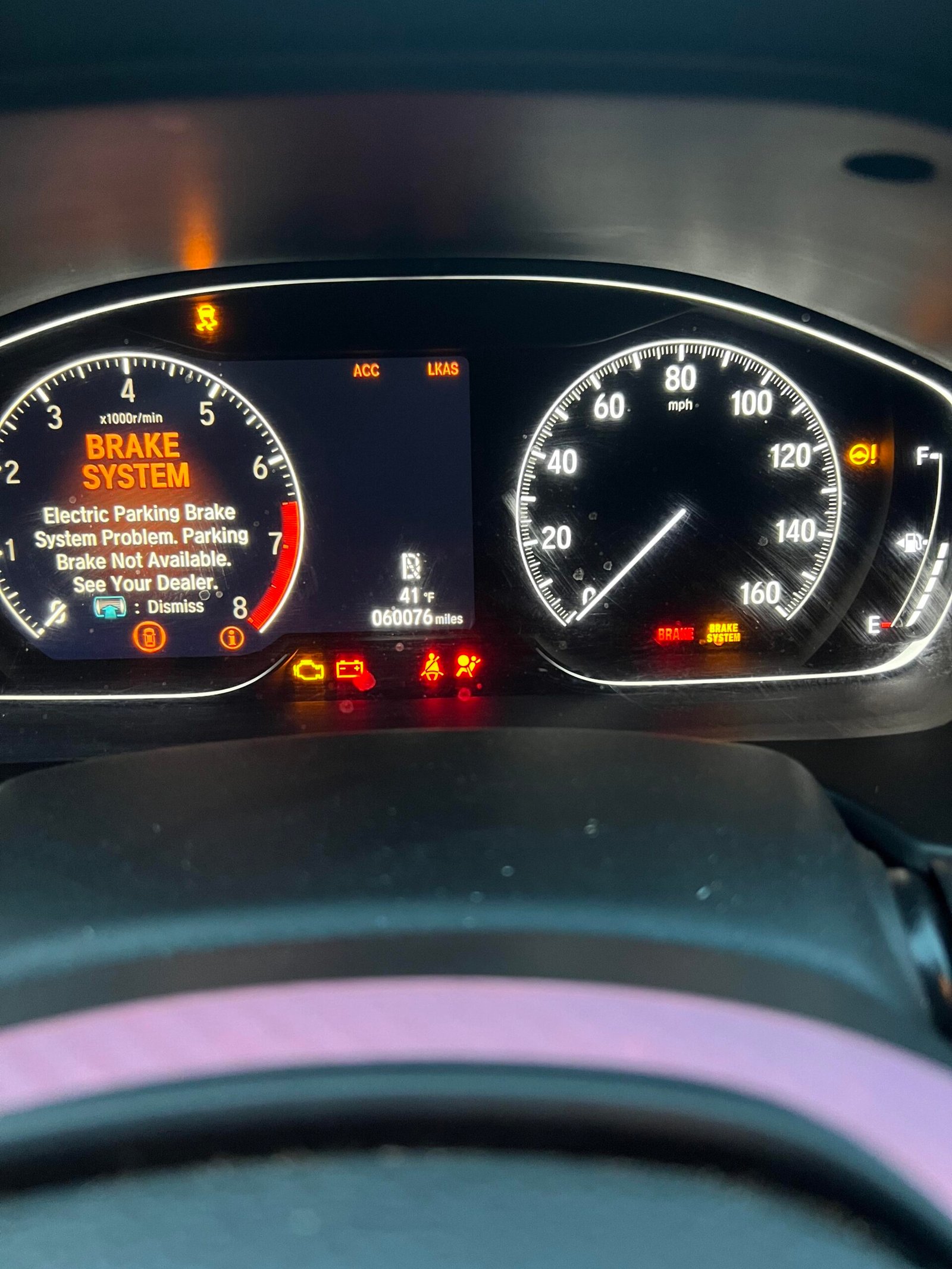
- Ignoring warning lights on the dashboard, especially the immobilizer or check engine light.
- Repeatedly cranking the engine without pause, which can drain a weak battery further.
- Forgetting that a weak key fob battery can stop push-button start models from working.
- Overlooking the main relay in older Hondas, which can cause intermittent no-start problems.
Honda Vs. Other Brands: Starting Troubles Compared
Here’s how Honda starting issues compare with other popular makes:
| Problem Area | Honda | Toyota | Ford | Chevrolet |
|---|---|---|---|---|
| Immobilizer Issues | Common | Less Common | Moderate | Moderate |
| Main Relay Failure | Common (older models) | Rare | Rare | Rare |
| Starter Motor Failure | Moderate | Moderate | Common | Common |
| Fuel Pump Issues | Occasional | Moderate | Common | Common |
Credit: www.youtube.com
When To Call A Mechanic
Sometimes, you’ll do everything right and your Honda still won’t start. These situations call for professional help:
- The engine cranks but never fires up, even after checking fuel and spark.
- The immobilizer warning stays on, even with the spare key.
- You have no power at all (no lights, no sounds) after trying a jump start.
- There is a burning smell, smoke, or unusual noises.
Getting your car towed to a trusted mechanic or Honda dealer is best in these situations. Delaying repairs could make the problem worse or more expensive.
How Much Does It Cost To Fix A Honda That Won’t Start?
Costs depend on the problem:
| Repair | Estimated Cost (USD) | Notes |
|---|---|---|
| Battery Replacement | $100 – $200 | Includes installation |
| Starter Motor | $300 – $600 | Parts & labor |
| Alternator | $400 – $800 | Depends on model |
| Fuel Pump | $500 – $900 | May require dropping tank |
| Ignition Switch | $200 – $400 | Labor intensive |
| Main Relay | $80 – $150 | Part is cheap, labor extra |
Note: Prices can vary by region, model, and labor rates.
Tips To Prevent Starting Problems In Your Honda
A little prevention can save you from being stranded:
- Replace your battery every 3-5 years or as soon as you notice slow cranking.
- Clean battery terminals every oil change.
- Listen for unusual sounds when starting.
- Don’t ignore dashboard warning lights.
- Replace your key fob battery every 1-2 years.
- Keep your fuel tank at least 1/4 full to avoid fuel pump stress.
- Service your car on schedule, especially the fuel and ignition system.
Non-obvious Insights For Honda Owners
Here are some things many drivers miss:
- If your Honda cranks but won’t start after running out of gas, the fuel pump may need time to reprime. Turn the key to “on” for 10 seconds, repeat a few times before cranking.
- On cold mornings, a weak battery may work fine for lights but lack enough power for the starter. Even new batteries can lose strength quickly in cold weather.
- Some newer Hondas will not start if the brake pedal switch is faulty, even if everything else works. If your brake lights don’t turn on, check this switch.
Credit: www.reddit.com
Frequently Asked Questions
Why Does My Honda Only Click When I Try To Start It?
This usually means the battery is weak or the starter motor is not working. Try jump starting the car. If the problem continues, have the starter checked by a mechanic.
My Honda Cranks But Won’t Start. What Should I Check First?
If the engine turns over but doesn’t start, check for fuel and spark. Make sure you have enough gas. Listen for the fuel pump. If you can, pull a spark plug and check for spark while cranking.
Can A Bad Key Fob Battery Prevent My Honda From Starting?
Yes. On models with push-button start, a dead fob battery will stop the car from recognizing the key. Try holding the fob close to the start button or replace the battery.
How Do I Reset My Honda’s Immobilizer System?
Usually, removing the key, waiting a minute, and then trying with a spare key will work. If the problem continues, you may need a dealer’s help to reprogram the system.
How Long Should A Honda Car Battery Last?
Most batteries last 3 to 5 years. Hot climates and frequent short trips can shorten battery life. Replace the battery at the first sign of slow cranking.
If you want to learn more about how modern car starting systems work, the Wikipedia page on starter motors is a helpful resource.
When your Honda won’t start, it’s frustrating—but most problems have straightforward solutions. By following the steps in this guide, you can often find the cause and know when to call for help. With regular care and quick action when trouble appears, you’ll keep your Honda reliable for many years.