
If your Subaru refuses to start, it can be a frustrating and confusing experience. Most people expect their cars to start with a simple turn of the key or push of a button. When nothing happens, or you hear strange sounds, worry sets in fast. Many Subaru owners face this problem at some point, whether driving a classic Outback, a sporty WRX, or a reliable Forester. This guide will help you understand why your Subaru might not start, what you can do about it, and how to avoid this stress in the future. You’ll learn common causes, troubleshooting steps, and even some tips that many beginners overlook.
Understanding Why Your Subaru Won’t Start
When a car won’t start, the issue usually falls into a few main categories: battery problems, starter issues, fuel system faults, or ignition troubles. Sometimes, it’s something simple like a dead key fob battery. Other times, it’s a sign of a more serious fault. It’s important to know that cars are complex, and Subaru models include modern electronics that can add new reasons for a no-start problem.
Let’s break down the main reasons your Subaru might not start and how you can identify each one.
The Most Common Reasons A Subaru Won’t Start
1. Dead Or Weak Battery
The car battery is the most frequent cause of starting problems. If your battery is old, weak, or drained (for example, by leaving the lights on), your Subaru will not start.
- Signs: Clicking sound when turning the key, dim lights, no dashboard lights.
- Quick check: Turn on the headlights. If they are dim or don’t turn on, the battery is likely the problem.
2. Faulty Starter Motor
The starter motor helps turn the engine over. If it fails, the engine won’t crank.
- Signs: Single loud click or no sound at all when you try to start.
- Tip: Sometimes tapping the starter lightly with a tool can help it engage (as a temporary fix).
3. Fuel Delivery Issues
If your Subaru isn’t getting enough fuel, it simply won’t run.
- Signs: Engine cranks but does not start, smell of fuel (possible leak), no sound from the fuel pump when the key is turned.
- Possible causes: Bad fuel pump, clogged fuel filter, empty gas tank.
4. Ignition System Problems
The ignition system creates the spark for combustion. Without it, your engine won’t fire up.
- Signs: Engine cranks without starting, check engine light, rough idle when it does start.
- Possible causes: Bad spark plugs, faulty ignition coil, broken key.
5. Faulty Key Fob Or Immobilizer
Modern Subarus use key fobs with chips that communicate with the car’s security system. If the fob battery is dead or the system fails, the car might not recognize the key.
- Signs: Dashboard message about the key, no response when pressing the start button.
- Tip: Try a spare key or change the fob battery.
6. Bad Alternator
The alternator charges your battery while the engine runs. If it fails, your battery will not recharge, and the car may not start after being parked.
- Signs: Warning light on the dashboard, battery keeps dying, electrical issues while driving.
7. Blown Fuses And Relays
A blown fuse or failed relay can stop electricity from reaching critical parts.
- Signs: Electrical features not working, silent starter, sudden loss of power to systems.
8. Transmission Not In Park Or Neutral
Automatic Subarus will not start unless the transmission is in Park or Neutral.
- Signs: Nothing happens when turning the key, gear lever not fully in position.
9. Corroded Or Loose Battery Cables
Even if your battery is good, corrosion or loose cables can stop the current flow.
- Signs: Visible white or blue powder on terminals, cables feel loose, intermittent starting problems.
10. Engine Flooding (especially On Cold Starts)
If you press the gas pedal repeatedly while starting, you can flood the engine with fuel, making it hard to start.
- Signs: Strong smell of gasoline, engine cranks but won’t start, especially in cold weather.
Credit: www.reddit.com
Subaru Won’t Start: Troubleshooting Steps
When your Subaru won’t start, you can follow a step-by-step process to find the problem. Here’s a practical approach:
- Check the battery: Are the headlights bright? Try jump-starting. If it works, replace or charge the battery.
- Listen for sounds: Does the engine crank? Clicking or silence points to the starter or battery.
- Check fuel level: Make sure you have gas. Listen for the fuel pump when you turn the key to “On.”
- Try a spare key: If you have a push-to-start, a dead key fob battery can cause issues.
- Inspect cables: Look for corrosion or loose connections at the battery.
- Shift gears: Make sure the gear shift is fully in Park or Neutral.
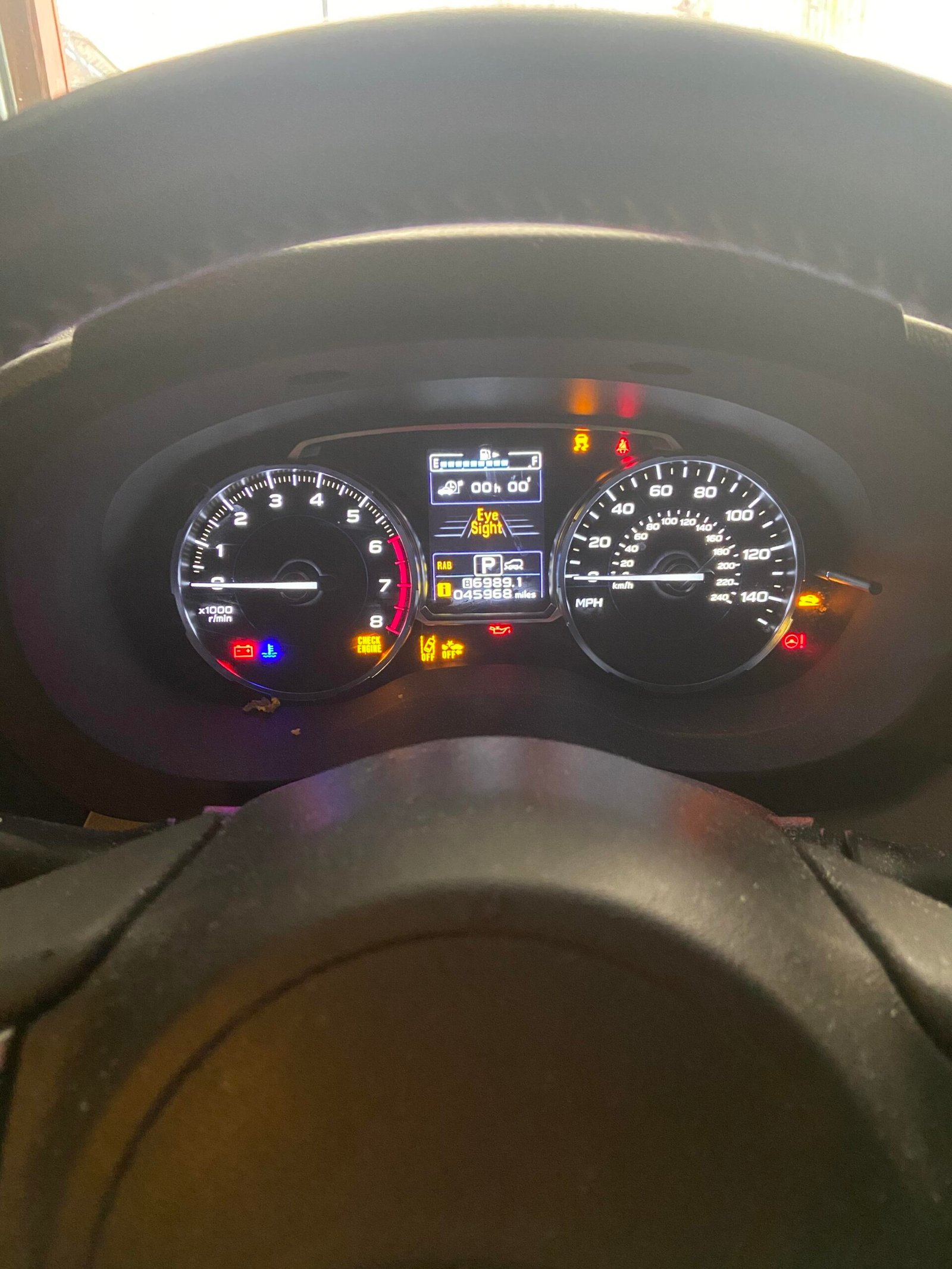
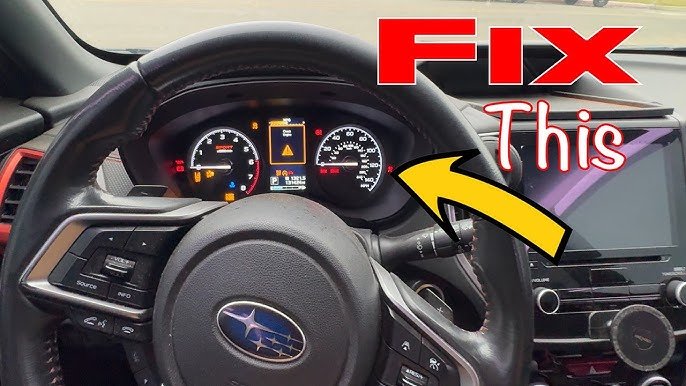
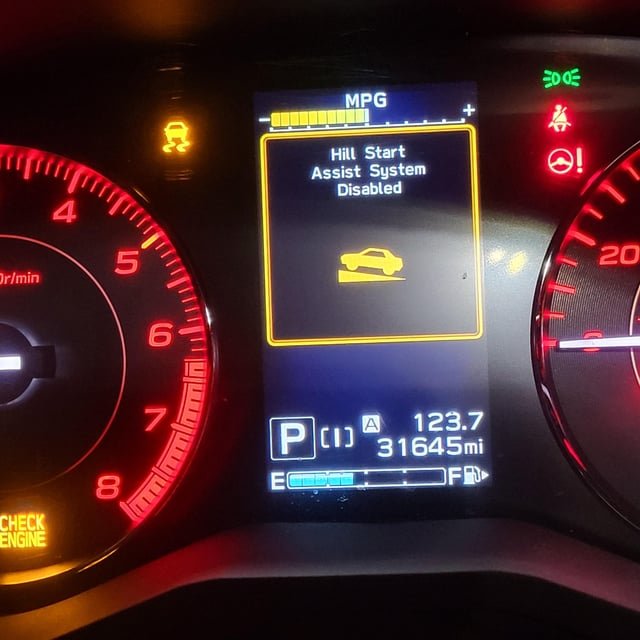
- Look at dashboard lights: Error messages can point to specific problems.
- Check fuses: Refer to your owner’s manual to find and inspect relevant fuses.
If the car still won’t start after these checks, it may be time to call a mechanic or roadside assistance.
Data: Subaru No-start Causes And Frequency
Different models and years may have different common issues. Here is a comparison of common no-start causes in popular Subaru models.
| Model | Most Common Cause | Estimated Share (%) |
|---|---|---|
| Subaru Outback | Dead Battery | 37 |
| Subaru Forester | Starter Motor | 29 |
| Subaru Impreza | Ignition System | 25 |
| Subaru Crosstrek | Key Fob Issues | 18 |
As the table shows, some problems are more likely in certain models. For example, older Outbacks often have battery issues, while the Forester is known for starter motor problems.
Credit: www.youtube.com
Less-obvious Subaru No-start Problems
Some problems are harder to spot, especially for beginners. Here are two that many people miss:
- Crankshaft Position Sensor Failure: This small sensor tells your engine when to fire the spark plugs. If it fails, your engine may crank but never start. Often, this won’t trigger a clear dashboard warning.
- Rodent Damage: In some areas, mice or rats chew on engine wires, especially in winter. This can cause sudden electrical failures and is easy to miss unless you open the hood and look closely.
These issues can confuse even experienced Subaru owners. If you have checked everything else, consider these possibilities.
How Weather Affects Subaru Starting Problems
Weather can play a big role in starting issues. Cold temperatures make batteries weaker and can cause fuel to thicken. Hot weather can lead to vapor lock (fuel boiling in the lines) or speed up battery corrosion.
Here’s a quick comparison of weather effects:
| Weather Condition | Common Starting Problem | Prevention Tip |
|---|---|---|
| Cold (below 0°C/32°F) | Weak Battery, Engine Flooding | Use a battery warmer, avoid pumping gas pedal |
| Hot (above 32°C/90°F) | Battery Corrosion, Vapor Lock | Clean battery terminals, park in shade |
| Wet/Humid | Electrical Shorts, Corrosion | Check for leaks, keep connections dry |
If your Subaru won’t start after a big weather change, check related parts first.
Subaru Dashboard Warning Lights And What They Mean
Your Subaru’s dashboard can give important clues. Here are some lights related to no-start problems:
- Battery light: Battery or alternator problem.
- Check engine light: Often points to ignition or sensor trouble.
- Security/immobilizer light: Key fob or anti-theft system issue.
- Oil pressure light: Low oil can prevent starting to protect the engine.
Ignoring these warnings can lead to bigger problems. Always investigate lights that stay on after trying to start.
Preventing Subaru Starting Problems
It’s always better to prevent trouble than fix it. Here are some proven tips:
- Replace your battery every 3-5 years, or sooner if you notice slow starts.
- Keep battery terminals clean and tight.
- Service your starter and alternator during routine checks.
- Change spark plugs and filters as recommended in your owner’s manual.
- Use original Subaru parts for sensitive electronics and keys.
- Store your car in a garage or under cover in extreme weather.
- Listen for weak cranking or slow starts and act quickly.
Many people overlook regular battery checks, especially before winter. A simple battery test can save you from being stranded.
When To Call A Mechanic
Some problems require professional help. Call a trusted mechanic if:
- The engine cranks but never starts, even after checking the basics.
- You see or smell smoke, or hear loud bangs.
- The car starts sometimes, but not always.
- Warning lights remain on after restarting.
- You find chewed wires or major leaks.
Trying to fix modern Subaru electronics without experience can do more harm than good. Mechanics have special tools to diagnose hidden problems.
Subaru Starting Problems: Myths Vs Reality
Some advice you hear is not always true. Here are a few myths:
- “Jump-starting always works.” Not if the problem is the starter or key fob.
- “If the lights work, the battery is fine.” Weak batteries can run lights but not start the engine.
- “You must always replace the starter if it clicks.” Sometimes, it’s just a bad connection.
Double-check before spending money on new parts. A careful approach saves time and cash.
Real-world Example: Diagnosing A Subaru That Won’t Start
Imagine a Subaru Forester that clicks but won’t start. The owner tries jump-starting, but nothing changes. The battery is new. Looking closer, they find corrosion on the battery cables. After cleaning the terminals and tightening the cables, the car starts easily.
This shows how a simple problem like corrosion can look like a major failure. Always check the basics first.
Useful Resources For Subaru Owners
If you want to learn more or need official guidance, the official Subaru website offers manuals and support. You can also find advice and technical details at Wikipedia.
Credit: www.reddit.com
Frequently Asked Questions
Why Does My Subaru Click But Not Start?
A single click usually means a weak battery or a bad starter motor. Multiple rapid clicks point to a drained battery or loose cables.
My Subaru Won’t Start, But The Lights Work. What’s Wrong?
The battery may have enough power for lights but not enough for the starter. It could also be a bad starter motor or connection problem.
Can A Bad Key Fob Cause My Subaru Not To Start?
Yes. If the key fob battery is dead or the chip inside the key is damaged, the car may not recognize it and will not start.
How Do I Know If My Subaru’s Fuel Pump Has Failed?
If you turn the key to “On” and don’t hear a soft humming sound from the fuel tank, the fuel pump could be the issue. The engine may crank but never start.
Should I Try To Push-start My Subaru If It Won’t Start?
Most Subarus have automatic transmissions and cannot be push-started. For manuals, only try this if you know it’s safe and the problem is the starter or battery.
If your Subaru won’t start, don’t panic. Most problems can be solved with careful checks and a bit of patience. Always start with the basics, pay attention to warning signs, and don’t be afraid to ask for professional help if needed.
Regular care and quick action can keep your Subaru reliable for years to come.
