
Every car owner wants their vehicle to run smoothly and last a long time. But there is one part, often ignored, that plays a huge role in both performance and the environment: the catalytic converter. This device helps turn harmful gases from your car’s exhaust into safer substances before they leave the tailpipe. Over time, though, the catalytic converter can get dirty or damaged, leading to poor fuel economy, higher emissions, or even engine problems. The good news? With the right maintenance, you can keep your catalytic converter working well for years. This guide will show you everything you need to know—from basic care tips to warning signs and expert advice—so you can protect both your car and the planet.
What Is A Catalytic Converter And Why Does It Matter?
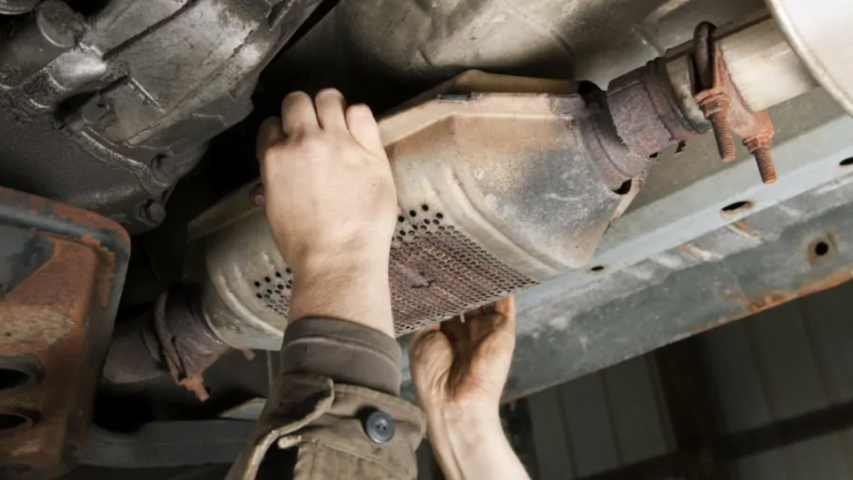
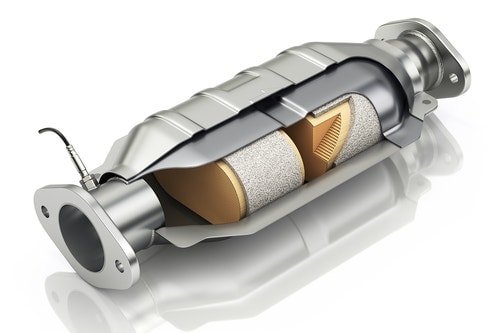
A catalytic converter is a part of your car’s exhaust system. Its main job is to reduce pollution by changing toxic gases, like carbon monoxide and nitrogen oxides, into less harmful gases such as carbon dioxide and nitrogen. Most cars made after 1975 have them because of strict emissions laws.
A working catalytic converter is important for several reasons:
- Better air quality: It helps reduce smog and air pollution.
- Legal requirements: Many countries require vehicles to have working converters.
- Car performance: A clogged converter can make your engine run poorly and use more fuel.
Knowing how this part works is the first step to proper maintenance.
Signs Your Catalytic Converter Needs Attention
Your car will often warn you if the catalytic converter is in trouble. Here are some common signs:
- Check Engine Light: This is often the first warning. Modern cars have sensors that watch emissions. If something goes wrong, the dashboard light turns on.
- Poor Engine Performance: If your car feels sluggish, stalls, or loses power when you speed up, the converter could be blocked.
- Rattling Noise: A damaged converter can make a rattling sound, especially when starting the engine.
- Dark or Bad-Smelling Exhaust: Excessive smoke or a “rotten egg” smell is a sign of trouble.
- Failed Emissions Test: If your car cannot pass a test, a faulty converter could be the cause.
Never ignore these warnings. Early action can prevent more expensive repairs.
Credit: gaugemagazine.com
Routine Maintenance To Keep Your Catalytic Converter Healthy
Regular care goes a long way in keeping your catalytic converter in good shape. Here are the top maintenance habits you should follow:
1. Use The Right Fuel
Always use the type of fuel recommended for your car. Avoid leaded gasoline or poor-quality fuel, as these can damage the converter.
2. Fix Engine Problems Quickly
Engine misfires, bad spark plugs, or leaking fuel injectors can send unburned fuel into the converter. This extra fuel can overheat and melt the converter’s inside parts. If your car runs rough, get it checked soon.
3. Watch For Oil And Coolant Leaks
Oil or coolant leaks can clog the converter. If you notice white or blue smoke from the exhaust, check for leaks right away.
4. Keep Up With Regular Oil Changes
Dirty oil can lead to engine problems that harm the converter. Follow your car’s recommended oil change schedule.
5. Maintain Your Exhaust System
Rust, holes, or loose parts in the exhaust can affect how the converter works. Have your exhaust checked during routine service.
6. Avoid Short Trips
Catalytic converters need to get hot to work well. Frequent short drives may not let it reach the right temperature. Try to combine errands into one longer trip.
7. Use Fuel Additives Wisely
Some fuel additives can help clean the converter and fuel system. Only use products marked as safe for catalytic converters. Too many chemicals can do more harm than good.
8. Don’t Ignore Warning Lights
If the check engine light comes on, get your car scanned for error codes. Many auto parts stores will do this for free.
9. Don’t Tamper Or Remove The Converter
It is illegal in many places to remove or “gut” your catalytic converter. This can cause big problems for your engine and the environment.
10. Park Safely To Prevent Theft
Catalytic converter theft is a growing problem, especially for cars with higher ground clearance. Park in well-lit areas or garages when possible.
Cleaning A Catalytic Converter: Is It Possible?
Many drivers ask if they can clean a dirty catalytic converter instead of replacing it. The answer depends on the cause of the problem.
When Cleaning Might Help
If your converter is clogged by carbon deposits (but not melted or physically damaged), cleaning can help. There are two main ways:
- Fuel Additives: Pour a special cleaner into your gas tank. These products help remove some carbon buildup while you drive.
- Professional Cleaning: Some garages offer a high-pressure cleaning service for the converter.
When Cleaning Won’t Work
If the inside honeycomb structure is melted, broken, or coated in oil or coolant, cleaning will not help. In these cases, replacement is the only fix.
Warning
Never try to remove and clean the converter yourself unless you have experience. The ceramic inside is fragile, and some chemicals can be dangerous.
How Long Does A Catalytic Converter Last?
On average, a catalytic converter can last between 70,000 and 100,000 miles (about 112,000 to 160,000 kilometers). However, this can be shorter or longer depending on:
- Driving habits: Lots of short trips mean more wear.
- Engine health: Well-maintained engines help converters last longer.
- Fuel quality: Poor fuel can shorten converter life.
Some drivers have converters last the whole life of their car, while others need a replacement after just a few years.
Comparing Converter Problems: Common Issues And Their Effects
It helps to see how different converter problems affect your car. The table below compares three common issues:
| Problem | Main Symptom | Effect on Car | Repair Needed |
|---|---|---|---|
| Clogged Converter | Loss of power, poor fuel economy | Can cause engine to overheat | Cleaning or replacement |
| Melted/Cracked Honeycomb | Rattling noise, check engine light | May block exhaust flow | Replacement only |
| Contaminated by Oil/Coolant | Excessive smoke, strange smell | Permanent damage | Fix leaks, replace converter |
Knowing what type of problem you have helps you choose the right repair.
Credit: www.edmunds.com
Replacement Vs. Repair: What’s Best For Your Converter?
If your converter is damaged, you might wonder if repair is possible. Here is how to decide:
- Minor clogs: Try cleaning first (with a safe additive or professional service).
- Physical damage: Replacement is required. Repairs are rarely successful.
- Oil or coolant contamination: Fix the root problem (leaks), then replace the converter.
It’s best to get a professional opinion. Replacing a catalytic converter can cost $800–$2,500, depending on your vehicle and local labor costs.
Oem Vs. Aftermarket Catalytic Converters
When it’s time to replace your converter, you’ll face a choice: OEM (Original Equipment Manufacturer) or aftermarket. Here’s how they compare:
| Feature | OEM | Aftermarket |
|---|---|---|
| Price | Higher | Lower |
| Fit and Compatibility | Perfect match | May need adjustments |
| Warranty | Usually longer | Shorter or none |
| Longevity | Lasts longer | Varies |
| Emissions Compliance | Guaranteed | Check local laws |
If you want the safest option, go for OEM. For older cars or budget repairs, aftermarket converters can be a good choice, but always check if they meet your region’s emissions rules.
The Hidden Costs Of Ignoring Converter Maintenance
Many people only think about the converter when something goes wrong. But ignoring it comes with big risks:
- Expensive repairs: A failed converter can damage your engine or exhaust.
- Poor fuel economy: Clogs force your engine to work harder, using more gas.
- Legal trouble: Driving without a working converter is illegal in many places.
- Environmental harm: More pollution harms everyone’s air quality.
One non-obvious insight: a failing converter can sometimes cause your car to enter “limp mode,” where the engine computer limits power to prevent damage. This can leave you stranded or unable to drive at highway speeds.
Expert Tips For Extending Converter Life
Here are some lesser-known strategies that can make a big difference:
- Warm up your car in cold weather: But avoid idling for too long. Drive gently for the first 10 minutes to help the converter reach the right temperature quickly.
- Pay attention to how your car sounds: Even small changes (like a faint rattle) can be early signs.
- Choose trusted brands for fuel and oil: Cheap products can contain additives that harm the converter over time.
- Stay up-to-date on recalls: Sometimes manufacturers issue recalls for converter problems. Check your car’s VIN regularly.
Environmental Impact And Regulations
Catalytic converters have reduced car pollution by over 80% since their introduction. But there are also strict rules about their use. In the United States, for example, the Clean Air Act requires all gasoline-powered vehicles to have working converters. Fines for tampering can be thousands of dollars.
Converters also contain valuable metals like platinum, palladium, and rhodium. These metals are the reason why converters are often stolen. Recycling old converters is important for both the environment and resource conservation. Learn more about these regulations at the U.S. Environmental Protection Agency.
Frequently Asked Questions
How Can I Tell If My Catalytic Converter Is Failing?
Look for signs like the check engine light, a drop in engine power, rattling noises, or a rotten egg smell. A mechanic can confirm the problem by checking your car’s error codes and exhaust emissions.
Can I Drive With A Bad Catalytic Converter?
It’s possible, but not recommended. Driving with a failing converter can damage your engine, cause legal problems, and increase pollution. If the converter is badly clogged, your car may not run at all.
How Much Does It Cost To Replace A Catalytic Converter?
Replacement costs can range from $800 to $2,500 or more, depending on your car model, converter type, and labor costs in your area. Some rare models may cost even more due to precious metals inside the converter.
What Causes A Catalytic Converter To Fail?
Common causes include engine misfires, oil or coolant leaks, using the wrong fuel, and physical damage from road debris. Failing to fix engine problems quickly can also shorten the converter’s life.
Are There Any Ways To Prevent Catalytic Converter Theft?
Yes. Park in well-lit, busy areas, use a garage if possible, and consider installing a special cage or alarm for your converter. Some police departments offer free marking or etching services to help track stolen converters.
Catalytic converter maintenance is not just about avoiding costly repairs. It’s about keeping your car running well, protecting the environment, and staying on the right side of the law. With regular care and attention to warning signs, you can enjoy worry-free driving—and breathe a little easier, too.
Credit: www.youtube.com