
If you drive a BMW, seeing the check engine light come on can be worrying. This small orange or yellow symbol on your dashboard means your car’s computer has found a problem. Sometimes, it’s a small thing, like a loose gas cap. Other times, it can mean a serious engine issue. No matter the reason, it’s important to understand what this light means and how to read BMW codes so you can fix the problem quickly and avoid expensive repairs.
BMW cars use a system called OBD-II (On-Board Diagnostics II). This system helps detect errors and gives you specific codes. These codes tell you what’s wrong with your car. But for many BMW owners, reading and understanding these codes feels confusing. Let’s break it down step by step, so you know exactly what to do if your BMW check engine light comes on.
What Does The Check Engine Light Mean?
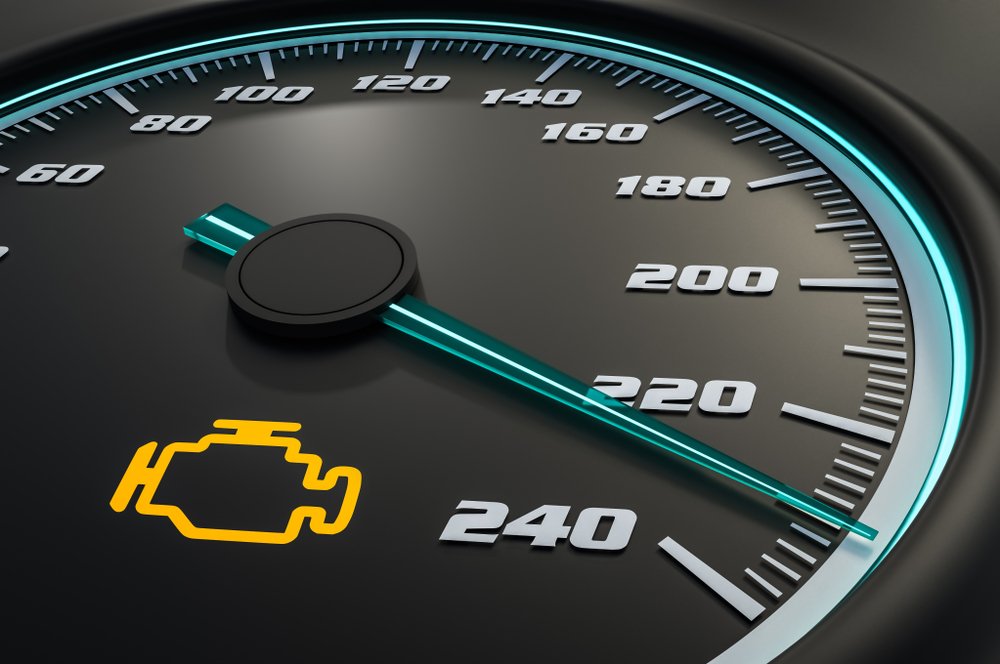
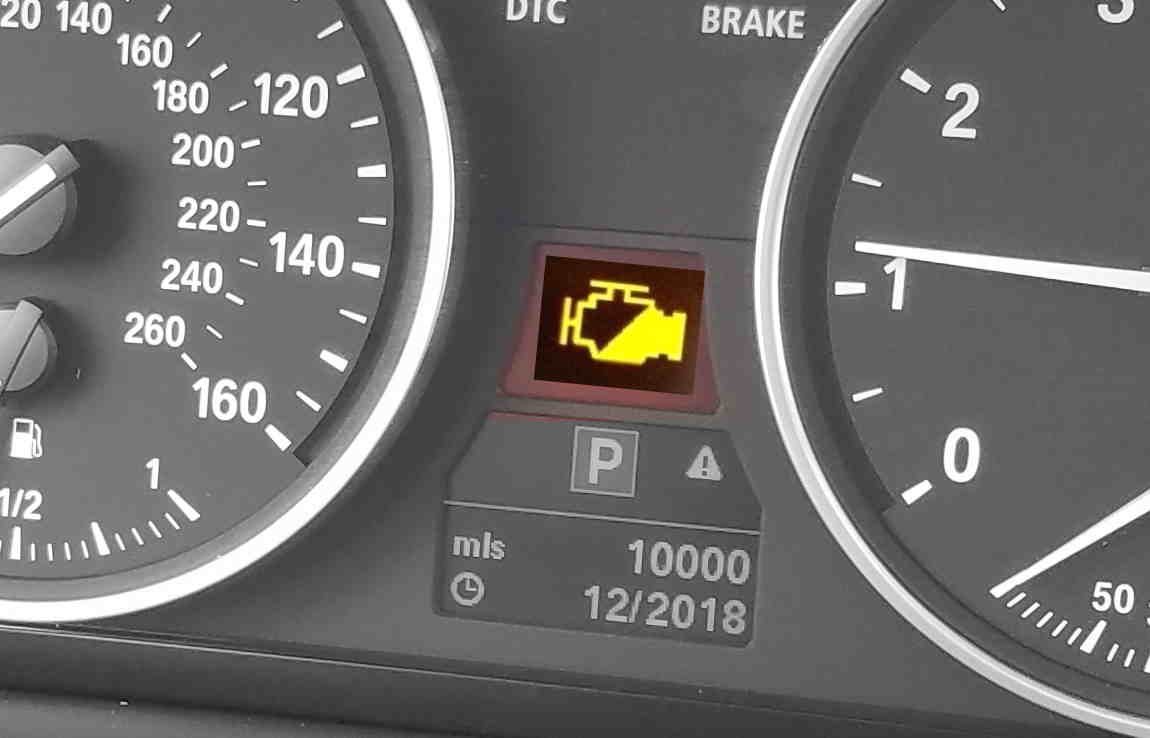
The check engine light is a warning that something in your car’s engine or emissions system isn’t working right. In BMW vehicles, the light might say “Service Engine Soon” or show a small engine symbol. When the light comes on, your car’s computer stores a diagnostic trouble code (DTC).
If the light is steady, it usually means the problem isn’t urgent, but you should check it soon. If the light is flashing, stop driving as soon as possible. A flashing light can mean a serious problem, like a misfire, which can damage your engine or catalytic converter.
How Bmw Diagnostic Codes Work
BMW cars use OBD-II codes since 1996. These codes are universal, but BMW also uses special “manufacturer-specific” codes for unique systems. Codes usually have five characters, like P0171 or P0300. The first letter tells you the system:
- P: Powertrain (engine and transmission)
- B: Body (airbags, lights, etc.)
- C: Chassis (suspension, brakes)
- U: Network (computer communication)
The numbers after the letter tell you the specific problem. For example, P0171 means the engine is running too lean (not enough fuel).
Common Bmw Check Engine Codes And Their Meaning
Some codes are seen more often in BMWs. Here are some of the most common ones, what they mean, and what you should do:
| Code | Meaning | Typical Fix |
|---|---|---|
| P0171 | System Too Lean (Bank 1) | Check for vacuum leaks, clean or replace MAF sensor |
| P0300 | Random/Multiple Cylinder Misfire Detected | Check spark plugs, ignition coils, fuel injectors |
| P0420 | Catalyst System Efficiency Below Threshold (Bank 1) | Check catalytic converter, O2 sensors |
| P0456 | Evaporative Emissions System Leak Detected (Very Small Leak) | Tighten/replace gas cap, check EVAP hoses |
| P0442 | Evaporative Emission Control System Leak (Small) | Inspect hoses, vent valve, charcoal canister |
| P0130 | O2 Sensor Circuit (Bank 1, Sensor 1) | Replace O2 sensor, check wiring |
| P0102 | Mass Air Flow (MAF) Circuit Low Input | Clean/replace MAF sensor, check air filter |
| P0113 | Intake Air Temperature Sensor High Input | Check/replace IAT sensor, wiring |
| P0128 | Coolant Thermostat (Coolant Temperature Below Thermostat Regulating Temperature) | Replace thermostat, check coolant level |
Many of these codes can be caused by something simple, like a bad gas cap or dirty sensor. But ignoring them can lead to bigger problems. If you see a code, it’s best to check it as soon as possible.
How To Read Bmw Check Engine Light Codes
Reading codes from your BMW is not as hard as you might think. Here’s how you can do it yourself:
1. Use An Obd-ii Scanner
The easiest way is to use an OBD-II scanner. These are small devices that plug into your car’s OBD-II port (usually found under the dashboard near the steering wheel).
Steps:
- Turn off your car.
- Plug the scanner into the port.
- Turn the ignition to “On” (don’t start the engine).
- Follow the scanner’s instructions to read codes.
Some scanners show only basic codes, while others show BMW-specific codes. For the best results, use a scanner that supports BMW systems.
2. Use A Bmw Diagnostic App
Many apps, like BimmerLink or Carly, can read codes from your phone using a Bluetooth OBD-II adapter. These apps often show more detailed information, like live data and manufacturer-specific codes.
3. Visit A Mechanic Or Dealer
If you don’t have a scanner, any mechanic or BMW dealer can read the codes for you. Many auto parts stores also offer free code reading.
Common Mistakes When Reading Codes
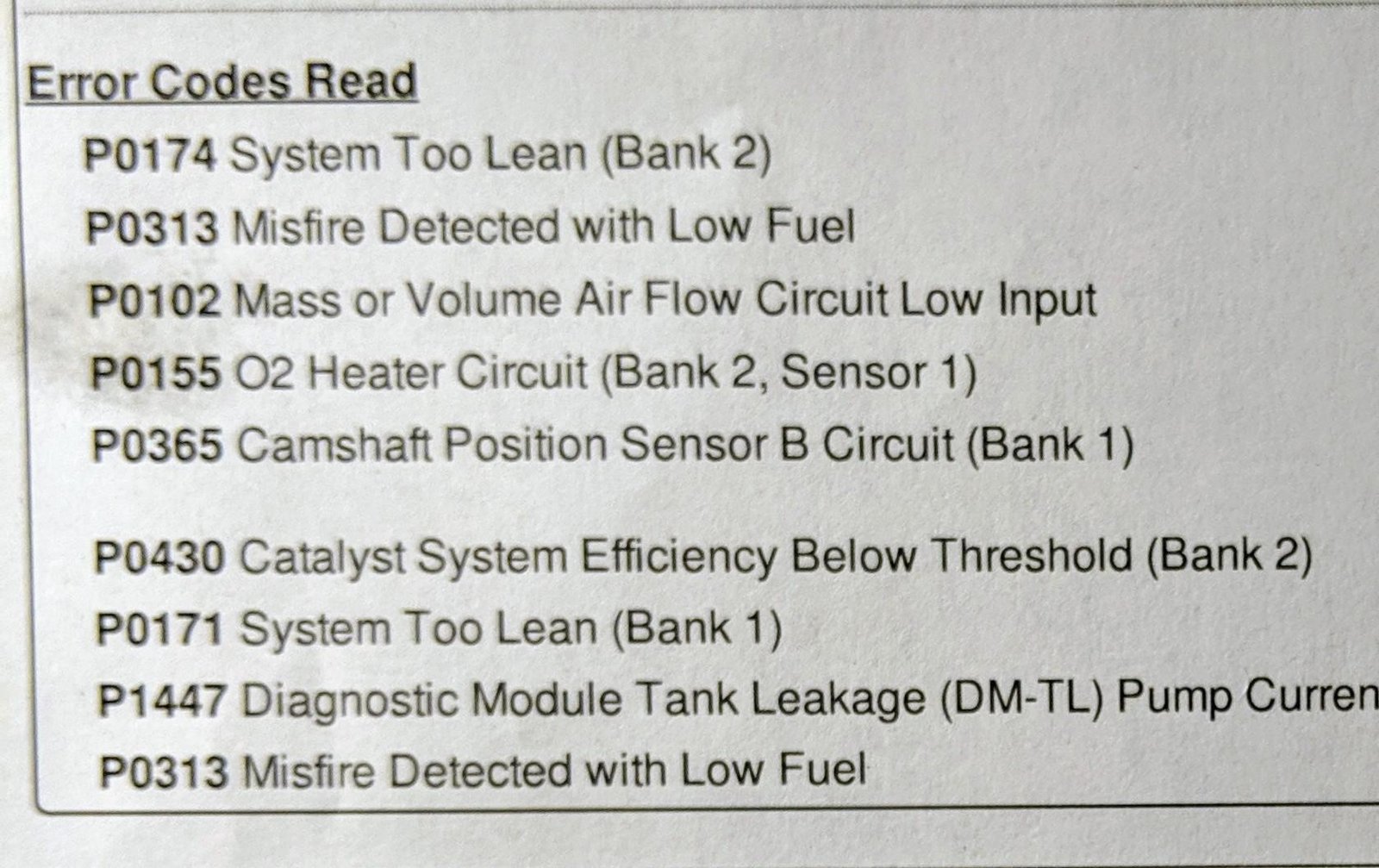
Many beginners think the first code they see is the only problem. But sometimes, one problem can cause several codes. For example, a bad MAF sensor can cause both a lean code (P0171) and a misfire code (P0300). Always check all codes before starting repairs.
Another common mistake is clearing codes before fixing the problem. This might turn off the light for a while, but the problem will come back—and you lose important data that helps diagnose the issue.
Credit: bwperformance.com
How To Fix Bmw Check Engine Light Codes
Once you know the code, you can decide whether to fix it yourself or take your car to a mechanic. Here are some steps to help you:
1. Research The Code
Use reliable sources to look up the code and its meaning for your specific BMW model and year. Some codes have different causes in different cars.
2. Check Simple Things First
Many codes are caused by simple problems. Always check:
- The gas cap: Make sure it’s tight and not cracked.
- Air filters: Dirty filters can cause air flow problems.
- Fluid levels: Low oil or coolant can trigger codes.
3. Inspect Related Parts
If the code points to a sensor or part, inspect it for damage, dirt, or loose connections. Cleaning or replacing a sensor is often easy and cheap.
4. Don’t Ignore Recalls Or Service Bulletins
Sometimes, a code happens because of a known problem with your car. BMW often issues recalls or technical service bulletins (TSBs) that cover free repairs. Always check your VIN on the BMW website or with your dealer.
5. Reset The Light (after Repairs)
After fixing the problem, you can use your scanner to clear the codes and turn off the light. If the problem comes back, double-check your work or get professional help.
Diy Or Mechanic? Deciding What To Do Next
Not every BMW check engine light code means a big problem. For simple issues like a loose gas cap or dirty air filter, you can fix them yourself. For more complex codes—like those about the catalytic converter, transmission, or engine misfires—it’s safer to visit a professional.
Here’s a quick comparison of which repairs you can often do yourself, and which need a mechanic:
| DIY Possible | Needs Mechanic |
|---|---|
| Replace gas cap | Transmission faults |
| Change air filter | Complex electrical issues |
| Clean/replace MAF sensor | Catalytic converter replacement |
| Replace spark plugs | Advanced engine diagnostics |
| Check/replace O2 sensors | Internal engine repairs |
Non-obvious tip: Sometimes, a weak battery can cause strange codes in BMWs, especially if you have an older car. If you see multiple unrelated codes, check your battery health before spending money on parts.
Credit: www.reddit.com
Preventing Bmw Check Engine Light Problems
You can’t stop every problem, but regular care makes a big difference. Here’s what helps:
- Use good quality fuel: Low-quality fuel can damage sensors and the catalytic converter.
- Change oil and filters on time: Dirty oil and filters cause extra engine wear and sensor issues.
- Fix small problems quickly: Don’t wait if you notice strange sounds, smells, or performance changes.
- Keep sensors clean: Air flow and O2 sensors work better when clean.
- Check for software updates: BMW sometimes releases updates that fix sensor or computer bugs.
Another insight: If your BMW is older or high mileage, rubber hoses and plastic parts under the hood can crack and leak. These small leaks often cause codes like P0171 or P0442. Inspect hoses and connectors during oil changes to catch problems early.
Understanding Bmw-specific Codes Vs. Generic Codes
Not all codes mean the same thing for every car. BMW has some special codes that only apply to their cars. For example, a generic code might point to a sensor, but a BMW-specific code will tell you which sensor and exactly what’s wrong.
If you want the most accurate information, use a BMW-focused scanner or app. These tools can read shadow codes and pending codes—hidden errors that basic scanners miss. For enthusiasts, this extra data helps you fix problems before they cause breakdowns.
What Happens If You Ignore The Check Engine Light?
It’s tempting to ignore the light if your car feels normal. But driving with the check engine light on can lead to:
- Lower fuel economy: Problems like misfires or sensor errors waste gas.
- Higher repair costs: Small problems get worse if you keep driving.
- Failed emissions test: Many areas require a working engine light for inspection.
- Possible engine damage: Some issues, like overheating or lean conditions, can ruin your engine if not fixed.
If the light is flashing, always stop driving and get help. For a steady light, try to check the codes within a few days.
Real-world Example: Bmw E90 Check Engine Light
A BMW E90 (3 Series, 2006-2011) is known for check engine codes like P0171 (System Too Lean) and P0300 (Misfire). In many cases, the problem is a cracked intake boot or a dirty MAF sensor. Replacing the intake boot costs about $30–$50 and takes less than an hour with basic tools.
Many owners spend hundreds at the dealer when a simple fix would solve the problem.
Using Online Resources For Bmw Codes
Many websites and forums have lists of BMW codes and repair advice. For official information, you can visit the Wikipedia OBD-II page. For more detailed DIY help, BMW forums like Bimmerfest or Bimmerpost have step-by-step guides from real owners.
Frequently Asked Questions
What Is The Most Common Reason For A Bmw Check Engine Light?
The most common cause is a loose or faulty gas cap. Other common reasons include vacuum leaks, old spark plugs, and dirty sensors.
Can I Drive My Bmw With The Check Engine Light On?
If the light is steady, you can usually drive for a short time, but get it checked soon. If the light is flashing, stop driving and get help right away to avoid engine damage.
How Do I Reset The Bmw Check Engine Light?
After fixing the problem, use an OBD-II scanner or a BMW diagnostic app to clear the codes. Don’t just reset the light without fixing the issue, or it will come back.
Will A Check Engine Light Fail My Emissions Test?
Yes, in most places a lit check engine light means your car will not pass inspection or emissions testing.
Do Bmws Have Special Codes Or Just Standard Obd-ii Codes?
BMWs use both standard OBD-II codes and their own manufacturer-specific codes. For best results, use a scanner or app designed for BMW vehicles to see all codes.
The check engine light in your BMW doesn’t have to be scary. With the right tools and a little knowledge, you can find and fix many problems yourself. Regular care, fast action, and understanding BMW codes will keep your car running smoothly for years.
Credit: www.youcanic.com