
When your car’s check engine light comes on, it’s easy to feel anxious. That little orange light can mean anything from a loose gas cap to a serious engine problem. Many drivers ask themselves a big question: should I take my car to the dealer or a local mechanic? This choice can affect your time, money, and peace of mind. Let’s look at the real differences, advantages, and possible risks of each option so you can make the best decision for your vehicle—and your wallet.
What The Check Engine Light Really Means
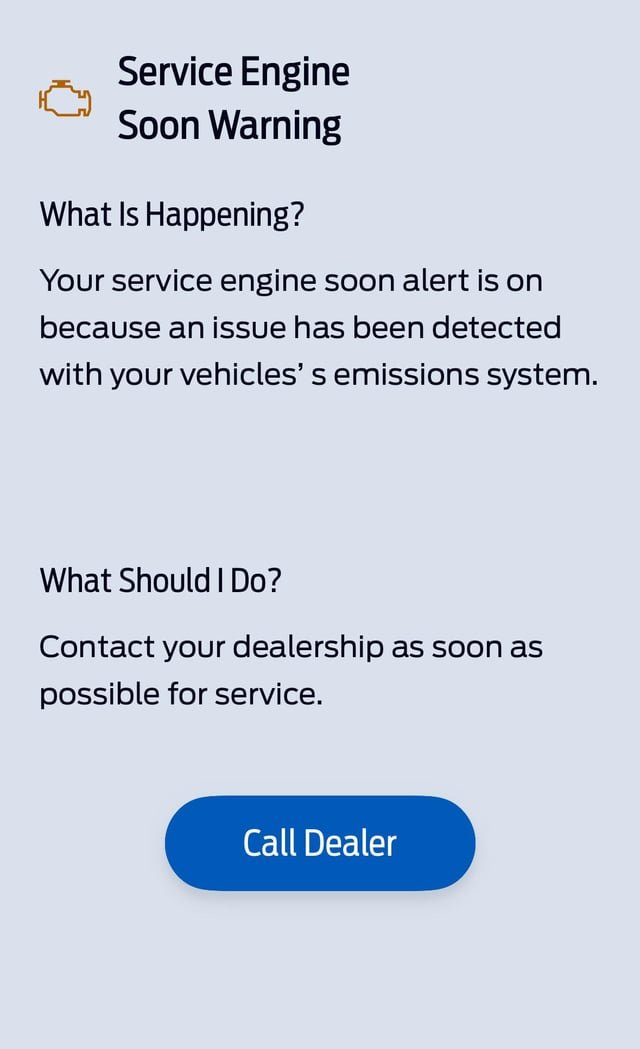
The check engine light is part of your car’s onboard diagnostics system (OBD-II). When something goes wrong with the engine, transmission, or emissions system, a sensor tells the car’s computer to trigger the light. Sometimes the issue is minor—like a loose gas cap. Other times, it’s serious—like a misfiring engine.
Even seasoned drivers miss two key points:
- The light does not tell you exactly what’s wrong; it only signals a problem.
- Ignoring the light can lead to bigger, more expensive repairs, even if the car seems fine.
Who Should Diagnose The Problem: Dealer Or Mechanic?
Let’s break down how each option handles diagnosis:
Dealers
Dealerships use factory-grade diagnostic tools made specifically for your car’s brand. Their technicians often have brand-specific training. If you drive a newer car or a vehicle under warranty, the dealer will use the latest software to read the codes and trace the problem.
Local Mechanics
Independent shops also have OBD-II scanners, but these tools may be generic. While many mechanics are highly skilled, they might not have access to brand-specific updates. Still, for common problems, a good mechanic can often find the issue quickly.
Example: If you drive a 2019 Honda and the check engine light comes on, a dealer will use the Honda HDS system, which gives detailed information. A local mechanic will use a general scanner, which may show a code like “P0171” (system too lean) but not explain why.
Cost Comparison: Dealer Vs Mechanic
One of the biggest concerns is cost. Here’s a side-by-side look at what you might pay.
| Service | Dealer | Mechanic |
|---|---|---|
| Diagnostic Fee | $100–$150 | $60–$100 (often waived with repair) |
| Basic Repair (e.g., oxygen sensor) | $200–$400 | $100–$250 |
| Major Repair (e.g., catalytic converter) | $1,000–$2,500 | $800–$2,000 |
Dealers usually charge more for both diagnosis and repair. Mechanics are often cheaper, and some will apply the diagnostic fee to your repair bill or waive it completely.
Warranty And Recall Issues
Warranties and recalls are two areas where dealerships have an edge. If your car is under the original warranty or there is an active recall, the dealer will fix the issue for free. Local mechanics cannot perform free recall or warranty repairs.
Non-obvious tip: Many drivers forget to check for recalls. You can search your car’s VIN on the manufacturer’s website for free repairs.
Quality Of Service And Parts
Dealer Advantages
Dealers use original equipment manufacturer (OEM) parts. Their technicians receive regular training from the carmaker. This can mean a higher chance of fixing complex or rare problems the first time, especially with new technology.
Mechanic Advantages
Many local shops use high-quality aftermarket parts that meet or exceed OEM standards. Some mechanics specialize in specific brands or systems, so don’t assume that only dealers have top experts. Ask about the mechanic’s experience with your model.
Example: For a 10-year-old Toyota, a trusted mechanic may offer a less expensive, equally reliable solution. For a new hybrid car, a dealer might have better tools for the job.
Speed And Convenience
Let’s compare how quickly you’ll get your car back:
| Factor | Dealer | Mechanic |
|---|---|---|
| Appointment Wait Time | 2–7 days | Same day–3 days |
| Repair Time | Slower for minor issues (busier schedule) | Often faster for routine jobs |
| Loaner Car Availability | Yes (often free) | Rarely |
Dealers are often busier and may require you to leave your car for days. Local mechanics often finish jobs faster, especially for common repairs. However, dealers may provide a loaner car if the repair takes a long time.
Credit: www.emichvw.com
Warranty On Repairs
Both dealers and mechanics offer repair warranties, but the terms can be different:
- Dealers: Usually offer a 1-year/12,000-mile warranty on parts and labor.
- Mechanics: Warranty varies—some offer 6 months, others match the dealer’s terms.
Always ask about the warranty before agreeing to a repair.
Technology And Advanced Cars
Modern cars have complex electronics, turbo engines, and advanced safety systems. Here’s where dealers often have an advantage. Their computers can communicate with all the car’s modules, from airbags to hybrid batteries.
But here’s something many drivers don’t know: some independent shops invest in dealer-level scan tools and training. Call ahead and ask if your mechanic can handle your specific car’s technology.
When To Choose A Dealer
There are some situations where it’s smart to go to the dealer:
- Your car is under warranty. All covered repairs should be free.
- There’s a recall. Only dealers can fix recall problems at no cost.
- Complex electronics or hybrid systems. Dealers have the latest tech tools.
- Brand-specific problems. If your car has a known issue, the dealer may have special fixes or “service bulletins.”
Example: If your 2021 Ford’s check engine light comes on and it’s still under the 3-year warranty, the dealer is your best option.
When To Choose A Local Mechanic
A trusted local mechanic is often the smart choice if:
- Your car is out of warranty. You’ll usually save money.
- The problem is simple. Such as a loose gas cap, spark plug, or oxygen sensor.
- You want faster service. Mechanics often have shorter wait times.
- You prefer a personal relationship. A good mechanic will know your car’s history.
Non-obvious insight: Some mechanics partner with dealers for tough cases. If your mechanic is stumped, they might consult with the dealer’s techs—without you paying two diagnostic fees.
Common Mistakes When Dealing With The Check Engine Light
Many drivers waste money or time by making these mistakes:
- Ignoring the light. Small problems can become big ones. Always check it soon.
- Trying to fix it yourself without the right tools. Guessing can make things worse.
- Not asking for a written estimate. Always get the price in writing.
- Assuming the dealer is always best. For older cars, mechanics are often just as good or better.
- Skipping research. Read reviews and ask for recommendations for both dealers and mechanics.
Real-world Case Study
Consider two drivers with a 2017 Chevrolet Malibu. Both see the check engine light.
- Driver A goes to the dealer, pays $130 for a scan. Diagnosis: Faulty thermostat. Dealer quote: $370.
- Driver B visits a trusted local mechanic. Scan is free with repair. Quote: $220 for the same job, using high-quality aftermarket parts. Both get a 1-year warranty. Both repairs are equally successful.
This example shows that for common repairs, local mechanics can save you money without sacrificing quality.
Credit: www.crossroadsfordapex.com
Comparing Customer Experience
Here’s how the overall experience often compares:
| Aspect | Dealer | Mechanic |
|---|---|---|
| Waiting Area | Comfortable, free coffee, Wi-Fi | Basic, varies by shop |
| Personal Attention | Standard, less personal | More personal, know your name |
| Upselling | May push extra services | Less pressure, but varies |
Dealers usually offer more amenities, but you might get more personal care from a local shop.
How To Choose The Right Option For You
Before you decide, consider these steps:
- Check your warranty status. Look in your glove box or call the dealer.
- Search for recalls. Use your VIN on the carmaker’s website.
- Read reviews. Ask friends or check Google reviews for both dealers and mechanics.
- Call ahead. Ask about diagnostic fees, experience with your car, and wait times.
- Get a written estimate. Never agree to repairs without seeing the price in writing.
Credit: www.reddit.com
Final Thoughts
Both dealers and local mechanics can solve your check engine light problem. The best choice depends on your car’s age, warranty, the problem’s complexity, and your budget. For new cars and advanced systems, the dealer is often the safest bet. For out-of-warranty cars or common repairs, a skilled local mechanic can be faster and less expensive. The key is to act quickly, get clear estimates, and choose someone you trust. No matter where you go, don’t ignore that light—a small fix today can save you a big repair tomorrow.
For more details on car diagnostics, you can visit the National Highway Traffic Safety Administration.
Frequently Asked Questions
What Is The Check Engine Light And Why Does It Come On?
The check engine light is a warning from your car’s computer. It turns on when something is wrong with the engine, emissions, or transmission. It can mean a simple problem like a loose gas cap or a bigger issue like a failing part.
Is It Safe To Keep Driving When The Check Engine Light Is On?
If the light is steady and the car runs normally, you can drive short distances but should check it soon. If the light is blinking or the car runs badly, stop driving and get help. A blinking light can mean a serious problem.
Are Dealer Repairs Always Better Than Mechanic Repairs?
Not always. Dealers have brand-specific tools and training, which helps with new or complex cars. But many mechanics are just as skilled and use quality parts. For common repairs, mechanics often cost less and finish faster.
How Much Does It Cost To Check The Engine Light At A Dealer Vs Mechanic?
Dealers usually charge $100–$150 for diagnosis. Mechanics often charge $60–$100, and sometimes they waive the fee if you get the repair done with them.
Can A Mechanic Fix A Recall Or Warranty Problem?
No, only dealers can fix recalls or warranty repairs for free. Mechanics can fix the same problem, but you will have to pay for it. Always check for recalls before paying for repairs.