
If you drive a Hyundai Elantra, you may have seen the check engine light come on at some point. This little light can make any driver worry. Is it a simple fix, or will it cost a lot? Does it mean you need to stop driving now? Understanding what the check engine light means, why it comes on, and what to do next can save you stress and money. This article explains the check engine light for Hyundai Elantra drivers in simple, clear English, with tips to help you stay safe and avoid common mistakes.
What Is The Check Engine Light?
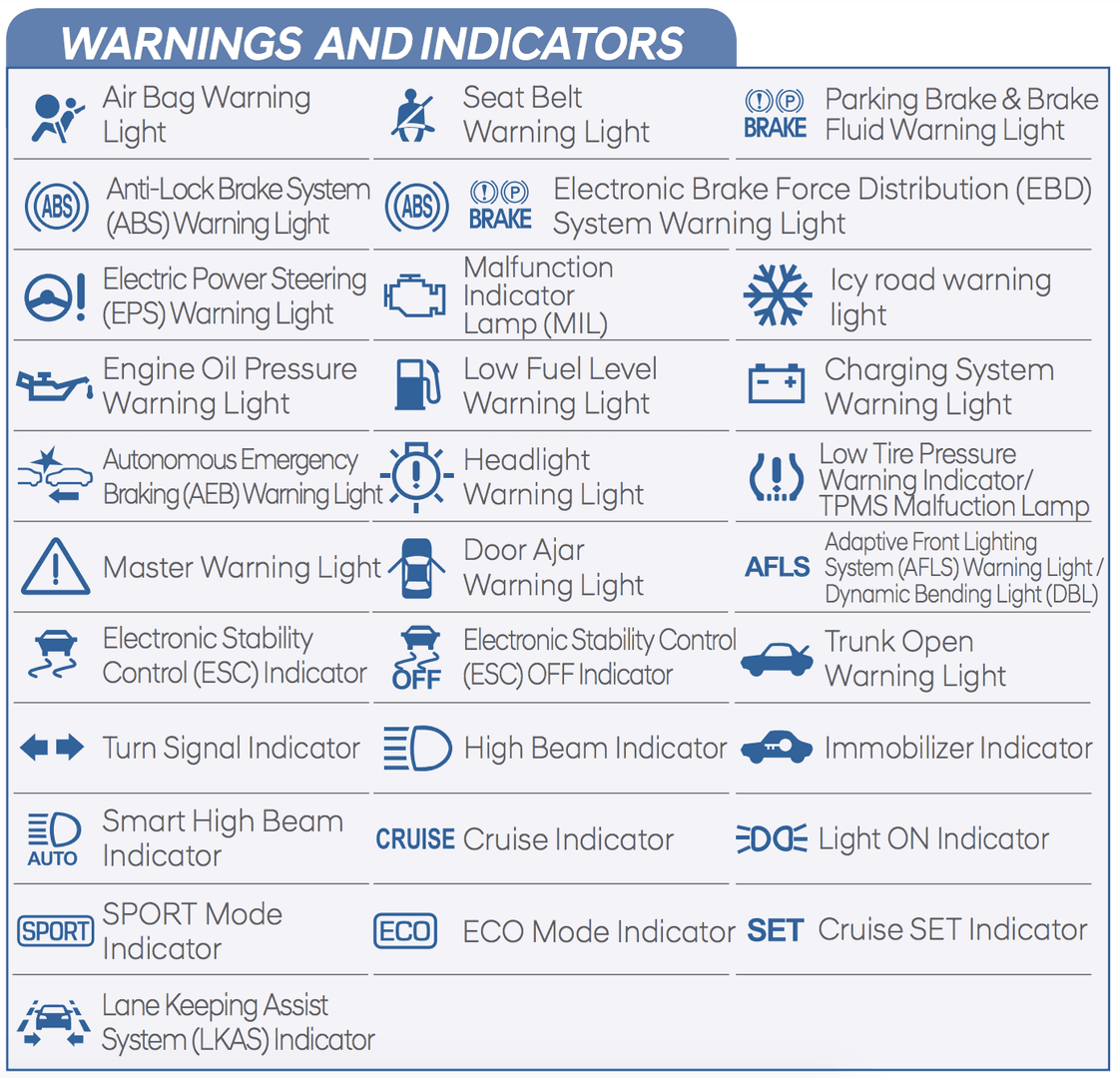
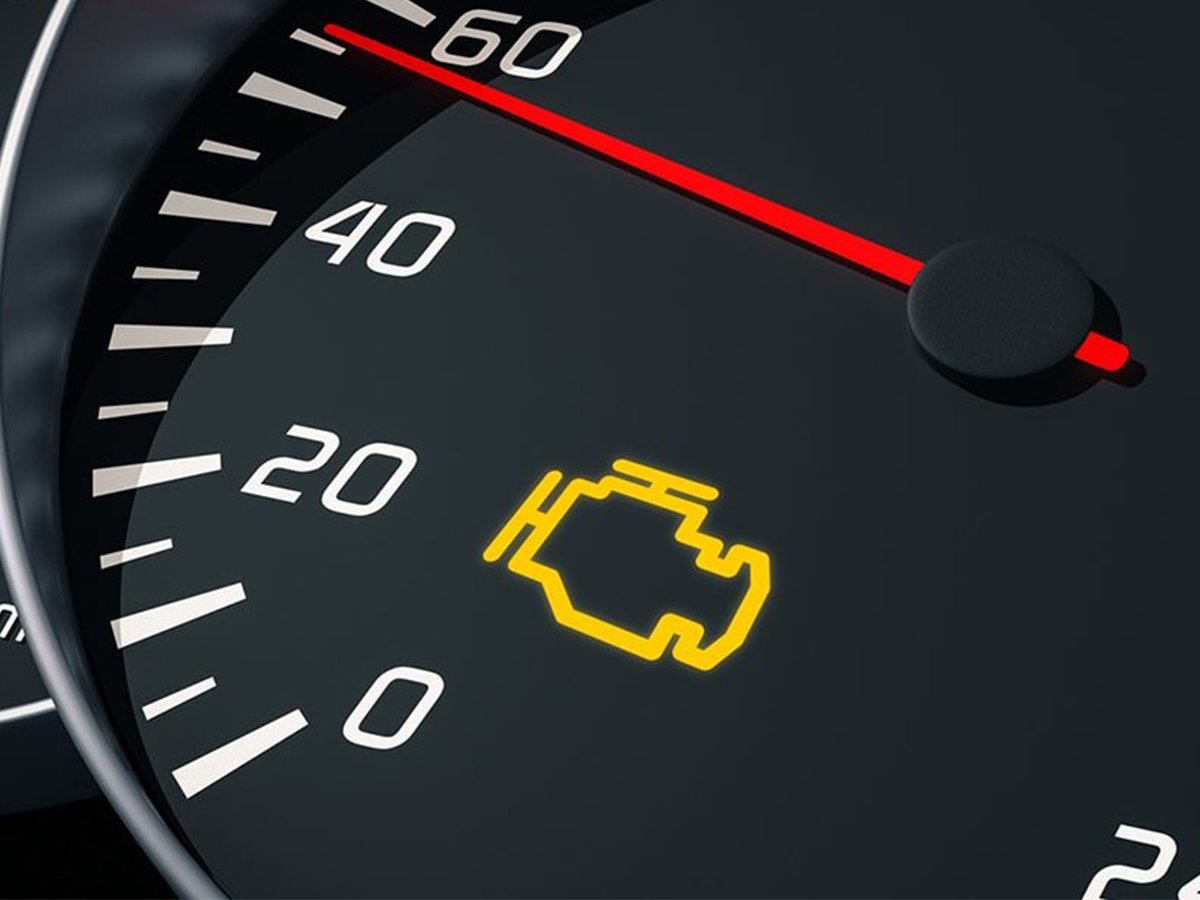
The check engine light is part of your car’s onboard diagnostic system. When your Elantra’s computer finds a problem with the engine, emission system, or other important parts, it turns this light on. You will see it on your dashboard, often as a small engine-shaped symbol, sometimes with the words “Check Engine” or “Service Engine Soon.”
The light can come on for many reasons. Some are simple, like a loose gas cap. Others are more serious, like engine or transmission problems. The light does not give details about the problem, but it’s your car’s way of telling you to check for issues.
Common Reasons The Check Engine Light Comes On
For the Hyundai Elantra, some problems happen more often than others. Here are the main reasons this warning appears:
- Loose or Faulty Gas Cap: If the gas cap is not tight, fuel vapors can leak and cause the light to come on. This is a simple fix, but many people forget to check it.
- Oxygen Sensor Failure: The oxygen sensor checks how much oxygen is in your exhaust. If it fails, your car will not run as smoothly and may use more fuel.
- Catalytic Converter Issues: The catalytic converter helps clean the car’s exhaust. If it is failing, you may see the check engine light and notice less power or worse fuel economy.
- Mass Air Flow Sensor Problems: This sensor measures air entering the engine. If it breaks, your car might run rough or stall.
- Spark Plug or Ignition Coil Failure: Spark plugs and ignition coils help your car start and run. When they fail, you may notice shaking, poor performance, or trouble starting.
- Evaporative Emission Control System Leaks (EVAP): This system keeps fuel vapors from escaping into the air. Leaks can trigger the light, even if you do not feel any difference while driving.
- Faulty Engine Thermostat: If the thermostat sticks, the engine may overheat or not warm up properly, causing a warning.
- Worn Out Battery or Charging Problems: Sometimes, electrical issues or a weak battery can turn on the check engine light.
If you want a quick look at how these problems compare in frequency, see the table below:
| Problem Type | Frequency (in Elantras) | Typical Repair Cost (USD) |
|---|---|---|
| Loose/Faulty Gas Cap | Very common | $0 – $25 |
| Oxygen Sensor | Common | $150 – $400 |
| Catalytic Converter | Less common | $900 – $2,500 |
| Mass Air Flow Sensor | Average | $250 – $500 |
| Spark Plug/Ignition Coil | Common | $100 – $350 |
| EVAP System Leak | Average | $100 – $600 |
| Engine Thermostat | Less common | $200 – $400 |
| Battery/Electrical | Average | $80 – $300 |
Credit: www.morries394hyundai.com
What To Do When The Check Engine Light Comes On
When this light appears, don’t panic. Follow these steps to find out what to do next:
1. Check If The Light Is Flashing Or Steady
- Steady light: Usually means a minor issue. You can drive the car, but check it soon.
- Flashing light: This is serious! It means your engine is misfiring. Stop driving and get help right away.
2. Check The Gas Cap
This is the most common cause. Make sure the gas cap is tight and not cracked. After fixing it, the light may take a few drives to turn off.
3. Listen And Feel For Changes
Notice if the car feels different. Is it shaking, losing power, or making new noises? These signs mean you should see a mechanic soon.
4. Use An Obd-ii Scanner
An OBD-II scanner plugs into your car’s port and reads the error codes. Many auto parts stores offer a free scan. You can also buy a simple one for about $30-$50.
5. Decide If You Need A Mechanic
- If the car drives normally and the light is steady, you can drive to a shop.
- If you hear strange sounds, lose power, or the light is flashing, get help immediately.
6. Do Not Ignore The Light
Even if the car feels fine, ignoring the check engine light can cause bigger problems later. Small issues can become expensive repairs if left too long.
How Mechanics Diagnose The Check Engine Light
A professional will:
- Plug in an OBD-II scanner to read codes.
- Use the code to find the problem area.
- Test parts as needed (like the oxygen sensor, spark plugs, or battery).
- Suggest a repair or replacement.
Not all codes tell the exact part that failed. Sometimes, a code means something is wrong in a system, and the mechanic must check several parts.
Example: Code P0420
Many Hyundai Elantras show code P0420, which means “catalyst system efficiency below threshold.” It often points to the catalytic converter, but can also be caused by a bad oxygen sensor. An experienced mechanic checks both before replacing expensive parts.
Common Myths About The Check Engine Light
Many drivers believe things that are not true about this warning. Here are some common myths:
- “If the car drives fine, I can ignore it.” Even minor problems can hurt fuel economy or damage the engine over time.
- “I can use black tape to cover the light.” This only hides the warning, not the problem.
- “Resetting the light fixes the issue.” Clearing the code only turns the light off. If the cause is not fixed, it will come back.
It’s smart to learn about your car’s warning systems instead of guessing.
Cost To Fix Check Engine Light Problems In Hyundai Elantra
The price depends on the problem. Sometimes, it’s as simple as tightening the gas cap, which is free. Other times, it can cost hundreds or even thousands of dollars.
Here’s a look at typical costs:
| Repair | Parts Cost | Labor Cost | Total Range |
|---|---|---|---|
| Gas Cap Replacement | $10 – $25 | $0 – $20 | $10 – $45 |
| Oxygen Sensor | $50 – $200 | $100 – $200 | $150 – $400 |
| Catalytic Converter | $600 – $2,000 | $300 – $500 | $900 – $2,500 |
| Spark Plugs/Coils | $40 – $100 | $60 – $250 | $100 – $350 |
| MAF Sensor | $80 – $200 | $100 – $300 | $180 – $500 |
Sometimes, extra tests or parts are needed, which adds to the cost. Getting a second opinion or quote can help you avoid overpaying.
Can You Fix The Check Engine Light Yourself?
For simple problems, yes. If the gas cap is loose or you need to change spark plugs, many people can do this at home. YouTube and car forums have guides for Hyundai Elantra repairs.
But if you are unsure, or the repair involves the engine, sensors, or emissions, it’s safer to visit a mechanic. Modern cars are complex, and mistakes can cause bigger problems.
Insider tip: Sometimes the light turns on after getting gas, especially if the cap was not tightened right away. Always check this first before spending money on repairs. According to the U.S. Environmental Protection Agency, vehicle emissions standards and onboard diagnostic systems are designed to identify problems that can increase pollution.
What Happens If You Ignore The Check Engine Light?
Ignoring this warning can lead to:
- Lower fuel economy: The car uses more gas.
- More pollution: Your car releases more harmful gases.
- Serious engine damage: Small problems can destroy expensive parts over time.
- Failed emission tests: Many places require your car to pass for registration.
A flashing light means the problem is urgent. Driving with a misfire can damage the catalytic converter, which is one of the most expensive parts to replace.

Credit: www.ontariohyundai.com
Preventing Check Engine Light Problems
You cannot stop all problems, but you can reduce your risk:
- Regular maintenance: Change oil, filters, and spark plugs on time.
- Use the right fuel: Use the gasoline your owner’s manual suggests.
- Don’t ignore small issues: Fix small problems before they grow.
- Listen for new noises: Strange sounds can warn you before the light comes on.
- Keep the gas cap tight: Always check after filling up.
Many check engine light issues in the Hyundai Elantra happen because of skipped maintenance or not fixing small problems early.
Special Advice For Hyundai Elantra Owners
Elantras are reliable cars, but every model has its weak spots. Some Elantras (especially 2011–2016 models) are known for oxygen sensor or catalytic converter issues. Keeping up with recalls and technical service bulletins from Hyundai can save you from bigger problems.
Non-obvious insight: Many Elantra owners find that after a battery change or jump-start, the check engine light appears. This can be caused by a loose battery connection. Double-check your battery terminals if this happens.
Another common missed detail: If you live in a cold climate, sometimes moisture can cause temporary sensor errors, especially during winter. If the light comes on after a cold start but goes away as the car warms up, mention this to your mechanic.
The Role Of Technology And Apps
Today, you do not have to guess why your check engine light is on. Many apps connect with cheap Bluetooth OBD-II scanners, giving you the codes and even possible causes. For example, apps like Torque or Car Scanner can help you see what the mechanic sees.
This makes it easier to talk with a repair shop and avoid unnecessary repairs.
If you want to learn more about OBD-II scanners and codes, you can visit the Wikipedia page on On-board diagnostics.
Frequently Asked Questions
Why Does My Hyundai Elantra’s Check Engine Light Keep Coming On After I Fix It?
Sometimes, the car’s computer needs a few drives (called “drive cycles”) to reset the light. If it stays on for more than a few days, or comes back after turning off, you may have another problem or the original issue was not fully fixed.
Is It Safe To Drive My Elantra With The Check Engine Light On?
If the light is steady and the car drives normally, it is usually safe for short trips. If the light is flashing, or the car feels bad (shaking, power loss), stop driving and get help right away.
How Do I Turn Off The Check Engine Light In My Hyundai Elantra?
Fix the cause first. After repairs, the light should turn off by itself in a few days. You can also use an OBD-II scanner to clear the code, but if the problem is not fixed, the light will return.
Can Low Fuel Cause The Check Engine Light To Come On?
It is rare, but sometimes running very low on fuel can trigger a sensor or cause misfires, especially if you drive on empty often. It’s best to keep at least a quarter tank.
What Is The Most Expensive Check Engine Light Problem In The Hyundai Elantra?
The catalytic converter is usually the most expensive, with replacement costs often between $900 and $2,500. Always check if a sensor or simple issue is the real cause before replacing this part.
If you pay attention to your Elantra’s check engine light and fix small problems early, your car will run longer and cost less to maintain. With a little knowledge and the right tools, you can handle most warnings calmly and confidently.
Credit: www.suntruphyundaisouth.com