
The moment your car’s check engine light turns on, it’s normal to feel a little worried. This small warning can mean many things, but one of the most common causes is a problem with the ignition coil. If you’ve ever wondered how these two are connected, or what to do when this happens, you’re not alone. Let’s explore how the check engine light and ignition coil work together, what signs to look for, and what actions you should take to keep your car running smoothly.
What Does The Check Engine Light Mean?
The check engine light is part of your car’s onboard diagnostic system. When it comes on, it means the computer has noticed something is wrong with the engine or related parts. Sometimes, it’s a small issue. Other times, it’s a sign of a bigger problem that needs attention quickly.
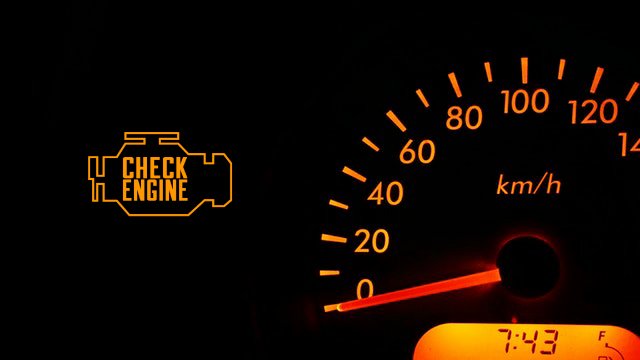
The light can show up in two ways:
- Steady: The problem is not urgent but should be checked soon.
- Flashing: There is a serious issue, often related to misfiring, which can damage the engine or catalytic converter.
Ignoring the check engine light can lead to expensive repairs later. That’s why it’s important to find out the cause as soon as possible.
What Is An Ignition Coil?
An ignition coil is a small but powerful part of the engine. Its main job is to turn the battery’s low voltage into the high voltage needed to create a spark in the spark plugs. This spark starts the combustion process that makes your car’s engine run.
Most modern cars have one ignition coil for each cylinder, but some older cars use one coil for all the cylinders. When an ignition coil fails, the spark plug it controls might not fire correctly. This can cause rough engine running, poor fuel economy, and—most importantly—the check engine light to turn on.
How The Ignition Coil Triggers The Check Engine Light
The car’s computer (often called the ECU or PCM) constantly checks the ignition system. If it notices that one coil isn’t working right, it stores a trouble code and turns on the check engine light.
Common codes related to ignition coils include:
- P0300: Random/multiple cylinder misfire detected
- P0301–P0312: Cylinder-specific misfire (e.g., P0302 means misfire in cylinder 2)
- P0350–P0362: Ignition coil circuit issues
These codes can be read using an OBD-II scanner. Mechanics use these codes to find out if the ignition coil is the root cause.
Signs Of A Bad Ignition Coil
Besides the check engine light, a bad ignition coil can cause other symptoms. Watch for these warning signs:
- Rough idle — The engine may shake or vibrate when stopped.
- Loss of power — The car feels weak, especially when accelerating.
- Hard starting — The engine takes longer to start or fails to start.
- Poor fuel economy — You notice you’re using more gas than usual.
- Engine misfire — The engine skips or jerks, especially at higher speeds.
- Backfiring — You hear loud pops from the exhaust.
- Strong fuel smell — Unburnt fuel may come from the tailpipe.
Not all these symptoms will show up at the same time. Sometimes, you’ll only notice the check engine light first.
Credit: www.reddit.com
Why Do Ignition Coils Fail?
Ignition coils are built to last, but they’re not perfect. Some common reasons for ignition coil failure include:
- Heat and vibration: Over time, constant heat and movement can break down the coil’s wires and insulators.
- Worn spark plugs: If spark plugs are old, the coil works harder, which can cause it to fail sooner.
- Oil or water leaks: If oil or water gets into the coil area, it can cause short circuits.
- Electrical problems: Faulty wiring or poor connections can also damage the coil.
One insight many miss: replacing only the coil without checking the spark plugs or leaks often leads to repeat failures.
Diagnosing Ignition Coil Problems
If your check engine light comes on and you suspect the ignition coil, here’s how diagnosis usually works:
Step 1: Scan For Codes
A mechanic uses an OBD-II scanner to read trouble codes. This points to the affected cylinder or coil.
Step 2: Visual Inspection
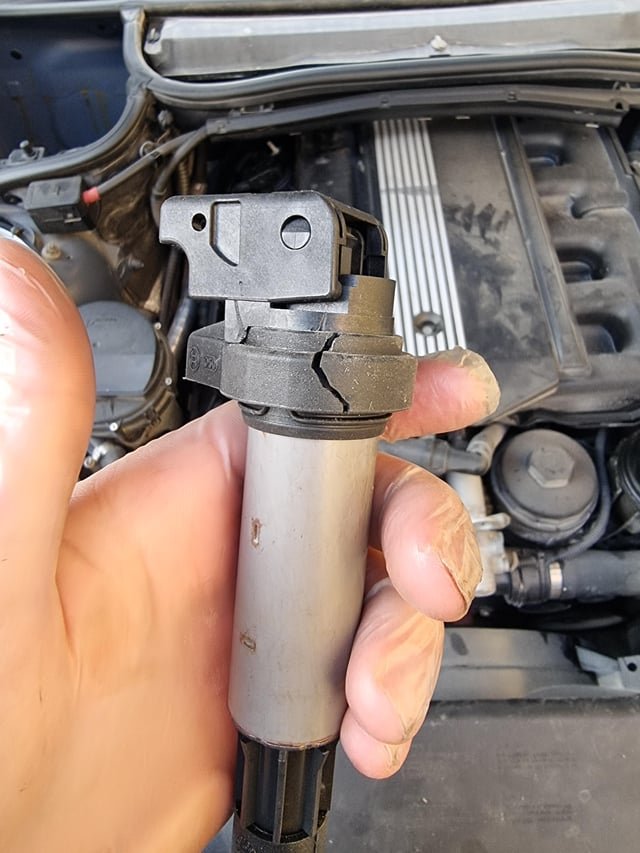
Look for obvious damage, such as cracks, burns, or oil on the coil.
Step 3: Swap Test
Mechanics sometimes swap the suspected coil with another one. If the code moves to the new cylinder, the coil is bad.
Step 4: Test With A Multimeter
A multimeter can check the coil’s electrical resistance to see if it matches the manufacturer’s specs.
Step 5: Check Related Parts
Inspect spark plugs, wiring, and connectors. A coil might fail because of another problem, not on its own.
Credit: www.gellersautomotive.com
What To Do If The Check Engine Light Is On For The Ignition Coil
If you see the check engine light and suspect the ignition coil:
- Don’t panic. If the light is steady and the car runs okay, drive carefully to a mechanic.
- If the light is flashing or the car runs very rough, stop driving. Continuing can cause expensive damage.
- Get a scan. Many auto parts stores offer free code scans.
- Fix the root problem. Replacing only the coil might not solve the issue if spark plugs or wiring are also bad.
- Reset the light. After repair, the code should be cleared. If the problem is fixed, the light will stay off.
Repair Or Replace? Your Options Explained
When a coil fails, you have choices:
- Replace only the bad coil: This is cheaper but sometimes other coils are close to failure.
- Replace all coils: More expensive upfront but can prevent future breakdowns, especially on high-mileage cars.
- Replace spark plugs and coils together: Often recommended, since old plugs can damage new coils.
Here’s a comparison of the options:
| Option | Cost | Best For | Drawback |
|---|---|---|---|
| Single coil replacement | Low | Newer cars, low mileage | Other coils may fail soon |
| All coils replacement | High | High-mileage cars, fleet vehicles | More expensive upfront |
| Coils + spark plugs | Medium | When plugs are old | Higher parts/labor cost |
Diy Or Mechanic: Which Is Best?
Changing an ignition coil is not very hard on most cars, but some engines make it tricky to reach the coils.
When Diy Makes Sense
- You have basic tools and mechanical skills.
- Your car’s engine bay is easy to access.
- You’ve identified the correct coil.
When To See A Mechanic
- The coil is hard to reach (under the intake manifold, for example).
- You’re not comfortable working on cars.
- You suspect more than just the coil is bad.
Mistakes can be costly—incorrect installation can damage new coils or the car’s computer.
Real-world Example: Toyota Camry
Let’s say your Toyota Camry (2012 model) starts to shake and the check engine light comes on. A free scan at the auto parts store shows code P0303—misfire in cylinder 3. According to the U.S. Environmental Protection Agency, vehicle emissions standards and onboard diagnostic systems are designed to identify problems that can increase pollution.
- The coil for cylinder 3 is easy to reach.
- Swapping it with cylinder 1 moves the code to cylinder 1—confirming the coil is the problem.
- Replacing the coil and spark plug fixes the problem. The light goes off after a few drives.
This process is similar for many modern cars, though some have more complex setups.
Credit: ervines.com
How To Prevent Ignition Coil Problems
Prevention is always better than repair. Here are practical tips:
- Change spark plugs on schedule. Old plugs stress coils.
- Fix oil or water leaks promptly. Keep the coil area dry.
- Use quality parts. Cheap coils often fail sooner.
- Avoid engine washes. Water and coils don’t mix well.
- Inspect wiring. Look for worn or damaged wires near the coils.
Many owners overlook leaks around the valve cover gasket, which can drip oil onto coils and cause repeat failures.
Cost Of Ignition Coil Repairs
Prices vary by car and location. Here’s a rough guide:
| Repair Type | Parts Cost (USD) | Labor Cost (USD) | Total (USD) |
|---|---|---|---|
| Single coil replacement | $50–$120 | $50–$100 | $100–$220 |
| All coils (4 cylinders) | $200–$500 | $100–$200 | $300–$700 |
| Spark plugs + coils | $250–$700 | $150–$300 | $400–$1,000 |
Luxury or turbocharged cars often cost more. Always get an estimate before agreeing to repairs.
Ignition Coil And Engine Performance
A healthy ignition coil is key for good engine performance. When coils fail, you’ll notice:
- Lower power
- Slower acceleration
- Higher emissions
- Possible engine damage if ignored
Modern cars adjust fuel and spark to protect the engine, but long-term driving with a bad coil is risky.
The Role Of Ignition Coil In Emissions
Few drivers know that a bad coil can make your car pollute more. Unburnt fuel from misfires can harm the catalytic converter and cause your car to fail emissions tests. Fixing coils promptly is not just good for your wallet—it’s good for the environment.
Can You Drive With The Check Engine Light On?
If the check engine light is steady and the car drives normally, it’s usually safe to drive short distances until you can get it checked. But if the light is flashing, or you notice rough running, stop and get help.
Driving with a bad ignition coil can quickly turn a small repair into a big problem.
When To Seek Professional Help
Don’t ignore the warning signs. If you notice the check engine light with any of these symptoms, see a mechanic:
- Engine shakes or stalls
- The light is flashing
- Strong fuel smell
- Loud popping noises
The sooner you act, the less likely you’ll face expensive repairs.
Final Thoughts
The check engine light and ignition coil are closely connected in today’s cars. Understanding this connection can save you time, money, and stress. By watching for symptoms, acting early, and maintaining your ignition system, you can keep your car running well for years. If in doubt, get professional help—modern engines are complex, and a simple warning light can prevent serious damage if handled correctly.
For more technical information, visit the Wikipedia page on ignition coils.
Frequently Asked Questions
What Happens If I Ignore A Bad Ignition Coil?
Ignoring a bad ignition coil can lead to engine misfires, poor performance, and damage to the catalytic converter. Over time, repair costs can grow much higher.
Can I Replace Just One Ignition Coil, Or Do I Need To Change Them All?
You can replace just one coil if the others are in good shape. But if your car is older or has high mileage, changing all at once can prevent future problems.
How Long Do Ignition Coils Usually Last?
Most ignition coils last 100,000–120,000 miles, but heat, vibration, and other engine issues can cause earlier failure.
Will A Bad Ignition Coil Always Turn On The Check Engine Light?
Usually, yes. The car’s computer is good at detecting misfires and coil issues, but sometimes a coil can be weak without triggering the light right away.
Is It Safe To Drive With A Check Engine Light Caused By The Ignition Coil?
If the light is steady and the car runs okay, you can drive short distances. If it’s flashing or the car runs rough, stop driving and get it checked quickly.