
If you drive a Nissan Altima, you may have seen the check engine light turn on at some point. This little light on your dashboard can cause stress and confusion, especially if you’re not sure what it means or how serious the problem is. Many drivers ignore it, hoping it will turn off on its own, while others worry about expensive repairs. Understanding the check engine light is important. It helps you keep your car running smoothly and can even save you money by catching problems early. This guide will explain what the check engine light means for a Nissan Altima, why it comes on, and what you should do when you see it.
What Does The Check Engine Light Mean?
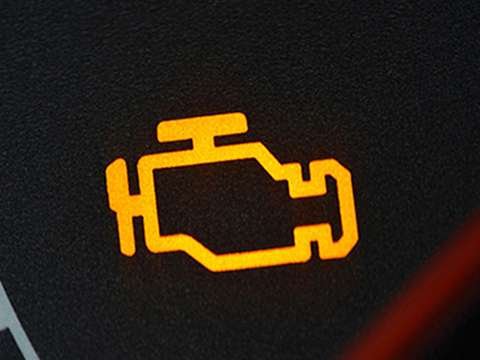
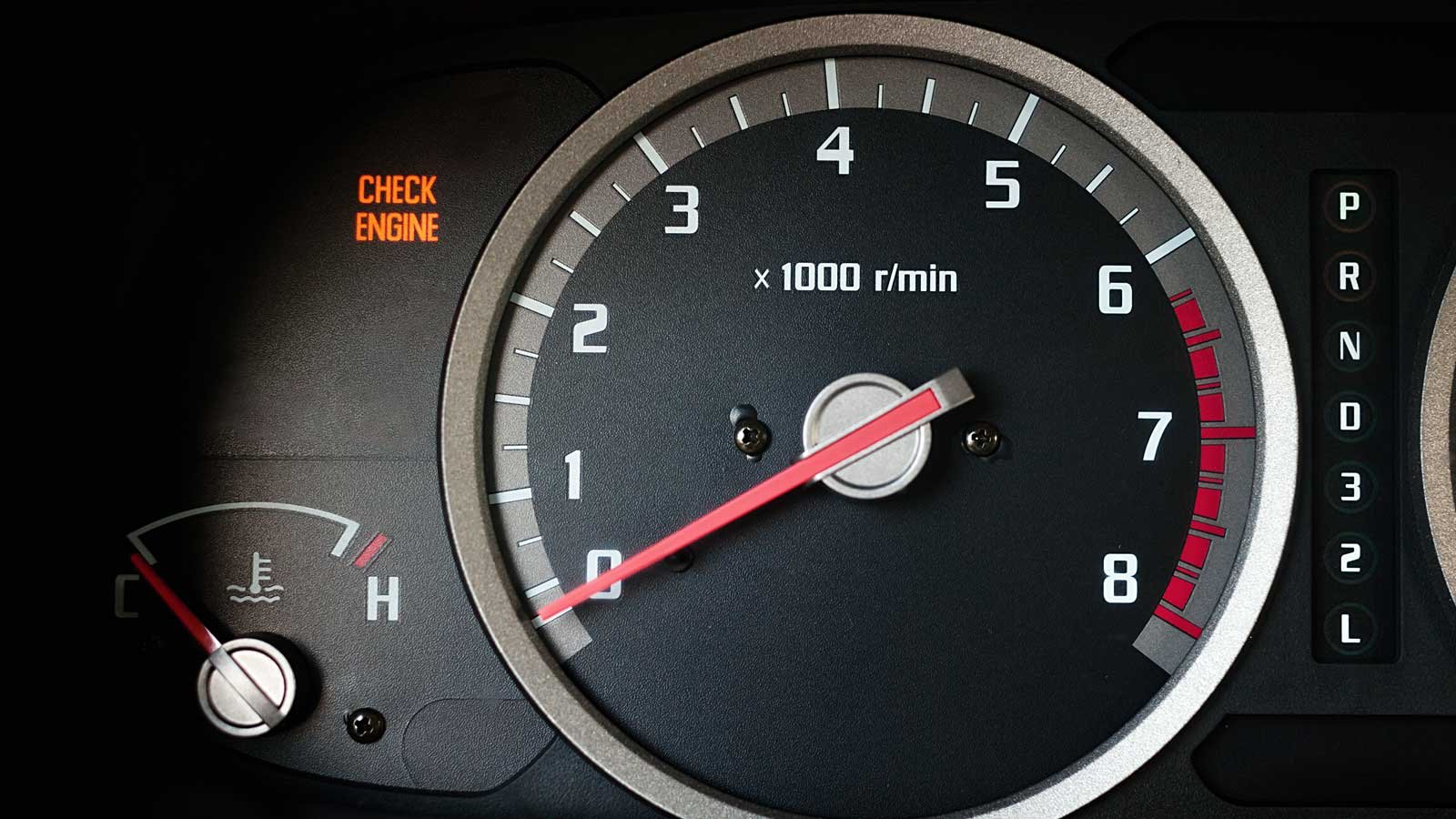
The check engine light is part of the car’s onboard diagnostic system (OBD-II). When this light turns on, it means the car’s computer has found a problem with the engine or emissions system. The issue might be minor, like a loose gas cap, or something more serious, such as engine misfires or faulty sensors.
Some drivers confuse the check engine light with other warning lights. Unlike the oil or battery light, the check engine light covers a wide range of possible problems. It’s your car’s way of telling you, “Something isn’t right. Please check me.
”
Common Reasons The Check Engine Light Comes On In A Nissan Altima
Not every check engine light means a major repair. Here are the most common causes for this light in a Nissan Altima:
- Loose or Faulty Gas Cap
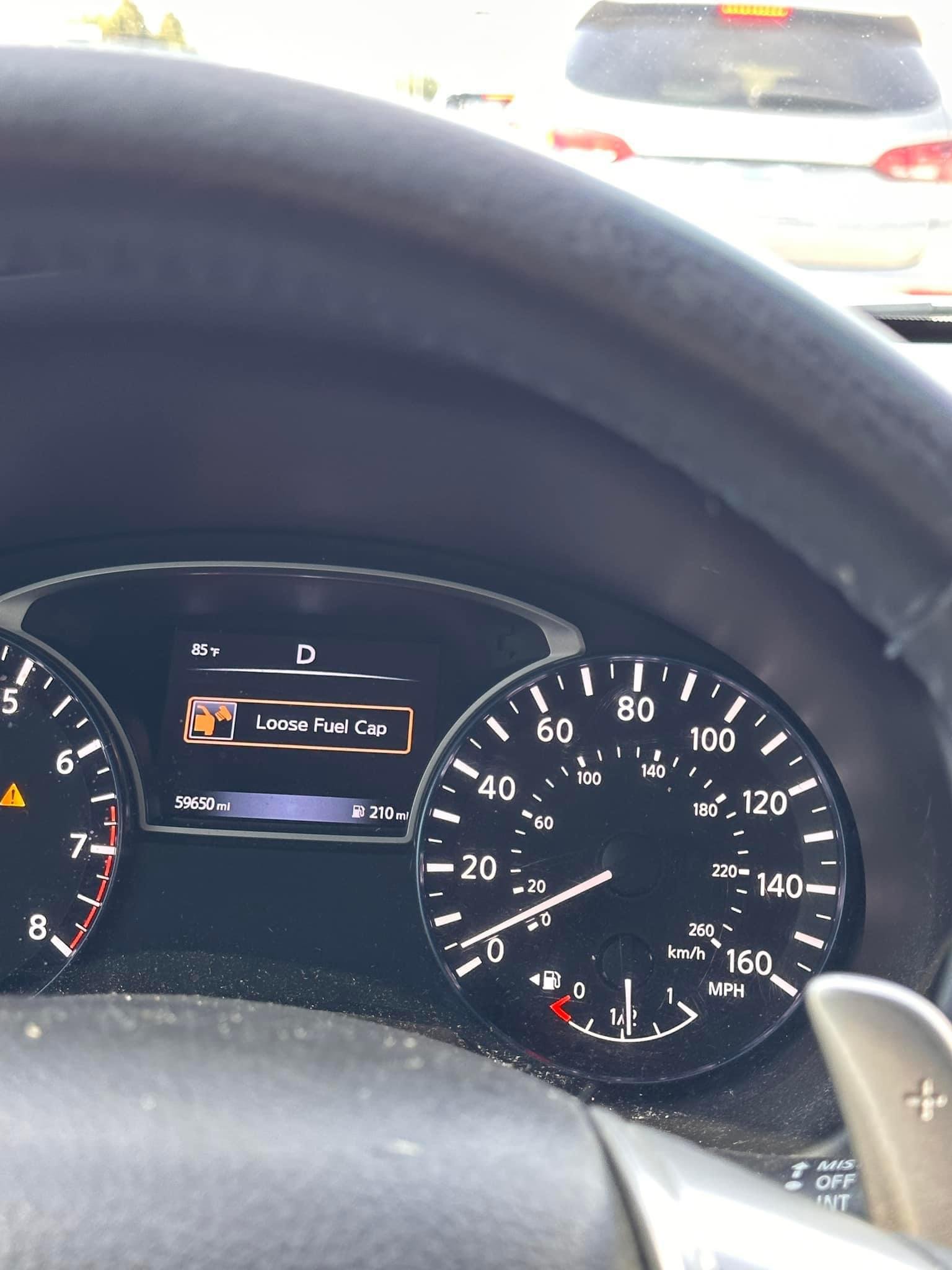
- If your gas cap isn’t tight or is damaged, fuel vapors can escape. The car’s system senses this and turns on the light. This is a simple fix, but many drivers overlook it.
- Oxygen Sensor Failure
- The oxygen sensor measures how much oxygen is in your exhaust. If it fails, the engine may run less efficiently and use more fuel.
- Catalytic Converter Problems
- This part helps reduce pollution. If it’s not working, your car could fail emissions tests and use more gas.
- Faulty Spark Plugs or Wires
- Spark plugs ignite the fuel in your engine. If they don’t work, the engine might misfire or run rough.
- Mass Airflow Sensor Issues
- This sensor helps control how much air enters the engine. Problems can cause poor performance and lower gas mileage.
- EGR Valve Failure
- The EGR (Exhaust Gas Recirculation) valve helps control emissions. If it sticks or fails, it can trigger the check engine light.
- Ignition Coil Problems
- The ignition coil sends power to the spark plugs. A bad coil can make your engine run poorly or not start at all.
- Vacuum Leaks
- Air leaks in the engine can cause many problems, including rough idling and higher emissions.
- Transmission Issues
- Sometimes, a problem with the transmission, like slipping gears, can trigger the light.
- Faulty Thermostat
- A broken thermostat can make your engine run too hot or too cold.
How Serious Is The Check Engine Light?
The seriousness of the check engine light depends on how it behaves:
- Solid Light: Usually means a less urgent problem, but you should check it soon.
- Flashing Light: This is more serious. It often means the engine is misfiring, which can damage the catalytic converter. Stop driving and get help right away.
Ignoring the light can make small problems become big ones. It’s always best to find out what’s wrong as soon as possible.
Steps To Take When The Check Engine Light Comes On
If you see the check engine light in your Nissan Altima, follow these steps:
- Check the Gas Cap
- Make sure it’s tight and not broken. If it was loose, tighten it and drive for a few trips. The light may go off on its own.
- Watch for Other Signs
- Is the engine running rough, making strange noises, or losing power? If yes, it may be more serious.
- Reduce Speed and Load
- If the light is flashing, drive slowly and avoid hard acceleration. Pull over safely if you can.
- Scan for Trouble Codes
- Use an OBD-II scanner to read the trouble code. Many auto parts stores offer this service for free.
- Get Professional Help
- If you’re not sure about the problem, visit a trusted mechanic or Nissan dealer.
Diagnosing The Check Engine Light In Your Nissan Altima
Modern cars store diagnostic trouble codes (DTCs) when something goes wrong. These codes help you or a technician find the problem. You can use a code reader to check for these codes.
Here’s how to do it:
- Plug the OBD-II scanner into the port under the dashboard (usually below the steering wheel).
- Turn the ignition to the “ON” position, but don’t start the engine.
- Follow the scanner’s instructions to read the codes.
- Write down the codes and look up their meaning online or in the scanner’s manual.
Some common codes for Nissan Altima include:
| Code | Problem | Possible Cause |
|---|---|---|
| P0420 | Catalyst System Efficiency Below Threshold | Bad catalytic converter, oxygen sensor failure |
| P0171 | System Too Lean (Bank 1) | Vacuum leak, mass airflow sensor problem |
| P0300 | Random/Multiple Cylinder Misfire | Bad spark plugs, ignition coil, fuel injector issue |
| P0455 | Evaporative Emission System Leak Detected | Loose or faulty gas cap, cracked hoses |
| P0113 | Intake Air Temperature Sensor Circuit High Input | Bad sensor, wiring issue |
Can You Keep Driving With The Check Engine Light On?
Sometimes you can drive safely for a short time if the light is not flashing and the car feels normal. But it’s important to check the problem soon. If you notice:
- Loss of power
- Strange smells (like rotten eggs)
- Smoke from the exhaust
- Engine overheating
Stop driving and get your car checked right away.
How To Reset The Check Engine Light
Once the problem is fixed, the check engine light may turn off after a few trips. If it doesn’t, you can reset it:
- Use an OBD-II scanner to clear the codes.
- Disconnect the car battery for a few minutes (this may reset other systems).
- If the problem is still there, the light will come back on.
Remember, resetting the light without fixing the issue will not solve the real problem.
Cost To Fix Check Engine Light Issues On Nissan Altima
Repair costs depend on what’s wrong. Here are some typical price ranges for common fixes:
| Problem | Average Cost (USD) | Notes |
|---|---|---|
| Loose/Faulty Gas Cap | $20 – $50 | Easy to replace yourself |
| Oxygen Sensor | $150 – $350 | Parts and labor included |
| Spark Plugs | $100 – $250 | Varies by engine type |
| Catalytic Converter | $900 – $2,500 | Expensive part, labor costs high |
| Mass Airflow Sensor | $200 – $400 | Can sometimes be cleaned |
These are just estimates. Actual costs can vary by location and repair shop.
Preventing Check Engine Light Problems
Regular maintenance is the best way to avoid check engine light surprises. Here’s what you can do:
- Change your oil and filters on schedule
- Replace spark plugs and wires as recommended
- Check and tighten your gas cap after every fill-up
- Inspect hoses and belts for cracks or wear
- Use good quality fuel
Many Altima owners skip basic checks, but small habits like checking the gas cap can prevent the light from turning on.
Non-obvious Insights Most Drivers Miss
Many people think the check engine light always means expensive repairs. In reality, about 10-15% of cases are due to simple issues like a loose gas cap. Another common mistake is ignoring the light if the car “feels fine.” Even if you don’t notice problems, your car could be running less efficiently, wasting fuel, or causing long-term damage. According to the U.S. Environmental Protection Agency, vehicle emissions standards and onboard diagnostic systems are designed to identify problems that can increase pollution.
Another tip: if you often drive short trips, the engine may not reach full temperature, which can cause sensors to trigger the light. Taking your car for a longer drive sometimes helps reset the system after minor issues.
Credit: www.bignissan.com
Nissan Altima: Check Engine Light Patterns By Year
Different Altima model years have their own common issues. Here’s a quick comparison:
| Model Year | Frequent Issues | Special Notes |
|---|---|---|
| 2013-2015 | Transmission, oxygen sensors | CVT-related codes common |
| 2016-2018 | Mass airflow, ignition coils | Sensor updates improved reliability |
| 2019+ | Rare, mostly gas cap and emission issues | Modern diagnostics are better |
Knowing your model year’s common problems can help you diagnose issues faster and talk to your mechanic with confidence.
When To Visit A Mechanic Vs. Diy
You can fix some problems yourself, like tightening or changing a gas cap. If you’re comfortable, you can replace parts like air filters or spark plugs with basic tools. But for complex issues—like problems with the catalytic converter, transmission, or computer systems—it’s better to see a professional.
Mechanics have special tools and experience. They can also check for software updates or hidden recalls. For example, some Nissan Altima models had extended warranties for certain transmission issues, so always ask your dealer if your car is covered.
Credit: www.reddit.com
Useful Resources For Nissan Altima Owners
For more information, you can visit the official Nissan USA Owner FAQ. This site has details on dashboard lights, recalls, and more.
Frequently Asked Questions
Why Did My Nissan Altima’s Check Engine Light Come On After Refueling?
A loose or missing gas cap is a very common reason. The car detects a leak in the fuel system, which can trigger the light. Make sure to tighten the cap until you hear it click.
Can I Pass An Emissions Test With The Check Engine Light On?
No. If the check engine light is on, your car will usually fail an emissions test. The system must show no active codes for at least one drive cycle before the test.
How Long Does It Take For The Check Engine Light To Reset After A Repair?
If the problem is fixed, the light may turn off after driving for 3-5 trips. Some issues clear faster, while others need several full warm-up cycles.
Does Disconnecting The Battery Always Turn Off The Check Engine Light?
Disconnecting the battery can reset the light, but it won’t fix the problem itself. If the cause isn’t repaired, the light will come back on.
Should I Be Worried If My Nissan Altima’s Check Engine Light Is On But The Car Runs Fine?
Don’t ignore it. While it may be a minor problem, driving too long without checking can lead to more serious (and expensive) damage later.
Taking care of your Nissan Altima when the check engine light comes on will help your car last longer and keep you safe on the road. With a bit of knowledge and quick action, you can avoid major headaches and enjoy smooth driving for years to come.
Credit: www.peruzzinissan.com