
Choosing the right transmission for your car is more than just a technical decision—it impacts daily driving, long-term costs, and the overall enjoyment of your vehicle. Two common options today are CVT (Continuously Variable Transmission) and automatic transmission. While both promise a smooth ride, their reliability can vary greatly depending on the car model, driving style, and maintenance habits. Many car buyers and owners wonder: which is more reliable, and why do opinions differ so much? Let’s dive deep into the real-world reliability of CVT and automatic transmissions so you can make a confident, informed decision.
Understanding Cvt And Automatic Transmissions
Before comparing reliability, it’s vital to understand what makes these transmissions different.
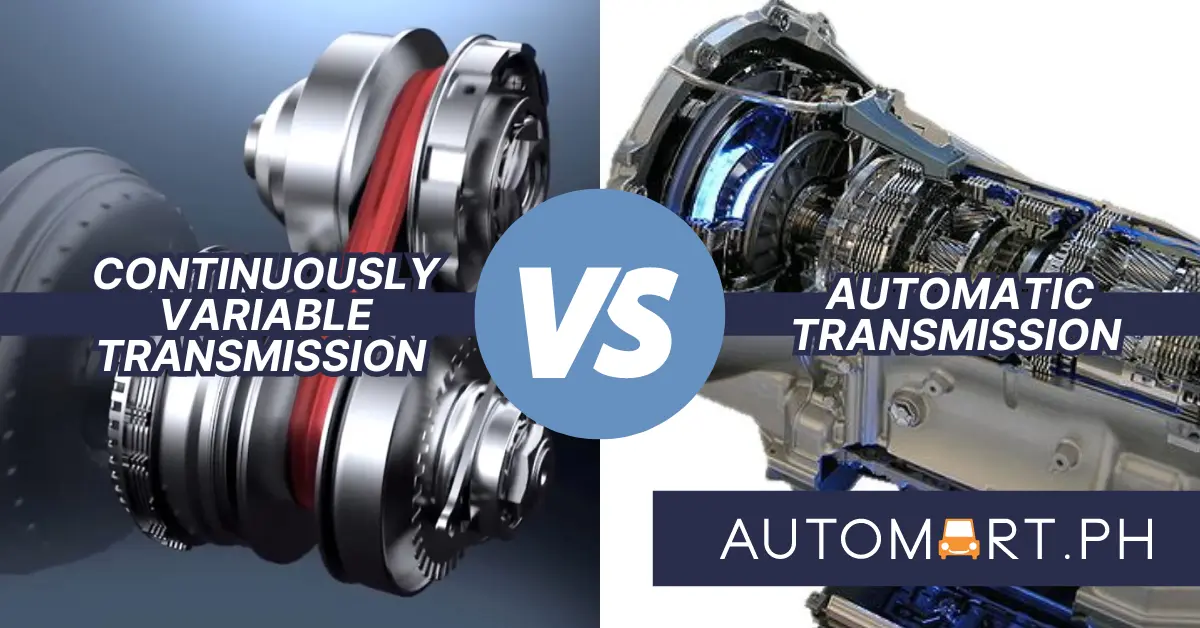
CVT uses a system of pulleys and a belt to create seamless gear changes. Instead of fixed gears, the CVT adjusts continuously, keeping the engine in its most efficient range. This often leads to better fuel economy and smoother acceleration.
Automatic transmissions (also called traditional automatics or torque converter automatics) use a set number of gears—usually 6, 8, or more. The transmission shifts between these gears based on speed and load, using hydraulic systems and a torque converter to transfer power.
While both aim to make driving easier, their designs create different experiences and, importantly, different reliability profiles.
How Reliability Is Measured
Reliability means more than just lasting a long time. It includes:
- How often the transmission fails
- Cost and difficulty of repairs
- How well it handles real-world use
- How sensitive it is to maintenance and driving style
Car makers and independent agencies collect data on failures and repairs. For example, J.D. Power and Consumer Reports regularly survey thousands of car owners about their experiences. Real-world reliability depends not just on design, but also on manufacturing quality, how the car is used, and how well it is maintained.
Cvt Transmission Reliability
CVTs are popular in many small and midsize cars, especially from brands like Nissan, Honda, and Toyota. Their main selling point is fuel efficiency and a smooth driving feel. But how do they perform over time?
Common Reliability Issues With Cvt
- Belt/Chain Wear: The steel belt or chain inside a CVT is under constant pressure. Over time, it can stretch, slip, or break, leading to expensive repairs.
- Fluid Breakdown: CVTs use special fluid to reduce friction and heat. If the fluid is not changed regularly, it breaks down, causing overheating and early failure.
- Control Module Problems: Electronic sensors and control modules manage the CVT’s operation. Faulty sensors can cause jerking, loss of power, or total failure.
- Overheating in Harsh Conditions: Towing, mountain driving, or aggressive acceleration can make the CVT overheat, especially if the car does not have a good cooling system.
Notable Data And Examples
A 2022 Consumer Reports survey found that Nissan CVTs from 2013-2019 had higher failure rates compared to traditional automatics, with some owners reporting major problems before 100,000 miles. Honda and Toyota CVTs tend to perform better, often lasting over 150,000 miles with regular maintenance.
Strengths And Weaknesses
Strengths:
- Very smooth acceleration
- Improved fuel economy in many cases
- Fewer moving parts than automatics
Weaknesses:
- Sensitive to maintenance (fluid changes are critical)
- Expensive to repair or replace
- Less durable under heavy loads or towing
Automatic Transmission Reliability
Traditional automatics have a long history and are widely used in everything from compact cars to heavy trucks. Their design has improved over decades, but reliability still depends on many factors.
Common Reliability Issues With Automatics
- Clutch Pack Wear: Automatics use clutches to change gears. Over time, clutches can wear out, causing slipping or harsh shifting.
- Valve Body Problems: The valve body directs hydraulic fluid to control gear shifts. Dirt or wear can cause shifting issues.
- Torque Converter Failure: This unit connects the engine to the transmission. If it fails, you may feel shuddering or lose the ability to move.
- Fluid Leaks: Old seals can leak, reducing lubrication and leading to overheating.
Data And Examples
According to J.D. Power’s 2023 U.S. Vehicle Dependability Study, traditional automatics in most U.S., European, and Asian cars last well beyond 120,000 miles, with fewer reported failures than CVTs in the same class. Well-built automatics, like the Toyota Aisin and Honda ZF units, are known for reaching 200,000+ miles with proper care.
Strengths And Weaknesses
Strengths:
- Proven technology with many years of development
- Handles high power and heavy loads well
- Often easier to repair than CVTs
Weaknesses:
- More moving parts, which can wear out over time
- Sometimes less fuel efficient than CVTs
- Repairs can still be costly if neglected
Credit: automart.ph
Head-to-head Comparison: Cvt Vs Automatic
To see the differences at a glance, here’s a direct comparison:
| Factor | CVT | Automatic |
|---|---|---|
| Typical Lifespan (with maintenance) | 100,000–150,000 miles | 120,000–200,000+ miles |
| Repair Cost (major failure) | $3,000–$7,000 | $2,000–$4,500 |
| Fuel Efficiency | Higher | Usually lower |
| Performance under heavy load | Poor to fair | Good |
| Maintenance Sensitivity | Very high | High |
This table highlights the most important differences when considering transmission reliability.
Factors That Affect Transmission Reliability
1. Maintenance Habits
CVT transmissions are extremely sensitive to their special fluid. Skipping a fluid change can cut the lifespan in half. Automatics also need regular fluid changes, but they may forgive minor delays better than CVTs.
2. Driving Conditions
- City driving with frequent stops causes more wear on both types.
- Towing or mountain driving is harder on CVTs, while automatics are usually built for heavier work.
- Aggressive driving (fast starts, hard acceleration) stresses both, but CVTs can overheat more quickly.
3. Vehicle Make And Model
Some brands have a stronger record. For example, Toyota and Subaru CVTs have improved in recent years, while Nissan’s Jatco CVTs have mixed reviews. Automatics from ZF and Aisin are world-renowned for reliability.
4. Age And Mileage
No transmission lasts forever. Most CVTs start showing problems between 100,000 and 150,000 miles, while automatics often last longer if well cared for.
5. Updates And Recalls
Some early CVT models had design flaws that led to premature failures. Always check for technical service bulletins or recalls before buying a used car.
Real-world Reliability: Owner Experiences
Let’s look at real stories from drivers:
- Mike, 2015 Nissan Altima owner: “At 98,000 miles, my CVT started whining. Dealer said it needed a full replacement—cost was over $4,500. I did the fluid changes, but I wish I knew how sensitive these were.”
- Samantha, 2012 Honda Accord owner: “My automatic has over 180,000 miles. It shifts a little rough now, but it’s never failed. Just basic maintenance.”
- Carlos, 2020 Toyota Corolla owner: “The CVT has been smooth for 60,000 miles. Toyota dealer stresses doing fluid changes every 40,000 miles.”
These stories show that maintenance and brand reputation matter as much as the transmission type.
Common Myths About Transmission Reliability
- “CVTs always fail early.” Not true. Newer CVTs from Toyota and Honda are much improved. Neglected maintenance is a bigger risk.
- “Automatics are trouble-free.” Not always. Automatics can suffer from expensive failures if fluids are ignored or they’re heavily abused.
- “You can neglect CVT fluid like engine oil.” Never skip CVT fluid changes—they are vital.
How To Maximize Transmission Lifespan
If you want your transmission—CVT or automatic—to last as long as possible:
- Follow the manufacturer’s service intervals for fluid changes.
- Use only the recommended transmission fluid. Cheap or wrong fluid can destroy a transmission.
- Warm up your car in cold weather before driving hard.
- Avoid towing or heavy loads unless your car is rated for it.
- Drive smoothly, avoiding hard starts or sudden stops.
A little care can add years to your transmission’s life.
Which Is More Reliable For You?
There’s no universal answer. Here’s a quick guide:
| Situation | Best Transmission | Why |
|---|---|---|
| Mostly highway driving, light loads | CVT | Better fuel economy, smooth ride |
| Frequent towing, heavy cargo | Automatic | Handles stress better, more durable |
| Plan to keep car over 150,000 miles | Automatic | Proven long-term reliability |
| City commuting, daily errands | Either, if maintained well | Both can last with care |

Credit: www.ivhonda.com
Two Non-obvious Insights
- Transmission Cooling Is Critical: Many people overlook the transmission cooler. If you live in a hot climate or tow even small loads, installing or upgrading a cooler can extend transmission life—especially for CVTs.
- Software Updates Can Prevent Failure: Modern transmissions often rely on computer software. Check with your dealer for transmission control module updates. These can fix shifting problems or prevent early failures, but many owners never ask.
Should You Buy A Car With A Cvt Or Automatic?
If you value fuel economy and mostly do gentle driving, a CVT can serve you well—especially from brands with strong reputations like Toyota or Honda. If you need to tow, plan to keep your car for many years, or want the most proven reliability, a traditional automatic is still the safer bet.
Always research the specific make, model, and year. Look for owner forums and reliability studies. For more in-depth technical details, you can visit the Wikipedia Transmission page.
Credit: www.feldmanwoodhaven.com
Frequently Asked Questions
Is A Cvt More Expensive To Repair Than An Automatic Transmission?
Yes, CVT repairs are usually more costly. Replacing a failed CVT can cost between $3,000 and $7,000, while most automatic transmission repairs are slightly less, around $2,000 to $4,500. Parts for automatics are more widely available, making repairs easier and sometimes cheaper.
Do Cvts Last As Long As Automatics?
In general, automatic transmissions last longer. A well-maintained automatic can reach 200,000 miles or more, while most CVTs start having issues after 100,000 to 150,000 miles. However, some CVTs from Toyota and Honda are now matching automatics for longevity.
What Is The Biggest Factor In Transmission Reliability?
Regular maintenance is the most important factor. Changing transmission fluid at recommended intervals and using the correct type is critical, especially for CVTs. Driving style and climate also play big roles.
Are Cvts Good For City Driving?
Yes, CVTs are well suited for city driving. They deliver smooth, gearless acceleration, which makes stop-and-go traffic more comfortable. Just remember to follow maintenance guidelines closely.
Should I Avoid Buying A Used Car With A Cvt?
Not necessarily. Many used cars with CVTs are reliable if they have a clear service history, especially with regular fluid changes. Avoid models with a history of CVT failures, and always get a pre-purchase inspection before buying.
Choosing between CVT and automatic transmission comes down to your needs, how you drive, and how much attention you give to maintenance. With the right care, both can serve you well for years.