
Drive Belt Inspection Schedule: The Key To Engine Health
Most people only think about the drive belt when it squeals or snaps. But by then, the damage might already be done. The drive belt is a simple, but vital, part of your car’s engine. It powers parts like the alternator, air conditioner, and power steering. If it fails, your car can stop running, or worse, leave you stranded. Understanding the drive belt inspection schedule can keep your car reliable and save you from costly repairs.
Let’s explore when and how to inspect your drive belt, why it matters, and what can happen if you ignore it. This guide will help you stay ahead, avoid surprises, and keep your vehicle in top shape.
What Is A Drive Belt And Why Is It Important?
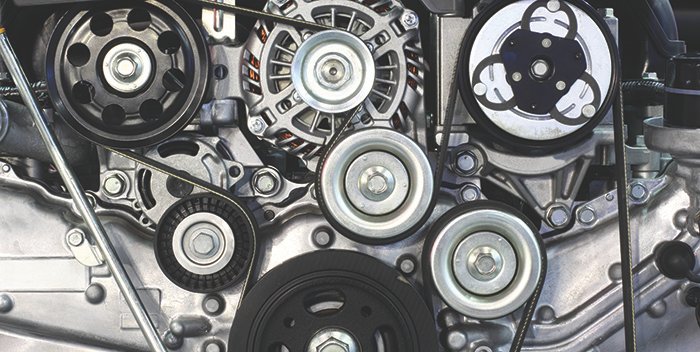
A drive belt (sometimes called a serpentine belt or accessory belt) is a rubber loop that connects to different engine parts. It transfers power from the engine’s crankshaft to devices like the alternator, water pump, and air conditioning compressor.
If this belt fails:
- The alternator stops charging your battery.
- The water pump may stop, causing engine overheating.
- Power steering can fail, making your car hard to control.
Modern cars often use a single serpentine belt, but some older vehicles have separate belts for different parts. No matter the type, regular inspection is critical for all.
Why Follow A Drive Belt Inspection Schedule?
Many drivers forget about their drive belt until there’s a problem. However, sticking to a drive belt inspection schedule has several benefits:
- Prevents breakdowns: Most belt failures happen without warning.
- Saves money: Replacing a belt is cheaper than fixing engine damage.
- Improves safety: A snapped belt can make your car lose power suddenly.
- Extends part life: Catching early wear stops damage to other engine parts.
Manufacturers design inspection schedules based on how long most belts last, but your driving conditions and climate can also affect wear.
Credit: www.tirereview.com
Typical Drive Belt Inspection Schedules
Most car makers recommend inspecting the drive belt at set mileage intervals. Here’s a typical schedule:
| Vehicle Age/Mileage | Inspection Frequency | Replacement Interval |
|---|---|---|
| New (0-30,000 miles) | Every 15,000 miles | 60,000 – 100,000 miles |
| Mid-life (30,000-60,000 miles) | Every 10,000 miles | 60,000 – 100,000 miles |
| Older (60,000+ miles) | Every 7,500 miles | 60,000 – 100,000 miles or sooner if worn |
Always check your owner’s manual for the schedule designed for your car. Some newer belts last longer due to improved materials, but harsh climates, towing, and stop-and-go driving can shorten belt life.
Signs Your Drive Belt Needs Inspection Or Replacement
Even with regular checks, you should look for warning signs. If you notice any of these, inspect the belt as soon as possible:
- Squealing noise from the engine, especially at startup.
- Visible cracks or fraying on the belt.
- Glazing (shiny spots) on the belt surface.
- Loss of power steering or sudden battery warning lights.
- Engine overheating (for vehicles where the water pump runs on the drive belt).
Ignoring these signs can lead to sudden failure. Some issues can also be caused by problems with the belt’s tensioner or pulleys, so check those too.
How To Inspect A Drive Belt Properly
You do not need special skills to do a basic drive belt inspection. Here’s a step-by-step process:
- Turn off the engine and let it cool down.
- Locate the belt (check your owner’s manual or look for a diagram under the hood).
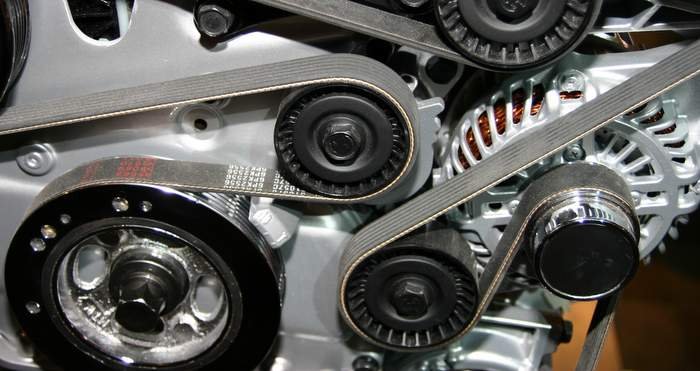
- Look for cracks, splits, or fraying along the entire belt.
- Check for glazing (a shiny, slippery look).
- Twist the belt gently—if it feels dry or brittle, it’s time to replace.
- Push down on the belt—it should flex only about half an inch.
- Listen for noises—a squeal could mean the belt is loose or worn.
If you are unsure, a professional mechanic can check both the belt and related parts, like the tensioner or pulleys.
Drive Belt Types And Their Inspection Needs
Not all belts are the same. Knowing your car’s belt type will help you set the right inspection schedule.
| Belt Type | Common Lifespan | Inspection Needs |
|---|---|---|
| Serpentine Belt | 60,000-100,000 miles | Visual check for cracks, wear, and tension |
| V-Belt | 30,000-50,000 miles | Check each belt individually, look for splits |
| Timing Belt | 60,000-100,000 miles | Usually replaced, not just inspected |
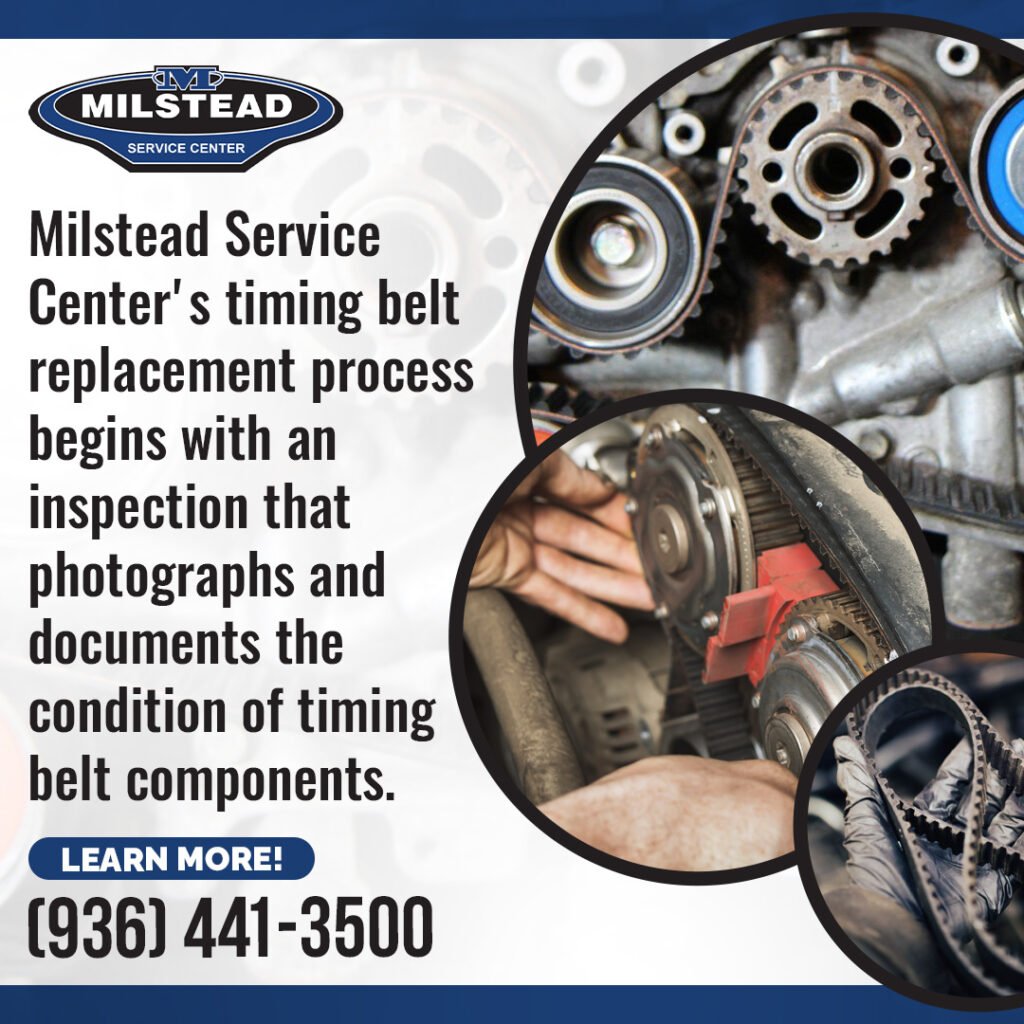
Serpentine belts are found in most modern cars and are easy to inspect. V-belts are more common in older models and need separate checks. The timing belt is different—it’s deeper in the engine and usually replaced rather than just inspected.
Environmental Factors Affecting Drive Belt Life
Your drive belt’s lifespan isn’t just about age or mileage. Several outside factors can cause belts to wear out faster:
- Extreme heat or cold: Rubber hardens or softens, leading to cracks or stretching.
- Oil and fluid leaks: Oil or coolant can break down belt material quickly.
- Dusty or sandy environments: Grit can get between the belt and pulleys, causing faster wear.
- Frequent short trips: Starting and stopping puts more strain on the belt.
If you live in a harsh climate or often drive in tough conditions, inspect your belt more often than the manual suggests.
Diy Vs. Professional Inspection
A basic visual inspection is easy for most car owners. But some problems are hard to spot, especially tension issues or wear on the inside of the belt.
DIY Inspection Pros:
- Saves money
- Quick and easy for obvious issues
Cons:
- May miss hidden damage
- No way to test tension accurately
Professional Inspection Pros:
- Checks belt, tensioner, and pulleys
- Can measure tension and alignment
Cons:
- Costs more
- Takes more time
If your car is under warranty or you’re not confident, let a mechanic inspect the belt during oil changes or regular service.
Credit: www.tomorrowstechnician.com
Common Mistakes When Following A Drive Belt Inspection Schedule
Many car owners make simple mistakes that can lead to unexpected problems. Avoid these common errors:
- Ignoring the owner’s manual: Every car has a different belt type and schedule.
- Not checking the tensioner: A worn tensioner can ruin a new belt quickly.
- Assuming a belt is fine if it’s quiet: Some belts fail without making noise.
- Waiting for a problem before checking: Prevention is cheaper than repair.
- Using the wrong replacement belt: Always use the type and size recommended by your car’s manufacturer.
What Happens If You Ignore The Drive Belt Inspection Schedule?
Skipping inspections can cause:
- Sudden breakdowns: Especially dangerous in traffic or remote areas.
- Expensive engine damage: Overheating or dead battery can cost thousands.
- Loss of safety features: Power steering or brakes may stop working.
- Reduced resale value: Buyers check maintenance history.
In rare cases, a snapped belt can even damage other engine parts, like the radiator or timing cover.
How To Keep A Record Of Inspections
Keeping a simple log of belt inspections helps you stick to the schedule and proves maintenance if you sell the car. Record:
- Date of inspection
- Mileage
- Condition of belt
- Any replacements or repairs
Some people use a notebook in the glove box, while others use a phone app or spreadsheet.
Comparing Drive Belt Inspection Schedules Across Car Brands
Different car brands have unique recommendations for drive belt inspection and replacement. Here’s a quick comparison of a few popular brands:
| Brand | First Inspection | Replacement Interval |
|---|---|---|
| Toyota | 60,000 miles | 60,000 – 90,000 miles |
| Honda | 45,000 miles | 60,000 – 100,000 miles |
| Ford | 30,000 miles | 60,000 – 100,000 miles |
| Chevrolet | 45,000 miles | 60,000 – 100,000 miles |
| BMW | Every 30,000 miles | 60,000 – 90,000 miles |
Always check your specific model’s manual for the most accurate schedule.
Two Insights Most Drivers Miss
Many car owners believe that a belt will always make noise before it fails. In reality, silent cracks or hidden wear can destroy a belt without warning. Visually inspecting isn’t always enough—feeling for flexibility and checking tension matter just as much.
Another common oversight is neglecting the tensioner and pulleys. Even a new belt will wear out quickly if the tensioner is weak or pulleys are misaligned. Ask your mechanic to inspect these parts during every belt check.
Trusted Resources For More Information
If you want to learn more about drive belts and car maintenance, the National Institute for Automotive Service Excellence (ASE) offers detailed guides. For more technical data and vehicle-specific schedules, check your car’s official website or browse resources like this Wikipedia article about serpentine belts.
Credit: milsteadcarcare.com
Frequently Asked Questions
How Often Should I Inspect My Drive Belt?
Most car makers suggest inspecting the drive belt every 15,000 to 30,000 miles or once a year, whichever comes first. Always follow your owner’s manual.
What Happens If My Drive Belt Breaks While Driving?
If the drive belt breaks, you may lose power steering, battery charging, and air conditioning. In some cars, the engine can overheat quickly. Stop driving as soon as it’s safe.
Can I Check The Drive Belt Myself?
Yes, you can visually inspect your belt for cracks, splits, or glazing. But for tension or hidden damage, a mechanic’s inspection is best.
What’s The Difference Between A Drive Belt And A Timing Belt?
A drive belt runs accessories like the alternator and AC. A timing belt controls engine timing. The timing belt is usually deeper in the engine and needs professional replacement.
How Do I Know Which Belt My Car Uses?
Check your owner’s manual or the sticker under your car’s hood. It will show a diagram and the belt type (serpentine, V-belt, or timing belt).
Keeping up with your drive belt inspection schedule is a simple step that protects your car and wallet. A few minutes of attention now can prevent hours of trouble later. Make belt checks part of your regular car care routine and enjoy a smoother, safer drive every time.