
Checking the engine coolant level is a simple task that can make a big difference for your car. Many drivers overlook this basic step, but maintaining the right coolant level helps avoid engine overheating, breakdowns, and expensive repairs. If you want your vehicle to last longer and run more smoothly, understanding how to check your engine coolant level is essential. Even if you’re not a car expert, you can learn this skill quickly with the right guidance. This article will walk you through why coolant matters, how to check it safely, what to do if levels are low, and tips that even experienced drivers sometimes miss.
Why Engine Coolant Level Matters
The engine coolant (also called antifreeze) plays a big role in keeping your engine at the right temperature. When the engine runs, it produces a lot of heat. Coolant flows through the engine and radiator, carrying away excess heat. If there isn’t enough coolant, parts can overheat, warp, or even crack. Overheating can cause sudden breakdowns and costly repairs. For example, a blown head gasket or damaged radiator can cost hundreds or even thousands of dollars to fix.
Coolant also protects the engine against freezing in cold weather and helps prevent rust and corrosion inside cooling system parts. That’s why checking and maintaining the proper coolant level is important in every season.
Understanding Engine Coolant
Before learning how to check the level, it’s helpful to know what coolant is and how it works.
Engine coolant is usually a mix of water and antifreeze (ethylene glycol or propylene glycol). This mixture:
- Raises the boiling point of water, so it can absorb more heat
- Lowers the freezing point, preventing ice in winter
- Contains additives to protect against rust, corrosion, and scale buildup
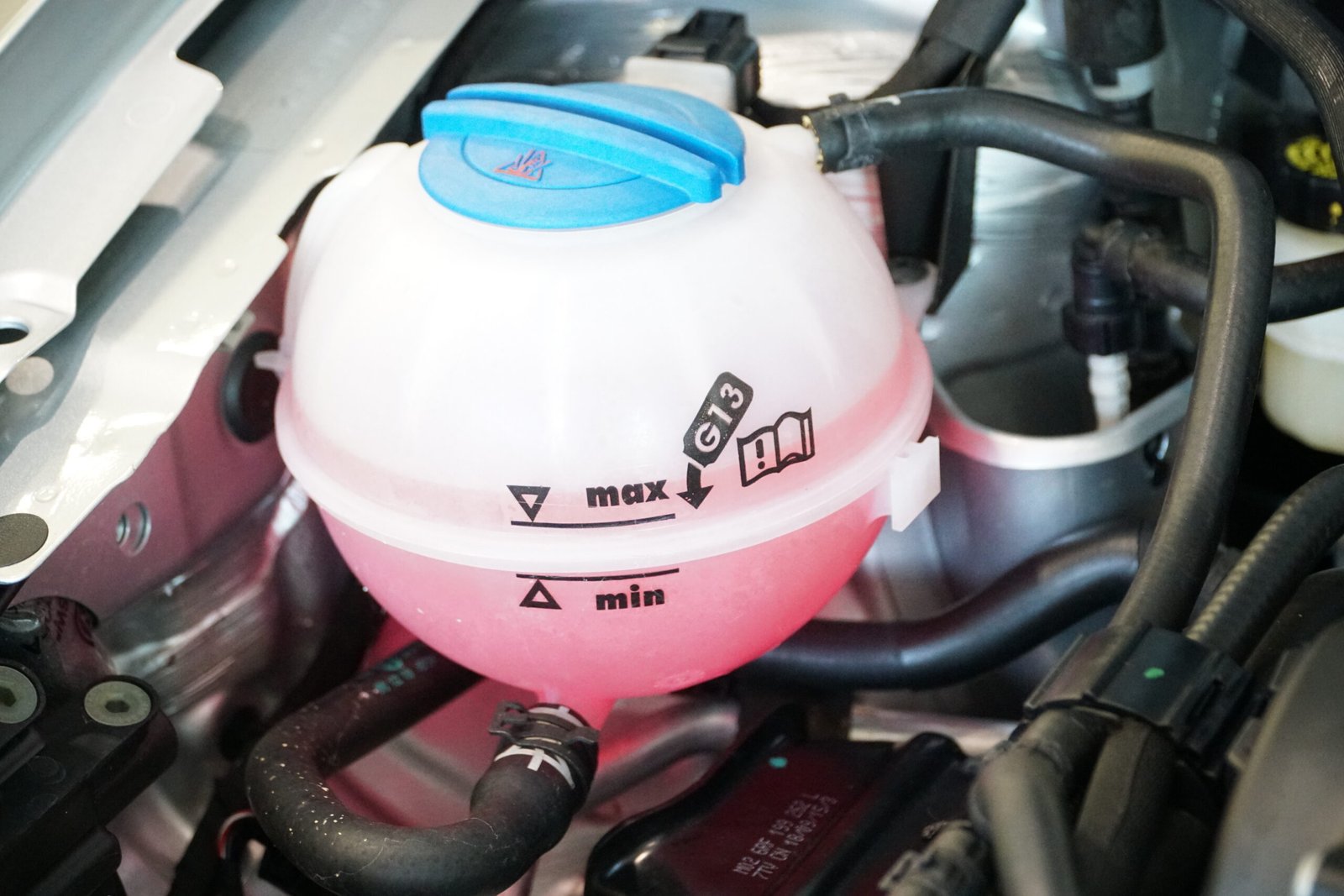
Coolant comes in different colors, such as green, orange, pink, or blue. Always use the type recommended in your vehicle’s owner manual, as mixing types can reduce effectiveness.
Credit: flash-cooling.com
When Should You Check Engine Coolant Level?
Regular checks help you spot problems before they turn serious. Here’s when you should check your coolant:
- Every month – Once a month is a good habit for most cars.
- Before long trips – Especially if you’ll be driving far or in hot conditions.
- After noticing warning signs – If you see a temperature warning light or steam from under the hood, check immediately.
- After coolant system repairs – Always check after the system has been serviced or topped up.
Some modern cars have sensors and dashboard alerts for low coolant. However, it’s still smart to check manually, because sensors can fail or become dirty.
Tools And Safety Precautions
Checking engine coolant doesn’t require special skills, but safety is important. Hot coolant can cause burns, and opening the radiator cap when the engine is hot is very dangerous.
What You Need
- Clean rag or paper towel
- Flashlight (optional)
- Gloves (optional, but helpful)
- Safety glasses (for extra protection)
Safety Tips
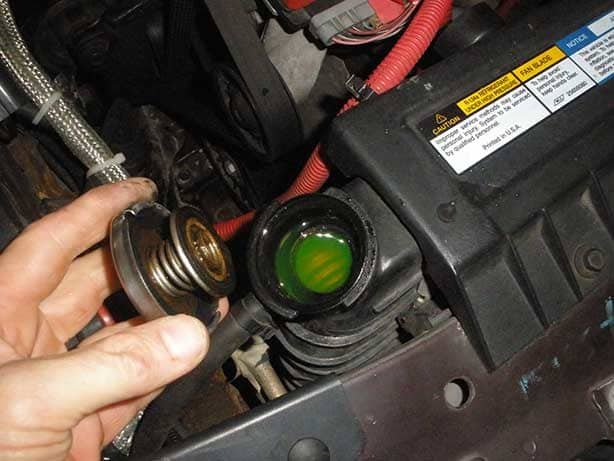
- Always check when the engine is cool. Wait at least 30 minutes after turning off the engine. The system is pressurized when hot, and coolant can spray out if you open the cap.
- If you must check sooner, use a thick cloth and open the radiator cap slowly, but this is not recommended for beginners.
- Avoid breathing in coolant fumes or letting coolant touch your skin. It is poisonous and can cause irritation.
Credit: www.greatwater360autocare.com
Step-by-step Guide To Checking Engine Coolant Level
Every car is a little different, but these steps work for most vehicles with a coolant overflow or expansion tank.
1. Park And Prepare
- Park the car on a flat surface and turn off the engine.
- Engage the parking brake.
- Let the engine cool down fully.
2. Open The Hood
- Pull the hood release inside the car.
- Find and lift the hood latch.
- Prop the hood open securely.
3. Locate The Coolant Reservoir
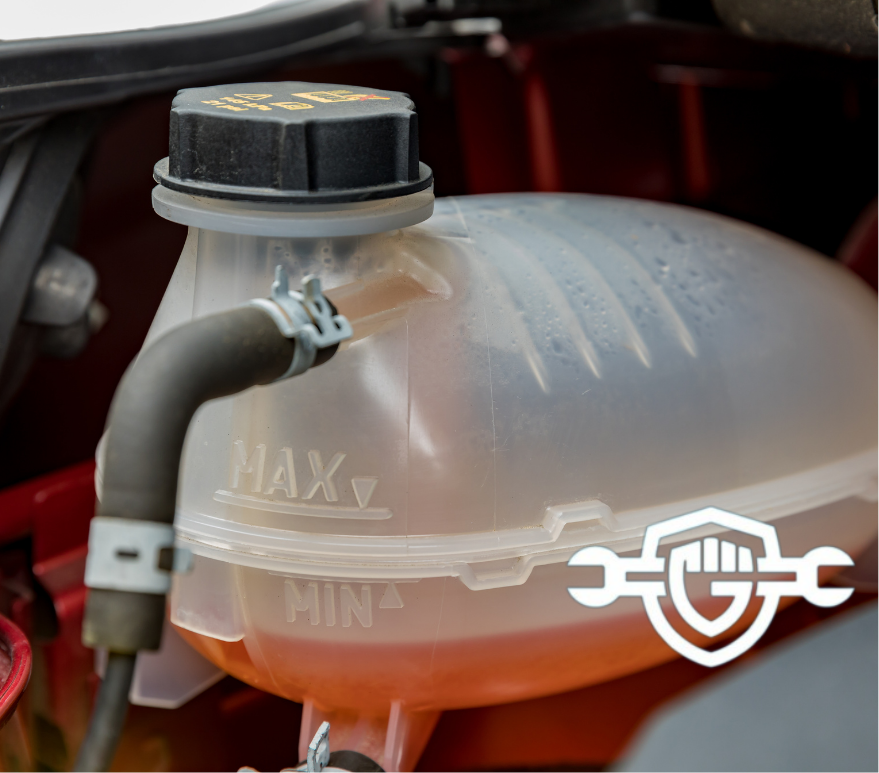
- Look for the coolant reservoir (also called overflow or expansion tank). It’s a translucent plastic container near the radiator.
- The cap is usually labeled with a warning or a symbol showing waves or a thermometer.
4. Check The Level
- Look at the side of the reservoir. You’ll see “FULL” (or “MAX”) and “LOW” (or “MIN”) markings.
- The coolant should be between these marks.
- If it’s below the “LOW” mark, you need to add coolant.
5. Inspect Coolant Condition
- Coolant should look clear and bright, matching its usual color (green, orange, pink, or blue).
- If it looks rusty, brown, or has particles floating in it, the coolant may be contaminated.
6. Check For Leaks
- Look for wet spots or stains under the car and around the radiator, hoses, and reservoir.
- A sudden drop in coolant level often means a leak.
7. Topping Up Coolant (if Needed)
- Make sure the engine is cool.
- Unscrew the reservoir cap slowly.
- Add the correct type of coolant until the level is just below the “FULL” or “MAX” mark.
- Replace the cap tightly.
8. Clean Up
- Wipe up any spills with a rag.
- Wash your hands after handling coolant.
Here’s a quick comparison of how coolant reservoirs typically look in different car brands:
| Brand | Reservoir Location | Reservoir Cap Label |
|---|---|---|
| Toyota | Front right of engine bay | “Engine Coolant” or symbol |
| Ford | Near radiator, left or right side | “Coolant” or thermometer symbol |
| Honda | Near windshield, right side | “Engine Coolant” |
Common Mistakes When Checking Coolant Level
Even experienced drivers sometimes make errors that can cause problems. Watch out for these mistakes:
- Opening the cap when hot – This can cause burns from hot steam or spraying coolant.
- Using the wrong coolant – Mixing different types or using plain water can harm your engine.
- Overfilling the reservoir – Too much coolant can cause overflow or pressure problems.
- Ignoring dirty coolant – Old or contaminated coolant can’t protect your engine properly.
- Not checking for leaks – A drop in coolant level often means a leak somewhere.
One non-obvious insight: Even if the coolant level looks fine, if you notice frequent drops, you may have a slow leak or a problem like a blown head gasket. Watch for white smoke from the exhaust or a sweet smell – these are clues.
What To Do If Coolant Level Is Low
If you find the coolant level low, here’s what to do:
- Top up with the right coolant. Don’t use only water unless it’s an emergency.
- Check again after a few days. If the level drops again, you may have a leak.
- Look for puddles or wet spots under the car after parking overnight.
- Check hoses and radiator for cracks, bulges, or dampness.
- If you find a leak, get it fixed soon. Driving with low coolant can cause engine damage.
If you’re unsure about the type of coolant, check your owner’s manual or ask a professional. For most cars, the cost of coolant is much less than the cost of engine repairs.
Here’s a comparison of coolant types by color and compatibility:
| Coolant Color | Main Ingredient | Typical Use |
|---|---|---|
| Green | Ethylene glycol | Older cars (pre-2000) |
| Orange | Organic acid technology | GM, newer cars |
| Pink/Red | Hybrid organic acid | Toyota, some Asian brands |
| Blue | Phosphate-based | Honda, some European brands |
Signs Of Coolant Problems
Besides low levels, other warning signs can tell you there’s a coolant problem:
- Temperature gauge is higher than normal or goes into the red zone
- Coolant warning light comes on
- Steam or smoke from the hood
- Sweet smell inside or outside the car (coolant has a sweet odor)
- Puddles under the car, especially green, orange, or pink fluid
If you notice these signs, stop driving as soon as it’s safe. Let the engine cool, then check the coolant level. Driving with an overheating engine can cause severe damage.
How Often Should You Replace Engine Coolant?
Checking the level is important, but so is changing the coolant at the right time. Over time, coolant loses its ability to protect your engine.
Most manufacturers recommend replacing coolant every 2–5 years or 30,000–60,000 miles (50,000–100,000 km). Check your owner’s manual for your car’s schedule.
Here’s a quick table showing typical coolant change intervals:
| Vehicle Type | Interval (Miles) | Interval (Years) |
|---|---|---|
| Older cars (pre-2000) | 30,000 | 2–3 |
| Modern cars | 60,000–100,000 | 5 |
| Heavy-duty vehicles | 50,000 | 2–3 |
Replacing coolant regularly also helps prevent buildup of rust and scale, which can clog the system.
Tips For Maintaining Proper Coolant Level
A few practical steps can help you avoid problems:
- Use the correct coolant for your vehicle. Never mix types unless the label says it’s safe.
- Check hoses and clamps for tightness and condition during oil changes.
- Flush the system as recommended to remove old coolant and debris.
- Keep extra coolant in your trunk for emergencies.
- Dispose of old coolant safely – never pour it down a drain or on the ground. Many service centers recycle coolant.
A tip that many miss: Sometimes, air can get trapped in the cooling system after a coolant change or repair. This air pocket can cause overheating even if the level looks right. If you notice overheating after topping up, have a mechanic “bleed” the system to remove air.
Credit: www.gorruds.com
Professional Help Vs. Diy
Most people can check and top up coolant themselves. But if you’re not comfortable, or if you notice leaks, contamination, or repeated low levels, it’s best to see a mechanic.
A professional can:
- Pressure-test the system for hidden leaks
- Check for bad water pumps, radiators, or hoses
- Flush and refill coolant safely
For more details on how the cooling system works, the Wikipedia page on cooling systems is a helpful resource.
Frequently Asked Questions
How Do I Know Which Coolant To Use In My Car?
Check your owner’s manual for the recommended type. Using the wrong coolant can cause damage or reduce effectiveness. Some stores can look up your car’s requirements by make and model.
Can I Use Water Instead Of Coolant In An Emergency?
If you have no coolant and the engine is overheating, you can add water to get to a repair shop. But use coolant as soon as possible, because water alone does not protect against rust or freezing.
Why Does My Coolant Level Keep Dropping?
A slow leak, a bad radiator cap, or a head gasket problem could be the cause. Check for visible leaks, and if you can’t find any, have a mechanic inspect the system.
Is It Normal For Coolant To Evaporate Over Time?
Modern systems are sealed, so coolant should not evaporate quickly. A small drop over many months can be normal, but frequent drops mean there’s likely a leak.
What Happens If I Overfill The Coolant Reservoir?
Too much coolant can expand and overflow when hot, possibly causing mess or pressure issues. Always keep the level between “MIN” and “MAX” marks.
Keeping your engine coolant level in the right range is an easy way to protect your car and avoid trouble on the road. With these clear steps, you can check and maintain your coolant confidently, saving time, money, and stress.