
When you start your car, you expect a smooth drive. But sometimes, the ride feels rough. Maybe there’s a strange noise or vibration. Many drivers don’t realize that engine mounts play a big role in keeping the drive comfortable. If these mounts fail, it can create serious problems—not just for comfort, but also for your car’s safety and health. Knowing the signs of engine mount failure can save you from bigger repairs and unsafe driving conditions. This article will guide you through everything you need to know about engine mount replacement signs, how to spot issues early, and why quick action matters.
What Are Engine Mounts And Why Do They Matter?
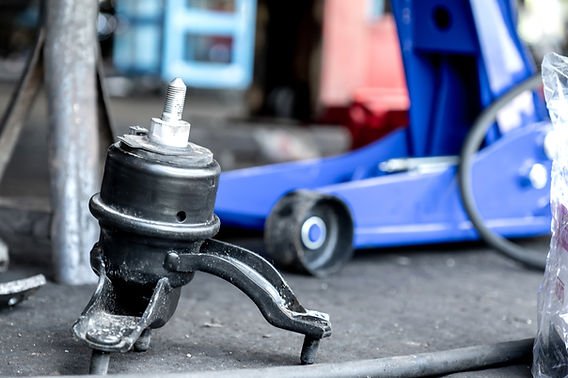
Engine mounts are not just pieces of metal and rubber holding your engine in place. They have two main jobs:
- Support the engine’s weight so it stays fixed in the engine bay.
- Absorb vibrations and shocks so you don’t feel every move of the engine.
Most cars have three or four engine mounts. They are made from metal brackets and thick rubber, sometimes with hydraulic fluid inside. Over time, engine mounts wear out, especially if you drive on rough roads or have an older car.
When engine mounts fail, the engine can move too much. This movement causes noise, shaking, and even damage to other parts. Ignoring engine mount problems can lead to expensive repairs, so it pays to be alert.
Common Signs Your Engine Mounts Need Replacement
Many drivers ignore the early warnings until a small problem becomes a big headache. Here are the key signs you should watch for:
1. Excessive Engine Vibration
One of the most common and obvious signs is increased vibration. Normally, engine mounts absorb most engine movement. If a mount breaks or wears out, these vibrations travel through the car body.
You might feel the steering wheel shaking, or the dashboard may vibrate more than usual, especially when idling or starting the engine. In some cases, you’ll feel the whole car shake at low speeds.
2. Clunking Or Banging Noises
When an engine mount fails, the engine can shift more than it should. This can cause clunking, banging, or thumping noises, especially when you accelerate, brake, or go over bumps.
These noises usually come from the engine bay. It can feel like something is loose under the hood. If you hear these sounds, it’s a strong warning sign that at least one mount is damaged.
3. Engine Movement Or Rocking
A healthy engine mount keeps the engine stable. But if you look under the hood and see the engine move or rock back and forth when you rev the engine or shift gears, it’s a clear sign something is wrong.
Some movement is normal, but if the engine rocks more than one inch, or you see a sharp jump, your mounts may be failing.
4. Increased Vibrations Inside The Cabin
Sometimes, you may not notice the engine shaking, but you’ll feel unusual vibrations inside the cabin. The floor, pedals, or even your seat might buzz or shake, especially when idling or at certain speeds.
This usually means the rubber part of the mount is cracked or worn out. Hydraulic mounts (filled with fluid) can also leak, making them less able to absorb vibration.
5. Engine Misalignment
When engine mounts fail, the engine can shift from its correct position. This can lead to misalignment of the engine and connected parts. You might see hoses stretched, belts not running straight, or exhaust parts out of place.
Misalignment can lead to damage in other engine components, so it’s important to fix the mounts before other parts suffer.
6. Visual Damage To Mounts
Sometimes, you can spot a problem just by looking. Check your engine mounts for:
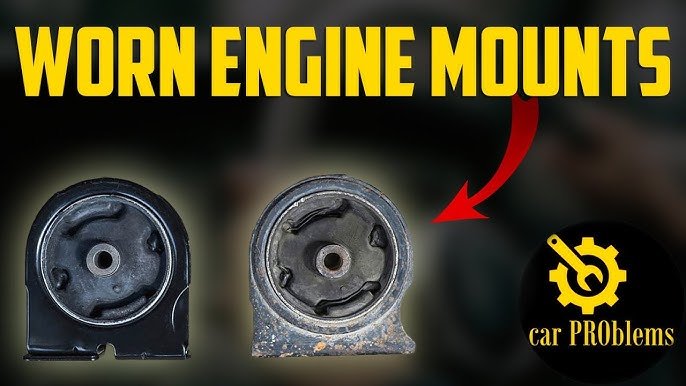
- Cracks or tears in the rubber
- Oil or fluid leaks (for hydraulic mounts)
- Rust or broken metal brackets
If you see any of these, it’s time to get a professional inspection.
7. Unusual Engine Position
If the engine looks like it’s sitting lower or tilted compared to normal, this could be a sign of a collapsed or broken mount. Over time, a sagging engine can damage other parts and make handling worse.
8. Difficulty Shifting Gears
For cars with manual transmissions, failed engine mounts can make shifting gears harder. This happens because engine movement affects the alignment of transmission parts.
If you notice grinding or resistance when changing gears, along with other symptoms, check the mounts.
9. Increased Engine Noise
A broken mount doesn’t just let vibration through—it also lets engine noise into the cabin. If your car suddenly sounds louder, or you hear more engine noise than before, worn mounts could be the reason.
10. Damage To Other Parts
Ignoring engine mount problems can cause damage to exhaust pipes, hoses, and wiring. When the engine moves too much, it pulls and strains these parts, which can lead to leaks or electrical problems.
If your mechanic finds damage to parts near the engine, ask them to check the mounts too.
Why Engine Mount Problems Get Worse Over Time
Some drivers hope engine mount problems will go away, but that never happens. In fact, the signs only get worse with time:
- Vibrations can get stronger and even lead to bolts shaking loose.
- Movement can damage the transmission, exhaust, and radiator.
- Noise can become so loud it’s hard to talk inside the car.
Ignoring the problem can even make the car unsafe to drive. The longer you wait, the more expensive repairs become.
How Mechanics Diagnose Engine Mount Issues
You might wonder how a mechanic checks engine mounts. Here’s what usually happens:
- Visual Inspection: The mechanic looks for cracked rubber, leaks, or broken brackets.
- Movement Test: They rev the engine in neutral and watch for movement. Too much rocking means a problem.
- Test Drive: Listening for noise and feeling for vibration helps find mount issues.
- Pry Bar Test: Sometimes, a mechanic uses a tool to gently move the engine and see if the mount flexes too much.
Modern cars sometimes have electronic sensors that can also detect mount problems.
Table: Symptoms And What They Mean
This table shows the most common signs, what they usually mean, and why you should care.
| Symptom | Possible Cause | Risk Level |
|---|---|---|
| Strong vibration at idle | Rubber worn or broken mount | Medium |
| Clunking sound when shifting | Loose/broken bracket | High |
| Engine tilts or shifts | Collapsed mount | High |
| Fluid leaking from mount | Hydraulic mount failure | Medium |
| Gear shifting trouble | Misalignment | Medium |
Types Of Engine Mounts And Their Failure Signs
Not all engine mounts are the same. Here are the main types and their common failure signs:
Rubber Engine Mounts
These are the most common. They use thick rubber to absorb vibration.
- Signs of failure: Cracks in rubber, increased vibration, thumping noises.
Hydraulic Engine Mounts
These mounts contain a liquid that helps absorb more vibration, often used in luxury cars.
- Signs of failure: Fluid leaks, soft or sagging mount, strong cabin vibration.
Electronic Engine Mounts
Modern cars may use mounts that adjust with the engine’s needs.
- Signs of failure: Warning lights, unexpected vibration, sometimes only detected by diagnostic equipment.
Table: Engine Mount Type Vs. Common Problems
| Mount Type | Main Benefit | Typical Failure Sign |
|---|---|---|
| Rubber | Basic vibration absorption | Cracked rubber, clunking |
| Hydraulic | Better comfort | Leaking fluid, sagging |
| Electronic | Variable damping | Warning lights, random vibration |
What Causes Engine Mounts To Fail?
Mounts can fail for many reasons:
- Age and wear: Most mounts last 5–7 years, but may fail sooner in tough conditions.
- Poor road conditions: Rough roads and potholes put more stress on mounts.
- Oil leaks: Engine oil can damage rubber over time.
- Aggressive driving: Hard acceleration and sharp braking strain mounts.
- Engine upgrades: More power means more stress.
Many drivers don’t realize that small oil leaks can destroy mounts quietly. Fix leaks fast to protect your mounts.

Credit: shop.advanceautoparts.com
When Should You Replace Engine Mounts?
Replace mounts when:
- Any sign of damage or wear is found
- You hear clunking, feel strong vibration, or see engine movement
- Your mechanic recommends it during a service
Don’t wait until all mounts fail. Replacing them early can prevent bigger problems.
How Much Does Engine Mount Replacement Cost?
The price depends on your car model and how many mounts need changing. Usually, a single mount costs $50–$200 for the part, plus $100–$400 for labor. Luxury or performance cars cost more.
If you replace all mounts at once, you might get a better deal. Always ask your mechanic for a full quote.
Credit: www.gsplatinamerica.com
Table: Cost Estimates For Common Cars
| Car Type | Mount Cost (each) | Labor Cost (each) | Total (one mount) |
|---|---|---|---|
| Compact sedan | $60 | $120 | $180 |
| Luxury SUV | $180 | $350 | $530 |
| Pickup truck | $95 | $180 | $275 |
Mistakes To Avoid
Many car owners make these mistakes with engine mounts:
- Ignoring early signs: Small vibrations or sounds can mean a big problem is starting.
- Choosing cheap mounts: Low-quality parts don’t last as long and may not fit right.
- Delaying repairs: Waiting too long can damage more parts, increasing costs.
- Not fixing leaks: Oil leaks can ruin new mounts quickly.
It’s smart to check your mounts whenever you have your car serviced, especially if your car is older than five years.
Pro Tips For Engine Mount Care
- Fix leaks quickly to protect mounts from oil and fluids.
- Drive smoothly—avoid hard starts and stops.
- Ask for a mount check during major services.
- Use quality parts when replacing mounts.
If you’re buying a used car, ask if the mounts were ever changed. Worn mounts are often ignored by sellers.
Non-obvious Insights Most Beginners Miss
- Hydraulic mounts leak quietly: You may not see a puddle, but a tiny leak can mean the mount is failing. If you notice more vibration but no visible damage, ask your mechanic to check for leaks.
- Engine mount failure can damage electronics: Modern cars have sensors, wires, and computers near the engine. When mounts fail, engine movement can pull or break wires, causing electrical problems that are hard to trace.
Credit: www.youtube.com
When To See A Mechanic
If you notice any signs above and are unsure, don’t guess. A quick check by a professional can save you a lot of trouble. If the car feels unsafe to drive, call for towing instead of risking more damage.
For more technical details, you can read this guide from the Wikipedia.
Frequently Asked Questions
What Happens If I Ignore Bad Engine Mounts?
If you ignore bad engine mounts, the problem gets worse. Vibration can become stronger, and engine movement can damage other parts like the exhaust, hoses, and even the transmission. Your car may become unsafe to drive.
Can I Drive With A Broken Engine Mount?
It’s possible to drive for a short time, but it’s not safe. The engine could move too much and cause other parts to fail. Always fix the problem as soon as possible.
How Long Do Engine Mounts Last?
Most engine mounts last between 5 and 7 years or about 60,000 to 100,000 miles. If you drive on rough roads or have oil leaks, they may wear out faster.
Can I Replace Engine Mounts Myself?
If you have good mechanical skills and the right tools, you might replace them yourself. However, the engine must be supported safely, and mistakes can cause more damage. For most people, it’s better to have a professional do the work.
Are All Engine Mounts The Same?
No. There are different types: rubber, hydraulic, and electronic. Each has its own failure signs and replacement needs. Always use the right type for your car.
Spotting engine mount problems early can keep your car running smoothly and save you money. Don’t ignore the warning signs—quick action is always the best choice for you and your vehicle.