
When your car’s temperature gauge jumps into the red or you see steam escaping from under the hood, panic is a natural reaction. Engine overheating is a problem that can turn a smooth drive into a stressful situation. Left unchecked, overheating can cause serious engine damage, costing thousands in repairs. But what actually causes engines to overheat? And more importantly, what can you do to prevent or fix it? This guide breaks down the most common causes, solutions, and some smart prevention tips that many drivers overlook.
Why Engine Overheating Is A Serious Problem
An engine works best within a certain temperature range. When it gets too hot, metal parts can warp, seals may fail, and the risk of a complete breakdown increases. In severe cases, you could end up with a blown head gasket or even a cracked engine block.
Both repairs are expensive and time-consuming. Understanding overheating is not just about knowing what to do in an emergency; it’s about protecting one of the most valuable parts of your vehicle.
Common Causes Of Engine Overheating
Several things can make your engine run hotter than it should. Here are the main culprits:
1. Low Coolant Level
The coolant (or antifreeze) absorbs heat from the engine and releases it through the radiator. If the coolant is low, there’s not enough liquid to carry heat away. Leaks are the most common cause of low coolant, often from hoses, the radiator, or the water pump.
2. Coolant Leak
Leaks are not always obvious. Sometimes, coolant escapes slowly, leaving white residue or a sweet smell. Even a small leak can drop the coolant level enough to cause overheating, especially on long drives.
3. Faulty Thermostat
The thermostat controls the flow of coolant through the engine. If it gets stuck closed, coolant cannot circulate, causing a rapid rise in temperature. Thermostats usually fail without warning and are a frequent cause of sudden overheating.
4. Broken Water Pump
The water pump moves coolant through the engine and radiator. If it fails, the coolant stays still and cannot pick up or release heat. Water pump failure often comes with noise or a leaking fluid from the pump area.
5. Radiator Problems
Blocked, clogged, or damaged radiators can’t cool the fluid properly. Dirt, bugs, or internal corrosion can reduce airflow or clog the thin tubes inside, making it hard for heat to escape.
6. Cooling Fan Failure
Electric or mechanical fans draw air through the radiator, especially in slow traffic. If the fan fails or its sensor malfunctions, the engine can overheat during idling or low-speed driving.
7. Blocked Or Collapsed Hoses
Coolant hoses can collapse or become blocked by debris, preventing proper flow. Hoses may look fine from the outside, but a soft or spongy feel can mean internal damage.
8. Air In The Cooling System
Air pockets prevent coolant from moving smoothly, often after a recent coolant change or a leak repair. This causes “hot spots” in the engine, leading to overheating even if the coolant level is correct.
9. Head Gasket Failure
A blown head gasket allows hot gases to escape into the cooling system, or coolant to leak into the engine. This not only causes overheating but can also ruin the engine if not fixed quickly.
10. Faulty Radiator Cap
The radiator cap keeps the cooling system under pressure, raising the boiling point of the coolant. A weak or broken cap lets coolant escape as steam, lowering the boiling point and causing overheating.
11. Low Engine Oil
Oil lubricates and helps cool moving parts. Low oil increases friction and heat, making the engine run hotter. Many drivers forget to check oil levels until it’s too late.
12. Driving In Extreme Conditions
Heavy loads, steep hills, or very hot weather put extra stress on the cooling system. If your car is already close to overheating, these conditions can push it over the edge.
13. Using The Wrong Coolant Mix
Coolant should be mixed with water in the right ratio. Too much water or antifreeze can lower effectiveness, making it easier for the engine to overheat.
14. Clogged Heater Core
The heater core is like a small radiator inside the cabin. If it gets blocked, it can restrict coolant flow and raise engine temperature.
15. Faulty Temperature Sensor
A broken sensor can give false readings to the car’s computer, causing the fan not to turn on or warning you too late about overheating.
How To Diagnose Engine Overheating
Spotting the early signs of overheating can save your engine. Here’s what to watch for:
- The temperature gauge moving toward “H” or red zone
- Steam or a sweet smell from under the hood
- Thumping noises (coolant boiling inside the engine)
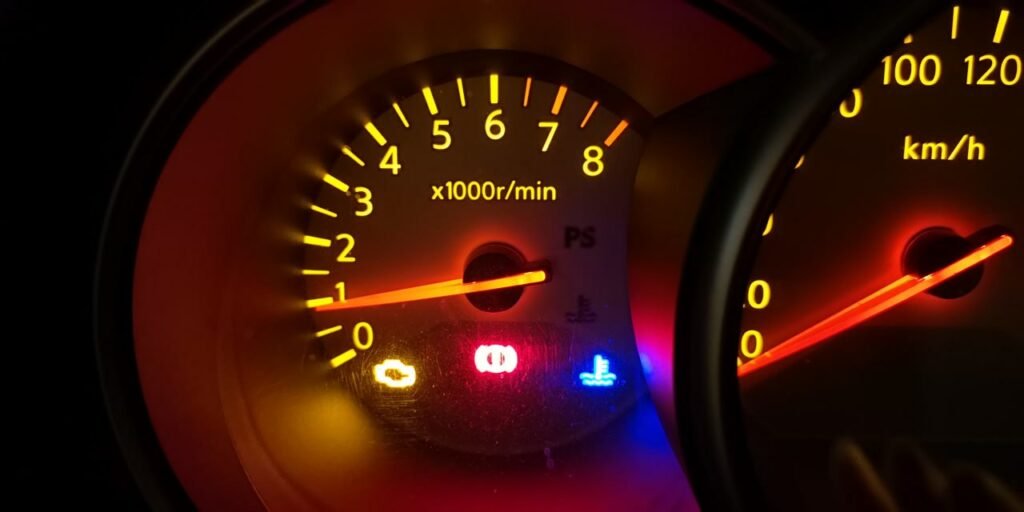
- Warning lights on your dashboard
If you notice these, pull over safely and turn off the engine. Do not open the radiator cap while the engine is hot—hot coolant can spray out and cause serious burns.
Solutions For Engine Overheating
The right fix depends on the cause. Here’s a practical approach for each situation:
1. Refill Coolant
If the coolant is low but you see no leaks, let the engine cool and top it up with a 50/50 mix of coolant and water. Always check your manual for the right type.
2. Repair Leaks
Visible leaks need immediate repair. Look under the car for puddles, check hoses for cracks, and inspect the radiator. Sometimes, a UV dye can help find small leaks.
3. Replace The Thermostat
If the thermostat is stuck closed, replace it. This is often a quick and affordable repair. Many drivers replace thermostats every few years as preventive maintenance.
4. Replace Water Pump
A noisy or leaking water pump should be replaced right away. This usually requires removing the timing belt or serpentine belt, so it’s a job for a mechanic unless you’re experienced.
5. Unclog Or Replace Radiator
If the radiator is blocked, flushing it with a special cleaner can help. Severe corrosion or physical damage means you’ll need a new radiator.
6. Fix Cooling Fan
Check the fan fuse, relay, and wiring. For electric fans, test if they come on when the engine gets hot. For mechanical fans, check the fan clutch.
7. Replace Damaged Hoses
Squeeze the hoses—if they feel soft or collapsed, replace them. Make sure to bleed air from the system after replacing any hoses.
8. Bleed The Cooling System
Trapped air can be removed using bleed screws or by running the engine with the radiator cap off (only when cool) until all bubbles escape.
9. Fix Head Gasket
A blown head gasket is a major repair and needs a mechanic. Signs include white exhaust smoke, milky oil, or bubbles in the coolant tank.
10. Replace Radiator Cap
A new cap is cheap and can solve pressure loss problems. Buy the correct pressure rating for your vehicle.
11. Top Up Engine Oil
Check your oil regularly and keep it at the right level. Use the grade recommended in your owner’s manual.
12. Drive Smart In Tough Conditions
If you’re towing or driving in extreme heat, slow down and take breaks. Turn off the air conditioning if the gauge rises.
13. Use The Right Coolant Mix
Always use the mix recommended for your region’s climate. Pre-mixed coolants make this easier.
14. Flush Heater Core
If you suspect a clogged heater core, flushing it can restore proper coolant flow. This job is messy but can be done at home with the right tools.
15. Replace Temperature Sensor
A mechanic can test and replace a faulty sensor quickly. Don’t ignore warning lights, even if the engine “feels” normal.
Comparison Of Common Overheating Causes
Let’s compare how frequently each issue leads to engine overheating and how easy it is to fix:
| Cause | How Common? | Easy to Fix? |
|---|---|---|
| Low Coolant Level | Very Common | Easy |
| Thermostat Failure | Common | Moderate |
| Water Pump Failure | Less Common | Hard |
| Radiator Problems | Common | Moderate |
| Head Gasket Failure | Rare | Difficult |
Warning Signs Vs. Solutions
Understanding which symptoms point to which cause can help you act quickly.
| Warning Sign | Most Likely Cause | Suggested Action |
|---|---|---|
| Steam from Hood | Coolant Leak | Check for leaks, refill coolant |
| Gauge in Red Zone | Thermostat or Fan Failure | Stop engine, check fan operation |
| White Exhaust Smoke | Head Gasket Failure | See mechanic immediately |
| Heater Blows Cold Air | Air in System or Low Coolant | Bleed system, refill coolant |
Prevention Tips Most Drivers Miss
Regular maintenance is the best way to avoid engine overheating, but there are some less obvious strategies:
- Flush the cooling system every 2-3 years. Old coolant loses its ability to absorb heat, and debris can build up.
- Inspect belts and hoses whenever you change oil. Many failures start with small cracks or soft spots.
- Check for coolant leaks after parking. A small puddle under the car can warn you early.
- Test your radiator cap’s pressure. Many auto parts stores offer this as a free service.
- Use distilled water if you mix your own coolant. Tap water can add minerals that clog your system.
Real-world Example
A 2014 Honda Civic owner noticed the temperature gauge rising in traffic but returning to normal at highway speeds. After checking the coolant and finding it full, a mechanic discovered a broken cooling fan relay. Without the fan, the engine overheated at low speeds. Replacing the relay—a $15 part—solved the problem.
This example shows that not all overheating problems are expensive or obvious. Sometimes, a simple electrical part can cause big trouble.
Credit: seatow.com
What To Do If Your Engine Overheats On The Road
If you see the temperature rising:
- Turn off the air conditioning.
- Turn on the heater to pull heat away from the engine.
- Pull over safely.
- Turn off the engine and wait at least 15 minutes before opening the hood.
- Check coolant level (once cool) and look for leaks.
Never drive with an overheating engine. A few extra minutes on the road can mean a destroyed engine.
When To Call A Professional
Some overheating problems require a skilled mechanic:
- Blown head gasket (white smoke, milky oil, loss of power)
- Water pump failure (coolant leak near belts, grinding noise)
- Repeated overheating after simple fixes
Don’t risk bigger problems by trying to drive home or keep going. Towing is much cheaper than a new engine.
Credit: www.mazdafwb.com
The Bottom Line
Engine overheating is always a warning sign, not something to ignore. Most causes are preventable with good maintenance, regular checks, and understanding your car’s warning signs. If you act quickly at the first sign of trouble, you can avoid expensive repairs and keep your engine running smoothly for years.
For more technical details about cooling systems, you can visit this Wikipedia page on cooling systems.
Frequently Asked Questions
Why Does My Engine Overheat Only When Idling?
Often, the cooling fan is not working correctly. At low speeds, the fan is vital for drawing air through the radiator. If it fails, the engine overheats when stopped but may cool down at higher speeds.
Can I Drive My Car With Low Coolant?
No. Driving with low coolant risks severe engine damage. Always refill coolant before driving, and check for leaks to fix the root cause.
How Often Should I Change My Engine Coolant?
Most manufacturers recommend changing coolant every 2 to 5 years, or every 30,000 to 60,000 miles. Check your owner’s manual for your specific car.
What Does A Blown Head Gasket Look Like?
Signs include white smoke from the exhaust, milky oil, bubbling in the coolant reservoir, and sudden loss of coolant with no visible leak.
Is Water Okay To Use Instead Of Coolant In An Emergency?
Water can be used temporarily if nothing else is available, but it does not protect against corrosion or freezing/boiling as well as proper coolant. Replace with the correct mix as soon as possible.
Credit: bwperformance.com
