
Buying an electric vehicle (EV) brings many benefits—lower running costs, less maintenance, and being eco-friendly. But one question many buyers ask is: how well will my EV hold its value over time? Depreciation is a key factor for anyone thinking of buying or selling an EV. It affects how much money you lose when you resell your car. Understanding the EV depreciation rate helps you make smarter decisions, whether you plan to keep your car for years or switch to a new model sooner.
Many people believe EVs lose value much faster than gasoline cars. But is that really true? Does the brand, battery size, or new technology affect depreciation? This article gives you a clear comparison of EV depreciation rates, explains the main reasons behind these changes, and shows how different brands and models perform in the real world.
If you want to know which EVs lose value the fastest, which hold their price, and what you can do to protect your investment, you’re in the right place.
What Is Depreciation And Why Does It Matter?
Depreciation is the drop in a car’s value over time. Every car loses value, but the rate is not the same for all vehicles. For EVs, depreciation is especially important because technology and battery health can make a big difference.
When you buy a new EV, it starts losing value as soon as you drive it off the lot. For example, a new car may lose 20% of its value in the first year. After five years, some cars are worth only 40-50% of their original price.
For EVs, depreciation can be faster or slower depending on many factors.
Why should you care? If you buy an EV and sell it after three years, high depreciation means you get less money back. If you lease, depreciation also affects your monthly payments.
Main Factors That Affect Ev Depreciation
Several key points decide how quickly an EV loses value:
- Battery health and technology: Older batteries may have less range or slower charging, making a car less attractive.
- Brand reputation: Well-known brands often keep their value better.
- Incentives and subsidies: Tax credits and rebates can lower new EV prices, making used ones less appealing.
- Model updates: Newer models with longer range or better tech can make older ones seem outdated.
- Market demand: If more people want EVs, used prices stay higher.
- Mileage and usage: Higher mileage lowers value, just like with gasoline cars.
- Warranty coverage: Cars with longer battery warranties may depreciate less.
Two insights many miss: First, local market conditions matter—a popular EV in California may lose less value than the same model in a region with little charging infrastructure. Second, sudden changes in technology (like a big jump in range or charging speed) can quickly lower older models’ value.
Comparing Ev Depreciation Rates: Real Data
To understand how different EVs perform, let’s look at real-world numbers. Many studies compare how much value top EVs keep after 3 and 5 years. Below, you’ll find a table that shows the average depreciation rate for popular models.
| Model | Original Price (USD) | Value After 3 Years (%) | Value After 5 Years (%) |
|---|---|---|---|
| Tesla Model 3 | $46,000 | 77% | 67% |
| Nissan Leaf | $32,000 | 60% | 40% |
| Chevrolet Bolt EV | $36,000 | 58% | 45% |
| Hyundai Kona Electric | $38,000 | 68% | 54% |
| Jaguar I-PACE | $70,000 | 51% | 38% |
| BMW i3 | $45,000 | 54% | 36% |
Looking at the numbers, the Tesla Model 3 holds its value much better than many rivals. After five years, it keeps about 67% of its price, while the Nissan Leaf is down to 40%. Luxury EVs like the Jaguar I-PACE and BMW i3 tend to lose value quickly, especially compared to their high starting prices.
Ev Depreciation Vs Gasoline Cars
Is EV depreciation always higher? Not necessarily. The gap is getting smaller as EVs become more mainstream. Here’s a comparison between some popular EVs and similar gasoline cars after 5 years.
| Vehicle | Type | Value After 5 Years (%) |
|---|---|---|
| Tesla Model 3 | EV | 67% |
| Toyota Camry | Gasoline | 62% |
| Chevrolet Bolt EV | EV | 45% |
| Chevrolet Malibu | Gasoline | 50% |
The Tesla Model 3 actually does better than the Toyota Camry after five years. However, for other models, gasoline cars often keep value a bit better. This shows not all EVs depreciate faster—brand and model matter a lot.
Credit: recharged.com
Why Do Some Evs Depreciate Faster?
Some EVs lose value quickly because of:
- Shorter range: Early EVs with 80-100 miles range are less appealing now.
- Rapid tech changes: New models often offer better range or features.
- Battery replacement costs: Buyers worry about expensive battery changes.
- Lower brand loyalty: If a brand isn’t trusted, used buyers are cautious.
- Lack of charging infrastructure: In areas with few chargers, used EVs are less attractive.
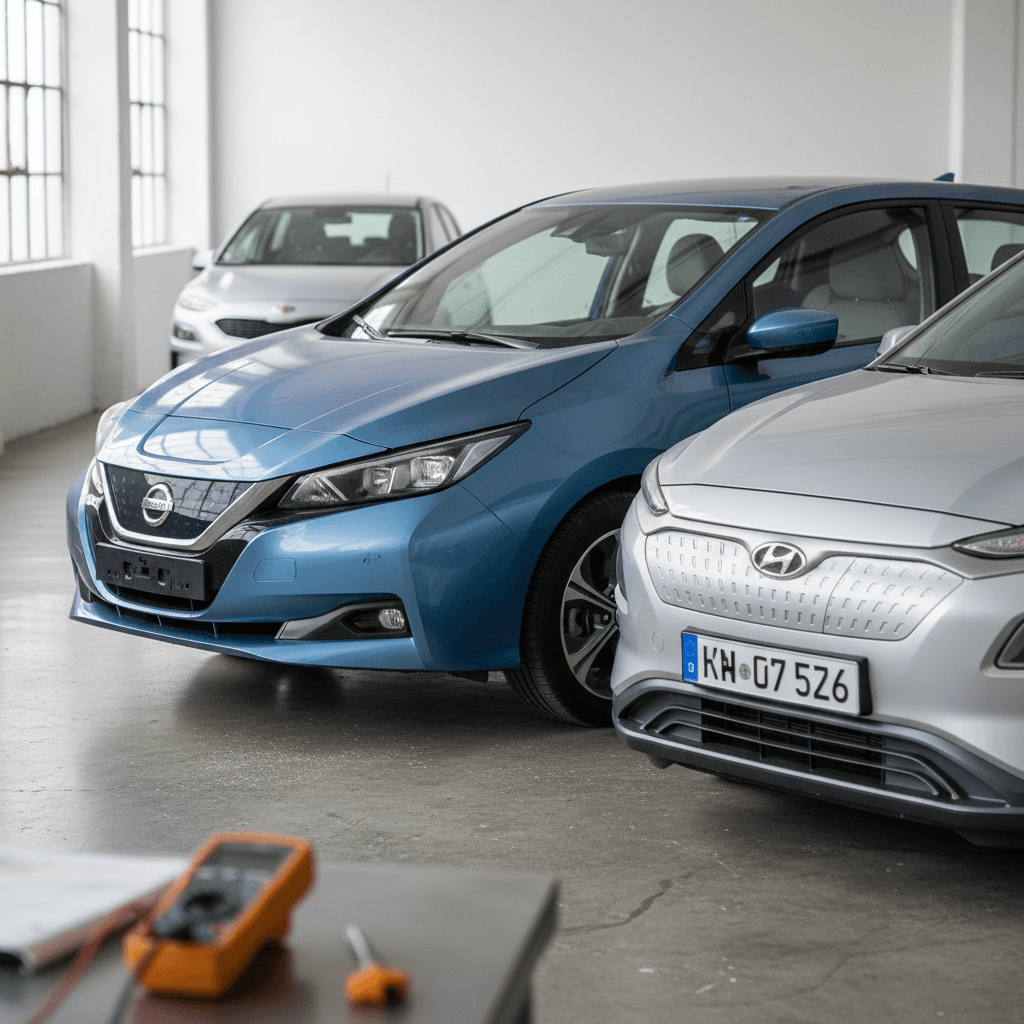
For example, the Nissan Leaf was one of the first affordable EVs, but early models had short range and air-cooled batteries, leading to faster value loss.
Which Brands Hold Value Best?
Brand reputation and technology leadership help some EVs keep their value.
Tesla: The Benchmark
Tesla is the most successful at maintaining resale value. Why? First, their battery technology and charging network lead the market. Second, regular software updates keep older Teslas competitive. Third, strong demand means used Teslas sell quickly, often at higher prices than expected.
Hyundai And Kia: Rising Stars
Hyundai Kona Electric and Kia Niro EV models are proving to hold value well. They offer good range, long warranties, and practical features, making them attractive to used buyers.
Luxury Brands: A Mixed Story
Luxury EVs from Jaguar, BMW, and Audi often lose value faster. High new prices and quick tech changes mean fewer buyers in the used market, pushing prices down.
How Battery Health Affects Depreciation
For EVs, battery health is as important as engine condition for gasoline cars. Buyers want to know:
- How much range is left?
- Is the battery under warranty?
- Has the battery been replaced?
A battery with good health means the EV keeps value better. Many brands offer 8-year/100,000-mile battery warranties. If the warranty is still valid, the car is more valuable.
A common mistake is ignoring battery condition when buying used. Always check the battery report or ask for a health check before buying.
The Role Of Incentives And Tax Credits
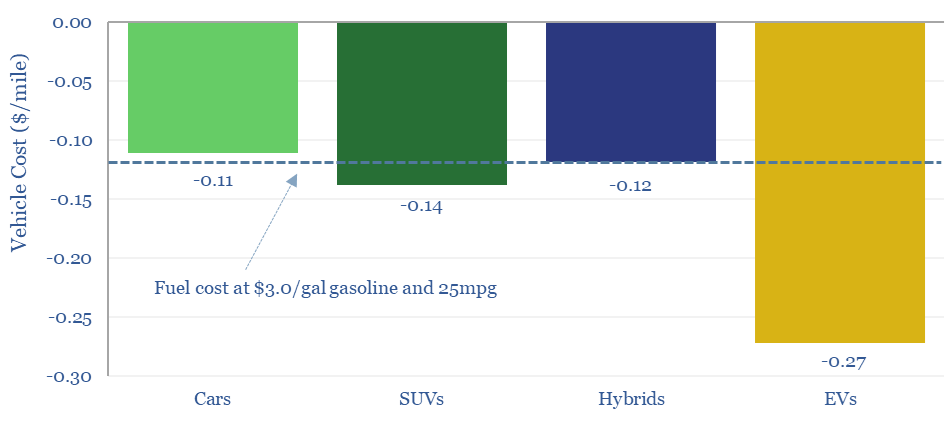
Government incentives can distort depreciation rates. For example, if a new EV comes with a $7,500 tax credit, its “real” new price is lower. When sold used, buyers don’t get that credit, so the used price drops to match.
This effect is seen in the Chevrolet Bolt EV and Nissan Leaf, which often had big discounts and credits, making their used values lower.
Credit: thundersaidenergy.com
How Model Updates Impact Value
EV technology changes quickly. When a new model offers 100 more miles of range or much faster charging, older models seem outdated, and their value drops. For example, when Tesla increased the Model S range from 265 to over 400 miles, earlier models lost value faster.
This fast pace means buyers should watch for big updates before buying new. Sometimes, waiting a few months for the next model can save thousands.
Geographic Differences In Depreciation
Where you live changes how much an EV loses value. In areas with lots of charging stations and high EV adoption (like California or Norway), used EVs hold value better. In regions with few chargers or cold climates (which can reduce battery range), depreciation is higher.
This means a used EV in San Francisco might sell for much more than the same car in rural Texas.
Used Evs: Good Value Or Risky Buy?
Buying a used EV can be a smart move if you understand depreciation. You pay less up front, and the biggest value drop has already happened. However, check:
- Battery warranty: Is it still active?
- Service history: Has the car been maintained?
- Charging: Are there enough charging stations near you?
Some used EVs are an excellent deal, especially models with good battery life and strong demand, like the Hyundai Kona Electric or Tesla Model 3.
How To Protect Your Ev’s Value
If you want to reduce depreciation risk, here’s what you can do:
- Choose popular models with strong brand reputation.
- Keep mileage low and service the car regularly.
- Avoid big changes to the car, like aftermarket modifications.
- Sell before major model updates are announced.
- Maintain battery health by not always fast charging and avoiding extreme temperatures.
A little planning helps your EV keep value longer.
The Future Of Ev Depreciation
As EVs become more common and batteries last longer, depreciation rates are expected to improve. More buyers are learning about EVs, and charging networks are expanding. Some experts believe that by 2030, EVs will hold value as well as, or even better than, gasoline cars.
For the latest trends and deeper insights, you can read more at the Kelley Blue Book.
Frequently Asked Questions
What Is The Average Ev Depreciation Rate After Five Years?
Most EVs lose about 40-60% of their value after five years, but the rate depends on the model, brand, and battery health. For example, a Tesla Model 3 may keep 67%, while a Nissan Leaf might keep only 40%.
Why Do Teslas Hold Their Value Better Than Other Evs?
Teslas keep value due to strong demand, advanced battery technology, frequent software updates, and a wide charging network. Their brand is trusted, and used buyers are willing to pay more.
Does Battery Replacement Affect Depreciation?
Yes. If a battery is near the end of its life or out of warranty, the car’s value drops. But if the battery is replaced or under warranty, depreciation is lower.
Are Used Evs A Good Deal?
Used EVs can be a great value, especially if the battery is healthy and warranty remains. The biggest drop in value happens in the first few years, so used buyers often get more for their money.
Will Ev Depreciation Improve In The Future?
Experts expect EV depreciation to get better as more charging stations appear, battery technology improves, and public confidence grows. By 2030, EVs may match or even beat gasoline cars in holding value.
Choosing the right EV, keeping the battery in good shape, and watching market trends can help you make the most of your investment. As the market matures, understanding depreciation rates will be even more important for both buyers and sellers.

Credit: www.researchgate.net