
Winter brings beautiful snowy landscapes, but it also creates unique challenges for electric vehicle (EV) drivers. As temperatures drop, batteries behave differently, roads get slippery, and charging can take longer than expected. For anyone relying on an EV during the colder months, understanding these changes is essential for both safety and peace of mind.
With the right strategies, you can confidently drive your electric car through winter’s toughest conditions. This guide will show you how to keep your EV running smoothly, maximize your range, and stay safe on icy roads—all with practical, easy-to-follow advice.
Understanding How Cold Affects Electric Vehicles
Winter’s low temperatures impact EVs more than most people realize. Battery performance drops in the cold, leading to reduced driving range. For example, studies show that EVs can lose 20–40% of their range in freezing weather. This happens because batteries are less efficient at low temperatures, and energy is also used for cabin heating.
Another important detail: charging times increase. A cold battery takes longer to accept a charge, especially at fast-charging stations. Many new EVs have battery preconditioning, but not all models do. Finally, traction and handling can be different, as instant torque and regenerative braking react differently on icy surfaces. Recognizing these changes helps you adjust your driving and charging habits for winter.
1. Pre-condition Your Ev Before Driving
Pre-conditioning means warming up your car’s interior and battery while the vehicle is still plugged in. This saves energy, as the power comes from the grid, not your battery.
- Set your EV’s climate control system to heat the cabin and battery 15–30 minutes before departure.
- Many EVs allow you to schedule this from a smartphone app or your infotainment screen.
- A warm battery delivers more power and charges faster, so you start with better range.
Pro tip: Always pre-condition while plugged in. Heating with battery power alone can reduce your range before you even start driving.

Credit: www.geotab.com
2. Maximize Driving Range In Cold Weather
Range anxiety is real in winter. Cold air, heated seats, and defrosters all use extra energy. Here’s how to get the most out of every charge:
- Drive smoothly. Gentle acceleration and braking use less energy.
- Lower your speed. Highway driving increases wind resistance, which is worse in cold dense air.
- Use seat and steering wheel heaters instead of the full cabin heater—they use less power.
- Limit heavy accessories. Defrost only when needed, and turn off heated mirrors or wipers if not required.
One insight many miss: Tire pressure drops in the cold, increasing rolling resistance. Check and inflate tires to the recommended PSI, as this alone can improve range by 5% or more.
3. Plan Charging Stops More Carefully
In winter, you can’t always trust your usual route or charging schedule. Charging stations might be busier, or your car’s range might fall short.
- Use apps like PlugShare or A Better Routeplanner to check charger status and plan breaks.
- Always allow a buffer of at least 20% battery for unexpected delays or detours.
- If possible, choose charging stations with shelter or heated waiting areas.
A common mistake: Relying on the lowest possible state of charge before recharging. In winter, always arrive at a charger with extra margin to avoid running out in the cold.
4. Use Battery Preconditioning For Fast Charging
Fast charging a cold battery is less effective. Most EVs will limit charging speed if the battery isn’t warm enough.
- If your EV supports battery preconditioning, activate it before reaching a DC fast charger. Some models do this automatically when you set a charging stop in the navigation.
- If not, drive at moderate speeds for 20–30 minutes before fast charging to help warm the battery.
This can make the difference between a 30-minute stop and a much longer wait, especially in sub-zero temperatures.
5. Keep Your Ev Clean And Snow-free
Snow and ice add weight and reduce aerodynamics, which lowers your range. They can also block sensors needed for driver-assistance systems.
- Clear snow and ice from the roof, hood, and windows before driving.
- Remove slush buildup from the wheel wells and underbody.
- Check that cameras and radar sensors are free from ice.
Not all drivers realize: A thick layer of snow can reduce highway range by up to 5–10% due to added drag.
6. Choose The Right Tires For Winter
Tire choice can be the difference between safe driving and a dangerous slide. All-season tires are often not enough for icy or snowy roads.
- Switch to winter tires with the “three-peak mountain snowflake” symbol for the best grip.
- Check tire tread depth—worn tires lose traction quickly in cold weather.
- Consider narrower tires for better grip in deep snow.
Many EV drivers overlook: Winter tires also improve regenerative braking by providing better contact with the road, making energy recovery smoother and safer.
7. Maintain Proper Tire Pressure
Tire pressure drops about 1 PSI for every 10°F temperature decrease. Under-inflated tires increase rolling resistance and can lower your range.
- Check tire pressure at least every two weeks during winter.
- Inflate tires when they are cold, as recommended in your owner’s manual.
- Don’t over-inflate—this reduces grip and can make handling less predictable.
Proper tire pressure not only improves range but also helps with braking and steering on slippery roads.
8. Use Regenerative Braking Wisely
Regenerative braking sends energy back to the battery, but on icy roads, it can cause the wheels to slip.
- Set regen to a lower level if your car allows adjustments.
- Use more gentle braking to avoid sudden deceleration on ice.
- In very slippery conditions, switch to “creep mode” or the lowest regen setting.
One detail many forget: Regenerative braking is less effective in a cold battery, especially right after starting. Expect normal brakes to do more work until the battery warms up.
9. Store Your Ev Indoors When Possible
An unheated garage can keep your EV 10–20°F warmer than outside. This small temperature difference helps maintain battery health and range.
- Park indoors overnight to reduce battery temperature swings.
- If you must park outside, use a thermal cover to shield the battery pack and charging port from snow and ice.
This practice also makes pre-conditioning more effective, as your car starts from a higher temperature.
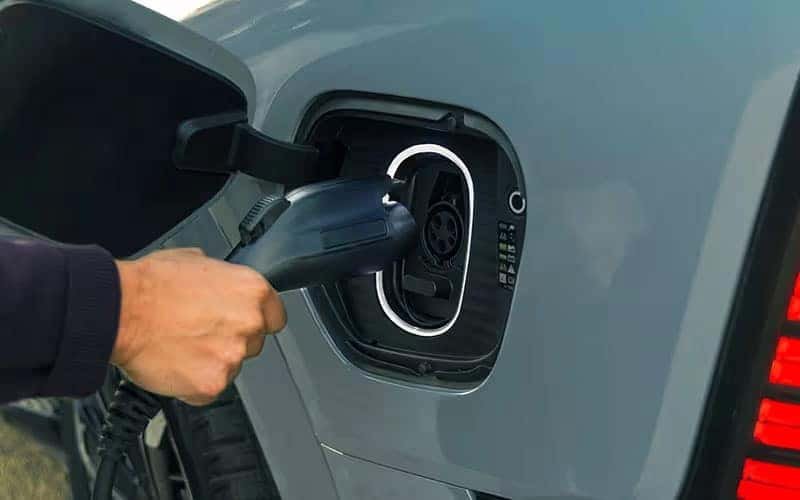
10. Protect Your Charging Port And Cables
Ice and snow can freeze charging ports and cables, making it hard to charge when you need it most.
- Keep a small brush or de-icer spray in your trunk for clearing the port and cable.
- If possible, use a port cover or flap to block snow entry.
- After charging, wipe off cables and close the port cover securely.
A common oversight: Leaving the charging port open after unplugging can let in moisture, which may freeze overnight.
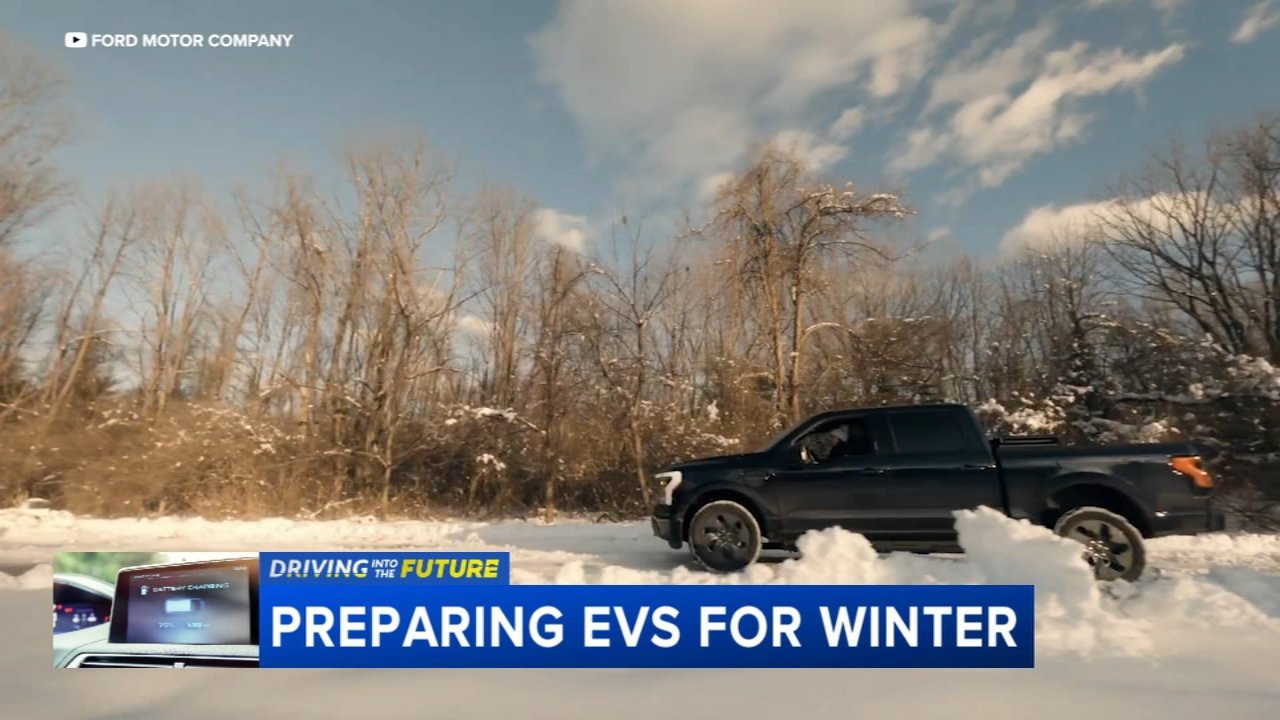
11. Schedule Charging During Warmer Parts Of The Day
Charging is more efficient when the battery is warmer. If you can, time your charging for midday instead of overnight.
- Many public stations are less busy in the early afternoon.
- At home, use your EV’s timer to finish charging just before you leave, so the battery is warm from charging.
This not only shortens charging time but also boosts your starting range.
Credit: 6abc.com
12. Monitor Your Battery Health
Cold weather puts extra stress on your battery. Most EVs let you check battery health via the dashboard or a mobile app.
- Watch for warning lights or sudden drops in range.
- If your EV allows it, run a diagnostic check before winter starts.
- If you notice unusual behavior, book a service check for peace of mind.
Batteries degrade slowly, but winter can highlight existing problems. Early action can prevent bigger issues later.
13. Adjust Your Driving Habits For Safety
Instant torque is a great EV feature, but it requires more care on slippery surfaces.
- Accelerate gently to prevent wheel spin.
- Increase following distance—braking takes longer on ice.
- Avoid sharp turns and sudden steering inputs.
Remember: Traction control and ABS help, but can’t change the laws of physics. Drive as if you have no electronic aids in icy conditions.
Credit: www.germaincadillacofeaston.com
14. Carry Emergency Supplies
Even with the best planning, winter can bring surprises. A well-packed kit can keep you safe in case of a breakdown or delay.
Recommended items include:
- Warm blanket or sleeping bag
- Extra gloves and hat
- Phone charger and power bank
- High-energy snacks and water
- Small shovel and windshield scraper
- Flashlight with extra batteries
Many forget: Keep your emergency kit inside the cabin, not the trunk, in case the trunk is frozen shut.
15. Update Your Ev’s Software
Manufacturers often release updates to improve winter performance, charging, or battery management.
- Check for software updates before cold weather arrives.
- Many EVs update over-the-air, but some require a visit to the dealer.
- Read update notes to see if there are changes to heating, regen, or charging behavior.
These updates can offer meaningful improvements in range and safety without any hardware changes.
Common Ev Winter Range Comparison
Below is a comparison of how three popular EVs perform in winter versus summer conditions, based on real-world tests:
| Model | EPA Range (Summer) | Typical Winter Range | % Range Loss |
|---|---|---|---|
| Tesla Model 3 Long Range | 353 miles | 255–280 miles | 21–28% |
| Nissan Leaf Plus | 226 miles | 160–180 miles | 20–29% |
| Hyundai Kona Electric | 258 miles | 190–210 miles | 19–26% |
As you can see, all EVs lose a significant portion of their range in cold weather. Planning and adapting your habits is essential.
Key Winter Accessories For Evs
Some accessories can make winter driving easier and safer. Here’s a quick overview:
| Accessory | Purpose | Recommended For |
|---|---|---|
| Portable EV Charger | Backup charging option in emergencies | All EV drivers |
| Thermal Battery Cover | Insulates battery from extreme cold | Outdoor parkers |
| Heated Seat Covers | Warmth with less energy than cabin heater | Vehicles without built-in heated seats |
| Windshield De-Icer | Quickly removes ice from glass | All regions with freezing weather |
Choosing the right accessories can save time and energy during winter months.
Hidden Pitfalls And How To Avoid Them
Even experienced drivers can miss these common winter mistakes:
- Ignoring the 12V battery. Most EVs use a small 12V battery for electronics. Cold can kill it, leaving you stranded even if your main battery is full. Check or replace it before winter.
- Letting charge drop too low. Never let your battery fall below 20% for long periods in the cold—it can damage the cells over time.
- Assuming range estimates are accurate. On cold days, the real range can be 10–15% less than what’s shown.
Staying aware of these pitfalls helps you avoid being caught off guard.
Frequently Asked Questions
What Is The Best Way To Warm Up My Ev In Winter?
The most efficient way is to pre-condition your EV while it’s still plugged in. Use your car’s app or climate control system to heat the cabin and battery before driving. This saves battery energy for your trip and improves comfort.
How Much Range Will I Lose When Driving My Ev In The Winter?
Most EVs lose between 20–40% of their summer range in cold weather. The exact amount depends on temperature, driving habits, and how you use the heater. Planning for extra charging stops is wise.
Can I Use A Regular Extension Cord To Charge My Ev In Winter?
No, it’s unsafe to use a standard household extension cord for EV charging. Always use the manufacturer’s approved charging cable and, if needed, a heavy-duty outdoor-rated extension cord made for high power loads.
Is It Safe To Leave My Ev Plugged In During A Snowstorm?
Yes, it’s safe—and often recommended—to keep your EV plugged in during extreme cold or snow. This maintains battery temperature and ensures your car is ready to go when you need it.
Where Can I Find Up-to-date Winter Driving Advice For My Specific Ev Model?
Check your car’s owner’s manual or visit the manufacturer’s website for the latest advice. For general EV tips and community experiences, the InsideEVs site is a reliable resource.
Driving an EV in winter is different, but not difficult with the right knowledge. By understanding how cold affects your vehicle and taking proactive steps, you can keep your journeys safe, efficient, and enjoyable all season long.
