
Buying used fleet vehicles can be a smart move for many businesses. These vehicles are often well-maintained, offer lower prices, and allow companies to grow their fleets without overspending. However, choosing the right used fleet vehicle is not always simple.
There are many factors to consider, and skipping the right steps can lead to costly mistakes. This guide will help you understand the full process, avoid common pitfalls, and make the best decision for your business needs.
Why Choose Used Fleet Vehicles?
Used fleet vehicles are popular because they give businesses access to reliable transportation at a lower cost. Most fleet vehicles, such as trucks, vans, and sedans, are serviced regularly. Companies want their cars to be safe and dependable, so they follow strict maintenance schedules.
This means you often get a vehicle in good mechanical condition, even if it has high mileage.
Another benefit is depreciation savings. New vehicles lose value quickly in the first few years. By buying used, you avoid the steepest drop in value. For example, a new commercial van might lose 30% of its value in the first year, but a three-year-old van will lose value much more slowly.
Some people worry used fleet vehicles are worn out. However, these vehicles often have complete service records, which can give you peace of mind. If you know how to check these records and inspect the vehicle, you can find a trustworthy addition to your fleet.
Key Factors To Consider When Buying
Choosing the right used fleet vehicle is not just about finding a low price. Here are important points to review:
1. Vehicle Purpose
Always match the vehicle type to your business needs. For example, a delivery business might need cargo vans, while a sales team might prefer fuel-efficient sedans. Think about space, payload, and how the vehicle will be used daily.
2. Mileage And Usage
High mileage is not always bad, but you should understand the type of miles. Highway miles are less damaging than city driving. A truck with 90,000 highway miles may be in better shape than one with 50,000 city miles.
3. Maintenance History
Always ask for service records. A complete history means the previous owner cared for the vehicle. Watch for signs of skipped maintenance or major repairs, which could mean future problems.
4. Vehicle Condition
Inspect the body, engine, tires, and interior. Look for signs of rust, leaks, or accidents. Bring a trusted mechanic if you are not an expert.
5. Title And Ownership
Make sure the vehicle has a clean title. Avoid cars with salvage or rebuilt titles, as they can bring insurance and legal problems.
6. Warranty Options
Some used fleet vehicles still have manufacturer warranties. Others may qualify for extended warranties. Always ask about coverage to protect your investment.
7. Price And Value
Research similar vehicles in your area to understand fair pricing. Online tools like Kelley Blue Book can help. Remember, the cheapest option is not always the best value.
8. Vehicle Identification Number (vin) Check
Use the VIN to check for accidents, recalls, and ownership history. Services like Carfax or AutoCheck make this easy.
9. Resale Value
Some makes and models keep value better than others. Think about how easy it will be to sell or trade the vehicle in the future.
10. Fuel Efficiency
Fuel costs add up quickly for large fleets. Compare the miles per gallon (MPG) of different options.
Example: Comparing Three Used Work Vans
Here’s a quick look at three popular used work vans and how they compare on key specs.
| Model | Year | Average Price (USD) | Mileage Range | MPG (City/Highway) |
|---|---|---|---|---|
| Ford Transit | 2019 | $24,000 | 50,000-90,000 | 15/19 |
| Chevrolet Express | 2018 | $19,500 | 70,000-110,000 | 11/17 |
| Ram ProMaster | 2020 | $22,500 | 40,000-80,000 | 14/18 |
As you can see, price and mileage can vary, but so do fuel savings and potential resale value.
Where To Find Used Fleet Vehicles
Knowing where to shop can save you time and stress. Here are common sources:
- Dealerships: Many dealers have certified pre-owned fleet vehicles. These usually come with warranties and have passed inspections.
- Fleet Auctions: Companies and government agencies sell their old vehicles at auction. Prices are often lower, but you may have less time to inspect.
- Online Marketplaces: Websites like Autotrader, Cars.com, and Enterprise Car Sales list used fleet vehicles nationwide.
- Direct from Companies: Some businesses sell fleet vehicles directly to buyers. You can sometimes negotiate better prices.
Data: Common Sources And Buyer Satisfaction
A recent survey of small business owners showed their preferred sources for buying used fleet vehicles:
| Source | Percentage of Buyers | Satisfaction Rate |
|---|---|---|
| Dealerships | 45% | 82% |
| Fleet Auctions | 27% | 67% |
| Online Marketplaces | 20% | 74% |
| Direct from Companies | 8% | 79% |
Dealerships remain the most popular for used fleet purchases, mostly because of after-sales support and warranties.
Steps To Take Before You Buy
A careful process helps you avoid mistakes and hidden costs. Here’s what you should do:
1. Set Your Budget
Include the purchase price, registration, taxes, and any needed repairs or upgrades.
2. List Your Needs
What will the vehicle carry? How many passengers? What about parking and loading? Write down your must-have features.
3. Research Models
Use online reviews and reliability ratings to find the best options for your business.
4. Inspect The Vehicle
Always do a physical inspection. Check for signs of heavy use, rust, leaks, or poor repairs.
5. Test Drive
A test drive shows how the vehicle handles and if there are any strange noises.
6. Review Service Records
Ask for proof of regular oil changes, brake checks, and other maintenance.
7. Negotiate Price
Be ready to walk away if the price is too high or the seller will not share records.
8. Get A Professional Inspection
A trusted mechanic can spot problems you might miss.
9. Check The Vin
Use a trusted service to review accident and ownership history.
10. Finalize The Deal
Ensure all paperwork is correct and you get the title, bill of sale, and any warranty documents.
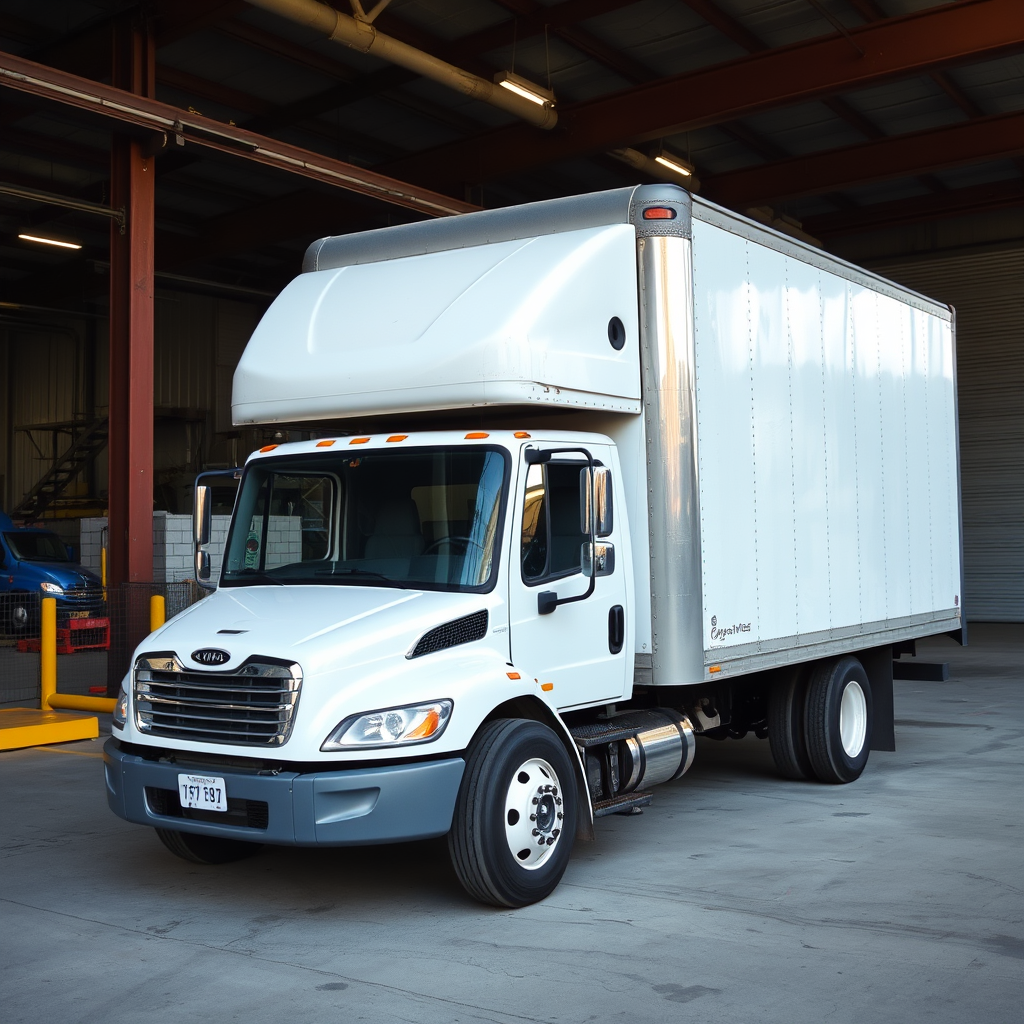
Credit: www.srqauto.com
Common Mistakes To Avoid
Even experienced buyers make errors. Here are some pitfalls to watch for:
- Skipping the Inspection: Never buy without seeing and testing the vehicle.
- Ignoring the Total Cost: Repairs, insurance, and fuel all add up. Don’t look only at the sticker price.
- Buying the Wrong Vehicle: Make sure the vehicle fits your actual business use, not just your budget.
- Not Checking the Title: A bad title can make registration or resale difficult.
- Rushing the Process: Take your time to compare options and check records.
Non-obvious Insights For Beginners
Many first-time buyers miss these important points:
1. Fleet Packages Often Mean Fewer Features
Fleet vehicles are usually basic models. They may not have comfort options like power windows or advanced safety features. Always double-check what is included.
2. Uniform Wear Patterns Can Hide Problems
Fleet vehicles used for the same route or task every day may show even wear. But this can sometimes hide early signs of issues, like worn suspensions or brakes. A mechanic should check these closely.
3. Fleet Vehicles Are Often Sold In Batches
If you need more than one vehicle, ask about bulk purchases. Sellers may offer a discount if you buy several at once.
Questions To Ask The Seller
Before you decide, ask these key questions:
- Why is the vehicle being sold?
- Was it involved in any accidents?
- Is there a full maintenance history?
- Are there any known mechanical problems?
- Is the price negotiable for multiple vehicles?
These questions give you a clearer picture and can help you avoid surprises.
Comparing Fleet Vehicle Types
Different businesses need different vehicles. Here’s a summary to help you compare main types:
| Vehicle Type | Best For | Pros | Cons |
|---|---|---|---|
| Cargo Van | Delivery, Trades | Spacious, easy to customize | Lower fuel economy, harder to park |
| Pickup Truck | Construction, Landscaping | High payload, towing power | Higher cost, more fuel needed |
| Sedan | Sales, Consulting | Fuel efficient, easy to drive | Limited cargo space |
| SUV | Team transport, Fieldwork | All-weather use, more seating | Higher price, uses more fuel |
Choose the type that fits your main tasks. For example, a small delivery service may save money with used cargo vans, while a construction company may need pickups.

Credit: www.gilchristautomotive.com
Financing Your Used Fleet Vehicle
Many businesses use financing to buy fleet vehicles. Here’s what to know:
- Bank Loans: These often have lower rates but require good credit.
- Dealer Financing: Convenient, but sometimes more expensive.
- Leasing: Some dealers offer used vehicle leases, which can lower monthly costs but may have mileage limits.
Always compare the total cost of each option, not just the monthly payment. Read all terms carefully.
After The Purchase: Next Steps
Once you buy, keep your investment safe and productive:
- Register the vehicle and update your insurance policy.
- Schedule a maintenance check, even if the seller claims it’s ready.
- Set up a tracking system for future service and repairs.
- Train your team on safe, efficient use of the vehicle.
This keeps your fleet running smoothly and helps avoid breakdowns.
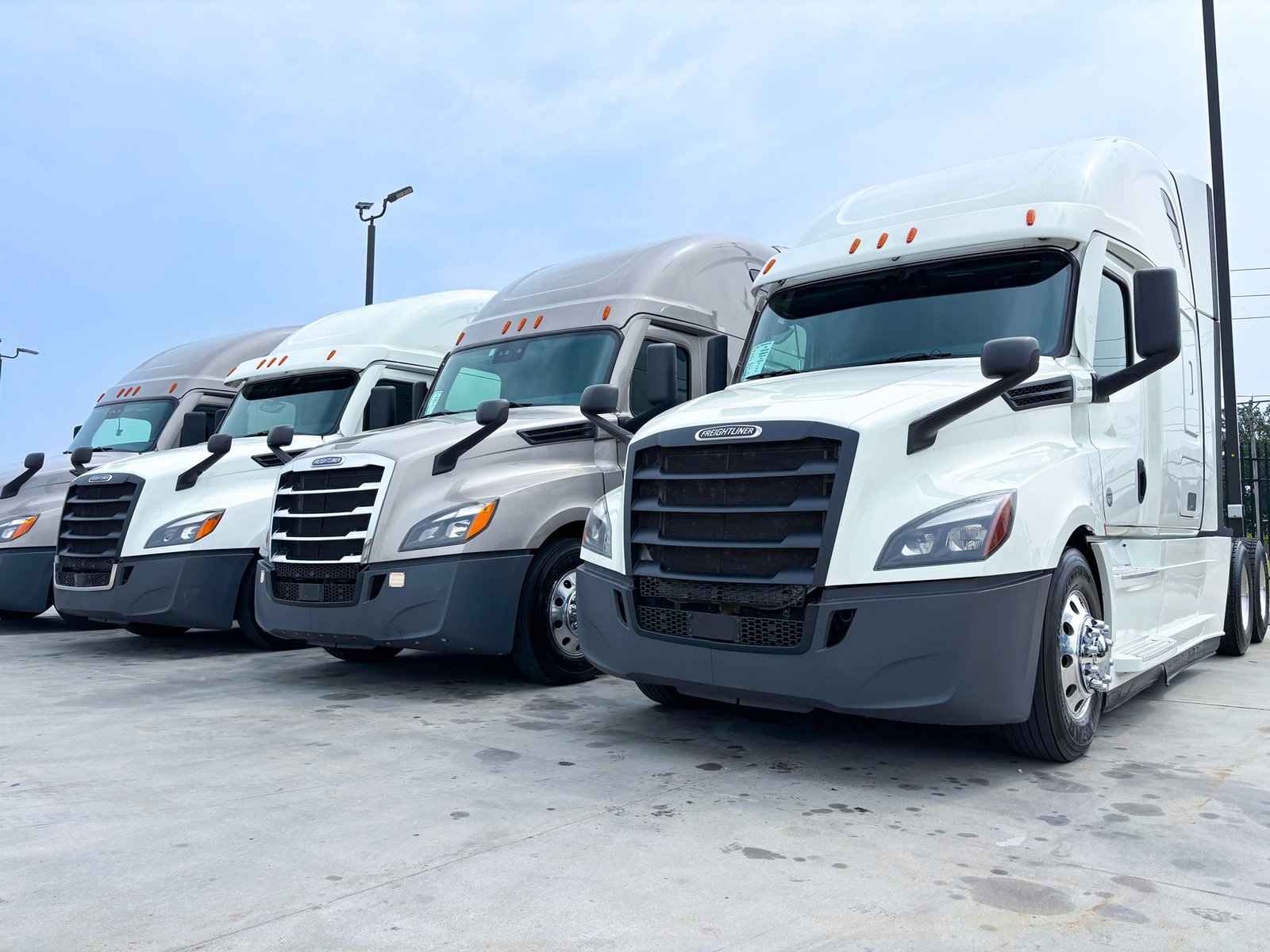
Credit: www.ohiotrucks.com
Frequently Asked Questions
How Do I Check A Used Fleet Vehicle’s History?
Ask for the Vehicle Identification Number (VIN) and use trusted services like Carfax or AutoCheck. These can show accident records, service history, and title problems.
What Is The Best Mileage Range For A Used Fleet Vehicle?
Look for vehicles with 60,000 to 90,000 miles if possible. This range often means the vehicle is not too old but has already taken the biggest hit in depreciation. Always focus on maintenance, not just mileage.
Should I Buy From An Auction Or A Dealer?
Dealers offer more support and warranties but usually cost more. Auctions may have better prices but require more buyer experience. If you are new, start with a dealer.
What Documents Do I Need To Complete The Purchase?
You will need the title, bill of sale, maintenance records, and any warranty paperwork. Make sure the VIN on the title matches the vehicle.
Can I Get A Warranty On A Used Fleet Vehicle?
Yes, many dealers and third parties offer extended warranties. Not all vehicles qualify, so ask before you buy. Read all terms carefully.
Buying used fleet vehicles is a smart way to grow your business fleet while saving money. With careful planning, smart research, and a focus on quality, you can find vehicles that serve your needs for years. For more details on fleet management and vehicle buying, visit the National Association of Fleet Administrators.
By following the steps in this guide, you can build a reliable, cost-effective fleet that helps your business succeed.