
When you plug a scan tool into your car to check for problems, you usually see a code—like P0301 or C1234—on the screen. These codes help you or your mechanic understand what is wrong with your vehicle. But did you know there are two main types of these codes? They are generic OBD codes and manufacturer-specific OBD codes. Understanding the difference is key to correctly diagnosing and fixing car troubles. Let’s explore how these codes work, where they come from, and why the difference matters for every car owner.
What Are Obd Codes?
OBD codes (On-Board Diagnostics codes) are short sequences made of letters and numbers. They are generated by your car’s onboard computer system when it detects a problem. For example, if your engine misfires, the system records a code. Mechanics and car owners use these codes to find out what is wrong.
Most cars built after 1996 use the OBD-II system. This standard makes it possible for all modern cars to use similar diagnostic tools and read similar codes. The main purpose of OBD codes is to help identify faults faster, which means less guessing and more accurate repairs.
The Structure Of An Obd Code
Each OBD code is made up of a letter followed by four numbers. For example: P0455. Here’s what each part means:
- First character (Letter): The system or area with the problem (e.g., P for Powertrain, B for Body, C for Chassis, U for Network)
- Second character (Number): Tells if the code is generic (0) or manufacturer-specific (1)
- Third character (Number): Shows the subsystem involved (e.g., fuel, ignition)
- Last two numbers: The specific fault
For example, in P0455:
- P = Powertrain
- 0 = Generic code
- 4 = Emission system
- 55 = Large leak detected in the evaporative emission system
Generic Obd Codes Explained
Generic OBD codes are standard codes. They are created by the Society of Automotive Engineers (SAE) and are used by all carmakers that follow the OBD-II standard. This means a code like P0300 (random engine misfire) will mean the same thing whether you drive a Honda, Ford, or BMW.
Features Of Generic Obd Codes
- Universally recognized: Any mechanic or scan tool can read and understand these codes.
- Standard definitions: The meaning is always the same, no matter the car brand.
- Covers common problems: Most issues related to emissions, engine, and transmission.
Example Of Generic Codes
- P0171: System too lean (Bank 1)
- P0420: Catalyst system efficiency below threshold
- P0301: Cylinder 1 misfire detected
Anyone with a simple OBD-II scanner can read these codes.
Manufacturer-specific Obd Codes Explained
Manufacturer-specific OBD codes are unique to certain car brands or models. They are created by the carmakers themselves, usually to report faults that only exist in their vehicles or in special systems not found in all cars.
Features Of Manufacturer-specific Codes
- Unique meanings: A code like P1234 could mean different things for a Ford and a Toyota.
- Brand-specific: Only certain scan tools or software can read and explain these codes fully.
- Covers special features: These codes often relate to advanced features, unique sensors, or brand-only systems.
Example Of Manufacturer-specific Codes
- P1456 (Honda): Evaporative emission control system leak detected (fuel tank area)
- P1234 (Ford): Intake air temperature sensor circuit intermittent
These codes often require special manuals or brand-specific diagnostic tools.
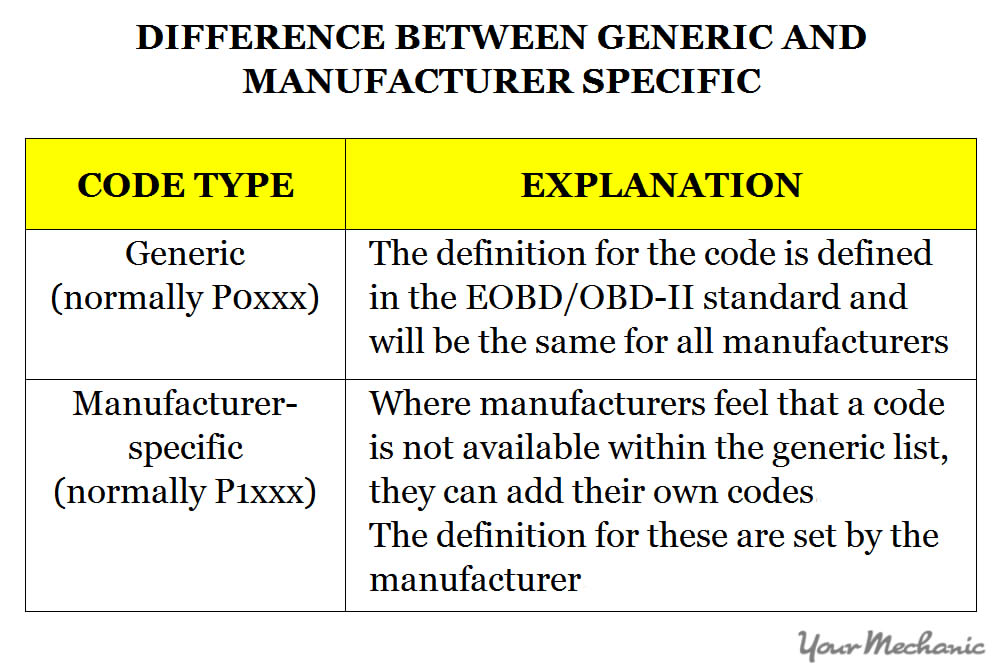
Key Differences: Generic Vs Manufacturer Obd Codes
Understanding the differences helps you know what kind of help you need and what tools to use. Below is a comparison to make it clear:
| Feature | Generic OBD Codes | Manufacturer-Specific Codes |
|---|---|---|
| Who defines the code? | SAE/International Standard | Car Manufacturer |
| Second digit in code | 0 (e.g., P0xxx) | 1 (e.g., P1xxx) |
| Meaning is same for all cars? | Yes | No |
| Basic scan tool can read? | Yes | Sometimes, but not always clear |
| Focus | Common systems (engine, emissions) | Brand-specific features |
Why Do Manufacturer-specific Codes Exist?
You might wonder why carmakers use their own codes. The main reason is that cars are becoming more complex. Brands add unique features, custom sensors, and special electronics. Generic codes cannot cover every possible problem for every car. So, manufacturers add their own codes to handle these special cases.
For example, a hybrid vehicle may have battery or motor systems not found in standard cars. The manufacturer-specific codes alert you to faults in these unique systems.
When Do You See Generic Vs Manufacturer Codes?
Usually, if your car’s engine light comes on, a generic code is generated for common problems. But sometimes, if the issue is only found in your car’s brand or model, you’ll see a manufacturer-specific code.
For instance, a P0420 code means a problem with the catalytic converter in almost any car. But if you see P1456, you need to check your owner’s manual or a brand-specific guide because it could mean something unique—like a special sensor fault only found in your vehicle.
How To Read Obd Codes
Reading OBD codes is simple with a scan tool. Here’s how you can do it:
- Plug the OBD-II scanner into the port (usually under the dashboard).
- Turn on the ignition.
- Follow the scanner’s instructions to read codes.
Some free mobile apps and Bluetooth adapters make this process even easier. But remember, basic scanners usually only show generic codes. To read and understand manufacturer-specific codes, you may need a professional tool or software.
The Role Of Obd Codes In Car Repair
OBD codes are not just random numbers—they are your car’s way of telling you what’s wrong. Here’s how they help:
- Faster diagnosis: Mechanics can quickly find where to start looking.
- Less guessing: Saves time and money on unnecessary repairs.
- Better maintenance: Regular scans can catch small problems before they become big ones.
But don’t rely on codes alone. Sometimes, a code points to a system, not the exact part. For example, P0171 means the engine is running lean, but the cause could be a vacuum leak, a bad sensor, or even a dirty air filter.
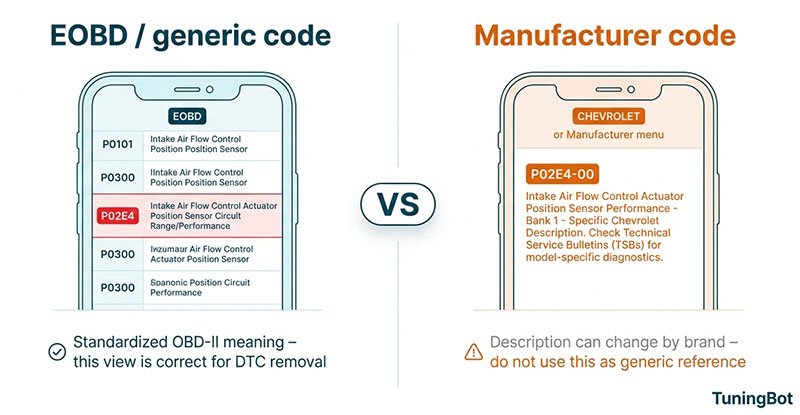
Real-world Example: Same Code, Different Meaning
Let’s say you get a P1234 code on two different cars:
- On a Ford, P1234 could mean a fuel pump relay issue.
- On a Toyota, P1234 might not even exist, or it could mean something else.
This is why it’s important to know if the code is generic or manufacturer-specific.
Credit: tuningbot.com
Types Of Problems Detected
| Code Type | Problem Area | Example |
|---|---|---|
| Generic | Engine Misfire | P0300 |
| Generic | Oxygen Sensor | P0130 |
| Manufacturer-Specific | Hybrid Battery Module | P1A10 (Honda) |
| Manufacturer-Specific | Transmission Fluid Temperature Sensor | P1870 (GM) |
Common Mistakes When Using Obd Codes
- Assuming all codes are the same: Many people think P1234 means the same thing in any car—it does not if it’s manufacturer-specific.
- Ignoring the second digit: The second character (0 or 1) tells you if it’s generic or not. Don’t skip this!
- Replacing parts immediately: Codes show where to look, not always what to change.
- Using cheap scanners for all codes: Basic tools may miss or misread manufacturer-specific codes.
How To Get Accurate Code Readings
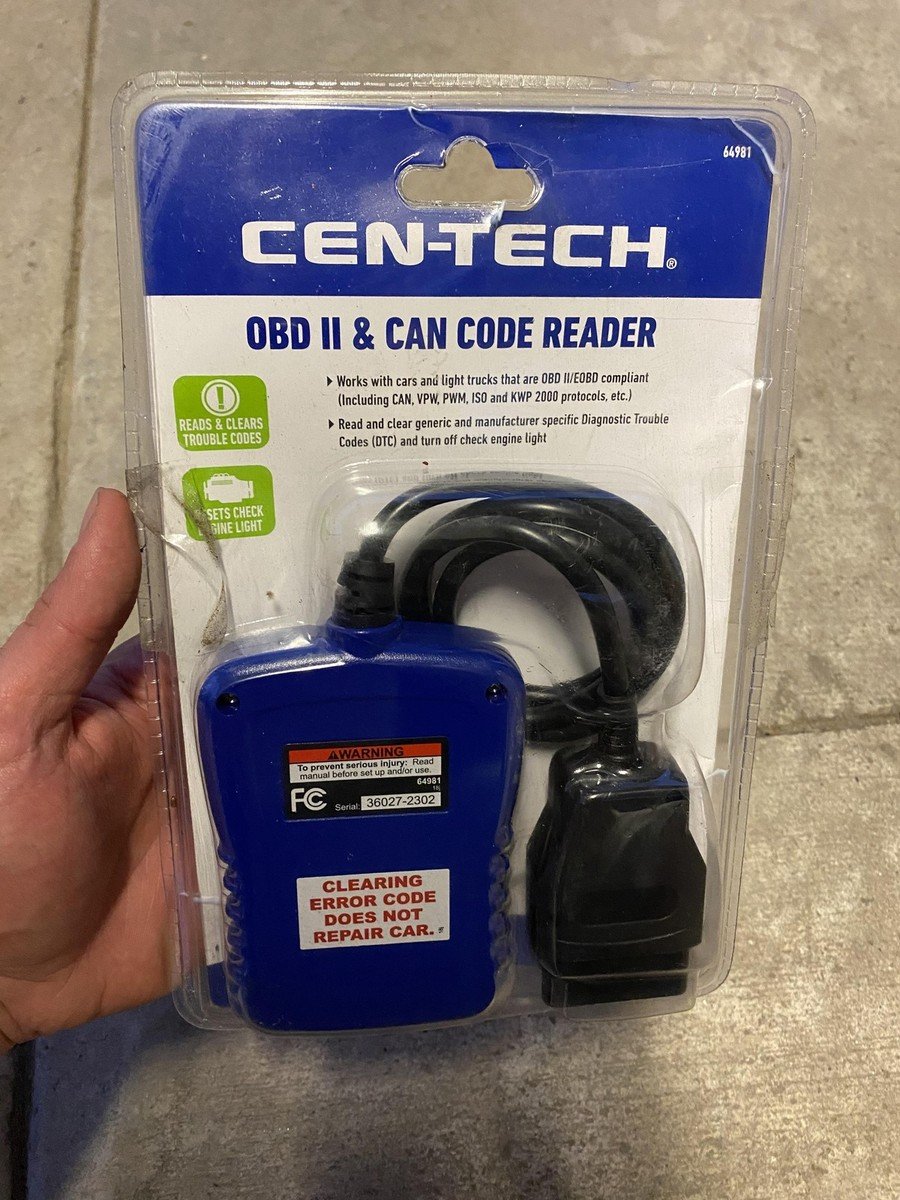
For home users, a simple OBD-II scan tool is enough for generic codes. But if you want to diagnose all problems, especially in newer cars, consider:
- Brand-specific diagnostic software
- Professional-grade scanners
- Manufacturer service manuals
Some auto parts stores offer free scans, but they may only report generic codes. Dealerships and advanced repair shops can read all codes.
Benefits Of Understanding Both Code Types
Knowing the difference between generic and manufacturer codes helps you:
- Talk clearly with mechanics: You can explain what your scan tool found.
- Avoid wrong repairs: You won’t replace the wrong part based on the wrong code meaning.
- Save money: Fixing the right problem the first time reduces costs.
Credit: www.yourmechanic.com
How Codes Affect Emissions Testing
Many regions require cars to pass emissions tests. If your car has a generic emissions-related code (like P0420), you may fail the test. Manufacturer-specific codes can also cause a failure, especially if they affect the engine or emissions system. Always check and clear codes before testing.
Choosing The Right Scan Tool
Not all scan tools are equal. Some read only generic codes, while others handle both types. Here’s a quick comparison:
| Tool Type | Generic Codes | Manufacturer Codes | Price Range |
|---|---|---|---|
| Basic OBD-II Scanner | Yes | Limited/No | $20-$50 |
| Advanced OBD-II Scanner | Yes | Some | $100-$300 |
| Professional Diagnostic Tool | Yes | Yes | $500+ |
Choose a tool based on your needs and car model. If you have a newer or luxury car, advanced or professional tools are worth it.
Where To Find Code Definitions
For generic codes, you can find definitions in the scan tool manual, car repair books, or online databases. For manufacturer codes, use your car’s service manual or visit the official website. Trusted resources like the Wikipedia OBD page can also help.
Two Insights Many Beginners Miss
- Not every code points to a single part: A code could be the result of a chain reaction. For example, a bad oxygen sensor can cause other codes to appear. Always check for related codes and fix root causes.
- Manufacturer codes sometimes reveal deeper problems: If your scan tool shows a manufacturer code, it might be about a special system (like air suspension or advanced safety). Don’t ignore these—they can affect how your car runs, even if you don’t notice problems yet.
Credit: www.ebay.com
Frequently Asked Questions
What Does The Second Digit In An Obd Code Mean?
The second digit shows if the code is generic (0) or manufacturer-specific (1). For example, P0xxx is a generic code used by all cars, while P1xxx is set by the car’s maker.
Can I Fix My Car Just By Reading Obd Codes?
OBD codes point you to the system with a problem, but they don’t always tell you the exact part that failed. Use the code as a guide, but check for other symptoms and test parts before replacing anything.
Are Manufacturer-specific Codes Bad For Diy Car Owners?
They are not bad, but they do make repairs harder. You might need special scan tools or manuals. If you enjoy fixing your own car, invest in good diagnostic tools or find reliable information for your car’s brand.
Will My Car Pass Emissions If I Clear Codes?
Clearing codes does not fix problems. If you clear the codes but don’t fix the fault, the issue will return, and you may fail the emissions test. Always repair the cause before clearing codes.
Where Can I Find A Full List Of Obd Codes For My Car?
Generic codes are widely available online. For manufacturer-specific codes, check your car’s service manual or the maker’s website. Sometimes, car forums and communities also share this information.
Understanding the difference between generic and manufacturer OBD codes gives you a real advantage as a car owner. With this knowledge, you can diagnose problems more accurately, communicate better with mechanics, and make smarter choices about repairs. Whether you’re using a basic scan tool or a professional device, knowing what kind of code you’re reading is the first step to keeping your car running well.