
Checking your car’s transmission fluid may sound like a small thing, but it can make a huge difference in how your vehicle drives and how long the transmission lasts. Many car problems start with low or dirty transmission fluid, yet most drivers ignore this basic maintenance.
The good news is, you don’t need to be a mechanic to check it yourself. With a little guidance, you can do it quickly and safely at home, saving money and preventing bigger issues later.
In this guide, you’ll learn how to check transmission fluid step by step. You’ll discover the tools you need, the right way to read the dipstick, what signs to watch for, and why it matters. Whether you have an automatic or manual transmission, you’ll find clear instructions to keep your car running smoothly.
Let’s dive in and protect one of the most important parts of your vehicle.
Why Transmission Fluid Matters
Transmission fluid is more than just a lubricant. It keeps gears shifting smoothly, cools moving parts, and prevents wear and tear inside the transmission. Without enough clean fluid, your transmission can overheat, slip, or even fail completely. Repairs can cost thousands of dollars, so regular checks are a smart way to avoid surprise bills.
Most automatic transmissions depend on fluid pressure to operate. If the fluid is low or dirty, shifting becomes rough, delayed, or noisy. In manual transmissions, fluid mainly reduces friction and heat. Both types can suffer from fluid problems, but the symptoms and solutions differ.
Many manufacturers say their transmissions are “sealed for life,” but fluid still breaks down over time. Heat, driving conditions, and mileage all affect how quickly this happens. Checking fluid regularly is a simple way to spot problems early.
Tools And Supplies You Need
Before you start, gather these basic items:
- Clean rag or paper towel (white is best for color check)
- Flashlight (for visibility under the hood)
- Funnel (if you need to add fluid)
- Owner’s manual (for your car’s specific instructions)
- Gloves (optional, to keep hands clean)
- Flat, level parking area
You don’t need expensive tools—just a few simple items and some attention to detail.
Finding The Transmission Dipstick
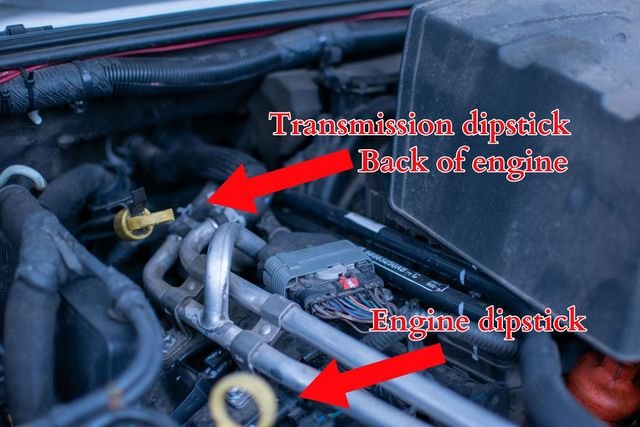
Most automatic transmissions have a dipstick similar to the one for engine oil. It’s usually near the back of the engine, closer to the firewall. The handle may be red or yellow. Always double-check with your owner’s manual so you don’t mistake it for the oil dipstick.
Some newer cars—especially certain Hondas, Audis, or European models—do not have an accessible dipstick. These “sealed” transmissions require a visit to a mechanic. If you can’t find the dipstick, don’t force anything; consult your manual or dealer for guidance.
Manual transmissions often do not have a dipstick at all. Fluid is checked by removing a fill plug under the car, which usually requires tools and sometimes a lift. If you drive a manual, consider having a professional check the fluid unless you’re comfortable working underneath your vehicle.
Preparing The Car For Checking
You’ll get the most accurate reading if you prepare your car properly:
- Park on a flat, level surface to avoid false readings.
- Set the parking brake.
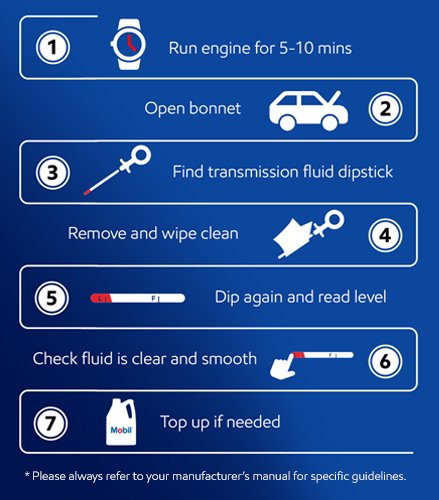
- Warm up the engine by letting it idle for 5–10 minutes. Transmission fluid expands when hot, so most checks are done at operating temperature. (Some manuals say to check “cold,” so always confirm.)
- Shift through all gears (P, R, N, D, etc.) With your foot on the brake. This circulates fluid throughout the transmission.
- Leave the engine running unless your manual says otherwise.
Safety tip: Keep hands, hair, and clothing clear of moving parts under the hood. Use gloves if you want to avoid contact with fluid.
Step-by-step: How To Check Transmission Fluid
Follow these steps for a reliable check:
- Open the hood and locate the transmission dipstick.
- Pull the dipstick out slowly. Wipe it clean with your rag or paper towel.
- Reinsert the dipstick fully into the tube, then pull it out again.
- Check the fluid level. The dipstick has “Full,” “Add,” or “Hot/Cold” marks. The fluid should be at or just below the “Full” line when hot.
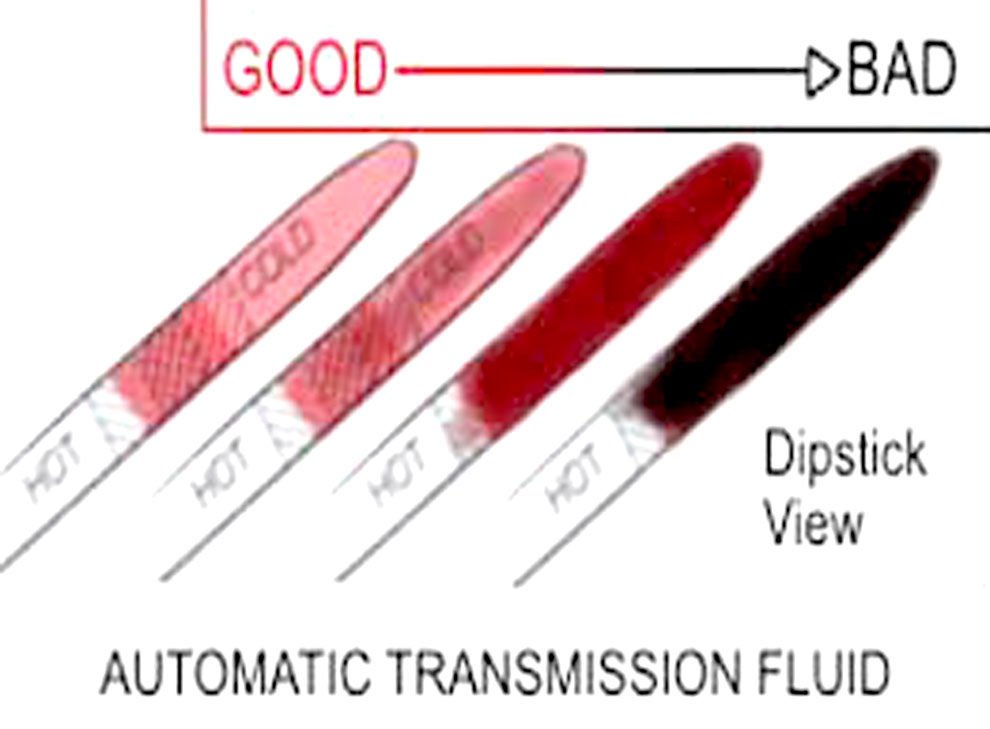
- Examine the fluid color. Healthy fluid is usually pinkish-red and transparent. If it’s dark, brown, or smells burnt, it may need changing.
- Look for particles or debris. Grit or metal flakes mean trouble inside the transmission.
- Add fluid if needed. If the level is low, use a funnel to add small amounts of the recommended transmission fluid. Do not overfill.
- Repeat the check after adding fluid to ensure the level is correct.
Always use the exact fluid type listed in your manual. Using the wrong fluid can damage your transmission.
Understanding Transmission Fluid Levels
Here’s how fluid levels compare and what they mean:
| Fluid Level | What It Means | Action Needed |
|---|---|---|
| At “Full” mark | Normal, healthy level | No action needed |
| Between “Add” and “Full” | Slightly low | Add small amount if needed |
| Below “Add” mark | Low—could cause problems | Add fluid immediately |
| Above “Full” mark | Overfilled—can foam or leak | Remove excess fluid |
Never drive with low or overfilled transmission fluid. Both can damage the transmission.
What Transmission Fluid Should Look And Smell Like
Fluid condition tells you a lot about your transmission’s health. Here’s what to check:
| Color | Odor | Condition | Next Step |
|---|---|---|---|
| Pink or light red | No strong odor | Clean, healthy | Keep using |
| Dark red or brown | Burnt or sweet | Old, worn out | Change fluid soon |
| Milky or cloudy | Sweet or musty | Coolant mixed in | See mechanic urgently |
| Black, gritty | Burnt, harsh | Possible damage | Inspect transmission |
Two non-obvious things beginners miss:
- Even if fluid looks “okay,” tiny particles or a slightly burnt smell can signal early problems.
- Milky fluid means coolant is leaking into the transmission—a serious issue that needs professional repair.
Common Mistakes When Checking Transmission Fluid
Avoid these errors to get an accurate result:
- Checking on a hill or slope. This gives a false reading—always park level.
- Not warming up the car. Cold fluid is denser and gives a lower reading.
- Using the wrong fluid type. Each car needs a specific formula—read your manual.
- Mixing old and new fluid. If the fluid is dirty, a full change is better than topping off.
- Overfilling. Too much fluid causes foaming, leaks, or shifting problems.
- Not cleaning the dipstick first. Dirt on the stick can confuse your reading.
If you’re unsure, ask a trusted mechanic for help. It’s better to check than to guess.
Credit: www.westplainsdailyquill.net
Signs Your Transmission Fluid Needs Attention
Your car may warn you of fluid problems even before you check under the hood. Watch for these symptoms:
- Delayed or rough shifting between gears
- Transmission slipping (engine revs but car doesn’t move as expected)
- Unusual noises like whining or clunking
- Fluid spots or leaks under the car
- Burnt smell from under the hood
If you notice any of these, check your fluid as soon as possible. Early action can prevent expensive repairs.
How Often Should You Check Transmission Fluid?
There’s no one-size-fits-all answer, but a good rule is to check every month or at each oil change. High-mileage cars, towing, or extreme temperatures may require more frequent checks. Always follow the schedule in your owner’s manual.
Some cars have “lifetime” fluid, but real-world driving can break it down faster than expected. Even if your manual says it’s “sealed,” a mechanic can still check the fluid at regular service visits.
Adding Transmission Fluid: Step-by-step
If you find your fluid is low, here’s how to add more safely:
- Buy the correct type of transmission fluid. Check your manual for the exact specification.
- With the engine running and in Park, insert a funnel into the dipstick tube.
- Add small amounts (about half a cup at a time). Overfilling is worse than underfilling.
- Check the level again after each addition.
- Repeat until fluid reaches the “Full” mark. Do not exceed.
- Wipe up any spills to avoid attracting dirt or causing smoke.
Pro tip: Transmission fluid expands as it heats. Always check the level after the car is fully warmed up.
When To Change Transmission Fluid
Checking is important, but fluid still needs regular replacement. Most automatic transmissions need a full fluid change every 30,000 to 60,000 miles (48,000–96,000 km). Some newer cars claim longer intervals, but heavy driving, towing, or stop-and-go traffic can shorten this time.
Manual transmissions may go longer, but fluid should still be changed according to your manual or if you notice problems.
If you see dark, burnt, or gritty fluid, schedule a change sooner. Changing the fluid and filter can extend your transmission’s life and improve shifting.
Credit: www.davidsrepair.com
Diy Vs. Professional Service
Many drivers can safely check and add transmission fluid at home. But if you see any warning signs, dirty fluid, or leaks, it’s smart to visit a trusted mechanic. Some transmissions require special tools or procedures, especially sealed or manual types.
A professional service may include:
- Draining and refilling fluid
- Replacing the transmission filter
- Inspecting for leaks or damage
- Resetting computer systems if needed
For most people, regular checks at home and periodic professional service work best.
Comparing Automatic And Manual Transmission Fluid Checks
Knowing the difference helps you care for your specific car:
| Feature | Automatic Transmission | Manual Transmission |
|---|---|---|
| Dipstick location | Usually under hood, easy to access | Usually no dipstick; under car |
| Fluid type | Special ATF, varies by make | Gear oil or specific manual fluid |
| Check frequency | Monthly or at oil changes | Every 1–2 years, or as manual suggests |
| DIY difficulty | Easy for most cars | Challenging, may need tools |
If you’re ever unsure, your manual or a mechanic can guide you.
Credit: www.mobil.co.uk
Extra Tips For Accurate Transmission Fluid Checks
- Always use a white rag or paper towel when wiping the dipstick. This makes color and particles easier to spot.
- If your car has high mileage, check fluid more often, especially before long trips.
- Transmission fluid expands with heat. If you check cold, the level will be lower—always follow your manual’s advice.
- Check for leaks under your car regularly. Even a small drip can cause a big problem over time.
- Never ignore warning lights related to the transmission.
For more details about transmission fluids and standards, you can visit the Automatic Transmission Fluid Wikipedia page.
Frequently Asked Questions
What Happens If I Drive With Low Transmission Fluid?
Driving with low fluid can cause overheating, slipping, and serious internal damage. The transmission may shift poorly or stop working. It’s best to check and top up fluid immediately if you suspect a problem.
How Do I Know Which Transmission Fluid My Car Needs?
Check your owner’s manual for the exact specification. Different cars use different fluids, and using the wrong type can cause damage. If you’re unsure, ask a dealer or trusted mechanic.
Can I Check Transmission Fluid When The Engine Is Cold?
Most cars require the fluid to be checked hot (engine running, at operating temperature). This gives the most accurate reading. However, some manuals say to check cold—always follow your car’s instructions.
Is It Safe To Add Transmission Fluid Myself?
Yes, as long as you use the correct fluid type and add small amounts at a time. Avoid overfilling. If you notice leaks, burnt smell, or particles, see a mechanic.
How Can I Tell If My Transmission Fluid Is Bad?
Dark, brown, or black fluid with a burnt smell means the fluid is old or contaminated. Milky fluid suggests a coolant leak. Grit or metal flakes are signs of internal wear. Any of these mean it’s time for a change or a check by a mechanic.
Taking a few minutes to check your transmission fluid can save you money and stress. With the right steps, you’ll keep your car shifting smoothly and avoid costly repairs down the road. Stay proactive, and your vehicle will thank you with reliable performance for years to come.